All You Need to Know About Car Manufacturers in Pakistan
Car manufacturers in Pakistan have shaped the country’s economy and daily life for decades. From legacy brands like Honda Pakistan and Pak Suzuki to new players like Kia Pakistan and MG Pakistan, the industry is evolving fast. This guide covers everything you need to know about local assembly, pricing, and what’s next for the Pakistani auto industry.
The car manufacturers in Pakistan industry has a rich and fascinating history. It goes back decades and has transformed how millions of Pakistanis travel every day. Today, the country hosts a mix of old-school giants and exciting new brands. Whether you are looking at a daily commuter or a family SUV, understanding who builds these vehicles helps you make a smarter choice.
Pakistan’s automotive sector is one of the largest in South Asia. It contributes significantly to the national GDP and employs thousands of workers. But the market is not just about big numbers. It is about real people buying real cars every single day. And with new players entering the scene, the competition has never been fiercer.
In this guide, we break down everything you need to know. From established brands like Honda Pakistan and Pak Suzuki to newcomers like Kia and MG, we cover it all. You will learn how cars are assembled in Pakistan, what models dominate the roads, and where the industry is heading. Let us dive in.
Key Takeaways
- Diverse Manufacturers: Pakistan hosts a mix of legacy brands, new entrants, and local assemblers that compete across sedans, SUVs, and hatchbacks.
- CKD Assembly Model: Most car manufacturers in Pakistan operate through Completely Knocked Down (CKD) kits, which keeps costs lower but limits customization.
- New Players Are Disrupting the Market: Kia and MG have introduced fresh designs, warranties, and competitive pricing that challenge established brands.
- Import Duties Shape Prices: High tariffs on completely built units (CBU) push automakers toward local assembly, affecting car affordability.
- Electric Vehicles Are Coming: Pakistan’s automotive policy now supports EV manufacturing, with several brands planning to launch electric models soon.
- Market Share Shifts: Pak Suzuki still dominates the hatchback segment, while Honda leads in sedans — but new brands are gaining ground fast.
📑 Table of Contents
- The History of Car Manufacturing in Pakistan
- Major Car Manufacturers Operating in Pakistan
- How Cars Are Assembled in Pakistan
- Popular Car Models and Their Price Range
- The Rise of New Entrants: Kia and MG
- The Future of Car Manufacturing in Pakistan
- Common Mistakes Buyers Make When Purchasing Cars in Pakistan
- Expert Insights on the Pakistani Auto Market
- Conclusion
The History of Car Manufacturing in Pakistan
The story of car manufacturers in Pakistan begins in the 1950s. Back then, the country had almost no domestic vehicle production. Cars were entirely imported. But as the government recognized the need for local industry, things started to change slowly.
Early Beginnings
In the 1960s, the government encouraged the setup of car assembly plants in Pakistan. The first major move was inviting international brands to operate through joint ventures. This meant foreign companies would share technology and expertise with local partners. The result was the birth of the Pakistani auto industry as we know it today.
Indus Motor Company, a joint venture between Toyota and a local partner, started assembling vehicles in the 1980s. Similarly, Honda began its operations through Honda Atlas Cars Pakistan. These early partnerships laid the foundation for the automotive production ecosystem in the country.
Growth Through the Decades
The 1990s and 2000s saw massive growth. Pak Suzuki Motor Company became the dominant player in the hatchback segment. Brands like Toyota and Honda expanded their lineup. More assembly plants opened across the country, especially in Karachi and other industrial zones.
However, growth was not always smooth. Periods of political instability, economic downturns, and high import duties slowed things down. Still, the vehicle manufacturing sector kept evolving. New models were introduced, and local content increased over time.
Major Car Manufacturers Operating in Pakistan
Today, the market features a blend of established names and fresh challengers. Each car manufacturer in Pakistan brings something unique to the table. Let us look at the key players.
Honda Pakistan
Honda Atlas Cars Pakistan Limited is one of the most trusted names in the industry. Honda has a strong reputation for reliability and fuel efficiency. Their current lineup includes the Honda Civic, Honda City, and Honda BR-V. The Honda Civic price in Pakistan has always been a hot topic among car buyers.
Honda vehicles are known for their smooth engines and solid build quality. They cater to the middle-class family looking for a dependable sedan car Pakistan or a compact SUV. Honda’s after-sales service network is also one of the best in the country.
Pak Suzuki
Pak Suzuki Motor Company Limited is the largest car manufacturer in Pakistan by volume. Their models, especially the Suzuki Alto and Suzuki Wagon R, are everywhere on Pakistani roads. The brand dominates the hatchback segment and is famous for affordable car prices Pakistan buyers can trust.
Suzuki’s success comes from understanding local needs. Their cars are small, fuel-efficient, and easy to maintain. The Pak Suzuki Wagon R price has remained competitive, which helps them stay ahead of the competition. They also recently launched the Suzuki Swift and Suzuki Cultus in the Pakistani market.
Toyota Indus Motor Company
Toyota is another heavyweight in the automotive sector Pakistan. Indus Motor Company assembles Toyota and Lexus vehicles locally. The Toyota Yaris, Toyota Fortuner, and Toyota Prado are some of the most popular models. Toyota has a loyal customer base that values durability and resale value.
The Toyota Yaris price in Pakistan has seen some adjustments over the years, but it remains a strong contender in the sedan segment. Toyota also offers a wide range of SUVs that appeal to families and adventure seekers alike.
Kia Pakistan
Kia is a relatively new entrant but has made a big splash. The Kia Pakistan operations started with the Kia Picanto and later expanded to include the Kia Sportage and Kia Sorento. Kia offers competitive warranty packages, which is a major selling point.
One of the standout features of Kia vehicles is their modern design. They look stylish inside and out. The Kia Sportage price is positioned to compete with established SUV brands. Kia is quickly gaining market share and earning positive reviews from Pakistani customers.
MG Pakistan
MG Motor Pakistan, backed by the Chinese giant SAIC, has brought a fresh wave of excitement. The MG HS, MG ZS EV, and MG Marvel R are turning heads. MG focuses on feature-packed vehicles at competitive car prices Pakistan buyers find attractive.
The MG ZS EV price is particularly interesting because it is one of the most affordable electric SUVs in the country. MG is betting big on the electric vehicles Pakistan market, and their strategy seems to be working. They have built a strong brand presence in a short time.
Other Notable Players
Beyond the big names, several other car manufacturers in Pakistan deserve attention. Renault has partnered with Renault Pakistan to bring models like the Duster. Changan Auto has entered with the Changan Alsvin and CS75 Plus. FAW and Master Motors also contribute to the diverse automotive production landscape.
These brands may not have the same market share yet, but they are adding healthy competition. More choices mean better deals for consumers, which is always a good thing.
How Cars Are Assembled in Pakistan
Understanding how car manufacturers in Pakistan build vehicles helps you appreciate the process. Almost all local assembly happens through the CKD model. Let us break that down.
What Is CKD Assembly?
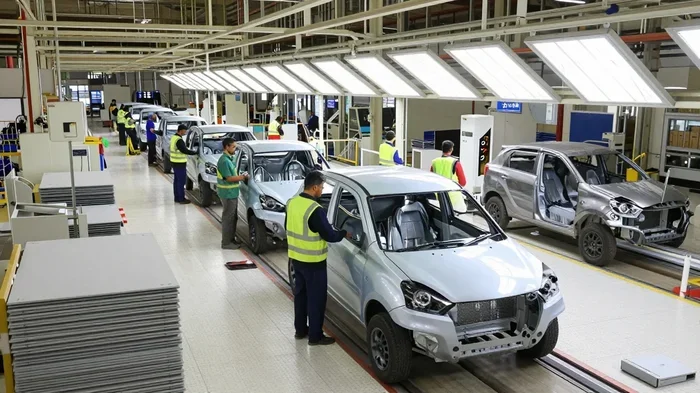
CKD stands for Completely Knocked Down. It means that cars arrive in Pakistan as parts and components in shipping containers. Workers at the car assembly plants then put these parts together locally. This approach is different from importing fully built vehicles, known as CBU (Completely Built Units).
The CKD model has several advantages. It lowers the cost of vehicles because import duties on parts are lower than on finished cars. It also creates local jobs and supports the economy. However, it does limit how much customization is possible.
The Role of Import Duties
Import duties on cars play a huge role in shaping the market. High tariffs on CBU vehicles make them very expensive. This is why most brands prefer CKD assembly. The government uses these duties to protect local industry and encourage domestic production.
But high duties also mean that some brands choose to import fully built vehicles despite the cost. This creates a two-tier market. Affordable cars come through CKD channels, while premium and luxury vehicles often arrive as CBU units.
Local Content and Manufacturing
Over the years, local content in vehicles has increased. This means more parts are sourced from Pakistan rather than imported. Local stamping, painting, and engine assembly are now common at most plants. This shift strengthens the automotive manufacturing ecosystem and reduces reliance on foreign supply chains.
However, challenges remain. Some components, especially advanced electronics and engine parts, still need to be imported. The government continues to work on policies that boost local production and reduce import dependency.
Popular Car Models and Their Price Range
The car market share Pakistan is dominated by a handful of models. These vehicles have won the hearts of Pakistani buyers for good reasons. Let us look at some of the most popular ones.
Hatchbacks: The Budget-Friendly Choice
Hatchbacks are the most popular segment in Pakistan. They are affordable, fuel-efficient, and perfect for city driving. The top contenders include:
- Pak Suzuki Alto — The cheapest and most practical car on the road. Ideal for first-time buyers and daily commuting.
- Pak Suzuki Wagon R — A step up from the Alto with more space and features. Very popular among families.
- Suzuki Swift — A sporty hatchback that offers a fun driving experience. The Suzuki Swift price in Pakistan is competitive for its segment.
- Honda City — Technically a sedan but popular among younger buyers for its style and reliability.
Sedans: The Family Friendly Option
Sedans remain a strong choice for families and professionals. The key models are:
- Honda Civic — A long-time favorite. Known for its smooth ride, safety features, and strong resale value.
- Toyota Yaris — Offers a comfortable ride and generous features. The Toyota Yaris price is competitive in the sedan segment.
- Kia Picanto — A stylish and affordable option that has gained popularity quickly since its launch.
SUVs: The Growing Segment
SUVs are gaining popularity fast in Pakistan. More families want the extra space and commanding road presence. Top SUV models include:
- Toyota Fortuner — A rugged and reliable SUV. The Toyota Fortuner price reflects its premium positioning.
- Honda BR-V — A compact SUV that offers great value for money. Perfect for small families.
- MG HS — A feature-rich SUV from a new brand. The MG HS price is competitive and attractive.
- Kia Sportage — Offers a modern design and strong performance. A serious contender in the SUV segment.
The Rise of New Entrants: Kia and MG
The arrival of Kia Pakistan and MG Pakistan has changed the game. These brands brought fresh energy, modern designs, and competitive pricing. They challenged the dominance of legacy brands and gave consumers more options than ever before.
Why Kia and MG Are Winning Fans
Both Kia and MG understood something important about the Pakistani market. Buyers want value for money. They want modern features, strong warranties, and stylish designs — all at fair prices. And both brands delivered on these promises.
Kia’s long warranty (up to 7 years or 150,000 km) set a new standard. MG’s electric vehicle lineup opened up a whole new category that Pakistanis had not seen before. These moves forced established brands to step up their game.
Challenges They Face
Of course, new entrants face challenges too. Building a service network takes time. Parts availability can be an issue in the early years. And convincing loyal customers to switch brands is never easy. But both Kia and MG have shown strong commitment to the Pakistani market, and their growth trajectory looks promising.
The Future of Car Manufacturing in Pakistan
The future of car manufacturers in Pakistan is exciting and full of possibilities. Several trends are shaping what lies ahead for the industry.
Electric Vehicles Are Coming
Electric vehicles Pakistan is no longer a distant dream. MG has already launched the ZS EV, and more brands are preparing to enter the EV space. The government’s automotive policy Pakistan now includes incentives for EV manufacturing and imports. This signals a clear shift toward cleaner transportation.
However, challenges like charging infrastructure and high upfront costs need to be addressed. Still, the direction is clear — electric mobility is coming to Pakistan, and it is coming fast.
Local Production and Policy Changes
The government continues to refine its automotive policy Pakistan to encourage local production. Incentives for setting up new assembly plants, reduced duties on EV components, and support for local parts manufacturing are all part of the plan. These policies will shape the competitive landscape for years to come.
More Brands, More Competition
The entry of brands like Kia, MG, Renault, and Changan means the market is becoming more competitive. This is great news for consumers. More competition usually leads to better prices, improved quality, and more innovative features. The days of a monopoly-style market are slowly fading away.
What This Means for Buyers
If you are planning to buy a car in Pakistan, now is an exciting time. You have more choices than ever before. Prices are competitive, and the quality of vehicles has improved significantly. Whether you are looking for a budget hatchback or a premium SUV, there is something for everyone in the current market.
Common Mistakes Buyers Make When Purchasing Cars in Pakistan
Buying a car is one of the biggest financial decisions most Pakistanis make. Avoiding common mistakes can save you money and headaches.
Skipping the Research
Many buyers walk into a dealership without doing their homework. They do not compare car prices Pakistan across different brands or check real-world reviews. Always research before you visit a showroom. Know what you want and what you can afford.
Ignoring After-Sales Costs
The sticker price is not the only cost. Factor in maintenance, spare parts, insurance, and fuel efficiency. Some cars are cheap to buy but expensive to maintain. Always calculate the total cost of ownership before making a decision.
Overlooking Resale Value
Cars depreciate, but some depreciate faster than others. Toyota and Honda vehicles generally hold their value well. If you plan to sell your car in a few years, consider the resale value as part of your decision-making process.
Expert Insights on the Pakistani Auto Market
Industry experts agree that the Pakistani auto industry is at a turning point. The entry of new brands, the push toward electric mobility, and evolving government policies are creating a more dynamic market. According to automotive analysts, the next five years will bring significant changes.
“Competition is good for consumers,” says a senior industry analyst. “The arrival of Kia and MG has already forced established brands to improve their offerings and become more price-competitive.”
Another expert adds that the shift toward local assembly plants will continue to accelerate. “As import duties evolve, more brands will likely set up local operations. This benefits the economy and gives consumers better access to quality vehicles at fair prices.”
Conclusion
The world of car manufacturers in Pakistan is diverse, dynamic, and full of potential. From legacy brands like Honda and Toyota to exciting newcomers like Kia and MG, there has never been a better time to buy a car in Pakistan. The automotive sector Pakistan continues to grow, and with it, the choices available to consumers expand every year.
Whether you are a first-time buyer looking for an affordable hatchback or a family searching for a spacious SUV, the current market has something for everyone. Do your research, compare options, and make a decision that fits your budget and lifestyle. The road ahead for car manufacturers in Pakistan looks bright, and buyers are the biggest winners in this evolving story.
Frequently Asked Questions
Who is the largest car manufacturer in Pakistan?
Pak Suzuki Motor Company Limited is currently the largest car manufacturer in Pakistan by volume. Their hatchback models like the Alto and Wagon R dominate the market and are among the most popular vehicles on Pakistani roads.
Which car brand is best in Pakistan?
The best brand depends on your needs. Honda is excellent for reliability and sedans, Toyota leads in SUVs and durability, and Pak Suzuki offers the most affordable options. Newer brands like Kia and MG bring modern features and competitive warranties to the table.
Are Kia cars good for the Pakistani market?
Yes, Kia has made a strong entry into Pakistan with well-designed vehicles and competitive pricing. Their long warranty and modern features make them a compelling choice. The Kia Sportage and Kia Picanto have been well received by Pakistani buyers.
What does CKD mean in car manufacturing?
CKD stands for Completely Knocked Down. It means vehicles are shipped as parts and assembled locally at car assembly plants in Pakistan. This model reduces costs compared to importing fully built vehicles and supports local employment.
Are electric vehicles available from car manufacturers in Pakistan?
Yes, MG Pakistan has launched the MG ZS EV, and more brands are preparing to enter the electric vehicles Pakistan market. The government’s automotive policy includes incentives for EV production, signaling strong support for electric mobility in the country.
How do import duties affect car prices in Pakistan?
High import duties on completely built units make imported cars very expensive. This is why most car manufacturers in Pakistan use CKD assembly. Lower duties on parts keep costs down, but changes in policy can still impact car prices Pakistan buyers see at showrooms.