Car Front Glass Broken Causes Repair and Replacement Tips
A broken car front glass can happen anytime due to road debris, temperature changes, or accidents. This guide covers the top causes, repair versus replacement decisions, costs, insurance tips, and prevention strategies. You will learn exactly what to do when your front windshield breaks and how to keep your car safe and road-ready.
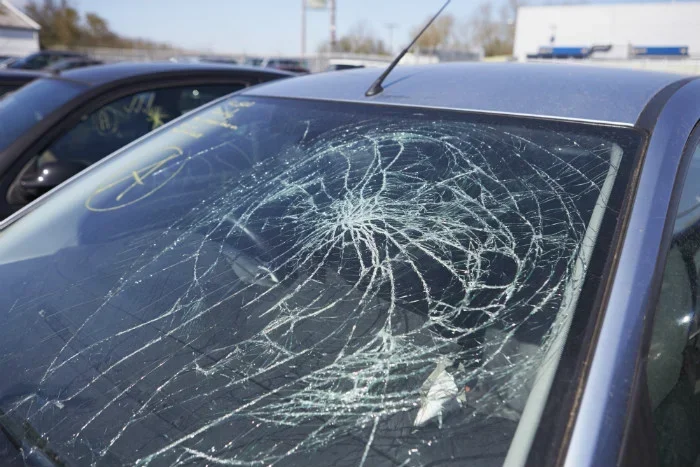
Nothing hits harder than seeing a crack spidering across your car front glass broken in half. Whether it happened from a flying rock on the highway or a sudden temperature shift, a damaged front windshield is stressful. You might wonder if it is a simple fix or a full replacement. More importantly, you probably want to know how much it costs and how fast you can get back on the road.
This guide breaks down everything you need to know about a car front glass broken scenario. We cover the real causes, when to repair versus replace, what the process looks like, and how to prevent it from happening again. Whether you are dealing with a small chip or a full crack, you will find practical advice here.
Let us walk through it together, step by step, so you feel confident making the right decision for your vehicle and your safety.
Key Takeaways
- Know the cause: Understanding why your car front glass broken happens helps you prevent future damage.
- Repair or replace: Small chips can be fixed, but large cracks need full front windshield replacement.
- Cost matters: Replacement costs vary widely based on glass type, vehicle model, and labor.
- Insurance can help: Many policies cover windshield damage with no deductible.
- Safety first: Never drive with a compromised front glass, as it affects structural integrity and airbag function.
- Prevention works: Simple habits like maintaining distance and avoiding temperature extremes reduce risk.
- Professional service wins: Always trust certified technicians for auto glass repair and replacement.
📑 Table of Contents
Why Does a Car Front Glass Break?
A broken front windshield rarely happens without a reason. Most drivers assume it is just bad luck, but there are specific causes behind every crack and chip. Understanding these causes helps you avoid future damage and make smarter choices on the road.
Your front windshield is made of laminated safety glass. This means two layers of glass with a plastic film sandwiched in between. When something hits the glass, the outer layer cracks, but the plastic layer holds the pieces together. This design prevents shards from flying into your car. However, it does not make the glass indestructible.
Road Debris and Flying Objects
The number one cause of a car front glass broken is road debris. Stones, gravel, and loose rubble kick up from other vehicles, especially on highways and construction zones. A small rock traveling at highway speed hits your windshield with tremendous force. Even a tiny pebble can create a chip or crack that spreads over time.
Trucks and commercial vehicles are the worst offenders. They carry loose cargo and kick up more debris. If you follow too closely behind a dump truck or construction vehicle, your front glass takes the brunt of whatever flies off the road.
Temperature Changes and Thermal Stress
Sudden temperature swings put enormous stress on your windshield. Think about pouring hot water on a frozen windshield in winter. Or parking your car under a scorching sun and then blasting the AC at full power. These rapid temperature changes cause the glass to expand and contract unevenly.
Over time, this thermal stress weakens the glass. Existing chips and cracks spread faster in extreme heat or cold. In cold climates, frost and ice scraping add extra pressure. In hot climates, the dashboard absorbs heat and radiates it back into the glass, creating micro-fractures.
Accidents and Collisions
Car accidents are a serious cause of front glass damage. Even low-speed collisions can crack a windshield. The impact from a minor fender-bender sends shockwaves through the vehicle frame, and the windshield absorbs some of that force. In more severe crashes, the front glass shatters completely.
Side impacts and rollover accidents also stress the windshield. During a rollover, the roof presses down on the windshield. A damaged or weakened glass is more likely to break during these events, which compromises the structural integrity of the car.
Manufacturing Defects and Poor Installation
Sometimes, the glass itself is the problem. Manufacturing defects like tiny bubbles, uneven thickness, or weak spots can cause spontaneous cracking. These cracks often appear without any obvious impact.
Poor installation during a previous replacement also causes problems. If the windshield is not bonded properly, vibrations from driving create stress points. Over weeks or months, these stress points turn into cracks. This is why choosing a certified technician for any front windshield replacement matters so much.
Common Types of Car Front Glass Damage
Not all windshield damage looks the same. Different types of damage require different solutions. Knowing what kind of damage you have helps you decide the best course of action.
Windshield Chips
A chip is a small piece of glass missing from the surface. It usually looks like a tiny crater or dot. Chips are often caused by small rocks and debris. They are the easiest type of damage to fix. A quick auto glass repair can fill the chip and restore most of the structural strength.
The key is to fix chips early. If you ignore a chip, moisture seeps in and the damage spreads. What starts as a tiny dot can become a long crack within days or weeks.
Windshield Cracks
Cracks are longer lines of damage that run through the glass. They can be thin hairline cracks or deep, wide fractures. Cracks usually start from a chip that was not repaired. Once a crack forms, it is only a matter of time before it spreads across the entire windshield.
There are several types of cracks. Stress cracks happen from temperature changes. Impact cracks come from a direct hit. Edge cracks start at the rim of the windshield and work inward. Each type has different repair possibilities.
Bullseye and Star Breaks
A bullseye break looks like a circle with a dark center. It forms when a round object, like a ball bearing or a large stone, hits the glass at a perpendicular angle. Star breaks radiate outward from the impact point like a star shape. Both types are common forms of a car front glass broken and usually require professional attention.
Combination Breaks
Combination breaks mix different damage patterns. You might see a chip with a crack shooting out of it, or a bullseye with star rays. These are the most complex types of damage. They often require full front windshield replacement because the structural integrity is compromised in multiple places.
Repair vs Replacement: What You Need to Know
One of the biggest decisions after a car front glass broken event is whether to repair or replace. Not every damaged windshield needs full replacement. In many cases, a simple repair saves you money and time. But knowing the line between repairable and non-repairable damage is critical.
When Repair Is Possible
Windshield repair works well for small, contained damage. Here are the general rules for when a repair is sufficient:
- The chip or crack is smaller than three inches in length.
- The damage is not in the driver’s direct line of sight.
- The damage does not extend to the edges of the windshield.
- There are no more than three separate damage points.
- The damage is not deep enough to go through both layers of glass.
Auto glass repair involves injecting a clear resin into the damaged area. The resin fills the crack or chip and cures under UV light. This process restores the structural integrity and improves visibility. A good repair is nearly invisible and can last the lifetime of the vehicle.
When Replacement Is Necessary
Sometimes repair simply is not enough. Full replacement becomes necessary when:
- The crack is longer than three inches.
- The damage is in the driver’s critical sight line.
- The crack extends to the edge of the windshield.
- Multiple cracks spread across the glass.
- The damage goes through both layers of the laminated glass.
- The windshield has been previously repaired in the same area.
Replacement involves removing the damaged windshield entirely and installing a new one. The technician uses special adhesive to bond the new glass to the car frame. This process takes about one to two hours, and you should wait at least one hour before driving, though full adhesive curing takes 24 to 48 hours.
Comparison Table: Repair vs Replacement
| Factor | Repair | Replacement |
|---|---|---|
| Cost | $50 to $150 | $200 to $450 |
| Time Needed | 30 minutes | 1 to 2 hours |
| Damage Size | Under 3 inches | Over 3 inches or multiple cracks |
| Location of Damage | Away from edges and sight line | In driver’s sight line or near edges |
| Structural Integrity | Restored to near original | Fully restored with new glass |
| Insurance Coverage | Usually covered | Usually covered |
| Longevity | Good, but can re-crack | Full lifespan of new glass |
Always get a professional assessment before deciding. A certified auto glass technician can examine the damage and recommend the best option for your specific situation.
The Front Windshield Replacement Process
If your car front glass broken requires full replacement, knowing what to expect helps reduce anxiety. The process is straightforward when handled by a professional. Here is a step-by-step look at what happens during a typical front windshield replacement.
Step 1: Assessment and Measurement
The technician starts by examining the damage and measuring your windshield. Every car model has a slightly different windshield shape and size. They take precise measurements to ensure the replacement glass fits perfectly. They also check for any damage to the car frame or pinch weld around the glass.
Step 2: Removing the Old Windshield
Next, the technician carefully removes the damaged windshield. They use special tools to cut through the old adhesive bond without damaging the car frame. The old glass is safely removed and disposed of. This step requires precision because the frame needs to be clean and smooth for the new glass to bond properly.
Step 3: Preparing the Frame
Before installing the new glass, the technician cleans and prepares the frame. They remove any old adhesive residue and apply a primer and urethane adhesive to the frame. This adhesive creates a strong bond between the car and the new windshield. It also plays a crucial role in the structural integrity of the roof during a rollover.
Step 4: Installing the New Windshield
The new windshield is carefully placed into the frame. The technician presses it firmly into the adhesive and ensures proper alignment. They check the fit from all angles, making sure there are no gaps or misalignments. The adhesive needs time to cure, and the technician will give you specific instructions for this waiting period.
Step 5: Curing and Final Check
After installation, the adhesive needs time to cure fully. Most technicians use a fast-cure adhesive that allows safe driving within one hour. However, full curing takes 24 to 48 hours. During this time, avoid washing your car, rolling down the windows fully, or driving over speed bumps too fast. The technician will do a final check to make sure everything is secure and the glass is properly sealed.
OEM vs Aftermarket Windshield Glass
When replacing your front windshield, you have two main options: OEM glass and aftermarket glass. OEM stands for Original Equipment Manufacturer. This glass is made by the same company that supplied the original windshield for your car. It matches the exact specifications, including thickness, curvature, and tint.
Aftermarket glass is made by third-party manufacturers. It meets safety standards but may differ slightly in fit, tint shade, or thickness. OEM glass costs more but offers a perfect fit and factory-quality clarity. Aftermarket glass is more affordable and works well for most vehicles. Choose based on your budget and how important exact OEM specifications are for your car.
Cost of Fixing a Broken Car Front Glass
Cost is one of the biggest concerns when dealing with a car front glass broken situation. The price varies a lot depending on several factors. Understanding what drives the cost helps you budget and avoid surprises.
Factors That Affect Replacement Cost
- Vehicle make and model: Luxury and rare vehicles cost more because the glass is custom-made. Common models have more affordable glass options.
- Glass type: OEM glass costs more than aftermarket glass. Smart windshields with built-in sensors or rain detectors add to the price.
- ADAS features: Many modern cars have Advanced Driver Assistance Systems built into the windshield. Replacing these requires ADAS calibration, which adds $200 to $500 to the total cost.
- Location of repair shop: Prices vary by region. Urban areas tend to cost more than rural areas.
- Labor charges: Experienced technicians charge more, but they also do higher-quality work that lasts longer.
Average Cost Breakdown
For most standard vehicles, a front windshield replacement costs between $200 and $450 including labor. Premium vehicles or those with ADAS features can cost $500 to $1,000 or more. Repair costs are much lower, typically ranging from $50 to $150 for a single chip or small crack.
Some shops offer mobile windshield replacement services. A technician comes to your location, which adds convenience but may include a small travel fee. Compare prices from at least three providers before making a decision.
Does Insurance Cover Windshield Damage?
Most comprehensive auto insurance policies cover windshield damage. Many insurers offer glass repair or replacement with no deductible. This means you pay nothing out of pocket. Check your policy details or call your insurance provider to confirm your coverage.
If you have glass coverage, the process is simple. You file a claim, get an estimate from a certified shop, and the insurance company pays directly. This makes fixing a car front glass broken much more affordable than paying entirely out of pocket.
Expert Insight
Insurance experts recommend filing a glass claim even for small repairs. It does not affect your premiums in most cases, and it prevents small damage from becoming a larger, more expensive problem. Always keep your insurance card and policy number handy when you get a windshield damaged.
How to Prevent Windshield Damage
Prevention is always better than repair. While you cannot eliminate every risk, simple habits significantly reduce the chances of your car front glass broken. Here are proven strategies to protect your windshield.
Maintain Safe Following Distance
The farther you stay behind other vehicles, the less debris hits your windshield. Keep a safe following distance of at least three to four seconds on highways. This gives you more reaction time and reduces the chance of rocks and gravel flying up from the vehicle ahead.
Avoid Driving in Construction Zones When Possible
Construction zones are hotspots for loose gravel and debris. If you can take an alternate route, do so. If you must drive through a construction zone, slow down and increase your following distance. Construction vehicles are especially likely to kick up rocks.
Protect Your Car from Temperature Extremes
Park in a garage or shaded area whenever possible. Avoid pouring hot water on a frozen windshield in winter. Instead, use a proper ice scraper and let the defroster warm the glass gradually. In summer, crack your windows slightly before turning on the AC at full blast to reduce thermal shock.
Replace Worn Wipers Regularly
Worn wiper blades scratch the windshield surface over time. Metal exposed wiper frames are especially damaging. Replace your wiper blades every six to twelve months. Clean your windshield regularly with a quality glass cleaner to remove dirt and grit that can cause micro-scratches.
Use a Windshield Sun Shade
A sun shade reduces the heat buildup inside your car. This minimizes thermal stress on the windshield and also protects your dashboard from sun damage. It is a small investment that pays off in extending the life of your auto glass.
Fix Small Chips Immediately
This cannot be stressed enough. A small chip is cheap and easy to repair. Ignoring it lets moisture and dirt enter the damage, causing it to spread. A quick repair costs a fraction of what a replacement costs. Many shops offer free chip repairs with an insurance claim.
Quick Tips for Windshield Care
- Wash your windshield regularly, especially after driving on gravel roads.
- Avoid slamming car doors, as the vibration travels through the frame to the glass.
- Do not place heavy objects on the dashboard, as they can become projectiles in a sudden stop.
- Check your windshield for small chips during regular car washes.
- Choose a reputable auto glass shop with certified technicians for any repair or replacement.
Common Mistakes People Make With Broken Windshields
Many drivers make preventable mistakes when dealing with a car front glass broken situation. Avoiding these common errors saves time, money, and keeps you safe.
Mistake 1: Ignoring small chips. A tiny chip seems harmless, but it spreads fast. What costs $50 to repair today can cost $400 to replace next week.
Mistake 2: Driving with a cracked windshield. A cracked windshield weakens the structural integrity of your car. In a collision, it may not support the roof properly. It also blocks your view and can get worse from road vibrations.
Mistake 3: Choosing the cheapest option. The lowest price does not always mean the best value. Poor-quality glass or bad installation leads to leaks, wind noise, and premature failure. Always check reviews and certifications before choosing a shop.
Mistake 4: Skipping ADAS calibration. If your car has Advanced Driver Assistance Systems, replacing the windshield without recalibrating the sensors is dangerous. The cameras and sensors need precise alignment to function correctly. Always choose a shop that offers ADAS calibration as part of the replacement process.
Mistake 5: Waiting too long after replacement. The adhesive needs proper curing time. Driving your car too soon or going through a car wash before the adhesive sets can cause the windshield to shift. Follow your technician’s aftercare instructions carefully.
Conclusion
A car front glass broken is a stressful experience, but it does not have to be overwhelming. Now you know the real causes, the types of damage, and exactly when to repair versus replace. You understand the replacement process, what drives the cost, and how insurance can help. Most importantly, you have practical prevention strategies that reduce the risk of future damage.
Your front windshield is more than just a piece of glass. It is a critical safety component that protects you in collisions, supports the roof structure, and houses important sensors and cameras. Treat it with care, fix damage promptly, and always trust certified professionals for repairs and replacements.
Take action today. If you have a chip or crack, get it assessed immediately. If replacement is needed, compare quotes from reputable shops and check your insurance coverage. A small investment now saves you from bigger problems later. Keep your windshield in great shape, and your car will stay safe and road-ready for miles to come.
Frequently Asked Questions
How long does it take to replace a car front glass?
A professional front windshield replacement typically takes one to two hours for the actual installation. However, you should wait at least one hour before driving and allow 24 to 48 hours for the adhesive to fully cure. Mobile replacement services can come to your location, saving you a trip to the shop.
Can a cracked windshield be repaired instead of replaced?
It depends on the size, location, and depth of the crack. Small cracks under three inches, especially those away from the edges and the driver’s sight line, are often repairable. Larger cracks, cracks near the edges, or cracks in the driver’s direct view usually require full replacement. A certified technician can assess your specific damage and recommend the best option.
Does car insurance cover front windshield replacement?
Most comprehensive auto insurance policies cover windshield damage, often with no deductible. Glass repair and replacement are typically included as part of comprehensive coverage. Contact your insurance provider to confirm your specific policy details and start the claims process if needed.
How much does it cost to replace a car front windshield?
The cost ranges from $200 to $450 for most standard vehicles. Luxury cars, vehicles with ADAS features, or those requiring OEM glass can cost $500 to $1,000 or more. Repairing a small chip or crack costs significantly less, usually between $50 and $150. Always get multiple quotes from certified auto glass shops.
Is it safe to drive after a windshield replacement?
You can drive after waiting at least one hour following the replacement, as recommended by most technicians. However, avoid high-pressure car washes, rolling down windows fully, and driving over speed bumps for the first 24 to 48 hours. This allows the adhesive to cure properly and ensures a secure bond.
What causes a windshield to crack without any visible impact?
Temperature changes, thermal stress, and manufacturing defects can cause spontaneous cracking. Existing chips or stress points from previous damage can also develop into cracks over time. If your windshield cracks without an obvious impact, have it inspected by a professional to determine the cause and the best repair solution.