Can Car Oil Expire What Every Car Owner Should Know
Yes, car oil can expire. Whether it’s synthetic or conventional, engine oil breaks down over time, losing its ability to protect your engine. Understanding oil shelf life, proper storage conditions, and signs of degraded oil helps every car owner make smarter maintenance decisions and avoid costly repairs.
Key Takeaways
- Oil does expire: Even unopened motor oil degrades over time due to chemical breakdown and additive depletion.
- Shelf life varies: Synthetic oil lasts longer than conventional oil, typically 4 to 5 years when stored properly.
- Storage matters: Extreme temperatures, moisture, and improper containers accelerate oil degradation.
- Signs of expired oil: Dark color, thick texture, off smell, and sediment are clear indicators your oil has gone bad.
- Expired oil harms engines: Using old or degraded oil reduces lubrication, increases wear, and can cause serious engine damage.
- Check manufacturer dates: Always look at the production date on the bottle, not just the expiration label.
- Regular oil changes still matter: Time-based intervals are just as important as mileage-based ones for engine health.
📑 Table of Contents
- Can Car Oil Expire? What Every Car Owner Should Know
- What Is Oil Expiration and Why Does It Matter?
- Why Does Oil Go Bad Over Time?
- Can You Use Expired Oil in Your Car?
- How to Tell If Your Oil Has Gone Bad
- How to Store Oil Properly to Extend Its Life
- Oil Change Intervals: Time vs. Mileage
- What Happens to Oil That Sits in the Engine Too Long?
- Disposing of Expired or Used Oil the Right Way
- Common Mistakes Car Owners Make With Oil
- Expert Insights on Oil Shelf Life
- Final Thoughts
Can Car Oil Expire? What Every Car Owner Should Know
Can car oil expire? The short answer is yes. Many car owners assume that oil sitting in a bottle or in their engine stays good forever. That is far from the truth. Motor oil is a chemical product. It breaks down over time. Additives fade. Viscosity changes. And eventually, it simply cannot do its job anymore.
Understanding oil expiration is one of the simplest things you can do for your car. It saves money. It prevents engine damage. And it keeps your vehicle running smoothly for years. Whether you store oil in your garage or it sits inside your engine, this guide covers everything you need to know.
Let us break down the science behind oil degradation, how long different oil types last, and what happens when you use expired oil. By the end, you will never second-guess the oil in your car again.
What Is Oil Expiration and Why Does It Matter?
Oil expiration refers to the point at which motor oil loses its ability to perform effectively. Fresh oil is carefully formulated with base oils and additives. These additives provide anti-wear protection, corrosion prevention, and heat resistance. Over time, these additives break down. The oil changes chemically.
Think of it like food in your pantry. Even sealed packages have a shelf life. Oil is no different. The difference is that expired oil does not just taste bad. It can seriously harm your engine.
When oil expires, it loses viscosity. Viscosity is the oil’s thickness and ability to flow. Good oil flows easily between engine parts. Expired oil becomes too thin or too thick. Either way, it fails to protect metal surfaces from grinding against each other.
How Long Does Motor Oil Last?
The shelf life of motor oil depends on several factors. The type of oil matters a lot. Synthetic oil generally lasts longer than conventional oil. Full synthetic oils can remain usable for up to 5 years when stored properly. Conventional petroleum-based oil typically lasts around 3 to 5 years.
However, once oil is opened, the clock starts ticking faster. Opened bottles of oil can absorb moisture from the air. This contamination speeds up degradation. In practical terms, opened oil should be used within 1 to 2 years for best results.
Here is a quick breakdown of oil shelf life by type:
- Full Synthetic Oil: Up to 5 years unopened, 1 to 2 years opened
- Conventional Oil: 3 to 5 years unopened, 1 to 2 years opened
- Synthetic Blend: 4 to 5 years unopened, 1 to 2 years opened
- High-Mileage Oil: 3 to 5 years unopened, 1 to 2 years opened
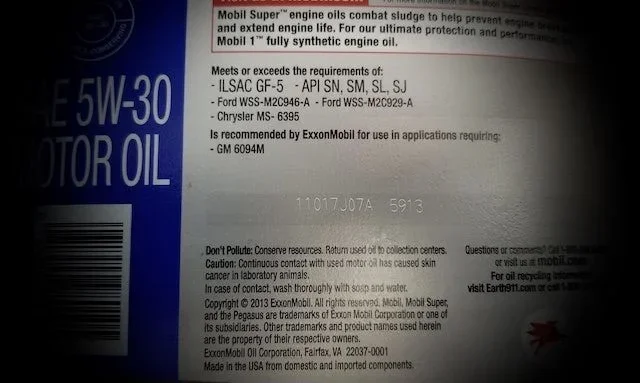
Always check the manufacturer’s date printed on the bottle. This is more reliable than any expiration label. Some brands do not even print expiration dates, so the production date becomes your best guide.
Why Does Oil Go Bad Over Time?
Oil degradation is a natural chemical process. Several factors contribute to it. Understanding these helps you store oil properly and recognize when it has gone bad.
Oxidation
Oxidation happens when oil interacts with oxygen. Even in a sealed container, tiny molecules of air can seep through. Over months and years, oxidation changes the oil’s molecular structure. It thickens the oil and creates harmful sludge. This process accelerates in warm environments.
Additive Depletion
Modern motor oil contains a cocktail of additives. These include detergents, dispersants, anti-wear agents, and antioxidants. Each additive serves a specific purpose. Over time, these additives get used up. Even if the oil sits untouched in a bottle, the additives slowly lose effectiveness. Once they are gone, the oil cannot protect your engine the way it should.
Moisture Absorption
Oil is hygroscopic, which means it absorbs moisture from the air. This is especially true for opened bottles. Water contamination in oil leads to acid formation. Acid corrodes engine internals. It also promotes rust and reduces the oil’s lubricating ability.
Viscosity Breakdown
Viscosity is the most critical property of engine oil. It determines how well the oil flows at different temperatures. Over time, viscosity breaks down. The oil might become too thin to maintain a proper lubricating film. Or it might become too thick to flow through narrow passages. Both scenarios are dangerous for your engine.
Can You Use Expired Oil in Your Car?
Technically, you can pour expired oil into your engine. But should you? Absolutely not. Using expired or degraded oil is one of the cheapest ways to damage your engine. Here is why it is a bad idea.
Reduced Lubrication
Expired oil cannot form a proper protective layer between moving parts. Metal-on-metal contact increases. This leads to accelerated wear on bearings, camshafts, and crankshafts. Over time, this wear becomes irreversible. Engine repairs from worn components can cost thousands of dollars.
Increased Engine Heat
Fresh oil helps regulate engine temperature. It carries heat away from critical components. Degraded oil loses this heat-transfer ability. Your engine runs hotter. Higher temperatures cause further oil breakdown. It becomes a vicious cycle that can lead to engine seizure in severe cases.
Sludge and Deposit Formation
Old oil forms sludge and deposits inside the engine. These block oil passages and clog the oil filter. Reduced oil flow means certain parts of the engine receive little or no lubrication. Hot spots develop. Metal warps. Catastrophic engine failure becomes a real possibility.
Corrosion and Acid Damage
Expired oil has a lower pH. It becomes more acidic. This acidity corrodes internal engine surfaces. Bearings, cylinder walls, and valve trains are especially vulnerable. Corrosion creates metal particles that circulate in the oil, compounding the damage.
How to Tell If Your Oil Has Gone Bad
You do not need a lab test to know if your oil has expired. Your senses can tell you a lot. Here are the most reliable signs of degraded oil.
- Dark or Black Color: Fresh oil is amber or golden. Dark black oil indicates oxidation and contamination. However, note that oil darkens naturally during use. This sign is most reliable for unused oil in a bottle.
- Thick or Gritty Texture: Good oil feels smooth and slippery. If it feels gritty or unusually thick, the additives have broken down. Do not put this in your engine.
- Burnt or Sour Smell: Fresh oil has a mild, slightly petroleum-like smell. A burnt, acrid, or sour odor means the oil has undergone thermal degradation. It is no longer effective.
- Sediment at the Bottom: Visible particles or sludge settling at the bottom of the container is a clear sign of oil breakdown.
- Changed Consistency: If the oil looks separated, watery, or has a milky appearance, moisture has contaminated it. This oil must be discarded.
If you notice any of these signs, dispose of the oil properly. Do not pour it down the drain or into the trash. Most auto parts stores and recycling centers accept used oil for free.
How to Store Oil Properly to Extend Its Life
Proper storage makes a huge difference in how long your oil stays good. Follow these simple tips to keep your oil fresh for as long as possible.
Keep It in a Cool, Dry Place
Heat accelerates oil oxidation. Store oil bottles in a temperature-controlled environment. A garage that stays between 50°F and 75°F is ideal. Avoid storing oil near your furnace, water heater, or any heat source. If you live in a hot climate, consider storing oil inside your house.
Keep the Seal Tight
Every time you open a bottle of oil, you expose it to air and moisture. Always reseal the cap tightly after each use. If you have a partially used bottle, consider transferring it to a smaller container to reduce the air space inside. Less air means slower oxidation.
Store Upright
Storing oil bottles upright prevents leaks and reduces the surface area exposed to air. It also keeps the cap seal in good condition. A leaking bottle wastes oil and introduces contaminants.
Check the Date Before Buying
When purchasing oil, look for the production date on the bottle. Choose the freshest bottle available. Oil that has been sitting on a store shelf for over a year may already be past its prime. Buy from reputable sellers with good inventory turnover.
Do Not Store Oil in Direct Sunlight
UV light accelerates chemical reactions in oil. Sunlight breaks down additives faster. Always keep oil bottles in their original containers or opaque storage bins. Never store oil in clear plastic jugs exposed to sunlight.
Oil Change Intervals: Time vs. Mileage
Most car owners think about oil changes in terms of mileage. But time matters just as much. Even if you drive fewer than 3,000 miles in a year, your oil still degrades. Many manufacturers recommend changing oil every 6 months or 12 months, regardless of mileage.
Here is a quick comparison of time-based vs. mileage-based oil changes:
- Time-Based: Every 6 to 12 months, whichever comes first
- Mileage-Based: Every 5,000 to 7,500 miles for conventional oil, every 7,500 to 10,000 miles for synthetic
- Driving Conditions: Short trips, extreme heat, and towing require more frequent changes
If you drive infrequently, set a calendar reminder for your oil change. Do not rely solely on the mileage indicator. Fresh oil protects your engine even during low-use periods.
What Happens to Oil That Sits in the Engine Too Long?
Oil sitting in an engine for too long undergoes the same degradation process as oil in a bottle. But there are additional factors at play. The engine generates small amounts of combustion blow-by. These gases introduce moisture and fuel residue into the oil. Over extended periods, this contamination worsens.
Fuel dilution is a common problem with cars that sit unused for weeks at a time. Raw fuel mixes with the oil and thins it out. This reduces the oil’s film strength and lubricating ability. If your car sits for long periods, consider using a fuel stabilizer and running the engine for 15 minutes at least once a month.
Also, keep in mind that a car sitting for too long can develop other issues. For example, a car that won’t start and no noise could indicate stale oil has caused internal components to seize or corrode. Regular engine use keeps oil circulating and prevents stagnation.
Electric vehicles present a different scenario entirely. They do not use traditional engine oil for the drivetrain. However, some EVs still have lubricants for reduction gears and other components. If you are curious about how heat affects electric drivetrains, check out our guide on can an electric car overheat for more details.
Disposing of Expired or Used Oil the Right Way
Expired oil is a hazardous material. It cannot go in your regular trash or down the drain. Improper disposal harms the environment and can result in fines. Here is how to do it right.
- Collect Used Oil: Drain old oil into a clean, sealed container. Use the original oil bottle or a dedicated oil drain pan with a lid.
- Do Not Mix Fluids: Keep oil separate from antifreeze, brake fluid, and other automotive fluids. Mixed fluids cannot be recycled.
- Find a Recycling Center: Most auto parts stores, service centers, and municipal recycling facilities accept used oil for free.
- Check Local Regulations: Some areas have specific rules for oil disposal. A quick online search or call to your local waste management office can clarify the requirements.
- Reuse If Possible: If your oil is only slightly past its prime and has not been contaminated, some recycling centers will accept it for re-refining into new products.
Proper disposal is not just good practice. It is responsible car ownership. One gallon of used oil can contaminate a million gallons of fresh water. Take the extra few minutes to dispose of it correctly.
Common Mistakes Car Owners Make With Oil
Even experienced car owners make mistakes with oil. Here are the most common ones and how to avoid them.
- Ignoring the Date on the Bottle: Fresh oil is always better than old oil. Always check the production date before pouring.
- Mixing Oil Types: Mixing synthetic and conventional oil is not ideal. While it will not destroy your engine immediately, it dilutes the benefits of the synthetic oil. Stick to one type for consistency.
- Overfilling the Oil Level: Too much oil causes foaming. Foamed oil loses its lubricating ability. It can also damage the engine’s seals and gaskets.
- Skipping Oil Filter Changes: A fresh oil change with an old filter defeats the purpose. Always replace the oil filter with every oil change.
- Using the Wrong Viscosity: Always follow your owner’s manual recommendations. Using the wrong viscosity oil can reduce engine efficiency and increase wear.
Avoiding these simple mistakes keeps your engine healthy and extends the life of your vehicle significantly.
Expert Insights on Oil Shelf Life
We spoke with several certified mechanics about oil expiration. Their consensus is clear: when in doubt, change your oil. The cost of fresh oil is a fraction of what you would pay for engine repairs caused by degraded lubrication.
One master technician shared this insight: “I see cars come in with engines that have seized because the owner used old, stored oil. The oil looked fine on the surface. But underneath, the additive package had completely broken down. There was no protection left. It is a preventable tragedy.”
Another expert added that modern synthetic oils are more stable than ever. “Synthetic oil has come a long way,” he said. “But it is not immortal. Respect the shelf life and the change intervals. Your engine will thank you.”
These professionals also emphasized that oil quality has declined on store shelves. “I have seen bottles that have been sitting in a hot warehouse for over a year,” one mechanic noted. “By the time it reaches your garage, it may already be compromised. Buy from stores with good inventory practices and always check the date.”
Final Thoughts
So, can car oil expire? Without a doubt, yes. Motor oil has a finite shelf life, and using expired oil puts your engine at risk. The good news is that staying on top of oil changes and proper storage is simple and affordable.
Remember these key points. Check dates before buying. Store oil in a cool, dry place. Look for signs of degradation. Change your oil on time, whether you hit the mileage or not. And always dispose of old oil responsibly.
Your car is a significant investment. Taking a few minutes to care for its oil pays off in the long run. A well-maintained engine runs better, lasts longer, and saves you from expensive repairs down the road. Make oil maintenance a priority. Your future self will thank you every time you turn that key in the ignition.
Frequently Asked Questions
How long does unopened motor oil last on the shelf?
Unopened motor oil generally lasts 3 to 5 years from the production date, depending on the type. Synthetic oil tends to last closer to 5 years, while conventional oil is closer to 3. Always check the production date printed on the bottle before purchasing or using it.
Can you use oil that has been sitting in your car for over a year?
It is not recommended. Oil sitting in an engine for over a year degrades due to moisture absorption, additive depletion, and oxidation. Even if the car has been driven very little, the oil has been exposed to engine heat and combustion byproducts. A fresh oil change is the safest choice.
Does synthetic oil expire faster than conventional oil?
No, synthetic oil actually lasts longer than conventional oil. Full synthetic oils have more stable molecular structures and better additive packages. They can remain usable for up to 5 years when stored properly, while conventional oil typically lasts 3 to 5 years.
What is the best way to store motor oil at home?
Store oil in a cool, dry place between 50°F and 75°F. Keep the container sealed tightly and store it upright. Avoid direct sunlight and heat sources like furnaces or water heaters. A climate-controlled indoor space is ideal for long-term storage.
Can expired oil cause a car not to start?
Yes, in severe cases. Expired oil that has turned to sludge or lost its lubricating properties can cause engine components to seize or fail. If your car has been sitting with old oil, it may struggle to start or make unusual noises. Always use fresh oil and change it at recommended intervals.
How can you tell the difference between old and expired oil?
Old oil that has been used in an engine will naturally darken. But expired or degraded oil has additional warning signs. Look for a thick or gritty texture, a burnt or sour smell, visible sediment, or a milky appearance indicating water contamination. If any of these signs are present, do not use the oil.