Are Toyota Oil Filters Good Enough To Protect Your Engine
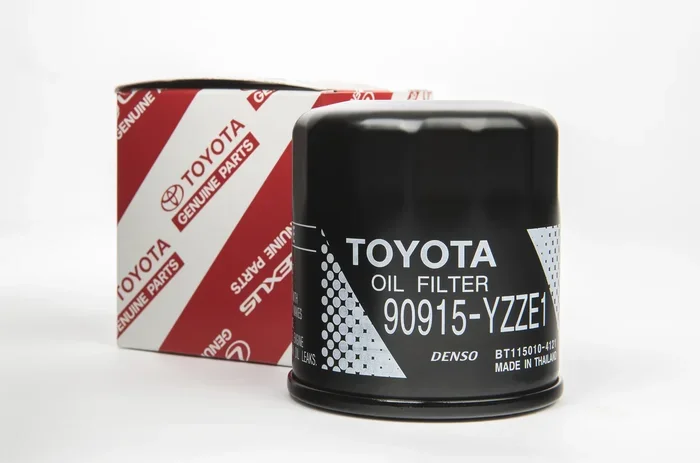
Toyota oil filters are widely regarded as high-quality OEM components designed specifically for Toyota engines. They offer reliable filtration, proper oil flow rates, and excellent compatibility that aftermarket filters sometimes struggle to match. Whether you own a Camry, RAV4, or Tacoma, choosing the right Toyota oil filter matters for long-term engine health and performance.
Toyota oil filters play a bigger role in engine health than most car owners realize. These small but mighty components are responsible for keeping your engine oil clean, which directly impacts how well your engine runs and how long it lasts. If you own a Toyota, you have probably wondered whether the factory oil filters are really worth buying, or if a cheaper aftermarket option would work just as well.
The truth is, Toyota oil filters are designed with your specific engine in mind. Every filter goes through rigorous testing to meet Toyota’s exact standards for filtration efficiency, oil flow, and durability. This means when you use a genuine Toyota oil filter, you are giving your engine the best possible protection against dirt, metal particles, and other contaminants that cause wear over time. Toyota oil filters are built to work seamlessly with your engine’s oil system, ensuring consistent performance mile after mile.
In this article, we will break down everything you need to know about Toyota oil filters. We will look at how they work, what makes them different from aftermarket options, how often you should replace them, and whether they are truly worth the investment. By the end, you will have a clear answer on whether Toyota oil filters are good enough to protect your engine for years to come.
Key Takeaways
- OEM Quality: Toyota oil filters are engineered specifically for Toyota engines, ensuring proper fit and filtration.
- Engine Protection: They effectively capture contaminants and reduce engine wear over time.
- Worth the Price: Toyota genuine oil filters are competitively priced compared to premium aftermarket brands.
- Easy Replacement: Most Toyota oil filters are simple to swap out at home or at a dealership.
- Regular Changes Matter: Following Toyota’s maintenance schedule maximizes engine longevity and performance.
- Aftermarket Alternatives Exist: Quality aftermarket filters can work, but OEM Toyota filters offer the best guarantee of compatibility.
📑 Table of Contents
What Makes Toyota Oil Filters Special
Toyota oil filters stand out for several important reasons. They are not generic filters slapped onto a shelf. Each one is purpose-built for specific Toyota models and engine types. Here is what sets them apart from the competition.
Engine-Specific Design
Toyota engineers design every oil filter to match the exact specifications of a particular engine. Whether you drive a 2.5-liter four-cylinder Camry or a 5.7-liter V8 Tundra, the oil filter is sized, shaped, and calibrated for that engine’s oil flow and pressure requirements. This level of precision means the filter captures contaminants efficiently without restricting oil flow, which is critical for engine lubrication.
Aftermarket filters sometimes use a one-size-fits-all approach. While they may work in many engines, they often do not match the exact tolerances of a Toyota powerplant. This can lead to slightly reduced filtration or imperfect sealing, which over time can cause problems. Toyota genuine oil filters eliminate that risk entirely because they are built for your engine and only your engine.
High-Quality Filtration Media
The inside of an oil filter contains a filtration medium that traps tiny particles as oil passes through. Toyota uses high-grade filter media that captures particles as small as 10 to 20 microns. To put that in perspective, a human hair is about 70 microns wide. So Toyota filters are catching particles far smaller than what you can see with the naked eye.
This fine filtration helps prevent abrasive particles from circulating through your engine. Over thousands of miles, even tiny particles can cause significant wear on cylinder walls, bearings, and other精密 internal components. Toyota oil filters are designed to keep your oil clean for the entire interval between changes, which is typically 5,000 to 10,000 miles depending on your model and driving conditions.
Anti-Drain Back Valve Technology
One feature that many budget filters skip is the anti-drain back valve. This small but important component prevents oil from draining back into the oil pan when the engine is turned off. Without it, your engine has to wait for oil to refill the filter before proper lubrication begins when you start the car.
Toyota oil filters include this valve as standard. That means the moment you turn your key or press the push-start button, oil is already flowing through the filter and reaching critical engine components. This is especially important in the first few seconds of operation, which is when most engine wear occurs. If you have ever wondered whether you are supposed to hold the push start button, the answer is usually no, but ensuring your oil filter is working properly is just as important for engine health.
Bypass Valve for Safety
Toyota oil filters also include a bypass valve. This valve opens if the filter becomes clogged, allowing oil to flow around the filter and continue reaching the engine. Without a bypass valve, a clogged filter could starve your engine of oil, which can cause catastrophic damage in a matter of seconds.
The bypass valve is a safety net. It ensures that even in extreme conditions, your engine always has oil flowing through it. Toyota includes this feature in every genuine oil filter, which shows their commitment to engine protection and reliability.
How Toyota Oil Filters Work
Understanding how an oil filter works helps you appreciate why quality matters. The process is straightforward but incredibly important for engine longevity.
When your Toyota engine is running, oil circulates through the engine, picking up heat, combustion byproducts, and microscopic metal particles. This dirty oil then flows into the oil filter, where it passes through the filtration media. The filter media traps contaminants while allowing clean oil to pass through and return to the engine.
Clean oil then flows back into the engine, lubricating pistons, bearings, camshafts, and other moving parts. This cycle repeats thousands of times every time you drive. Over time, the filter media accumulates debris, which is why regular replacement is essential.
Toyota oil filters are designed to handle this cycle efficiently for the entire recommended oil change interval. The filter media has enough capacity to hold a significant amount of contaminants without becoming restricted. This means consistent oil flow and consistent engine protection from the first mile to the last mile before your next oil change.
One thing that many Toyota owners overlook is the condition of the oil filter housing and gasket. When installing a new Toyota oil filter, always make sure the old gasket is completely removed from the housing. A leftover gasket can cause leaks, which leads to low oil levels and potential engine damage. This is a simple step that can save you from costly repairs down the road.
Toyota Oil Filters vs. Aftermarket Options
The aftermarket oil filter market is huge, and you have probably seen brands like Fram, WIX, and Mobil 1 at your local auto parts store. So how do they compare to genuine Toyota oil filters? Let us break it down.
Quality and Fitment
Toyota genuine oil filters offer a perfect fit every time. The dimensions, thread pitch, and sealing surface are all matched to Toyota specifications. Aftermarket filters vary in quality. Some premium aftermarket brands like Mobil 1 and WIX produce excellent filters that are very close to OEM quality. However, budget aftermarket filters can sometimes have slight dimensional variations that affect sealing or filtration performance.
When you buy a Toyota oil filter, you know exactly what you are getting. There is no guesswork. The filter will seat properly, seal without leaks, and perform exactly as Toyota intended. For many owners, this peace of mind is worth the small price difference compared to budget aftermarket options.
Price Comparison
Toyota genuine oil filters typically cost between $8 and $15, depending on the model. Premium aftermarket filters from brands like Mobil 1 or Bosch usually cost a similar amount, sometimes slightly less. Budget aftermarket filters can be found for $4 to $8, which is noticeably cheaper.
However, when you compare Toyota oil filters to luxury brands like Cadillac, the difference becomes even more apparent. Toyota parts are already known for being reasonably priced, and their oil filters are no exception. If you are curious about how other brands compare, you might have noticed that Cadillac parts can be significantly more expensive for similar components.
The bottom line is that Toyota oil filters offer excellent value. You are paying for genuine OEM quality at a fair price, which is a smart choice for most Toyota owners.
Filtration Performance
In terms of raw filtration performance, high-quality aftermarket filters can sometimes match or even slightly exceed Toyota OEM filters. Premium aftermarket brands invest heavily in filtration technology and use advanced media designs.
That said, the difference in real-world driving is usually negligible. Both a Toyota genuine filter and a premium aftermarket filter will keep your oil clean for the recommended change interval. The bigger advantage of Toyota OEM filters is the guaranteed fit and the bypass and anti-drain back valves that are engineered specifically for Toyota engines.
How Often Should You Replace Toyota Oil Filters
Toyota recommends replacing your oil filter every time you change your oil. For most Toyota models, this means an oil and filter change every 5,000 to 10,000 miles, depending on your driving conditions and the specific model.
If you drive in severe conditions, you should stick to the shorter interval. Severe conditions include:
- Frequent short trips under 5 miles
- Driving in extreme heat or cold
- Towing a trailer or hauling heavy loads
- Driving in dusty or dirty environments
- Stop-and-go traffic for extended periods
Some Toyota models with synthetic oil can go up to 10,000 miles between changes. Always check your owner’s manual for the specific recommendation for your vehicle. Using a Toyota genuine oil filter with genuine Toyota oil gives you the best combination of protection and performance.
It is also worth noting that if you notice any signs of low oil pressure or unusual engine noise, checking your oil filter should be one of the first things you do. A clogged or improperly installed filter can cause serious issues if left unaddressed.
Common Mistakes With Toyota Oil Filters
Even simple tasks like oil filter replacement can go wrong. Here are the most common mistakes Toyota owners make and how to avoid them.
Over-Tightening the Filter
It is tempting to crank the oil filter as tight as possible, but over-tightening can strip the threads or damage the sealing surface. This can cause oil leaks that are difficult to diagnose. Hand-tighten the filter until it seats firmly, then give it about three-quarter turns with a wrench. That is usually the correct torque.
Forgetting to Lubricate the Gasket
Before installing a new Toyota oil filter, put a thin coat of clean oil on the rubber gasket. This helps the filter seat properly and makes it easier to remove during the next oil change. Skipping this step can cause the gasket to stick, which may lead to it breaking and causing a serious oil leak.
Using the Wrong Filter
Not all oil filters are the same. Using a filter with the wrong thread size, bypass valve pressure, or filtration rating can cause engine damage. Always use a Toyota genuine oil filter or a high-quality aftermarket filter that is specifically listed as compatible with your Toyota model.
Skipping Filter Changes
Some owners change their oil but forget to replace the filter. Old filters are full of contaminants and have reduced filtration capacity. Always replace the oil filter with every oil change. It is a small cost that pays huge dividends for engine health.
Expert Tips For Maximum Engine Protection
Want to get the most out of your Toyota oil filter? Here are some expert tips that make a real difference.
- Always use genuine Toyota oil filters. They are designed and tested for your specific engine, so you get the best possible fit and performance.
- Change your oil and filter at the recommended intervals. Do not stretch the oil change interval just because you have synthetic oil. The filter also gets saturated over time.
- Check your oil level after every change. Make sure the oil is at the proper level on the dipstick. Both too much and too little oil can cause problems.
- Keep records of your maintenance. Writing down each oil change date and mileage helps you stay on track and makes it easier to spot potential issues early.
- Inspect the oil filter housing for leaks. After installing a new filter, run the engine for a few minutes and check underneath for any drips or seepage.
- Store extra filters properly. Keep spare Toyota oil filters in a cool, dry place. Oil filters can absorb moisture and contaminants if stored in damp conditions.
Following these tips will help ensure that your Toyota oil filter does its job effectively and that your engine stays protected for the long haul. Toyota engines are known for lasting well over 200,000 miles when properly maintained, and using genuine Toyota oil filters is one of the simplest ways to contribute to that longevity.
While some people like to compare Toyota reliability to other brands, the truth is that Toyota has built a strong reputation for durability and low maintenance costs. Unlike the 2005 Ford F150, which had some known reliability issues in certain model years, Toyota engines have consistently ranked among the most reliable in the industry. Using OEM Toyota oil filters is just one part of keeping that reliability intact.
For Toyota owners with push-start systems, it is also worth noting that proper maintenance extends beyond just oil changes. Making sure all your vehicle systems are in good working order, from the oil filter to the electrical components, keeps your Toyota running smoothly for years to come.
Final Verdict: Are Toyota Oil Filters Good Enough?
The answer is a clear yes. Toyota oil filters are good, and they are good enough to protect your engine effectively. They offer precise fitment, high-quality filtration media, built-in safety valves, and the peace of mind that comes with using a genuine OEM part. While aftermarket options can work, Toyota genuine oil filters give you the best combination of quality, compatibility, and value.
If you want your Toyota engine to run smoothly for hundreds of thousands of miles, using genuine Toyota oil filters and following the recommended maintenance schedule is one of the smartest things you can do. It is a small investment that pays big returns in engine longevity and performance.
Do not cut corners when it comes to oil filtration. Your engine depends on clean oil and a properly functioning filter to keep everything running smoothly. Stick with Toyota genuine oil filters, change them on schedule, and your Toyota will reward you with reliable performance for years to come.
Frequently Asked Questions
Are Toyota oil filters better than aftermarket brands?
Toyota genuine oil filters are specifically engineered for Toyota engines, which gives them a slight edge in fitment and compatibility. Premium aftermarket brands like Mobil 1 and WIX are also very good, but Toyota OEM filters guarantee a perfect match and include safety features designed for your specific engine.
How much does a Toyota oil filter cost?
A genuine Toyota oil filter typically costs between $8 and $15, depending on the model. This is very reasonable considering the quality and protection it provides. It is one of the most affordable maintenance items you can replace.
Can I reuse my Toyota oil filter?
No, you should never reuse an oil filter. Once an oil filter has been used, it is saturated with contaminants and has reduced filtration capacity. Always install a new filter with every oil change to ensure proper engine protection.
What happens if I use the wrong oil filter on my Toyota?
Using the wrong oil filter can lead to poor filtration, oil leaks, reduced oil flow, or even engine damage. Always use a filter that is specifically rated for your Toyota model to avoid these serious problems.
How long does a Toyota oil filter last?
A Toyota oil filter is designed to last for one oil change interval, typically between 5,000 and 10,000 miles. After that, the filter media becomes saturated with contaminants and loses its effectiveness. Always replace it with a fresh filter at every oil change.
Where can I buy genuine Toyota oil filters?
You can buy genuine Toyota oil filters at any Toyota dealership, through the Toyota parts website, or from authorized Toyota parts retailers. Avoid unknown online sellers, as counterfeit filters are a real concern in the market.
=== CONCLUSION ===
Toyota oil filters are genuinely good and more than capable of protecting your engine for the long haul. They are engineered with precision, built with high-quality materials, and tested to meet Toyota’s exacting standards. Whether you drive a daily commuter or a work truck, using a genuine Toyota oil filter is one of the simplest and most effective ways to protect your investment.
Stick with OEM Toyota filters, follow the recommended maintenance schedule, and your engine will thank you with reliable performance and longevity. It is a small step that makes a big difference.