AGS Full Form in Car Everything You Need to Know Today
AGS full form in car is Automated Gear Shift, a smart transmission technology that combines the control of a manual gearbox with the convenience of an automatic. It uses electronic sensors and actuators to shift gears without a clutch pedal, making city driving smoother and more fuel efficient. AGS technology is found in popular cars from brands like Maruti Suzuki and Renault, offering drivers a hassle-free driving experience.
If you have ever wondered what AGS full form in car means, you are not alone. Many car buyers see the term AGS on spec sheets and brochures but do not fully understand what it means. AGS stands for Automated Gear Shift, and it is one of the most popular transmission technologies in affordable cars today.
This guide will walk you through everything you need to know about AGS in cars. We will cover how it works, what makes it different from other transmission types, which cars use it, and whether it is worth choosing for your next vehicle. Whether you are a first-time car buyer or a seasoned driver, this article will give you clear and practical insights.
Key Takeaways
- AGS stands for Automated Gear Shift: It is a semi-automatic transmission system that removes the need for a clutch pedal.
- AGS works using electronic sensors and actuators: These components handle gear changes automatically based on speed and throttle input.
- AGS improves fuel efficiency: Compared to traditional automatics, AGS transmissions often deliver better mileage because they are based on manual gear sets.
- Popular cars with AGS include Maruti Suzuki models and Renault vehicles: These cars use AGS to offer a smooth, clutchless driving experience.
- AGS is different from a full automatic transmission: It uses the same gear sets as a manual gearbox but automates the shifting process.
- Common AGS issues include jerky shifts and sensor faults: Regular maintenance can prevent most of these problems.
- AGS is ideal for city driving: The lack of a clutch pedal makes stop-and-go traffic much easier to handle.
📑 Table of Contents
What Is AGS Full Form in Car?
The AGS full form in car is Automated Gear Shift. It is a type of automated manual transmission that uses electronic controls to shift gears. Unlike a traditional manual transmission, you do not need to press a clutch pedal. And unlike a conventional automatic, it uses the same gear sets found in a manual gearbox.
Think of AGS as a manual transmission that shifts itself. The system uses sensors, actuators, and a control unit to decide when to change gears. It monitors your speed, throttle position, and engine load to pick the right gear at the right time.
Many car manufacturers use AGS technology to offer drivers a convenient driving experience without the complexity of a full automatic transmission. It is especially popular in budget-friendly and mid-range cars where fuel efficiency matters a lot.
How Does AGS Work?
The AGS automated gear shift system works through a combination of electronic components. Here is a simple breakdown of how it operates:
- Sensors: These monitor your driving inputs, including speed, throttle position, and engine RPM.
- Control Unit: The brain of the system. It processes sensor data and decides when to shift gears.
- Actuators: These mechanical components physically move the gear selector to change gears.
- Gear Sets: The same manual gear sets found in a conventional manual transmission.
When you press the accelerator, the AGS control unit reads the input and selects the appropriate gear. It then uses actuators to engage the gear without any input from you. The entire process happens smoothly and in milliseconds.
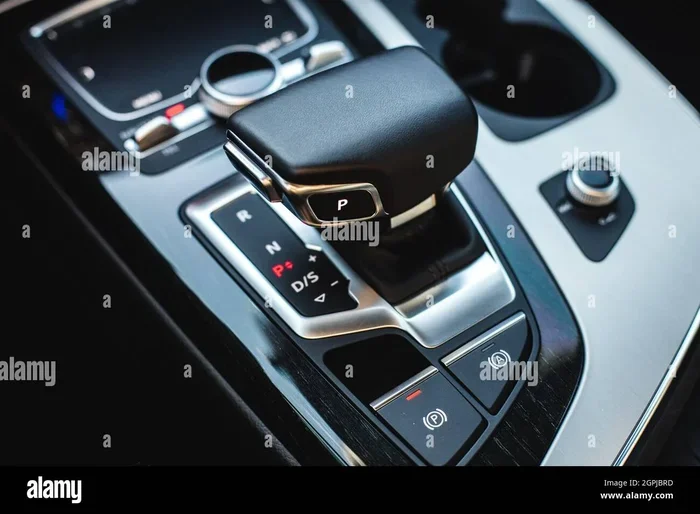
Most AGS systems also allow manual gear selection. You can use the gear lever or paddle shifters to upshift or downshift. This gives you more control over your driving experience when you want it.
AGS vs Automatic Transmission: What Is the Difference?
Many people confuse AGS with a conventional automatic transmission. While they both eliminate the need for a clutch pedal, they work quite differently. Understanding the differences can help you make a better buying decision.
How Automatic Transmissions Work
A traditional automatic transmission uses a torque converter and a complex set of planetary gears. It has no clutch pedal and no manual gear set. The torque converter connects the engine to the transmission, allowing the car to stop without stalling.
Automatic transmissions are smooth and effortless. However, they tend to be more complex and expensive to repair. They also often deliver slightly lower fuel efficiency compared to manual or AGS systems.
How AGS Differs from a Regular Automatic
The key difference lies in the gear mechanism. AGS uses a manual gearbox with automated shifting. A conventional automatic uses a completely different gear set. Here are the main differences:
- AGS uses manual gear sets: This makes it lighter and more fuel efficient.
- Automatic uses a torque converter: This provides smoother shifts but adds weight.
- AGS is simpler: Fewer moving parts means lower repair costs in many cases.
- Automatic offers more gears: Modern automatics can have 8, 9, or even 10 speeds.
For most daily drivers, AGS offers a great balance of convenience and efficiency. It is especially suited for city driving where stop-and-go traffic is common.
Benefits of AGS in Cars
AGS technology offers several real-world benefits that make it attractive to car buyers. Let us look at the key advantages.
1. Better Fuel Efficiency
One of the biggest advantages of AGS is improved fuel economy. Because it uses a manual gear set, it loses less energy through the transmission. This means you get more kilometers per liter compared to many conventional automatics.
For budget-conscious buyers, fuel efficiency is a top priority. AGS delivers on this front without sacrificing convenience. You get the best of both worlds.
2. Easy to Drive in Traffic
City driving can be exhausting, especially in heavy traffic. With AGS, you do not need to operate a clutch pedal. You simply put the car in drive and go. This makes long commutes much more comfortable.
The system handles all the gear shifting for you. You can focus on the road and your surroundings instead of worrying about gears.
3. Lower Maintenance Costs
Because AGS systems are based on manual gear sets, they tend to be simpler than full automatics. Fewer complex components means fewer things that can go wrong. Maintenance costs are generally lower compared to conventional automatic transmissions.
Regular maintenance, such as checking transmission fluid and replacing filters, keeps the system running smoothly for years.
4. Manual Control When You Want It
Many AGS transmissions offer a manual mode. You can manually select gears using the gear lever or paddle shifters. This is useful when you need more control, such as when driving downhill or overtaking on highways.
Cars That Use AGS Technology
Several popular car brands offer AGS as a transmission option. Here are some of the most well-known ones.
Maruti Suzuki AGS
Maruti Suzuki is one of the most popular brands in India that offers AGS across several models. Their AGS technology is known for being reliable and fuel efficient. Popular Maruti Suzuki models with AGS include the Swift, Dzire, Baleno, and Celerio.
Maruti Suzuki’s AGS system is specifically designed for Indian driving conditions. It handles the frequent stop-and-go traffic common in Indian cities very well.
Renault Easy-R
Renault uses a similar technology called Easy-R, which is essentially an automated manual transmission. It is found in models like the Renault Kwid. The Easy-R system offers a clutchless driving experience at an affordable price point.
Other Brands Using AGS
Several other manufacturers also use automated gear shift systems under different brand names. These include brands like Fiat, Volkswagen, and Hyundai in various markets. The core technology remains similar across all of them.
| Brand | AGS Brand Name | Popular Models |
|---|---|---|
| Maruti Suzuki | AGS | Swift, Dzire, Baleno, Celerio |
| Renault | Easy-R | Kwid |
| Fiat | Automated Manual | Linea, Punto |
| Hyundai | AMT | Grand i10, Venue |
Common AGS Problems and How to Fix Them
Like any technology, AGS systems can develop issues over time. Being aware of common problems helps you address them early.
Jerky Gear Shifts
One of the most common complaints about AGS is jerky shifts, especially at low speeds. This often happens when the transmission fluid is old or low. Regular fluid changes can fix this issue in most cases.
Delayed Gear Engagement
Some drivers report a slight delay when the car engages gear from a standstill. This is usually normal for AGS systems and is not a cause for concern. However, if the delay becomes severe, it is worth getting the system checked by a mechanic.
Sensor Malfunctions
The AGS control unit relies on sensors to function properly. If a sensor fails, you may experience erratic shifting or the system may default to a single gear. Replacing the faulty sensor usually resolves this problem quickly.
Unusual Noises
Grinding or whining noises during gear changes can indicate a problem with the actuators or gear sets. Do not ignore these sounds. Get your car inspected as soon as possible to prevent further damage.
Is AGS Right for You?
Deciding whether AGS is the right choice depends on your driving needs and preferences. Here are some factors to consider.
Choose AGS If
- You drive mostly in the city and deal with heavy traffic daily.
- You want a clutchless driving experience without the complexity of a full automatic.
- Fuel efficiency is a top priority for you.
- You want a more affordable car with lower maintenance costs.
- You occasionally enjoy manually selecting gears for more control.
Consider a Full Automatic If
- You prefer ultra-smooth gear changes with no jerkiness at all.
- You drive long highway distances and want the most refined experience.
- You are willing to pay a bit more for a more advanced transmission system.
For most everyday drivers, AGS hits the sweet spot between convenience and practicality. It offers an easy driving experience while keeping costs and fuel consumption low.
Expert Tips for Maintaining Your AGS Transmission
Taking care of your AGS system ensures it lasts for many years. Here are some expert tips to keep your transmission in top shape.
- Change transmission fluid regularly: Follow the manufacturer’s recommended service interval, usually every 20,000 to 30,000 kilometers.
- Avoid riding the clutch: Even though AGS has no clutch pedal, keep your foot off the brake when coasting.
- Use the correct gear mode: Use manual mode when driving uphill or downhill for better control.
- Do not rest your hand on the gear lever: This can cause premature wear on the gear selector mechanism.
- Get regular diagnostics: Have the AGS control unit checked during routine service visits to catch any issues early.
Following these simple tips can extend the life of your AGS transmission and keep your car running smoothly for years to come.
The Future of AGS Technology
As automotive technology evolves, AGS systems are becoming more advanced. Manufacturers are continuously improving the software and hardware behind these transmissions. Future AGS systems will likely offer even smoother shifts and better fuel efficiency.
With the rise of electric and hybrid vehicles, the role of automated manual transmissions may evolve. However, for the foreseeable future, AGS will remain a popular choice in affordable and mid-range cars around the world.
Conclusion
The AGS full form in car is Automated Gear Shift, a smart and efficient transmission technology that makes driving easier and more convenient. It combines the simplicity of a manual gearbox with the ease of an automatic system. AGS offers great fuel efficiency, lower maintenance costs, and a smooth driving experience, especially in city traffic.
Whether you are looking at a Maruti Suzuki Swift, a Renault Kwid, or any other car with AGS technology, you now have a solid understanding of what it offers. Consider your driving needs, budget, and preferences when choosing between AGS and other transmission types. With proper care and maintenance, an AGS-equipped car can serve you well for many years.
So the next time you see AGS on a car spec sheet, you will know exactly what it means and why it matters. Happy driving!
Frequently Asked Questions
What does AGS stand for in cars?
AGS stands for Automated Gear Shift. It is a semi-automatic transmission system that uses electronic sensors and actuators to shift gears without requiring the driver to operate a clutch pedal. AGS full form in car is Automated Gear Shift, and it is widely used in affordable and mid-range vehicles.
Is AGS the same as an automatic transmission?
No, AGS is not the same as a conventional automatic transmission. While both eliminate the need for a clutch pedal, AGS uses a manual gear set with automated shifting. A conventional automatic uses a torque converter and planetary gears. AGS is simpler, lighter, and often more fuel efficient than a full automatic.
Which cars come with AGS transmission?
Many popular cars offer AGS as a transmission option. Maruti Suzuki models like the Swift, Dzire, and Baleno use Maruti Suzuki AGS. Renault uses a similar system called Easy-R in the Kwid. Other brands like Fiat, Hyundai, and Volkswagen also offer automated manual transmissions in various markets.
Is AGS good for city driving?
Yes, AGS is excellent for city driving. The lack of a clutch pedal makes stop-and-go traffic much easier to handle. The system shifts gears automatically based on your speed and throttle input. This reduces driver fatigue during long commutes in heavy traffic.
Does AGS affect fuel efficiency?
AGS generally improves fuel efficiency compared to conventional automatic transmissions. Because it uses a manual gear set, there is less energy loss in the transmission. Many drivers report better mileage with AGS-equipped cars than with full automatics. Regular maintenance of the transmission fluid helps maintain optimal fuel economy.
What are common problems with AGS systems?
Common AGS problems include jerky gear shifts, delayed gear engagement, and sensor malfunctions. Most of these issues can be resolved with regular maintenance and timely repairs. Changing the transmission fluid at recommended intervals is the best way to prevent many of these problems. If you notice unusual noises or severe delays, get your car inspected by a qualified mechanic.