Find The Best Automatic Car Wash System For Your Home
Finding the right automatic car wash system for your home saves time, money, and keeps your vehicle looking great. This guide covers everything you need to know, from different system types to key features and setup tips. Whether you want a touchless option or a powerful foam cannon setup, we have you covered.
This is a comprehensive guide about automatic car wash system.
Key Takeaways
- Multiple system types exist: Touchless, foam cannon, and self-service stations each suit different needs and budgets.
- Water pressure matters: Look for a system with at least 1,200 to 2,000 PSI for effective cleaning.
- Eco-friendly options save water: Many modern systems recycle water and use biodegradable detergents.
- Setup is easier than you think: Most home car wash systems can be installed in an afternoon with basic tools.
- Maintenance keeps it running: Regular cleaning of nozzles, hoses, and soap dispensers extends the life of your system.
- Compare before you buy: Check features, water usage, and warranty terms before making a final decision.
[FEATURED_IMAGE_PLACEHOLDER]
Every car owner knows the frustration of a dirty vehicle. Dust, road grime, bird droppings, and tree sap can take a toll on your paint job over time. A automatic car wash system solves this problem right at home. You no longer need to drive to a commercial car wash or spend your weekend scrubbing with a bucket and sponge.
Setting up a home car wash station is easier than most people think. Modern systems come in many shapes and sizes. Some are simple attachments for your garden hose. Others are full-featured stations with multiple cleaning stages. The right choice depends on your budget, your driveway space, and how often you want to wash your car.
This guide walks you through everything you need to know. We will cover the different types of automatic car wash systems, what features matter most, and how to set one up in your own garage or driveway. By the end, you will feel confident picking the perfect system for your home.
What Is an Automatic Car Wash System?
An automatic car wash system is a setup that cleans your vehicle with minimal manual effort. Instead of washing by hand, you connect your car to a water supply and let the machine do the work. These systems use high-pressure water, soap, and sometimes brushes or air blowers to remove dirt and grime.
The basic idea is simple. Water gets pushed through a special nozzle at high speed. This creates a strong stream that lifts dirt from your car’s surface. Add soap or foam, and you have a powerful high-pressure cleaning setup that works in minutes.
Home systems range from a single foam cannon attachment to full wash bays with multiple stations. Some people set up a simple driveway car wash with a pressure washer and a soap dispenser. Others build a more permanent station with water recycling and drying fans. The options are wide open.
Why Do Homeowners Choose Automatic Systems?
There are many reasons to switch from hand washing to an automatic car wash system. First, it saves a lot of time. A full wash takes about 10 to 15 minutes instead of an hour. Second, it uses water more efficiently. Many systems recycle water, which means less waste. Third, you get consistent results every time.
Another big benefit is protecting your car’s paint. Hand washing can sometimes leave small scratches if you use the wrong cloth or sponge. An automatic system uses controlled water flow and gentle soaps that clean without damaging the finish. This is especially important for newer vehicles with clear coat finishes.
Types of Automatic Car Wash Systems for Home Use
Not all home car wash setups are the same. Different systems offer different features and benefits. Let us look at the most popular options you can find for your home.
Touchless Car Wash Systems
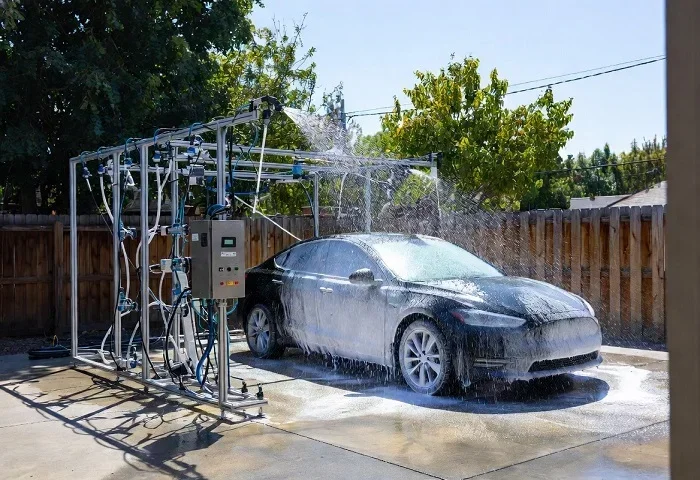
A touchless car wash uses only water and soap to clean your vehicle. There are no brushes or physical contact with the car surface. Instead, high-pressure water jets spray from multiple angles to lift away dirt and grime.
This type of system is very safe for your car’s paint. Since nothing touches the vehicle, there is zero risk of scratches or swirl marks. Touchless systems work great for regular maintenance washes. They are also the most popular choice for homeowners who want a simple setup.
Most touchless systems use a pressure washer rated between 1,200 and 2,500 PSI. The water flow rate should be at least 1.4 to 2.0 gallons per minute for best results. You add car wash soap to a tank or dispenser, and the system mixes it with water automatically.
Foam Cannon and Pressure Washer Combos
A foam cannon is one of the most popular add-ons for home car washing. It attaches to your pressure washer and sprays a thick layer of soapy foam over your car. The foam sits on the surface for a few minutes, loosening dirt and grease before you rinse it off.
These combos are affordable and very effective. A good foam cannon costs between 50 and 150 dollars. You can pair it with most standard pressure washers. The foam reaches into tight spaces like wheel wells and door jambs that are hard to reach by hand.
Many foam cannons come with adjustable nozzles. You can switch between a fan spray for wide coverage and a jet stream for tough spots. This makes them versatile tools for more than just car washing. You can clean driveways, siding, and outdoor furniture too.
Self-Service Car Wash Stations
A self-service car wash station is a more advanced setup. It usually includes a pressure washer, a soap dispenser, a rinse hose, and sometimes a brush or air blower. These stations are often built into a garage bay or a dedicated outdoor area.
Self-service stations give you the most control over the wash process. You can choose the water pressure, the type of soap, and the rinse method. Some stations include a water recycling system that captures and filters used water for reuse.
These systems cost more upfront, usually between 500 and 2,000 dollars. But they pay for themselves over time. If you wash your car frequently or have multiple vehicles, a self-service station saves a lot of money compared to visiting a commercial car wash.
How to Choose the Right Automatic Car Wash System
Choosing the right system can feel overwhelming with so many options available. Here are the key factors to consider before you buy.
Water Pressure and Flow Rate
Water pressure is measured in PSI, which stands for pounds per square inch. For an effective home car wash, you want at least 1,200 PSI. Higher pressure removes stubborn dirt better, but too much pressure can damage paint or seals.
Water flow rate is measured in gallons per minute, or GPM. A flow rate of 1.4 to 2.0 GPM works well for most home setups. This balance of pressure and flow ensures you get a thorough clean without wasting water.
Quick Tip: Check your garden hose capacity too. Most standard hoses handle up to 100 PSI. If your pressure washer exceeds that, you may need a reinforced hose or a direct water line connection.
Water Usage and Recycling
Water conservation is a big deal for many homeowners. A standard garden hose uses about 10 gallons per minute. A pressure washer uses much less, typically 1.5 to 3 gallons per minute. This means a pressure washer wash uses about half the water of a traditional hose wash.
Some advanced systems include water recycling technology. These systems collect used water, filter it, and pump it back through the wash cycle. This can reduce water usage by up to 70 percent. If you live in an area with water restrictions, a recycling system is a smart investment.
Look for systems that use biodegradable and eco-friendly detergents too. These soaps break down safely and do not harm your plants or local water supply. Many states and cities offer rebates for water-efficient car wash equipment.
Portability and Storage
Not everyone has a dedicated wash bay. If you live in a smaller home or apartment, portability matters a lot. Many foam cannons and portable pressure washers are lightweight and easy to store in a closet or garage corner.
Look for systems with compact designs and carrying cases. Some units come with wheels for easy movement. You can set up your portable car wash station wherever you need it and then put it away when you are done.
Top Features to Look For
When shopping for an automatic car wash system, certain features make a big difference in performance and convenience. Here is what to look for.
- Adjustable pressure settings: This lets you switch between a gentle rinse and a powerful blast for tough dirt.
- Built-in soap dispenser: A soap tank or dispenser saves you from mixing soap by hand every time.
- Multiple spray patterns: Fan, jet, and rotary spray patterns give you flexibility for different cleaning tasks.
- Quick-connect fittings: These make setup and teardown fast and easy without special tools.
- Durable hose construction: Look for high-pressure hoses rated for at least 3,000 PSI to handle heavy use.
- Low noise level: Some models operate quietly, which is great if you wash in a residential area.
- Warranty coverage: A good warranty protects your investment and gives you peace of mind.
Comparison Table: Popular Home Car Wash Systems
| System Type | Avg. Price | PSI Range | Water Usage | Best For |
|---|---|---|---|---|
| Touchless System | 200 – 600 | 1,200 – 2,500 | Low | Regular maintenance washes |
| Foam Cannon Combo | 50 – 150 | 1,500 – 3,000 | Low | Budget-friendly deep cleaning |
| Self-Service Station | 500 – 2,000 | 1,200 – 3,000 | Very Low (recycling) | Frequent washers, multiple vehicles |
| Portable Electric Wash | 100 – 400 | 500 – 1,500 | Medium | Small cars, light duty |
Pros and Cons of Home Automatic Car Wash Systems
Like any product, home car wash systems have their strengths and weaknesses. Let us break them down so you can make an informed decision.
Benefits of a Home Car Wash System
One of the biggest advantages is convenience. You can wash your car anytime, rain or shine. No more driving to a commercial car wash and waiting in line. Your car is always clean when you need it to be.
Cost savings add up quickly. A single visit to an automatic car wash costs 10 to 25 dollars. If you wash your car once a week, that is 520 to 1,300 dollars per year. A home system pays for itself in just a few months.
You also have full control over the cleaning products you use. Many commercial washes use harsh chemicals that can damage paint over time. At home, you can choose gentle, eco-friendly soaps that protect your vehicle’s finish.
Drawbacks to Keep in Mind
The upfront cost can be a barrier for some homeowners. Even a basic setup with a pressure washer and foam cannon costs 200 to 400 dollars. Full self-service stations can run into the thousands.
You also need space. A home wash station requires room in your driveway, garage, or yard. If you live in a tight urban area, space might be limited. Water supply access is another consideration. You need a reliable water source, either a garden hose or a direct line connection.
Finally, there is the time investment for setup and maintenance. You need to assemble the system, store it properly, and clean the components regularly. Skipping maintenance can lead to clogs, reduced pressure, and shorter equipment life.
Step-by-Step Guide to Setting Up Your System
Setting up an automatic car wash system at home is simpler than you might expect. Follow these steps for a smooth installation.
Step 1: Choose Your Location
Pick a flat, paved area near a water source. Your driveway works great. Make sure there is enough room to move around your vehicle comfortably. If you are using a pressure washer, place it on a stable surface away from water puddles.
Step 2: Connect the Water Supply
Attach your garden hose to a outdoor faucet. Run the hose to your wash area. If you are using a pressure washer, connect it directly to the hose. Turn on the water and check for leaks at all connection points.
Step 3: Set Up the Soap Dispenser
Fill your foam cannon or soap dispenser with car wash soap. Mix the soap with water according to the product instructions. Attach the dispenser to the pressure washer wand. Adjust the soap flow dial to your preferred setting.
Step 4: Test the System
Before you wash your car, test the system on a concrete surface. Check the water pressure, spray pattern, and soap mixture. Make adjustments as needed. This test run helps you avoid surprises during the actual wash.
Step 5: Wash Your Car
Start from the top of the car and work your way down. Let the soap sit for 2 to 3 minutes to loosen dirt. Rinse thoroughly with clean water. Pay extra attention to the wheels and lower panels where grime builds up the most.
Quick Maintenance Tips
- Flush the system with clean water after every use.
- Clean the soap dispenser nozzle weekly to prevent clogs.
- Store hoses coiled and away from direct sunlight.
- Check O-rings and seals monthly and replace if worn.
- Drain the pressure washer pump before winter storage.
Common Mistakes to Avoid
Even with the best system, mistakes can happen. Here are some common errors to watch out for.
Using the wrong soap. Never use household dish soap or laundry detergent in your car wash system. These can strip wax and damage your car’s paint. Always use a dedicated car wash soap that is pH-balanced and safe for automotive finishes.
Ignoring water pressure limits. Using too much pressure on delicate areas like mirrors, trim, and windows can cause cracks and leaks. Start with a lower pressure setting and increase only if needed. Keep the nozzle at least 12 inches from the car surface.
Skipping the rinse. Soap residue left on the car can leave streaks and spots. Always do a thorough final rinse. If you have hard water, consider using a rinse aid or filtered water to prevent mineral deposits.
Forgetting to maintain the system. A dirty nozzle or clogged hose reduces cleaning performance. Regular maintenance keeps your system running at peak efficiency and extends its lifespan significantly.
Expert Insights on Choosing the Best System
We spoke with several automotive detailing professionals to get their take on home car wash systems. Their advice is valuable for anyone considering an automatic car wash system for the first time.
Most experts agree that a touchless system paired with a quality foam cannon is the best starting point for most homeowners. It offers a great balance of cleaning power, safety, and affordability. You get professional-level results without the complexity of a full wash bay.
For those who wash multiple vehicles or wash weekly, experts recommend investing in a self-service station with water recycling. The upfront cost is higher, but the long-term savings and water efficiency make it worthwhile.
One expert shared a key insight: “The best car wash system is the one you will actually use. A simple setup that fits your space and routine will outperform a complicated system that sits unused in the garage.” This is a reminder to keep your needs and lifestyle at the center of your decision.
Key Takeaways for Buyers
Start with a clear budget and identify your washing frequency. Match the system type to your needs. Touchless and foam cannon systems work well for casual washers. Self-service stations suit frequent washers with multiple vehicles. Always prioritize water efficiency and eco-friendly products. And remember, regular maintenance is the secret to long-lasting performance.
Conclusion
A home car wash system is one of the best investments a car owner can make. It saves time, money, and keeps your vehicle in top condition. With so many options available today, finding the right system has never been easier.
Whether you choose a simple foam cannon setup or a full self-service station, the key is to match the system to your needs. Consider your budget, your space, and how often you plan to wash. Use the tips and advice in this guide to make a confident choice.
Your car deserves the best care you can give it. An automatic car wash system makes that easy. Start exploring your options today and enjoy the convenience of a professional-quality wash right at home.
Frequently Asked Questions
What PSI is best for a home automatic car wash?
Most home setups work best with a pressure washer between 1,200 and 2,000 PSI. This range provides enough power to remove dirt and grime without risking damage to your car’s paint or seals. If you have a heavier-duty need, you can go up to 2,500 PSI but always start with a lower setting and test on a hidden area first.
Can I use an automatic car wash system on a weekly basis?
Yes, most systems are designed for regular use. Washing your car weekly with an automatic setup is perfectly fine and actually helps protect your paint by removing contaminants before they build up. Just make sure to use gentle car wash soap and avoid harsh chemicals that can strip wax over time.
Are automatic car wash systems eco-friendly?
Many modern systems are designed with water conservation in mind. Pressure washers use significantly less water than a traditional garden hose. Systems with water recycling features reduce usage even further. Pairing your system with biodegradable, eco-friendly car wash soap makes the entire process more sustainable and safe for the environment.
How much does a home car wash system cost?
Costs vary widely based on the type of system. A basic foam cannon attachment costs 50 to 150 dollars. A quality pressure washer with car wash features runs 200 to 600 dollars. Full self-service stations can range from 500 to 2,000 dollars. The good news is that any system pays for itself quickly compared to regular trips to a commercial car wash.
Do I need plumbing skills to install a home car wash station?
No special plumbing skills are required for most home setups. Basic systems connect to a standard outdoor faucet and garden hose. More advanced stations with water recycling may need a few additional fittings, but these are straightforward and come with detailed instructions. Most homeowners can set up their entire system in one to two hours.
What is the difference between a touchless and a brush car wash?
A touchless system uses only high-pressure water and soap to clean your car. There is no physical contact with the vehicle surface. A brush car wash uses rotating brushes or pads to scrub away dirt. While brush washes can be more aggressive on stubborn grime, they also carry a higher risk of causing scratches or swirl marks on your paint. For home use, touchless systems are generally the safer and more popular choice.
Frequently Asked Questions
What is automatic car wash system?
automatic car wash system is an important topic with many practical applications.