Why Is My Hybrid System Not Working Here Is The Fix
Why Is My Hybrid System Not Working? is an essential topic that provides valuable insights.
Key Takeaways
- Understanding Why Is My Hybrid System Not Working?: Provides essential knowledge
📑 Table of Contents
- Understanding How Your Hybrid System Works
- Common Reasons Why Your Hybrid System Is Not Working
- Hybrid Battery Issues and How to Spot Them
- Warning Signs Your Hybrid System Needs Attention
- Step-by-Step Fixes for Hybrid System Problems
- When to See a Professional Hybrid Mechanic
- Key Takeaways
- Conclusion
Understanding How Your Hybrid System Works
Before we dive into fixes, it helps to understand how your hybrid system actually works. A hybrid powertrain combines a gas engine with one or more electric motors. Together, they share the job of moving your car. This setup gives you better fuel economy and lower emissions.
Here are the main parts of a hybrid system:
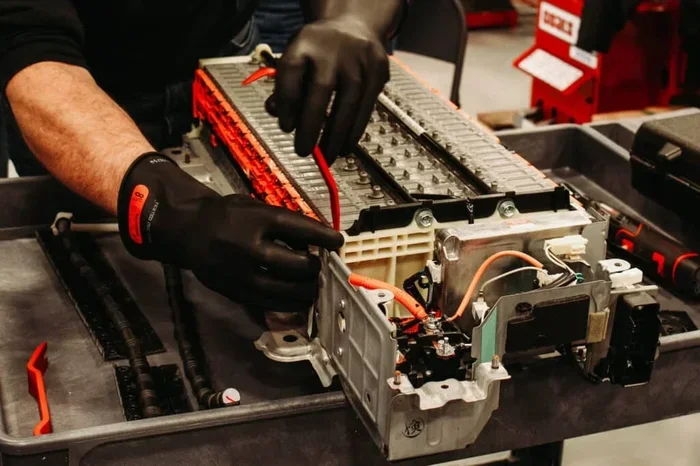
- High-voltage battery: Stores energy for the electric motor.
- Electric motor: Helps power the car and recovers energy during braking.
- Gas engine: Kicks in when extra power is needed.
- Power-split device: A clever gearbox that splits power between the motor and engine.
- Hybrid control module: The brain that manages everything.
- Inverter: Converts stored battery power into usable electricity.
- 12-volt auxiliary battery: Powers the car’s computer and lights.
When all these parts work together, your hybrid vehicle runs smoothly. But if even one part fails, you may notice problems. That is exactly what we will explore next.
Common Reasons Why Your Hybrid System Is Not Working
There are many reasons a hybrid system is not working. Some causes are simple. Others need a trained mechanic. Let us look at the most common culprits.
1. Dead or Failing Hybrid Battery
The high-voltage battery is the heart of your hybrid system. Over time, these batteries lose their ability to hold a charge. When that happens, your car may run poorly or not start at all. Hybrid battery failure is one of the top reasons owners search for fixes.
Signs of a weak battery include:
- Reduced fuel economy
- The car runs only on gas
- Warning lights on the dashboard
- Strange engine noises
2. Faulty 12-Volt Auxiliary Battery
Many people forget about the small 12-volt battery. This battery powers your car’s computer and electronics. If it dies, your hybrid system may not wake up at all. It is a cheap fix, but it causes big headaches if you do not check it first.
3. Hybrid Inverter Problems
The hybrid inverter converts DC power from the battery into AC power for the motor. When this part fails, your electric motor cannot work properly. You may notice a loss of power or a hybrid system warning light on your dash.
4. Cold Weather Hybrid Performance Issues
Cold weather can seriously affect your hybrid system. In freezing temperatures, the battery struggles to deliver power. The gas engine may run more often than usual. This is normal to a point, but extreme cold can trigger false warnings and reduced performance.
5. Hybrid Relay Failure
A hybrid relay controls the flow of electricity to the motor. When it fails, the system shuts down as a safety measure. Relay problems are common in older hybrid vehicles and often require a simple replacement.
6. Faulty Hybrid Control Module
The hybrid control module is the computer that manages your entire system. Software glitches or water damage can cause it to malfunction. When this happens, your car may go into “limp mode” and limit your speed.
7. Regenerative Braking Issues
Regenerative braking is a key feature in hybrids. It captures energy when you slow down and sends it back to the battery. If this system fails, you lose energy recovery and may see warning lights. Common causes include worn brake pads or a faulty brake light switch.
Quick Tips
- Always check the 12-volt battery first. It is the easiest and cheapest fix.
- Keep your hybrid battery clean and dry. Moisture causes corrosion.
- Drive gently in cold weather to warm up the battery faster.
- Never ignore a hybrid system warning light. Early action saves money.
Hybrid Battery Issues and How to Spot Them
The hybrid battery is the most expensive part of your car. When it starts to fail, you need to act fast. But how do you know if your battery is the problem?
Here are the top signs of hybrid battery failure:
- Your fuel economy drops suddenly. If you are filling up more often, the battery may not be helping the engine anymore.
- The battery bars are uneven. On your dashboard display, all bars should be at the same level. Uneven bars mean weak cells.
- The car makes clicking or grinding sounds. These noises often point to a failing battery or inverter.
- Your check engine light is on. A hybrid check engine light can signal many issues, but battery problems are at the top of the list.
If you notice any of these signs, do not wait. The longer you drive on a weak battery, the worse the damage gets. Early detection can save you hundreds of dollars in hybrid battery replacement cost.
Common Mistakes to Avoid
- Ignoring warning lights: Many owners dismiss dashboard warnings. This is the biggest mistake you can make.
- Delaying maintenance: Skipping scheduled service leads to bigger problems later.
- Trying cheap fixes: Not all repair shops understand hybrid vehicle diagnostics. Always choose a certified hybrid technician.
- Overcharging or undercharging: Both can shorten your battery life significantly.
Warning Signs Your Hybrid System Needs Attention
Your car talks to you. It uses lights, sounds, and feelings to tell you something is wrong. Learning to read these signs can save you from a breakdown.
The Hybrid System Warning Light
This light looks different depending on your car brand. It may say “Check Hybrid System” or show a battery icon. When this light comes on, your hybrid system has detected a problem. Do not ignore it. Pull over safely and check your 12-volt battery first.
Unusual Noises
Hybrids are usually quiet. So when you hear strange sounds, it stands out. Listen for:
- Grinding during acceleration
- Clicking when starting the car
- Humming from the inverter area
- Whirring that does not go away
Reduced Power or Acceleration
If your car feels sluggish, the electric motor malfunction could be to blame. The motor may not be getting enough power from the battery. Or the inverter may not be converting power correctly. Either way, this affects your daily driving.
Rough Idling or Stalling
A hybrid system that stalls or idles roughly may have a cooling problem. The hybrid cooling system keeps the battery and motor at the right temperature. If the coolant leaks or the fan fails, overheating can shut your system down.
Expert Insights
According to hybrid technicians, most hybrid system failures come from neglect. Simple things like checking coolant levels and keeping the battery terminals clean go a long way. Regular hybrid vehicle maintenance can prevent 80% of common problems. Do not skip your scheduled service appointments.
Step-by-Step Fixes for Hybrid System Problems
Now that you know the causes and warning signs, let us look at how to fix them. Some fixes you can do at home. Others need a professional.
Fix 1: Reset Your Hybrid System
Sometimes the system just needs a reset. This works like restarting a computer. Here is how:
- Turn off the engine and remove the key.
- Open the hood and disconnect the 12-volt auxiliary battery for 15 minutes.
- Reconnect the battery and start the car.
- Drive slowly for a few minutes and see if the warning light goes away.
This simple hybrid system reset clears temporary errors. It works for many minor glitches.
Fix 2: Check and Replace the 12-Volt Battery
Open your owner’s manual and locate the 12-volt battery. Use a multimeter to check the voltage. It should read 12.6 volts or higher. If it reads below 12.0 volts, replace it. This is a cheap fix that solves many mysterious hybrid problems.
Fix 3: Inspect the Cooling System
Check the coolant level in your hybrid cooling system. Look for leaks around the hoses and radiator. If the coolant is low, top it off with the correct type. Overheating is one of the leading causes of hybrid system shutdowns.
Fix 4: Scan for Error Codes
Use an OBD-II scanner that supports hybrid vehicle diagnostics. Plug it into the diagnostic port under your dash. The scanner will read error codes and tell you what part is failing. This helps you avoid guessing and wasting money on unnecessary repairs.
Fix 5: Replace the Hybrid Battery
If your battery is truly dead, you have two options:
- Replace individual modules: If only a few cells are bad, a shop can replace just those. This costs less than a full replacement.
- Replace the entire battery pack: This is more expensive but gives you a fresh start. The average hybrid battery replacement cost ranges from $2,000 to $4,500 depending on your car model.
Fix 6: Repair or Replace the Inverter
If your inverter is faulty, a technician can often rebuild it for less than the cost of a new one. Inverter repair typically costs between $500 and $1,500. This is much cheaper than a full replacement.
Comparison: Common Hybrid Repairs
| Repair | Average Cost | DIY Friendly? |
|---|---|---|
| 12-volt battery replacement | $50 – $150 | Yes |
| Hybrid system reset | Free | Yes |
| Coolant system flush | $100 – $200 | Some |
| Inverter repair | $500 – $1,500 | No |
| Hybrid battery module replacement | $500 – $2,000 | No |
| Full hybrid battery replacement | $2,000 – $4,500 | No |
When to See a Professional Hybrid Mechanic
Not every problem is a DIY fix. Some issues need a trained eye. Here is when you should call a professional.
You should see a mechanic if:
- The hybrid system warning light stays on after a reset
- Your car will not start at all
- You smell burning or see smoke
- The battery voltage drops quickly
- You hear loud mechanical noises from the drivetrain
A certified hybrid vehicle diagnostics specialist has the right tools and training. They can read your car’s computer codes and find the root cause. Trying to fix complex hybrid powertrain issues without proper knowledge can be dangerous. The high-voltage system carries serious risks if handled incorrectly.
Also, keep in mind that many hybrid repairs are covered under warranty. Check your owner’s manual before paying for any expensive work. Some manufacturers cover the hybrid battery for up to 10 years or 100,000 miles.
Key Takeaways
- Check the 12-volt battery first: It is the simplest and cheapest fix for many hybrid problems.
- Do not ignore warning lights: The hybrid system warning light tells you something needs attention right away.
- Cold weather affects performance: Your battery may struggle in freezing temperatures, but this usually improves as it warms up.
- Regular maintenance prevents most failures: Stay on top of coolant checks, battery inspections, and scheduled service.
- Reset before you replace: A simple system reset can clear temporary errors and save you money.
- Know when to call a pro: Complex issues like inverter failure or battery degradation need a certified hybrid technician.
- Warranty may cover your repairs: Many hybrid components are covered for years. Always check before paying out of pocket.
Conclusion
A hybrid system not working does not mean your car is done for. In most cases, the problem is something simple and affordable to fix. Whether it is a dead 12-volt battery, a system reset, or a cooling system flush, you have options.
The key is to act quickly. Do not ignore warning signs. The sooner you address a problem, the less it will cost you. Regular hybrid vehicle maintenance keeps your system running strong for years.
Remember, your hybrid car problems are solvable. Use the tips in this guide, stay curious, and do not be afraid to ask for help when you need it. Your hybrid system is a marvel of engineering, and with the right care, it will keep you driving efficiently for a long time to come.
Frequently Asked Questions
Can I drive my hybrid car if the hybrid system warning light is on?
You can drive a short distance, but it is not recommended. The warning light means something is wrong with your hybrid system. Continuing to drive could cause more damage. Pull over safely and check the 12-volt battery first. If the light stays on, call a professional for hybrid vehicle diagnostics.
How long does a hybrid battery last before it needs replacement?
Most hybrid batteries last between 8 and 15 years, depending on driving habits and climate. Hot weather and rough driving can shorten battery life. Regular maintenance and gentle driving habits help your battery last longer.
Is it expensive to fix a hybrid system problem?
It depends on the cause. Simple fixes like a 12-volt battery replacement cost under $150. More complex issues like inverter or battery pack repairs can range from $500 to $4,500. Always get a proper diagnosis before agreeing to any expensive repairs.
Can cold weather cause my hybrid system to stop working?
Yes, cold weather can reduce your battery’s performance significantly. In freezing temperatures, the hybrid system may limit power output and rely more on the gas engine. This is normal. Once the battery warms up, performance usually returns to normal.
What is the difference between the high-voltage battery and the 12-volt battery in a hybrid?
The high-voltage battery powers the electric motor and stores energy from regenerative braking. The 12-volt battery powers the car’s computer, lights, and electronics. If the 12-volt battery dies, your hybrid system may not start even if the high-voltage battery is fine.
Can I reset my hybrid system at home?
Yes, a basic reset is something you can do at home. Simply disconnect the 12-volt auxiliary battery for 15 minutes, then reconnect it. This clears temporary error codes. However, if the warning light comes back, there is a real problem that needs professional attention.