Does the Toyota Camry Use a Lot of Gas for Your Daily Drive
The Toyota Camry is known for being a fuel-efficient sedan that doesn’t guzzle gas. Most models deliver between 28 and 32 MPG in combined driving, making it a solid choice for daily commuters. The hybrid version pushes fuel economy even higher, helping you save at the pump. Whether you drive in the city or on the highway, the Camry keeps gas costs surprisingly low.
If you are shopping for a reliable sedan, you have probably wondered about fuel costs. Does the Toyota Camry use a lot of gas? This is one of the most common questions buyers ask before pulling the trigger. The short answer is no. The Toyota Camry has built a strong reputation for being a fuel-efficient car that handles daily driving without draining your wallet at the gas station.
Gas prices keep going up, and everyone wants a car that sips fuel rather than gulping it down. The Camry has been a favorite among commuters, families, and fleet buyers for decades. Its fuel economy numbers have improved with every new generation, making it one of the most economical choices in the midsize sedan segment.
In this article, we will break down the real-world gas mileage of the Toyota Camry. We will look at city driving, highway driving, and how the hybrid model compares. You will also learn about fuel costs, how the Camry stacks up against rival sedans, and practical tips to get the best miles per gallon out of your car. By the end, you will know exactly what to expect from the Camry at the pump.
Key Takeaways
- Solid Fuel Economy: The Toyota Camry delivers 28 to 32 MPG combined, which is excellent for a midsize sedan.
- Hybrid Option Saves More: The hybrid Camry achieves up to 52 MPG combined, cutting fuel costs significantly.
- City Driving Uses More Gas: Stop-and-go traffic reduces MPG compared to steady highway cruising.
- Affordable to Own: Low gas costs and Toyota reliability make the Camry a budget-friendly daily driver.
- Regular Gas Is Fine: The Camry runs on regular unleaded fuel, saving you from premium gas expenses.
- Competitive With Rivals: The Camry holds its own against Honda Accord and Nissan Altima in fuel economy.
- Simple Maintenance Helps: Keeping up with routine car maintenance like belt replacements supports optimal fuel efficiency.
📑 Table of Contents
How Much Gas Does the Toyota Camry Actually Use?
The Toyota Camry gas mileage depends on the model year, engine type, and driving conditions. But across the board, the Camry is not a gas hog. Let us look at the numbers more closely.
Understanding MPG Ratings
MPG stands for miles per gallon. It tells you how far your car can travel on one gallon of fuel. The Toyota Camry typically earns ratings between 28 and 32 MPG combined for the gas-powered models. The base 2.5-liter four-cylinder engine is the most common setup, and it delivers a balanced mix of city MPG and highway MPG.
Here is a general breakdown of what you can expect:
- City Driving: Around 25 to 28 MPG
- Highway Driving: Around 33 to 38 MPG
- Combined Driving: Around 28 to 32 MPG
These numbers come from the EPA ratings, which are tested under controlled conditions. Your real-world results may vary. But the Camry consistently delivers competitive fuel economy for its class. When compared to other midsize sedans, the Camry sits comfortably in the top half for gas mileage.
What About the V6 Engine?
Some Camry trims come with a V6 engine. This engine produces more power, but it also uses more gas. The V6 Camry typically gets around 22 MPG combined. If fuel efficiency is your top priority, the four-cylinder model is the smarter choice. The V6 is better suited for drivers who need extra towing power or acceleration.
Also, keep in mind that using the right fuel matters. The Camry runs on regular gas, which is cheaper than premium fuel. This is another reason the Camry keeps fuel costs low over time. You do not need to spend extra money at the pump just to fill up.
City vs Highway: Where Does the Camry Use More Gas?
Driving conditions play a huge role in how much gas your Camry burns. City driving and highway driving affect fuel economy in very different ways.
City Driving and Stop-and-Go Traffic
In the city, you deal with lots of stops and starts. Traffic lights, stop signs, and congestion all eat into your gas mileage. The Camry does a decent job in city conditions, but you should expect lower MPG than what the EPA sticker shows.
Stop-and-go traffic forces the engine to work harder. Every time you brake, you lose the kinetic energy that the engine produced. Then you have to accelerate again, which burns more fuel. This cycle repeats throughout a city commute. If your daily commute involves heavy urban traffic, your Camry might return closer to 24 or 25 MPG.
However, the Camry handles city driving better than many larger vehicles. Its lightweight engine performance and aerodynamic design help it slip through traffic efficiently. For a midsize sedan, the Camry is one of the more fuel-efficient options in stop-and-go conditions.
Highway Driving and Steady Speeds
Highway driving is where the Camry shines. At steady speeds, the engine does not have to work as hard. There are fewer stops, and the aerodynamics of the sedan body help reduce drag. This means you will see better highway mileage compared to city driving.
Many Camry owners report getting 35 to 38 MPG on long highway trips. If you commute on interstate highways or spend a lot of time on open roads, the Camry will reward you with excellent fuel economy.
Using cruise control at a steady speed of 55 to 65 mph is one of the best ways to maximize your MPG on the highway. The Camry responds well to this driving style, and you will notice the savings adding up over time.
How Commuting Style Affects Gas Usage
Your personal driving habits matter a lot. Aggressive acceleration, speeding, and hard braking all reduce miles per gallon. Smooth, predictable driving helps the Camry deliver its best fuel economy. If you want to get the most out of every gallon, focus on gentle acceleration and maintaining a steady speed.
Also, avoid idling for long periods. Idling wastes gas without moving the car forward. If you are parked for more than a minute, turning off the engine saves fuel. This is especially true for drivers who wait in drive-through lanes or sit in parked traffic.
Which Toyota Camry Trim Gets the Best Fuel Economy?
The Camry comes in several trims, and they do not all deliver the same gas mileage. Let us compare the different options so you can choose the one that fits your needs.
The Gas-Powered Models
The base L and LE trims come with the 2.5-liter four-cylinder engine. These trims offer the best fuel efficiency among the gas-powered Camry lineup. The XLE and SE trims are similar but may add a few pounds of weight from extra features, which can slightly reduce MPG.
The XSE and TRD trims focus more on sport styling and performance. They may have slightly different tuning that affects engine performance. But the difference in gas mileage between trims is usually small, often just 1 to 2 MPG.
The Hybrid Camry: A Game Changer
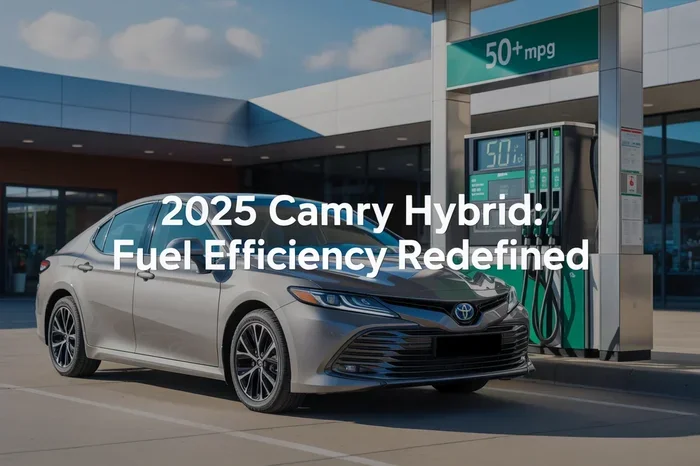
The hybrid Camry is where the real fuel savings happen. The hybrid system combines a gasoline engine with an electric motor to deliver outstanding fuel economy. The hybrid Camry achieves up to 52 MPG combined, which is remarkable for a midsize sedan.
Here is a quick comparison of the gas and hybrid models:
- Camry LE (Gas): 28 MPG combined
- Camry SE (Gas): 32 MPG combined
- Camry XLE (Gas): 31 MPG combined
- Camry Hybrid LE: 52 MPG combined
- Camry Hybrid XLE: 50 MPG combined
The hybrid Camry uses regular gas just like the gas-powered versions. But it gets nearly double the MPG. This makes the hybrid an excellent choice for anyone who drives a lot of miles or wants to minimize fuel costs over the long term.
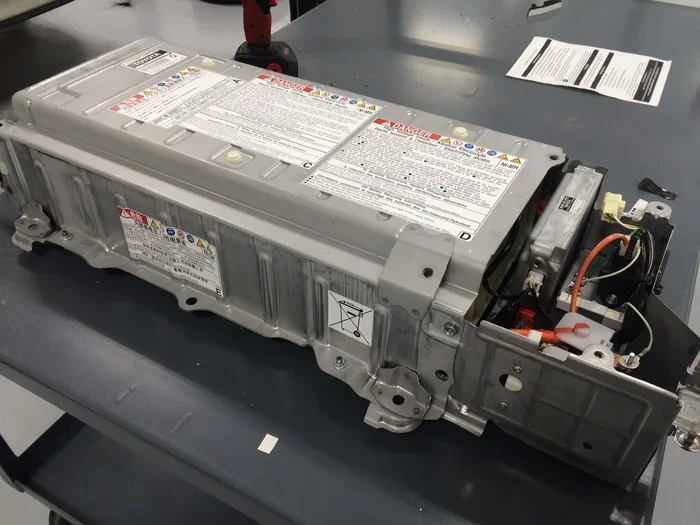
If you are considering a used Camry, you might want to check the car’s history to make sure the hybrid battery and fuel system are in good condition. A well-maintained hybrid Camry will continue to deliver excellent fuel economy for many years.
Tips to Improve Your Camry’s Gas Mileage
Want to squeeze every last mile out of each gallon? Here are some practical tips to boost your Camry’s fuel efficiency.
Keep Your Tires Properly Inflated
Underinflated tires create more rolling resistance. This means the engine has to work harder to keep the car moving. Check your tire pressure at least once a month. Keeping tires at the recommended PSI can improve gas mileage by up to 3 percent.
Remove Unnecessary Weight
Extra weight in your car forces the engine to burn more fuel. Clean out your trunk and back seat. Remove heavy items you do not need for your daily commute. Every extra pound counts, especially in stop-and-go city driving.
Use the Right Motor Oil
Using the manufacturer-recommended motor oil helps the engine run smoothly. Thicker or lower-quality oil creates more friction inside the engine, which reduces fuel economy. Check your owner’s manual for the right oil grade and change it on schedule.
Keep Up With Routine Maintenance
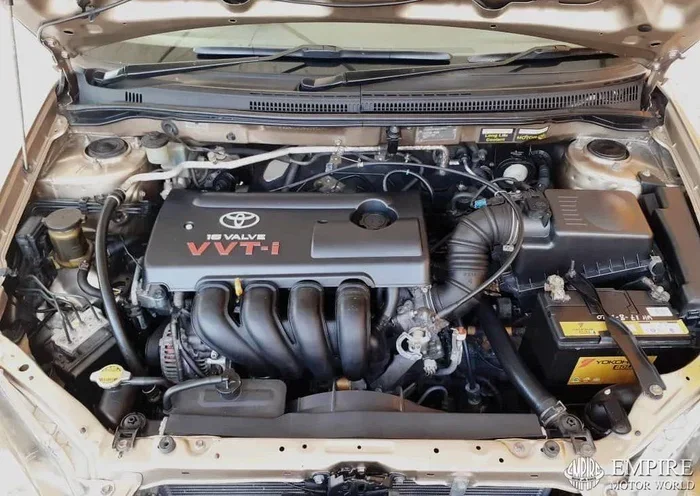
Regular maintenance keeps your Camry running efficiently. A dirty air filter, worn spark plugs, or a clogged fuel injector can all hurt engine performance and gas mileage. Staying on top of maintenance schedules ensures your car runs at its best.
For example, replacing a worn serpentine belt helps the accessories in your engine run smoothly, which supports overall fuel efficiency. If you are unsure about any maintenance task, a trusted mechanic can help you stay on track.
Drive Smoothly and Avoid Aggressive Habits
Hard acceleration and sudden braking waste gas. Smooth, gradual acceleration and gentle braking help you maintain a steady speed and use less fuel. Anticipate traffic flow and lift off the gas pedal early when you see a red light or stop sign ahead.
Limit Use of Air Conditioning at Low Speeds
Running the air conditioner at low speeds puts extra load on the engine. At highway speeds, the aerodynamic drag of open windows creates more resistance than the AC does. So use the AC in city driving and consider rolling down windows on the highway when weather permits.
How Gas Costs Compare to Other Popular Sedans
The Camry is not the only fuel-efficient sedan on the market. Let us see how it compares to some popular rivals.
Camry vs Honda Accord
The Honda Accord is one of the Camry’s biggest competitors. The Accord gets similar gas mileage, with EPA ratings around 30 to 32 MPG combined for the base engine. Both cars use regular gas and offer competitive fuel economy. The Camry edges ahead slightly in some trims, but the difference is minimal.
Camry vs Nissan Altima
The Nissan Altima also competes in the midsize sedan segment. The Altima delivers around 32 MPG combined, which is close to the Camry’s numbers. Both cars offer solid fuel efficiency and low fuel costs over time. The Camry’s reputation for Toyota reliability gives it an edge for long-term ownership.
Camry vs Hybrid Rivals
When you compare the hybrid Camry to hybrid rivals like the Hyundai Sonata Hybrid or the Kia K5 Hybrid, the Camry holds its own. The Camry Hybrid’s 52 MPG combined is among the best in the segment. This makes it one of the most economical choices if you want a sedan that sips gas.
Over a five-year period, the savings from better fuel economy can add up to hundreds or even thousands of dollars. The Camry’s low gas costs make it one of the smartest buys for budget-conscious buyers.
Final Verdict: Is the Camry a Gas-Sipping Star?
So, does the Toyota Camry use a lot of gas? The answer is a clear no. The Camry is one of the most fuel-efficient midsize sedans you can buy. Whether you choose the gas-powered model or the hybrid, you will enjoy strong fuel economy that keeps fuel costs manageable.
The Camry delivers 28 to 32 MPG combined for gas models and up to 52 MPG for the hybrid. It runs on affordable regular gas, and its Toyota reliability means fewer surprises at the repair shop. The Camry is a smart choice for commuters, families, and anyone who wants a dependable car without high gas bills.
If you are still on the fence, take a test drive and see for yourself. The Camry’s smooth engine performance and comfortable ride make it one of the best daily drivers on the road. And with low fuel costs over time, you will wonder why you ever considered anything else.
For those who want even more peace of mind, consider learning more about starting your Camry without the remote key or understanding how your key fob works with the car’s systems. These small details add up to a better ownership experience with your fuel-efficient Camry.
In short, the Toyota Camry is a fuel-efficient sedan that proves you do not have to sacrifice performance or comfort to save on gas. It is a well-rounded car that delivers where it counts: at the pump and on the road.
Frequently Asked Questions
Is the Toyota Camry good on gas for city driving?
Yes, the Camry handles city driving well for a midsize sedan. The base four-cylinder engine delivers around 25 to 28 MPG in city conditions. The hybrid Camry performs even better in city traffic, often returning over 40 MPG in stop-and-go situations. Its fuel economy makes it a great choice for urban commuters.
Does the Toyota Camry require premium gas?
No, the Camry runs perfectly well on regular unleaded gas. Using premium fuel will not improve engine performance or fuel economy. Sticking with regular gas saves you money every time you fill up, which adds up to significant fuel cost savings over the life of the car.
How does the Camry hybrid compare to the gas model in terms of gas usage?
The hybrid Camry uses significantly less gas than the gas-powered models. While the base Camry gets around 28 to 32 MPG combined, the hybrid version achieves up to 52 MPG combined. This nearly doubles the fuel economy and cuts fuel costs in half for many drivers.
Can bad driving habits reduce the Camry’s gas mileage?
Absolutely. Aggressive acceleration, speeding, and hard braking all reduce miles per gallon. Smooth and predictable driving helps the Camry deliver its best fuel efficiency. Avoiding excessive idling and keeping your tires properly inflated also make a noticeable difference in gas mileage.
Does the Camry’s gas mileage decrease as it ages?
Over time, older Camrys may see a slight drop in fuel economy. This is often caused by worn spark plugs, dirty air filters, or low tire pressure. Regular car maintenance helps keep the Camry running efficiently for many years. A well-maintained Camry can still deliver strong gas mileage even after 100,000 miles.
How much money can I save on gas with a Toyota Camry?
Savings depend on your driving habits and local gas prices. But compared to less efficient vehicles, Camry owners typically save several hundred dollars per year on fuel costs. The hybrid Camry saves even more, making it one of the most economical choices for long-term ownership. Over five years, the savings can really add up.