Do Tacomas Save Gas Compared To Other Popular Pickup Trucks
Do Tacomas save gas? Yes, the Toyota Tacoma delivers competitive fuel economy for a midsize pickup truck, especially when compared to full-size competitors. Many drivers choose the Tacoma because it balances capability with fuel efficiency. Understanding MPG ratings, driving habits, and trim differences helps you get the most out of every tank.
Do Tacomas save gas? It is a question on the minds of many truck buyers these days. With gas prices always changing, fuel economy matters more than ever. The Toyota Tacoma has long been one of the most popular midsize pickup trucks on the road. But does it actually save you money at the pump compared to other trucks? The short answer is yes, in most cases.
When you compare the Tacoma to full-size pickups, the fuel savings add up over time. A truck that sips gas instead of guzzling it means more money in your wallet. But the real answer depends on several factors. These include the engine type, driving conditions, trim level, and how you use the truck. Let us break it all down so you can make an informed decision.
In this guide, we will look at real MPG numbers, compare the Tacoma to its rivals, and share practical tips to improve your fuel economy. Whether you are shopping for a new truck or trying to get more miles out of your current one, this article has you covered.
Key Takeaways
- Better MPG than full-size trucks: The Tacoma typically gets better gas mileage than trucks like the F-150 and Silverado.
- Engine choice matters: The four-cylinder engine saves more fuel than the V6, especially for daily commuting.
- Driving habits affect fuel economy: Aggressive driving, towing, and off-roading reduce your MPG significantly.
- Newer models are more efficient: Recent Tacoma generations have improved fuel economy thanks to better engineering.
- TRD trims may cost more at the pump: Sportier trims with bigger tires and aerodynamic changes can impact mileage.
- Hybrid alternatives exist: If saving gas is your top priority, consider comparing the Tacoma to hybrid trucks.
📑 Table of Contents
Understanding Tacoma Fuel Economy
So, do Tacomas save gas? To answer that properly, we need to look at what the numbers actually say. The Toyota Tacoma comes in different trims and engine options, and each one affects fuel economy differently. Understanding these basics helps you set realistic expectations.
Base Engine vs V6: What Gets Better MPG?
The Tacoma offers two main engine options. The base engine is a 2.7-liter four-cylinder that produces about 159 horsepower. This engine is the clear winner when it comes to fuel efficiency. It delivers an estimated 20 MPG in the city and 24 MPG on the highway for rear-wheel-drive models.
The V6 option is a 3.5-liter engine that produces 278 horsepower. It is much more powerful and great for towing. But it drinks more gas. The V6 gets around 19 MPG in the city and 24 MPG on the highway. That is a noticeable difference if you drive a lot in stop-and-go traffic.
If saving gas is your top priority, the four-cylinder Tacoma is the smarter choice. Most daily drivers do not need the extra power of the V6. The four-cylinder handles commuting, grocery runs, and light hauling with ease.
Two-Door vs Four-Door: Does Cab Style Affect MPG?
Many people overlook this, but cab style does play a role in fuel economy. The regular cab Tacoma is the lightest and most aerodynamic option. It tends to get slightly better MPG than the extended cab or crew cab versions. The extra weight and size of larger cabs create more drag, which reduces efficiency.
That said, the difference is small. Most drivers will not notice a big gap in real-world driving. If you need space for passengers, the crew cab is still a great choice. Just know that you might pay a few cents more per gallon.
Tacoma vs Other Popular Pickup Trucks
Now let us get to the real comparison. Do Tacomas save gas compared to other popular pickup trucks? The answer is generally yes. The Tacoma sits in the midsize truck category, which is naturally more efficient than full-size trucks. But let us look at the numbers side by side.
Tacoma vs Ford F-150
The Ford F-150 is the best-selling truck in America. It is a full-size powerhouse. But that size comes at a cost when it comes to fuel. The base F-150 with the 3.3-liter V6 gets about 20 MPG in the city and 26 MPG on the highway. That is close to the Tacoma V6 on the highway but worse in the city.
The F-150 does offer a turbocharged EcoBoost engine that improves mileage. But even with that option, the Tacoma holds its own. For a truck that is easier to park and maneuver, the Tacoma is a strong contender for fuel-conscious buyers.
Tacoma vs Chevrolet Silverado
The Silverado 1500 is another full-size competitor. Its base engine gets around 16 MPG in the city and 23 MPG on the highway. The Tacoma beats it in both city and highway mileage. Even the more efficient Silverado EcoTec engines struggle to match the Tacoma’s numbers consistently.
One reason the Tacoma wins here is its smaller size and lighter weight. It simply does not need as much fuel to move down the road. If you do not need the hauling capacity of a full-size truck, the Tacoma is a smarter fuel choice.
Tacoma vs Ram 1500
The Ram 1500 is known for its smooth ride and comfortable interior. Its fuel economy is similar to the Silverado. The base V6 gets around 17 MPG in the city and 25 MPG on the highway. Again, the Tacoma matches or beats these numbers, especially in city driving.
Ram does offer a mild-hybrid eTorque system on some trims. This gives a slight fuel economy boost. But the Tacoma still holds a competitive edge in overall efficiency.
Real-World MPG: What Owners Actually Report
Manufacturer estimates are helpful, but real-world MPG tells the real story. Many Tacoma owners report their actual fuel economy online, and the results are interesting.
Most Tacoma owners report getting between 17 and 23 MPG in mixed driving. The four-cylinder models tend to land on the higher end of that range. V6 models usually fall in the 17 to 21 MPG range. These numbers can vary widely based on driving style and conditions.
Here are some factors that impact real-world fuel economy:
- Driving speed: Highway driving at steady speeds gives the best MPG.
- Towing: Towing a trailer can drop your MPG by 3 to 5 points.
- Off-roading: Rough terrain and low gearing use more fuel.
- Air conditioning: Running the AC in hot weather reduces efficiency.
- Payload: Heavy loads in the bed make the engine work harder.
- Tire pressure: Underinflated tires create more rolling resistance.
- Traffic conditions: Stop-and-go city traffic is the enemy of fuel economy.
If you want to maximize your Tacoma’s fuel economy, focus on the factors you can control. Smooth acceleration, steady speeds, and proper tire pressure go a long way.
Tips to Improve Your Tacoma’s Fuel Economy
Do Tacomas save gas? Yes, but you can make them save even more with a few smart habits. Here are practical tips that any Tacoma owner can use.
Drive Smoothly and Avoid Aggressive Acceleration
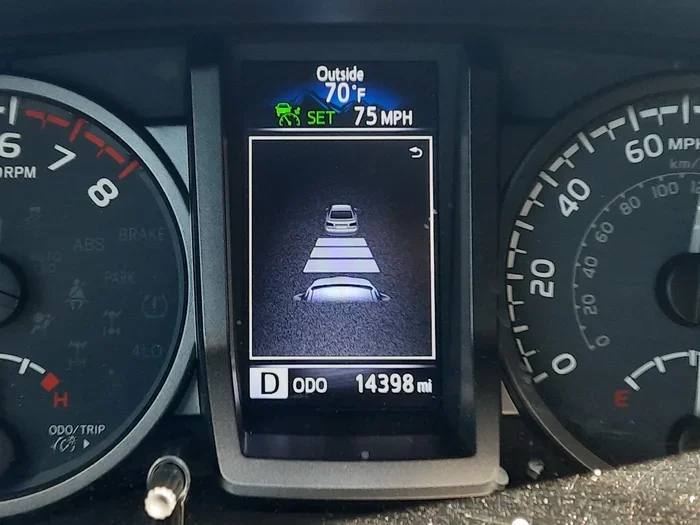
Jackrabbit starts are the enemy of fuel economy. Accelerating gently and steadily keeps your engine working efficiently. Try to maintain a consistent speed on the highway. Using cruise control at a steady pace helps you avoid unnecessary fuel waste.
Keep Your Tires Properly Inflated
This is one of the simplest and most overlooked tips. Underinflated tires create more friction with the road. That means your engine has to work harder to maintain speed. Check your tire pressure at least once a month. The recommended PSI is listed on the driver’s side door jamb.
Remove Unnecessary Weight from the Truck
Every extra pound your truck carries costs you fuel. If you have heavy tools, sports equipment, or cargo that you do not need, remove it. The Tacoma bed is not a storage locker. Keeping it light helps your MPG.
Use the Right Oil and Keep Up with Maintenance
Fresh oil reduces engine friction and helps everything run smoothly. Use the oil weight recommended in your owner’s manual. Also, keep up with regular maintenance like air filter changes and spark plug replacements. A well-maintained engine is a more efficient engine.
Avoid Excessive Idling
Idling burns fuel without moving you anywhere. If you are parked for more than a minute, turn off the engine. This is especially true in cold weather when people tend to let their trucks warm up for too long. Modern engines do not need extended warm-up time.
When a Tacoma Might Not Save You Gas
It is important to be honest about the Tacoma’s limitations. There are situations where a Tacoma might not save you as much gas as you expect.
Heavy Towing and Hauling
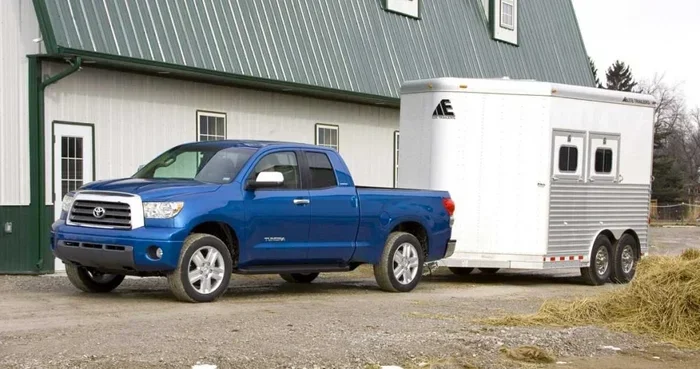
If you regularly tow a large trailer or haul heavy loads, the Tacoma’s fuel economy takes a hit. The small engine has to work overtime to move heavy weight. In these cases, the fuel savings compared to a full-size truck shrink. You might even use more gas than a larger truck with a diesel engine.
Also, if you are wondering whether bad fuel can cause engine codes, bad gas can indeed trigger a P0171 code and affect your engine’s performance, which further reduces efficiency. Always use quality fuel from reputable stations.
Off-Roading and Rough Terrain
The Tacoma is a great off-road truck, especially in TRD Off-Road or TRD Pro trims. But crawling over rocks and driving through mud is not fuel-efficient. If you are an avid off-roader, your MPG will be lower than the manufacturer estimates. That is just the nature of off-road driving.
Stop-and-Go City Driving
City driving is tough on fuel economy for any truck. Frequent stops, low speeds, and idling at traffic lights all drain your tank. The Tacoma handles city driving better than many full-size trucks, but it still uses more fuel in the city than on the highway.
Is the Tacoma Worth It for Fuel Savings?
So, do Tacomas save gas compared to other trucks? The data says yes, especially if you choose the four-cylinder engine and use the truck for daily driving and light duty. The Tacoma offers a great balance of capability and efficiency. It gives you truck utility without the fuel penalty of a full-size model.
If you are comparing trucks primarily for fuel economy, the Tacoma is one of the best choices in its class. It is reliable, fun to drive, and does not burn through gas like its larger competitors. Over time, the fuel savings can offset the truck’s higher upfront cost.
Of course, if your primary goal is maximum fuel savings, you might want to explore hybrid or electric trucks. Hybrid cars do well on long trips and offer excellent fuel economy, though the truck market for hybrids is still growing. The Tacoma remains one of the best non-hybrid options for drivers who want both capability and efficiency.
Also, if you are a truck owner dealing with fuel system issues, note that a car won’t start after getting gas can sometimes be related to fuel quality or system problems. Keeping your fuel system clean and using quality gasoline helps your Tacoma run at peak efficiency.
In the end, the Toyota Tacoma is a smart choice for anyone who wants a dependable pickup truck without wasting gas. Its competitive fuel economy, strong resale value, and proven reliability make it a standout in the crowded truck market.
Conclusion
Do Tacomas save gas? The answer is a clear yes for most drivers. The Toyota Tacoma delivers strong fuel economy for a pickup truck, especially when compared to full-size competitors like the F-150, Silverado, and Ram 1500. Choosing the four-cylinder engine, driving smoothly, and keeping up with maintenance all help you get the most miles per gallon.
The Tacoma proves that you do not need a massive truck to get the job done. It offers the capability, durability, and efficiency that many drivers need every day. If you are in the market for a pickup truck and fuel economy matters to you, the Tacoma deserves a serious look. It is a truck that works hard and does not waste gas doing it.
Frequently Asked Questions
Do Tacomas save gas compared to full-size trucks?
Yes, the Tacoma generally saves gas compared to full-size trucks like the F-150, Silverado, and Ram 1500. Its smaller size and lighter weight mean it uses less fuel. The four-cylinder Tacoma is especially efficient, making it one of the best choices for fuel-conscious truck buyers.
What is the best Tacoma trim for saving gas?
The base SR or SR5 trim with the four-cylinder engine is the most fuel-efficient Tacoma option. It offers the best MPG numbers without the extra weight and power demands of V6 or TRD trims. If gas mileage is your top priority, stick with the smaller engine and base cab configuration.
Does towing affect Tacoma fuel economy?
Yes, towing significantly reduces Tacoma fuel economy. Towing a trailer can drop your MPG by 3 to 5 points depending on the load weight. If you tow frequently, plan for lower fuel economy and factor that into your budget and truck choice.
How can I get better MPG in my Toyota Tacoma?
You can improve your Tacoma’s MPG by driving smoothly, keeping tires properly inflated, removing unnecessary weight, and staying on top of maintenance. Using cruise control on the highway and avoiding aggressive acceleration also help. Small changes add up to meaningful fuel savings over time.
Is the Tacoma V6 worth it if I care about fuel economy?
The V6 is worth it if you need the extra power for towing or hauling. But if fuel economy is your priority, the four-cylinder engine is the better choice. The V6 uses noticeably more gas, especially in city driving. Consider your actual needs before choosing the V6.
Are newer Tacoma models more fuel efficient than older ones?
Yes, newer Tacoma models tend to be more fuel efficient. Toyota has made improvements in engine technology, aerodynamics, and transmission efficiency over the generations. A recent model year Tacoma will generally get better MPG than an older one with similar engine options.