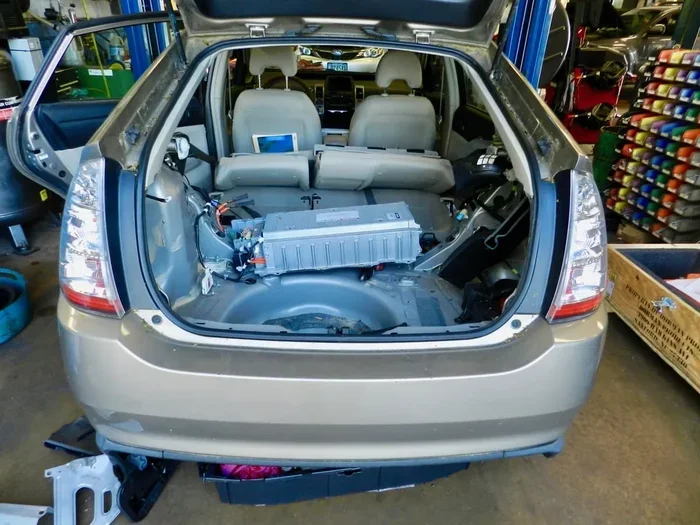
Can You Replace a Toyota Hybrid Battery Yourself Safely
You can replace a Toyota hybrid battery yourself, but it requires the right tools, safety gear, and a solid understanding of the high-voltage system. This guide covers everything from preparation and safety to step-by-step installation, costs, and post-replacement checks to help you decide if a DIY swap is right for you.
Replacing a Toyota hybrid battery might seem like a daunting task, but it is one of the most common DIY car repair projects that owners tackle every year. Whether your Toyota Prius battery has lost its capacity or your hybrid system is throwing warning lights, a fresh battery can breathe new life into your vehicle. Many car owners wonder if they can handle this job in their garage instead of paying a dealership hundreds or even thousands of dollars for the service.
The truth is that a DIY battery swap is absolutely doable if you follow the right steps and take the necessary precautions. However, working with a high-voltage system is not something to take lightly. One wrong move can lead to serious injury or damage to your vehicle. This guide will walk you through every stage of the process, from understanding how your hybrid battery works to completing the replacement safely and confidently.
By the time you finish reading, you will know exactly what tools you need, how much the job costs, what mistakes to avoid, and when it makes more sense to let a professional handle it. Let us dive in.
Key Takeaways
- DIY replacement is possible: With proper tools, safety gear, and patience, many owners successfully replace their Toyota hybrid battery at home.
- Safety comes first: The high-voltage system in Toyota hybrids demands strict safety precautions, including wearing insulated gloves and following proper discharge procedures.
- Costs vary widely: OEM batteries can cost $2,000-$4,000, while aftermarket options may save you hundreds of dollars.
- Reset the battery management system: After installation, you must reset the hybrid battery system to ensure proper charging and performance.
- Warranty matters: DIY replacement may void your hybrid battery warranty, so check your coverage before starting.
- Know when to call a pro: If you feel unsure at any point, seeking professional help protects both you and your vehicle.
📑 Table of Contents
Understanding Your Toyota Hybrid Battery System
Before you grab any tools, it helps to understand what you are working with. Toyota hybrid vehicles use a high-voltage battery system that is very different from the standard 12V battery under your hood. The hybrid battery pack is what powers the electric motor and works alongside the gasoline engine to deliver excellent fuel economy.
What Makes Hybrid Batteries Different
Your Toyota hybrid uses a battery management system (BMS) that monitors every individual cell in the pack. This system ensures that each module charges and discharges evenly. When one or more modules start to fail, the entire battery pack can lose performance. This is why many owners choose to replace the whole pack rather than repair individual cells.
The hybrid battery also connects to the 12V auxiliary battery, which powers your car’s computer systems, lights, and accessories. If the 12V battery dies, your hybrid system may not start at all, even if the high-voltage battery is in perfect condition. Always check both batteries when you experience starting issues.
Types of Toyota Hybrid Batteries
Toyota has used several types of hybrid batteries over the years. Older models like the first-generation Prius use NiMH (nickel-metal hydride) batteries. Newer models use lithium-ion technology, which is lighter and more energy-dense. The type of battery you have will determine the replacement process and the parts you need to order.
- NiMH batteries: Found in older Toyota hybrids (2001-2015). These are heavier but very durable.
- Lithium-ion batteries: Used in newer models (2016+). Lighter and more efficient but more expensive to replace.
- Lithium-ion modules: Some newer packs use removable modules, which can make replacement cheaper if only a few modules fail.
Can You Replace a Toyota Hybrid Battery Yourself?
The short answer is yes, you can replace a Toyota hybrid battery yourself. The longer answer is that it depends on your mechanical skills, your comfort level with high-voltage systems, and the specific Toyota model you own. Many online forums and YouTube channels show detailed walkthroughs of DIY battery replacements, and thousands of owners have done it successfully.
The DIY Approach: Pros and Cons
Before you decide, let us look at the real advantages and disadvantages of handling this job on your own.
Pros of DIY Replacement:
- Significant cost savings: You avoid labor charges, which can be $500-$1,500 at a dealership.
- Learning experience: You gain a deeper understanding of your vehicle’s hybrid system.
- Flexibility: You can work on your own schedule without waiting for a service appointment.
- Satisfaction: There is a real sense of accomplishment in completing a complex repair yourself.
Cons of DIY Replacement:
- Safety risks: The high-voltage system carries up to 274 volts, which can be lethal if mishandled.
- Warranty voiding: Opening the battery pack or performing the replacement yourself may void your hybrid battery warranty.
- Specialized tools required: You need specific equipment like insulated tools and a digital multimeter.
- Time commitment: The job can take 4-8 hours for a first-time installer.
Tools and Equipment You Will Need
Gathering the right tools before you start is essential. Here is what you will need for a Toyota hybrid battery replacement:
- Insulated rubber gloves rated for high-voltage work (Class 0 or higher)
- Safety glasses and face shield
- Digital multimeter
- Set of insulated torque wrenches
- Socket set and ratchet
- Toyota-specific service manual for your model year
- New hybrid battery pack (OEM or aftermarket)
- Wire brush and electrical contact cleaner
- Wheel chocks and jack stands
- Battery terminal cleaner tool
You can find the Toyota service manual online or through your local dealership. The manual provides torque specifications and wiring diagrams specific to your model, which is invaluable during the replacement process.
Step-by-Step Guide to Replacing Your Hybrid Battery
Now that you have your tools and your new battery, let us walk through the replacement process. Please note that this is a general guide. Always refer to your specific model’s service manual for exact procedures.
Safety First: Preparing for the Job
Safety cannot be overstated when working with a Toyota hybrid battery. The high-voltage orange cables carry enough power to cause serious harm or death if mishandled.
Start by parking your car on a flat, level surface and engaging the parking brake. Turn the ignition off and remove the key. Place wheel chocks behind the rear wheels to prevent any movement. Put on your insulated gloves and safety glasses before touching any wires or connectors.
Next, you need to disconnect the 12V auxiliary battery. This is typically located under the hood or in the trunk, depending on your model. Use your wrench to loosen the negative terminal first, then the positive terminal. This step reduces the risk of electrical shorts during the replacement.
Wait at least 10 minutes after disconnecting the 12V battery. This allows the high-voltage system to discharge through the capacitor. You can verify the voltage is safe by checking the orange high-voltage cables with your multimeter. The voltage should read below 50 volts before you proceed.
Removing the Old Battery
With the system safely discharged, you can now begin removing the old battery pack. Depending on your Toyota model, the battery may be located under the rear seat, in the trunk, or under the vehicle.
Remove any covers or trim pieces that block access to the battery housing. Use your socket set to remove the mounting bolts that secure the battery in place. Keep track of every bolt and washer, as they may have different lengths and torque requirements.
Once the battery is loose, carefully disconnect the high-voltage wiring harness. The connectors are color-coded, with orange being the high-voltage cables. Press the locking tab and pull the connector straight out. Never pull on the wires themselves. Take photos of every connection before you disconnect it, as this will make reassembly much easier.
Lift the old battery out of its housing. Toyota hybrid batteries can weigh 100 pounds or more, so use proper lifting techniques or get a helper. Place the old battery in a safe location away from heat sources and flammable materials.
Installing the New Battery
Before you place the new battery in the housing, inspect the area for any corrosion or damage. Clean the battery terminals with a wire brush and electrical contact cleaner. Make sure the wiring harness connectors are free of debris and moisture.
Carefully lower the new battery into the housing, making sure it is aligned correctly with the mounting points. Reinstall the mounting bolts and tighten them to the torque specifications listed in your service manual. Over-tightening can crack the battery housing, so use a torque wrench and follow the guidelines exactly.
Reconnect the high-voltage wiring harness by plugging each connector back in until you hear the locking click. Double-check every connection against your photos to make sure nothing is missed or reversed.
Reconnect the 12V auxiliary battery, starting with the positive terminal and then the negative terminal. Make sure both connections are tight and free of corrosion.
How Much Does Hybrid Battery Replacement Cost?
Cost is one of the biggest factors in deciding whether to DIY or go to a dealership. The price of a Toyota hybrid battery replacement can vary dramatically depending on the battery type, your model, and whether you choose OEM or aftermarket parts.
OEM vs Aftermarket Batteries
OEM batteries come directly from Toyota or an authorized supplier. They carry the full manufacturer warranty and are guaranteed to match your original specifications. Aftermarket batteries are made by third-party manufacturers and can cost significantly less, but quality varies widely between brands.
| Battery Type | Price Range | Warranty | Best For |
|---|---|---|---|
| OEM Toyota Battery | $2,000 – $4,500 | 8-10 years | Peace of mind and warranty coverage |
| Aftermarket New | $1,200 – $2,500 | 3-5 years | Budget-conscious DIYers |
| Reconditioned | $800 – $1,800 | 1-3 years | Temporary or short-term use |
| Rebuilt Modules | $500 – $1,200 | 1 year | Single-module failures |
Cost Breakdown
When you factor in the cost of a new battery, the savings from DIY labor become clear. A dealership might charge $3,500-$6,000 for the entire job, including parts and labor. By purchasing the battery yourself and doing the work, you can often complete the replacement for $1,500-$3,000 depending on your battery choice.
If you want to explore options, getting a free diagnostic on your car at a local shop can help confirm that the hybrid battery is indeed the problem before you invest in a replacement.
Common Mistakes to Avoid
Even experienced DIYers can make mistakes when replacing a hybrid battery. Here are the most common errors to watch out for:
- Skipping the discharge procedure: Never work on the high-voltage system without first discharging it properly. This is the single most important safety step.
- Using non-insulated tools: Standard metal tools can create short circuits on the high-voltage system. Always use insulated tools rated for hybrid work.
- Forgetting to reset the BMS: After installation, the battery management system needs to be reset. Failing to do this can cause charging errors and warning lights.
- Mixing battery types: Never combine NiMH and lithium-ion components. They have different voltage profiles and charging characteristics.
- Ignoring the 12V battery: A weak 12V battery can cause hybrid system errors even after a successful high-voltage battery replacement.
- Not checking the warranty: DIY replacement may void your remaining warranty. Always check with Toyota before proceeding if your vehicle is still under warranty.
Post-Replacement: What to Expect
Once the new battery is installed, there are a few important steps to ensure everything works correctly.
Resetting the Battery Management System
After you reconnect the 12V battery, turn the ignition to the “ON” position without starting the engine. Wait for the hybrid system to complete its self-check. You may see warning lights on the dashboard, which is normal. Start the engine and let it idle for several minutes while the BMS relearns the new battery.
Some models require you to drive a specific pattern for the system to fully reset. Check your service manual for the exact procedure. You may also need to use a diagnostic tool to clear any stored error codes.
Monitoring Your New Battery
For the first few weeks after replacement, keep an eye on your hybrid system indicators. If you see any warning lights, such as the hybrid system warning light or the check engine light, have the vehicle inspected promptly. Most new batteries should show improved fuel economy and smoother operation within a few driving cycles.
You can also check your local emissions testing requirements. If your vehicle has been flagged for emissions issues, a fresh hybrid battery may help you pass emissions with VSC light on or resolve related check engine codes. However, always address the root cause of any warning lights before assuming the battery is the only issue.
When to Seek Professional Help
There is no shame in calling a professional if the job feels beyond your skill level. Hybrid battery replacement is a complex task, and safety should always come first.
Warranty Considerations
If your Toyota is still under the original factory warranty or an extended hybrid battery warranty, DIY replacement is almost always a bad idea. The warranty will likely be voided, and you could end up paying for both the DIY repair and a dealership fix if something goes wrong. In these cases, it is best to visit your Toyota dealership or an authorized hybrid repair center.
If you are unsure about your warranty status, you can always contact Toyota customer service or visit your local dealer. They can look up your vehicle identification number and tell you exactly what is covered.
Signs You Need a Pro
Certain situations clearly call for professional assistance. If you see sparks when disconnecting any wiring, if the high-voltage cables are damaged or corroded, or if you feel uncomfortable at any point during the process, stop and seek help. You can also call 911 to get your keys out of your car if you accidentally lock yourself out during the repair and cannot access your spare set.
A qualified hybrid technician has the training, experience, and diagnostic equipment to handle complex battery replacements safely. The extra cost of professional service is often worth the peace of mind, especially if this is your first hybrid battery job.
Conclusion
Replacing a Toyota hybrid battery yourself is a challenging but rewarding project that can save you significant money and give you a deeper understanding of your vehicle. With the right tools, safety precautions, and patience, a DIY battery swap is well within reach for most mechanically inclined owners.
Remember to always prioritize safety when working with the high-voltage hybrid system. Follow each step carefully, take your time, and do not hesitate to seek professional help if you encounter anything you are unsure about. Whether you choose to handle the job yourself or visit a professional, a new hybrid battery can restore your Toyota’s performance and fuel efficiency for years to come.
Before you start, make sure you have all the right parts, tools, and information. Check your warranty, read your service manual, and watch a few instructional videos for your specific model. Preparation is the key to a successful and safe hybrid battery replacement.
Frequently Asked Questions
How long does it take to replace a Toyota hybrid battery yourself?
Most DIYers complete the job in 4 to 8 hours, depending on their experience level and the specific Toyota model. Your first attempt may take longer as you familiarize yourself with the process and wiring layout.
Is it safe to work on a Toyota hybrid battery without professional training?
It can be safe if you follow all safety procedures carefully, including wearing insulated gloves, discharging the high-voltage system, and using the right tools. However, if you have any doubts, it is always best to consult a professional.
Can I use an aftermarket battery instead of an OEM Toyota hybrid battery?
Yes, aftermarket batteries are a viable option for many owners. They can save you hundreds of dollars, but make sure you choose a reputable brand with good reviews and a solid warranty. Aftermarket batteries may not match the exact specifications of OEM units.
Will replacing my hybrid battery void my Toyota warranty?
It depends on your warranty terms and whether you perform the replacement yourself. In many cases, DIY work on the hybrid battery can void the remaining warranty. Check with your Toyota dealer before starting the job if your vehicle is still under coverage.
How do I know if my Toyota hybrid battery needs replacement?
Common signs include reduced fuel economy, the check engine light, hybrid system warning lights, and the vehicle running more on the gasoline engine than usual. You can get a free diagnostic on your car at many auto parts stores to confirm the battery is the issue.
What should I do with my old hybrid battery?
Toyota hybrid batteries contain valuable materials and should never be thrown in the trash. Take your old battery to a certified recycling center or return it to your Toyota dealership. Many recycling programs accept hybrid batteries and properly recover the nickel, lithium, and other materials inside.