Ant Spray for Car The Best Solution for Ant Infestation
Ant spray for car is the fastest and most effective way to tackle ant infestations inside your vehicle. Whether ants are nesting in your dashboard, crawling across your dashboard, or invading your car carpet, the right spray can eliminate them quickly and safely. This guide covers the top products, application methods, natural alternatives, and prevention tips to help you reclaim your car from ants for good.
Finding ants inside your car is one of the most frustrating experiences for any driver. You are driving down the road, and suddenly you notice tiny trails crawling across your dashboard or nesting in your car carpet. Ants in a car can turn a simple commute into a nightmare. The good news is that ant spray for car offers a fast, reliable solution to this common problem.
Whether you are dealing with a few stray ants or a full-blown car ant infestation, this guide has everything you need. We will walk you through the best products, how to apply them correctly, and how to prevent ants from coming back. By the end, you will feel confident about tackling any ant problem in your vehicle.
Key Takeaways
- Fast Action: Ant spray for car delivers quick results, killing ants on contact and breaking down colonies inside your vehicle.
- Multiple Options: You can choose from chemical sprays, natural repellents, and bait-based products depending on the severity of the infestation.
- Safe Application Matters: Always ventilate your car and follow product instructions to protect your health and car interior.
- Prevention Is Key: Regular cleaning and sealing entry points stops ants from returning after treatment.
- Know When to Call a Pro: Severe or recurring infestations may require professional pest control services.
- Natural Alternatives Work: Vinegar, peppermint oil, and diatomaceous earth offer effective chemical-free solutions for mild ant problems.
📑 Table of Contents
- Why Ants Invade Your Car
- Best Ant Sprays for Cars
- How to Use Ant Spray in Your Car
- Natural vs Chemical Ant Sprays for Cars
- Preventing Ants from Coming Back to Your Car
- When to Call a Professional for Car Ant Infestation
- Common Mistakes People Make When Dealing with Ants in Cars
- Expert Insights on Car Ant Control
- Key Takeaways
- Conclusion
Why Ants Invade Your Car
Ants are constantly searching for food and water. Your car can seem like a paradise to them. Crumbs from your morning pastry, a spilled soda, or even the sweet residue from a fruit you ate last week can attract ants. Once a scout ant finds a food source, it leaves a pheromone trail for the rest of the colony to follow.
Common Attractants Inside Vehicles
- Food crumbs and debris: Even tiny bits of food draw ants into your car.
- Sugary spills: Soda, juice, and candy residue create a strong scent trail.
- Pet food: If you transport pet food or treats, ants will notice.
- Moisture: A wet floor mat or condensation near your AC vents can attract moisture-seeking ants.
- Warm engine heat: Ants often nest near car engines because the warmth feels like a cozy home.
Understanding why ants enter your car is the first step toward solving the problem. Once you remove the attractants, your ant spray for car will work much more effectively.
Best Ant Sprays for Cars
Not all ant sprays are created equal. Some are designed for indoor home use, while others are specifically formulated for automotive applications. Choosing the right product makes a huge difference in how quickly and safely you can eliminate ants from your vehicle.
Chemical Ant Sprays
Chemical sprays are the most popular choice for car ant removal. They contain active ingredients like pyrethroids that kill ants on contact. These products work fast and provide residual protection, meaning they keep killing ants for days after application.
Look for sprays labeled safe for indoor or automotive use. Brands like Raid, Hot Shot, and Ortho offer options that work well in vehicles. Always check the label to make sure the product is safe for use around car interiors, electronics, and upholstery.
Natural Ant Sprays
If you prefer a chemical-free approach, natural ant sprays are a great alternative. These products use essential oils like peppermint, tea tree, and lemon to repel ants. They do not kill ants as quickly as chemical sprays, but they are safe for your car interior and your family.
You can also make your own natural spray at home. Mix equal parts water and white vinegar in a spray bottle, add a few drops of peppermint oil, and spray directly on ant trails. This simple solution disrupts the pheromone trails and keeps ants away.
Ant Baits for Cars
Ant baits are another effective option. You place small bait stations or gel baits near ant trails inside your car. The ants carry the bait back to their nest, which kills the entire colony. Baits work slower than sprays, but they are excellent for eliminating the root cause of the infestation.
Popular options include Terro ant bait stations and Advion ant gel. These products are compact and easy to place under seats or in door panels without taking up much space.
How to Use Ant Spray in Your Car
Using ant spray for car the right way ensures maximum effectiveness. Simply spraying everywhere will not solve the problem. You need a targeted approach that addresses both the ants you see and the colony they came from.
Step-by-Step Application Guide
- Identify the ant trails: Follow the ants to see where they are entering and exiting your car. Common entry points include door seals, window gaps, and vents.
- Clean the area thoroughly: Vacuum all seats, floor mats, and crevices. Wipe down surfaces with a mild cleaner to remove food residue and pheromone trails.
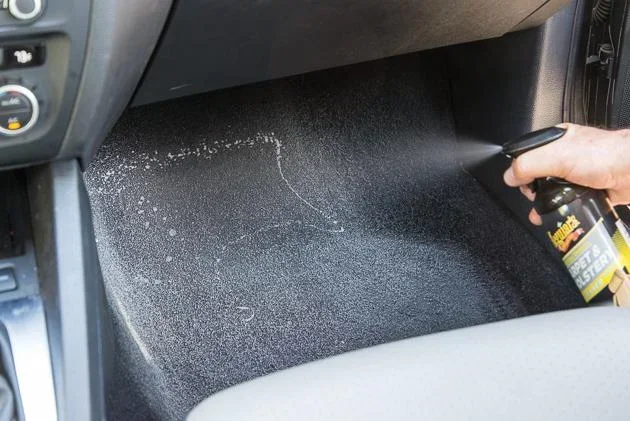
- Apply the spray directly on ant trails: Spray the ant spray for car directly on the paths ants use. Focus on entry points and any visible nests.
- Use bait stations as a supplement: Place bait stations near the trails after spraying. This ensures the colony is fully eliminated.
- Repeat the treatment: Most sprays require a second application within 24 to 48 hours for complete results.
- Ventilate your car: Open all doors and windows for at least 30 minutes after spraying to allow fumes to dissipate.
Safety Tips When Using Ant Spray in Cars
- Never spray directly on electronic screens or touchscreens.
- Avoid spraying near your car air vents, as the chemicals can circulate through the cabin.
- Keep sprays away from open flames or heat sources.
- Store ant products out of reach of children and pets.
- Wash your hands thoroughly after application.
Following these safety tips ensures that your ant control efforts do not create new problems inside your vehicle.
Natural vs Chemical Ant Sprays for Cars
One of the biggest decisions you will face is choosing between natural and chemical ant sprays. Both have their strengths and weaknesses, and the right choice depends on your situation.
| Feature | Chemical Sprays | Natural Sprays |
|---|---|---|
| Speed of Action | Kills on contact within seconds | Repels ants; slower results |
| Residual Protection | Lasts 2 to 4 weeks | Lasts 1 to 3 days |
| Safety for Car Interior | Use with caution near fabrics | Safe for all surfaces |
| Safety for Humans and Pets | Contains harsh chemicals | Non-toxic and gentle |
| Cost | Moderate ($5 to $15) | Low ($3 to $10) |
| Best For | Severe infestations | Mild ant problems |
For severe car ant infestations, chemical sprays are usually the better choice. They kill ants fast and provide long-lasting protection. However, if you have children or pets who frequently ride in your car, a natural spray is a safer option.
Many people find success by combining both approaches. Use a chemical spray for immediate results, then switch to a natural deterrent for ongoing prevention.
Preventing Ants from Coming Back to Your Car
Killing the ants you see is only half the battle. The real challenge is keeping ants out of your car for good. Prevention is the most important part of any ant control strategy.
Daily Habits That Prevent Ant Infestations
- Never eat inside your car: Crumbs and spills are the number one attractant for ants.
- Clean up spills immediately: Even a small drop of juice can draw ants within hours.
- Take out the trash regularly: Do not let garbage sit in your car for days.
- Keep your car floor mats clean: Shake them out and vacuum them at least once a week.
- Seal food containers: If you must transport food, use airtight containers.
Sealing Entry Points
Ants can enter your car through the tiniest gaps. Inspect your car for cracks in door seals, gaps around windows, and openings near the firewall. Use weather stripping or caulk to seal these entry points. Pay special attention to areas where ant spray for car was applied, because ants may try to find alternative routes.
Using Ant Deterrents for Ongoing Protection
After treating your car with ant spray, consider using natural deterrents to keep ants from returning. Sprinkling diatomaceous earth near entry points creates a barrier that ants will not cross. Placing cotton balls soaked in peppermint oil under seats also works as a long-lasting repellent.
You can also place small ant bait traps in your trunk or under seats as a preventive measure. These traps monitor for ant activity and eliminate small colonies before they become a bigger problem.
When to Call a Professional for Car Ant Infestation
Most ant problems can be solved with a good ant spray for car and some basic prevention. However, there are times when professional help is necessary.
If you notice a large number of ants every morning despite regular spraying, the colony may be deeply established inside your car’s structure. Ants can build nests inside dashboard cavities, behind console panels, and even inside engine compartments. These hidden nests are difficult to reach with store-bought sprays.
Also, if you suspect you are dealing with carpenter ants, call a professional immediately. Carpenter ants can cause structural damage to your vehicle over time. They are larger than typical house ants and often appear black or dark red in color.
A professional pest control service will have access to industrial-grade products and tools that can reach hidden nests inside your car. While this option costs more than DIY treatment, it provides a thorough and lasting solution for serious infestations.
Common Mistakes People Make When Dealing with Ants in Cars
Avoiding common mistakes can save you time, money, and frustration. Here are the pitfalls most people fall into when trying to eliminate ants from their vehicles.
Mistake 1: Spraying Without Cleaning First
Many people grab a can of ant spray and spray their car without cleaning first. This is a mistake. Ants follow pheromone trails, and if you do not remove those trails, the ants will simply find their way back. Always clean the area before applying any ant control product.
Mistake 2: Using the Wrong Product
Not every ant spray works the same way. Some sprays kill on contact but leave no residual effect. Others provide lasting protection but take longer to work. Make sure you choose a product suited for automotive use and the type of ant problem you are facing.
Mistake 3: Ignoring the Colony
Killing the ants you see does not solve the problem if the colony is still alive. The queen ant is the heart of the colony. If you do not eliminate her, the ants will keep coming. This is why combining spray with bait is so effective.
Mistake 4: Over-Spraying
More spray does not mean better results. Over-spraying can damage your car’s upholstery, leave sticky residues, and create strong chemical odors that are hard to remove. Use the product as directed and apply it sparingly but strategically.
Expert Insights on Car Ant Control
Professional pest control experts agree that consistency is the key to long-term car ant control. According to industry specialists, treating your car once is not enough. You need to repeat the treatment every two weeks for at least two months to ensure the entire colony is eliminated.
Experts also recommend seasonal prevention. Ant activity increases during spring and summer months when temperatures rise. Start applying ant deterrents in your car before the season begins to stay ahead of the problem.
One expert tip that many drivers overlook is checking your car’s undercarriage. Ants often nest in the warm, sheltered areas beneath the vehicle. A quick inspection under your car once a week can help you catch infestations early before they spread inside the cabin.
Key Takeaways
- Ant spray for car works fast: Chemical sprays kill ants on contact, while natural sprays repel them effectively.
- Clean first, spray second: Always remove food residue and pheromone trails before applying any product.
- Combine sprays with baits: Using both methods ensures you kill visible ants and eliminate the hidden colony.
- Prevent re-infestation: Seal entry points, avoid eating in your car, and use natural deterrents for ongoing protection.
- Call a pro for serious problems: Large or recurring infestations may require professional pest control services.
- Be consistent: Repeat treatments and stay vigilant, especially during peak ant seasons in spring and summer.
Conclusion
Dealing with ants in your car does not have to be a constant battle. With the right ant spray for car, a solid cleaning routine, and smart prevention habits, you can keep your vehicle ant-free all year long. The key is to act quickly when you first notice ants, use the right products for the severity of the infestation, and stay consistent with your prevention efforts.
Remember that every car is different, and what works for one driver may not work for another. Experiment with different products and methods until you find the combination that works best for your situation. Whether you choose a strong chemical spray, a gentle natural alternative, or a combination of both, the goal is the same: a clean, ant-free car that you can enjoy driving every day.
Take action today. Identify the ant trails, grab your ant spray for car, and follow the steps outlined in this guide. Your car will be free of ants in no time, and you will have the knowledge to prevent them from ever coming back.
Frequently Asked Questions
What is the best ant spray for car interiors?
The best ant spray for car interiors depends on your needs. Chemical sprays like Raid and Hot Shot offer fast contact kill and residual protection. Natural options like peppermint oil sprays are safer for families with children and pets. For most drivers, a combination of a chemical spray for immediate results and a bait station for long-term colony elimination works best.
How long does ant spray take to work in a car?
Most ant sprays for cars start killing ants on contact within seconds. However, full colony elimination takes longer. You should see a significant reduction in ant activity within 24 to 48 hours. For complete results, repeat the treatment after one week and continue using deterrents for at least two months.
Is ant spray safe to use in a car with children?
Chemical ant sprays contain strong ingredients that may not be safe around children. If you have kids in your car frequently, opt for natural ant sprays or bait stations placed out of reach. Always ventilate your car well after spraying and wait until the smell completely disappears before letting children ride in the vehicle.
Can ants damage my car?
Most ants do not cause physical damage to cars. However, carpenter ants can chew through wood and soft materials inside your vehicle. Fire ants can deliver painful stings if disturbed. Additionally, large ant colonies nesting near your car’s engine can potentially interfere with sensors and wiring over time.
How do I keep ants from coming back to my car?
Keep your car clean and free of food debris. Avoid eating inside your car and clean up spills immediately. Seal any gaps or cracks where ants can enter. Use natural deterrents like peppermint oil or diatomaceous earth near entry points. Regular vacuuming and wiping down surfaces removes the pheromone trails that attract ants.
Can I use household ant spray in my car?
Yes, most household ant sprays work in cars, but you should check the label first. Avoid sprays with strong residues that could stain upholstery or leave lingering odors. Also, do not spray near your car’s air vents, as the chemicals can circulate through the cabin and affect air quality inside the vehicle.