Are Toyota Sequoias Expensive to Maintain Over Time
Toyota Sequoias are moderately expensive to maintain compared to smaller vehicles, but they hold up well over time thanks to Toyota’s legendary reliability. The average annual maintenance cost runs around $700 to $900, with major repairs like suspension and transmission work costing more as the vehicle ages. Staying on top of routine service and using quality parts can significantly reduce long-term ownership expenses.
Owning a Toyota Sequoia comes with a lot of perks. It is a massive, comfortable SUV that handles towing, road trips, and daily commutes with ease. But one question keeps popping up among buyers and current owners: are Toyota Sequoias expensive to maintain?
The short answer is no, not really. When you compare the Toyota Sequoia maintenance cost to other large SUVs in its class, the Sequoia holds its own pretty well. Toyota built this vehicle with durability in mind, and that reputation shows up in the long-term ownership experience. That said, no vehicle is free from upkeep, and the Sequoia is no exception.
In this guide, we are going to break down everything you need to know about Toyota Sequoia ownership costs. From routine oil changes to major suspension repairs, we will cover the real numbers, the common problems, and the best ways to keep your Sequoia running strong without breaking the bank. Whether you are thinking about buying one or already own one, this article has you covered.
Key Takeaways
- Average annual maintenance: Expect to spend $700-$900 per year on routine Toyota Sequoia upkeep.
- Toyota reliability shines: With proper care, a Sequoia can easily surpass 200,000 miles with minimal major issues.
- Parts are reasonably priced: Toyota parts cost less than many luxury competitors, making repairs more affordable.
- Common expensive repairs: Suspension components, transmission service, and brake jobs are the biggest cost drivers.
- DIY-friendly maintenance: Many routine tasks like oil changes and air filter replacements are simple to do at home.
- Resale value stays strong: Sequoias depreciate slower than many large SUVs, offsetting maintenance costs over time.
- Preventive care saves money: Regular fluid changes and inspections prevent costly breakdowns down the road.
📑 Table of Contents
- What Makes Up Toyota Sequoia Maintenance Costs?
- Toyota Sequoia Repair Costs by Category
- Toyota Sequoia Parts Cost and Availability
- Common Toyota Sequoia Problems and How to Avoid Them
- How to Reduce Your Toyota Sequoia Maintenance Expenses
- Toyota Sequoia Long-Term Ownership: Is It Worth It?
- Toyota Sequoia Maintenance Cost Comparison
- Quick Tips for Keeping Your Sequoia in Top Shape
- Expert Insights on Toyota Sequoia Ownership
- Key Takeaways
- Conclusion
What Makes Up Toyota Sequoia Maintenance Costs?
Understanding where your money goes is the first step to managing Toyota Sequoia maintenance costs. The costs break down into a few main categories, and each one plays a role in your overall ownership experience.
Routine Maintenance
Routine maintenance is the bread and butter of keeping any vehicle healthy. For the Toyota Sequoia, this includes oil changes, tire rotations, brake inspections, and fluid top-offs. Most owners spend between $150 and $300 per oil change, depending on whether you use conventional or synthetic oil. The Sequoia typically needs an oil change every 5,000 to 7,500 miles, which adds up to about two to three changes per year for the average driver.
Beyond oil changes, you will also need new brake pads every 30,000 to 50,000 miles. The Sequoia is a heavy vehicle, so the brakes do more work than they would on a lighter car. Expect to pay $200 to $400 per axle for brake pad replacement. Tire replacements are another regular expense, especially if you use the Sequoia for towing or off-roading.
Scheduled Services
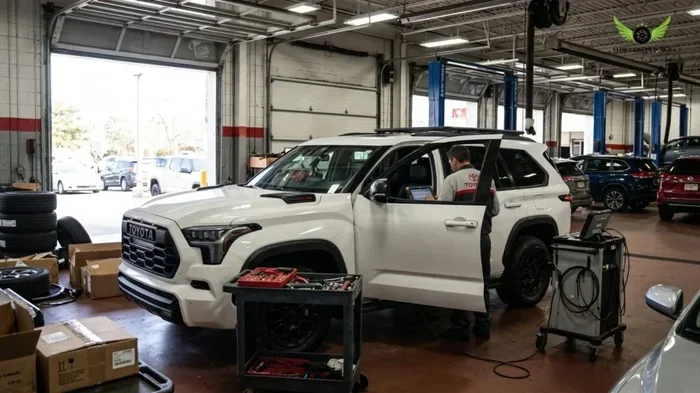
Toyota follows a clear maintenance schedule, and sticking to it helps prevent bigger problems later. At 30,000 miles, you will need a cabin air filter and engine air filter replacement. At 60,000 miles, the transmission fluid and spark plugs come into play. These scheduled services can range from $200 to $600 each, depending on what is being serviced.
The good news is that Toyota service centers and independent shops can handle all of these tasks. You are not locked into dealership pricing, which gives you more flexibility to manage your budget.
Toyota Sequoia Repair Costs by Category
Not all repairs are created equal. Some are minor and affordable, while others can hit your wallet hard. Here is a closer look at the most common Toyota Sequia repair categories and what they typically cost.
Brake System Repairs
Brake repairs are one of the most frequent expenses for Sequoia owners. Because the Sequoia weighs around 5,500 to 6,000 pounds, the braking system works hard. Front brake pads and rotors typically need replacement every 40,000 to 60,000 miles. A full brake job on the front can cost $300 to $500, while the rear brakes may run $250 to $450.
Brake fluid flushes are also important and should happen every two years. This is a relatively affordable service, usually costing $80 to $120. Skipping brake fluid changes can lead to corrosion inside the brake lines, which is a much more expensive problem to fix.
Suspension and Steering
The suspension system on the Toyota Sequoia takes a beating, especially if you haul heavy loads or drive on rough roads. Common suspension repairs include replacing shock absorbers, control arms, and ball joints. A set of front shock absorbers can cost $400 to $800 for parts and labor. Control arm replacements typically run $300 to $600 per side.
Steering components like tie rod ends and steering racks also wear over time. Tie rod replacements are relatively affordable at $150 to $300, but a steering rack replacement can cost $1,000 or more. Staying on top of alignment checks every 6,000 miles can help extend the life of these components.
Engine and Transmission
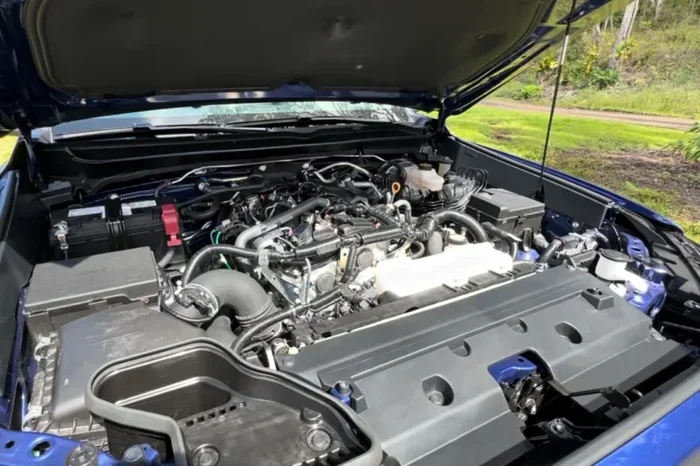
The 5.7-liter V8 engine in the Toyota Sequoia is a proven powerhouse. It is known for lasting well beyond 200,000 miles with proper care. Routine engine maintenance like spark plug replacements and timing chain inspections keeps things running smoothly. Spark plug changes cost around $200 to $300, and the timing chain typically does not need replacement unless there is a specific issue.
Transmission service is another important item. The 6-speed automatic transmission in the Sequoia needs fluid changes every 60,000 miles. A transmission fluid and filter change costs $200 to $350. Neglecting this service can lead to transmission problems, which are among the most expensive repairs any vehicle can have.
Cooling System
The cooling system keeps the Sequoia’s big V8 from overheating. Radiator hoses, thermostats, and water pumps are all common wear items. Replacing a thermostat costs $150 to $250, while a water pump replacement runs $300 to $500. Radiator repairs or replacements can be more costly, ranging from $400 to $900 depending on the extent of the damage.
One thing to watch for on older Sequoias is coolant leaks. These can develop at the radiator, hoses, or water pump. Catching a small leak early prevents it from turning into a major overheating problem, which can cause engine damage.
Toyota Sequoia Parts Cost and Availability
One of the advantages of owning a Toyota is the availability and affordability of parts. Toyota parts are widely distributed, which means you have many options for sourcing them. But how do the parts costs compare to other vehicles?
OEM vs. Aftermarket Parts
When it comes to maintaining your Sequoia, you have two main options: OEM (Original Equipment Manufacturer) parts and aftermarket parts. OEM parts are made by Toyota or their suppliers and match the exact specifications of your vehicle. Aftermarket parts are made by third-party manufacturers and are often more affordable.
OEM parts typically cost 10 to 30 percent more than aftermarket alternatives. For critical safety components like brakes and suspension parts, many owners prefer OEM parts for peace of mind. For less critical items like air filters and wiper blades, aftermarket parts are a perfectly fine and budget-friendly choice.
How Parts Costs Compare
Compared to vehicles like the Chevrolet Suburban or the Ford Expedition, Toyota Sequoia parts tend to be more affordable. The widespread availability of Toyota parts means competition among suppliers keeps prices reasonable. In contrast, some domestic brands have higher parts costs due to fewer independent suppliers.
For example, a set of brake pads for a Sequoia might cost $40 to $60 for the aftermarket version, while equivalent pads for a luxury SUV could easily run $80 to $120. Over the life of the vehicle, these savings add up significantly.
Common Toyota Sequoia Problems and How to Avoid Them
Every vehicle has its quirks, and the Toyota Sequoia is no exception. Knowing what problems to watch for helps you catch issues early and avoid costly repairs.
Transmission Hesitation
Some older Sequoias, particularly models from the 2005 to 2010 range, have experienced transmission hesitation or rough shifting. This is often caused by low transmission fluid or worn transmission solenoids. Regular fluid changes are the best prevention. If you notice any shifting irregularities, have it checked immediately. Early intervention is always cheaper than letting a problem worsen.
Rear Suspension Wear
The rear suspension on the Sequoia is a solid axle design, which is durable but does wear over time. Common issues include worn rear shocks and leaf spring problems. If you notice a rough ride or uneven tire wear in the rear, have the suspension inspected. Replacing rear shocks typically costs $300 to $500 for a pair, which is a worthwhile investment for ride quality and safety.
Electrical Issues
Like many vehicles with age, older Sequoias can develop electrical gremlins. These might include flickering lights, faulty power window switches, or sensor malfunctions. Most electrical issues are relatively minor and affordable to fix, but they can be frustrating. Keeping connections clean and replacing worn wiring harnesses prevents many of these problems.
How to Reduce Your Toyota Sequoia Maintenance Expenses
The good news is that there are plenty of ways to keep your Toyota Sequoia maintenance cost lower over the long haul. A little proactive effort goes a long way.
Stick to the Maintenance Schedule
This might sound obvious, but following the recommended maintenance schedule is the single best way to avoid expensive repairs. Toyota provides a clear maintenance guide in the owner’s manual. Stick to the intervals for oil changes, fluid flushes, and inspections. Skipping services might save a little money now but can lead to much bigger bills later.
Learn Basic DIY Maintenance
Many routine maintenance tasks are simple enough to do at home with basic tools. Changing your own oil, replacing air filters, swapping out wiper blades, and adding washer fluid are all tasks most Sequoia owners can handle in their garage. These small savings add up to hundreds of dollars per year.
You do not need fancy equipment either. A basic jack, jack stands, and a set of wrenches are all you need for most undercarage work. There are plenty of online tutorials specific to the Toyota Sequoia that walk you through each step.
Build a Relationship with a Trusted Mechanic
Finding a reliable independent mechanic who knows Toyotas well can save you a significant amount of money over dealership pricing. Independent shops typically charge 30 to 50 percent less for labor. A good mechanic will also be honest about which repairs are urgent and which can wait, helping you prioritize your spending.
Buy Parts Smart
You do not always need to buy parts from the dealership. Online retailers and local auto parts stores often carry the same parts at lower prices. Just make sure you are buying from reputable sources. For critical safety components like brakes and suspension parts, stick with trusted brands that meet or exceed OEM specifications.
Toyota Sequoia Long-Term Ownership: Is It Worth It?
When you look at the big picture, the Toyota Sequoia holds up remarkably well as a long-term vehicle. The 5.7-liter V8 engine and robust body-on-frame construction are built to last. Many Sequoias with 200,000 or even 300,000 miles are still on the road, running strong.
The key to long-term ownership success is consistency. Regular maintenance, prompt attention to small issues, and smart parts choices all contribute to a Sequoia that stays reliable for years. Yes, the maintenance cost is higher than a smaller vehicle, but the durability and capability of the Sequoia make those costs worthwhile for most owners.
When you factor in the vehicle’s strong resale value, the overall cost of ownership becomes even more reasonable. Sequoias depreciate more slowly than many competitors, meaning you lose less money when it is time to sell or trade in. This resale value partially offsets the higher maintenance costs that come with owning a large SUV.
Toyota Sequoia Maintenance Cost Comparison
How does the Sequoia stack up against other large SUVs? Let us take a quick look.
- Toyota Sequoia: Average annual maintenance cost of $700-$900. Known for reliability and affordable parts.
- Chevrolet Suburban: Average annual maintenance of $800-$1,000. Parts costs are slightly higher due to brand positioning.
- Ford Expedition: Average annual maintenance of $850-$1,100. Transmission and electrical issues can add to costs.
- GMC Yukon: Average annual maintenance of $750-$950. Similar to the Suburban with GM powertrain components.
- Cadillac Escalade: Average annual maintenance of $1,000-$1,300. Luxury parts and specialized service drive costs higher. If you are curious about luxury SUV parts pricing, check out our article on are Cadillac parts expensive for a detailed breakdown.
As you can see, the Toyota Sequoia sits comfortably in the lower half of the cost spectrum for large SUVs. Its combination of reliability, affordable parts, and widespread service availability makes it one of the more cost-effective choices in the full-size SUV segment.
Quick Tips for Keeping Your Sequoia in Top Shape
- Change your oil every 5,000 miles with quality synthetic oil to protect the engine.
- Check tire pressure monthly. Properly inflated tires improve fuel economy and wear evenly.
- Rotate tires every 5,000 to 7,500 miles to maximize tread life.
- Flush the coolant every 60,000 miles to prevent overheating and corrosion.
- Inspect the serpentine belt at every oil change and replace it if you see cracks or wear.
- Keep up with transmission fluid changes every 60,000 miles to avoid costly transmission repairs.
- Wash the undercarriage regularly, especially in winter, to prevent rust and corrosion.
- Address small noises or warning lights immediately. Ignoring them almost always leads to bigger problems.
Expert Insights on Toyota Sequoia Ownership
According to data from RepairPal, the average annual repair cost for a Toyota Sequoia is around $665, which is slightly below the average for full-size SUVs. Toyota ranks among the top brands for long-term reliability, and the Sequoia is no exception. Owners who follow the maintenance schedule and address issues promptly report fewer major problems and lower overall costs.
Mechanics who specialize in Toyotas often note that the Sequoia’s simplicity is its strength. The 5.7-liter V8 is a proven design that has been refined over many years. There are fewer complex electronics to fail compared to some newer competitors. This mechanical simplicity translates directly to lower repair costs and fewer unexpected breakdowns.
One expert tip from seasoned Sequoia owners: always keep a record of every service and repair. A complete maintenance log not only helps you stay on track with upcoming services but also adds significant value if you decide to sell the vehicle. Buyers pay more for well-documented maintenance history.
Key Takeaways
- Routine maintenance costs are manageable: Budget $700 to $900 per year for normal upkeep.
- Major repairs are uncommon: The 5.7 V8 and robust drivetrain are built for longevity.
- Parts are affordable and widely available: Toyota’s parts network keeps costs competitive.
- DIY maintenance saves real money: Simple tasks like oil and filter changes are easy to do at home.
- Resale value offsets costs: Sequoias hold their value better than most large SUVs.
- Preventive care is the best strategy: Staying current with scheduled services prevents expensive breakdowns.
- The Sequoia competes well on cost: It is more affordable to maintain than many luxury and domestic competitors.
Conclusion
So, are Toyota Sequoias expensive to maintain over time? The answer is a qualified no. The Toyota Sequoia maintenance cost is reasonable for a vehicle of its size and capability. With average annual costs in the $700 to $900 range, the Sequoia is one of the more affordable large SUVs to own and operate.
The real secret to keeping costs low is simple: stay on top of routine maintenance, address small issues before they become big ones, and use quality parts. A well-cared-for Sequoia can easily go 200,000 miles or more with only minor repairs along the way. That kind of longevity and reliability is hard to beat.
If you are on the fence about buying a Sequoia, do not let maintenance concerns hold you back. The numbers speak for themselves. This is a vehicle that delivers capability, comfort, and reliability at a maintenance cost that makes sense for most budgets. Just keep up with the service schedule, and your Sequoia will reward you with years of dependable performance.
Frequently Asked Questions
How much does it cost to maintain a Toyota Sequoia per year?
On average, Toyota Sequoia maintenance costs range from $700 to $900 per year for routine upkeep. This includes oil changes, brake inspections, tire rotations, and fluid services. Individual years may be higher or lower depending on the age of the vehicle and any repairs needed.
Is the Toyota Sequoia reliable for long-term ownership?
Yes, the Toyota Sequoia is one of the most reliable large SUVs for long-term ownership. With proper maintenance, many Sequoias surpass 200,000 miles without major issues. The 5.7-liter V8 engine and body-on-frame construction are built to last for hundreds of thousands of miles.
What is the most expensive repair on a Toyota Sequoia?
The most expensive repairs on a Sequoia typically involve the transmission, suspension components, or electrical systems. A transmission rebuild can cost $2,500 to $4,000, while a full suspension overhaul may run $1,500 to $3,000. These are uncommon but can happen on higher-mileage vehicles.
Can I do my own Toyota Sequoia maintenance to save money?
Absolutely. Many routine maintenance tasks on the Sequoia are DIY-friendly, including oil changes, air filter replacements, and brake pad swaps. Basic tools and a few hours of your time can save you hundreds of dollars per year. Just make sure you follow proper procedures and use quality parts.
How do Toyota Sequoia maintenance costs compare to other large SUVs?
The Sequoia is generally more affordable to maintain than competitors like the Chevrolet Suburban, Ford Expedition, and Cadillac Escalade. Toyota’s widespread parts availability and reputation for reliability keep costs lower than many domestic and luxury alternatives.
At what mileage do Toyota Sequoia maintenance costs increase significantly?
Maintenance costs tend to increase gradually after 100,000 miles as wear items like suspension components, brakes, and seals begin to need replacement more frequently. However, with consistent preventive care, even high-mileage Sequoias remain relatively affordable to maintain.