Are Toyota Corollas Good in Snow for Winter Driving
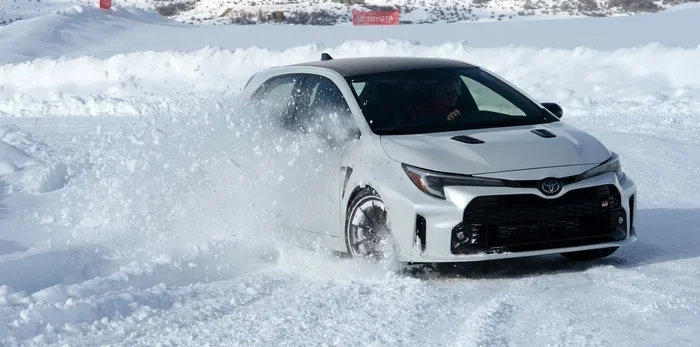
The Toyota Corolla handles light to moderate snow reasonably well, especially with all-wheel drive and proper snow tires. While it is not a dedicated winter SUV, its front-wheel drive system, electronic stability control, and low center of gravity make it a dependable choice for most winter commuters. With the right setup, a Corolla can confidently tackle icy roads and cold weather driving throughout the season.
Every winter, millions of drivers face the same question: are Toyota Corollas good in snow? Whether you live in a region that gets occasional flurries or deal with harsh winter storms, your car needs to handle cold and slippery conditions safely. The Toyota Corolla is one of the most popular sedans in the world, and for good reason. It is reliable, fuel-efficient, and affordable.
But how does it actually perform when the roads turn white? The short answer is yes, the Corolla handles snow reasonably well for a compact sedan. However, there are important factors that determine just how good it really is. Things like drivetrain type, tire choice, and driving habits all play a role. In this guide, we will break down everything you need to know about winter driving with a Toyota Corolla.
We will cover how the Corolla performs in different snow conditions, which drivetrain option is best, and what you can do to improve safety. By the end, you will have a clear picture of whether this popular compact sedan is right for your winter needs.
Key Takeaways
- Good in Light Snow: The Toyota Corolla performs well in light snow and slush thanks to its electronic stability and traction control systems.
- AWD Makes a Big Difference: The AWD Corolla variant significantly improves grip and confidence on icy and snowy surfaces.
- Snow Tires Are a Game Changer: Switching to winter tires transforms your Corolla into a much safer winter driver, regardless of drivetrain.
- Low Center of Gravity Helps: As a compact sedan, the Corolla has a lower center of gravity than SUVs, reducing the risk of sliding.
- Not Ideal for Heavy Snow: Deep snow and extreme winter conditions can challenge the Corolla’s ground clearance and front-wheel drive limits.
- Reliable Year-Round: Toyota’s reputation for reliability means your Corolla will keep running even in harsh winter weather.
- Hybrid Models Add Efficiency: The Corolla Hybrid offers excellent fuel economy even during cold winter months.
📑 Table of Contents
- How the Toyota Corolla Performs in Snow
- Safety Features That Help in Snow
- Tire Choices for Winter Snow Driving
- Corolla Hybrid: A Winter Fuel-Efficient Option
- Common Mistakes to Avoid When Driving a Corolla in Snow
- Comparing the Corolla to Other Cars for Snow Driving
- Expert Tips for Winter Driving with a Toyota Corolla
- Conclusion
How the Toyota Corolla Performs in Snow
When snow starts falling, drivers want a car that feels safe and predictable. The Toyota Corolla delivers a solid performance in most winter conditions. Its design and engineering work together to give drivers confidence on slippery roads.
Front-Wheel Drive and Snow Traction
Most Toyota Corollas come with front-wheel drive as standard. This means the engine sends power to the front wheels, which also handle steering. In snow, front-wheel drive has some clear advantages. The weight of the engine sits over the driven wheels, which helps with initial traction.
However, front-wheel drive also has limitations. If the front wheels lose grip, the car will understeer or push wide through a turn. This is something to keep in mind when driving a FWD Corolla on icy roads. The good news is that modern Toyota models come with electronic aids that help compensate for this.
All-Wheel Drive: The Winter Advantage
The Toyota Corolla AWD is a significant upgrade for snow driving. With power sent to all four wheels, the car gains much better traction and stability. You will notice the difference immediately when accelerating on slippery surfaces.
AWD does not make the Corolla invincible. It still has limits, especially in deep snow. But for most winter driving scenarios, including commuting on snowy highways, AWD provides a noticeable safety boost. If you live in an area that gets regular snow, the AWD variant is worth considering. You can also explore other 2 litre engine cars in India for comparison if you want more power in winter conditions.
Ground Clearance and Snow Depth
The Toyota Corolla sits low to the ground, which is great for handling and aerodynamics. But low ground clearance can be a problem in deep snow. The standard Corolla has a ground clearance of about 5.5 inches, which is sufficient for most snow-covered roads.
However, if snow piles up higher than that, you risk getting stuck. This is something to consider if your area experiences heavy snowfall. In most urban and suburban settings, the Corolla’s ground clearance handles plowed and salted roads with ease. For deeper snow, you may need to use tire chains or drive more cautiously.
Safety Features That Help in Snow
Toyota equips the Corolla with a range of safety and driver-assist technologies. These features become especially valuable when roads are slippery. Let us look at what helps the Corolla perform better in winter.
Electronic Stability Control
Electronic Stability Control (ESC) is a must-have for snow driving. This system monitors your steering and detects when the car starts to slide. It then applies brakes to individual wheels to help you regain control. The Toyota Corolla comes with ESC standard across all trims.
In icy conditions, ESC can be the difference between staying on the road and ending up in a ditch. It works behind the scenes, often without you even noticing it is active. This is one reason why the Corolla is a solid choice for cold weather driving.
Traction Control and Anti-Lock Brakes
Traction Control prevents wheel spin when you accelerate on slippery surfaces. This is incredibly helpful when pulling away from a stop on snow or ice. The system reduces engine power to the slipping wheel, allowing the other wheel to maintain grip.
Combined with Anti-Lock Braking System (ABS), the Corolla offers confident braking in winter. ABS prevents your wheels from locking up during hard braking, which means you can steer while stopping on ice. These features work together to make the Toyota Corolla a safe option for winter weather driving.
Toyota Safety Sense
Higher trims of the Corolla come with Toyota Safety Sense, a suite of advanced driver-assistance features. This includes adaptive cruise control, lane departure warning, and automatic emergency braking. These systems add an extra layer of protection during winter driving.
While no technology replaces careful driving, these features help compensate for reduced visibility and unpredictable road conditions. They are especially useful during long winter commutes when fatigue and stress can affect your focus.
Tire Choices for Winter Snow Driving
Tires are the single most important factor in how your car performs in snow. The right set of tires can transform the Toyota Corolla into a confident winter driver. The wrong tires can make even the best drivetrain feel unsafe.
All-Season Tires: What to Expect
Most Corollas leave the factory with all-season tires. These tires work reasonably well in light snow and rain. They offer a good balance of performance, comfort, and longevity. For drivers in regions with mild winters, all-season tires are perfectly adequate.
However, all-season tires have limits. Their rubber compound hardens in extreme cold, reducing grip on ice and packed snow. If you frequently drive in temperatures below freezing, you will notice a drop in traction. This is where dedicated winter tires make a big difference.
Winter Tires: The Best Choice for Snow
Winter tires are specifically designed for cold weather and snow driving. They use a softer rubber compound that stays flexible in freezing temperatures. The tread pattern is optimized to bite into snow and channel slush away from the contact patch.
Installing a set of snow tires on your Toyota Corolla will dramatically improve grip, braking, and handling in winter conditions. Many drivers report feeling much safer and more confident after switching to winter tires. If you live in an area with heavy snowfall, this is the single best investment you can make for your Corolla.
Tire Chains for Extreme Conditions
For extreme snow and ice, tire chains provide the ultimate traction boost. They wrap around your tires and dig into snow and ice, giving you grip that even winter tires cannot match. Chains are especially useful if you live in a rural area with unplowed roads.
Keep in mind that chains can be difficult to install and remove. They also reduce fuel efficiency and increase road noise. For most drivers, a good set of winter tires is sufficient. Chains are best reserved for the worst conditions or occasional trips through deep snow. You might also want to check out car windshield covers for snow as a useful winter accessory for your Corolla.
Corolla Hybrid: A Winter Fuel-Efficient Option
The Toyota Corolla Hybrid is a popular choice for drivers who want excellent fuel economy without sacrificing performance. But how does a hybrid handle winter snow? The answer is quite well, with a few considerations.
The hybrid system in the Corolla delivers smooth and consistent power, which is helpful on slippery roads. Regenerative braking is also more refined, giving you better control during deceleration. The battery pack adds weight to the rear, which can improve traction on the front wheels in some cases.
One thing to keep in mind is that cold weather can reduce the efficiency of the hybrid battery. In extreme cold, you may notice a slight drop in fuel economy. However, the Corolla Hybrid still delivers excellent mileage compared to most other vehicles on the road. It remains a strong choice for daily winter commuting in snowy conditions.
If you are exploring other options in the 7 to 8 lakh car range in India, the Corolla Hybrid offers a compelling mix of efficiency and reliability for winter driving. You can also consider looking at 5 seater cars in India if you need more seating flexibility during the colder months.
Common Mistakes to Avoid When Driving a Corolla in Snow
Even with a capable car like the Toyota Corolla, mistakes happen. Knowing what to avoid can save you from accidents and keep you safe on winter roads.
Driving Too Fast for Conditions
The biggest mistake drivers make in snow is going too fast. Even with AWD and winter tires, the Corolla needs more distance to stop on ice. Reduce your speed and increase your following distance. A good rule of thumb is to double the normal following distance in snowy conditions.
Ignoring Tire Maintenance
Worn tires are dangerous in snow. Check your tire tread depth regularly and replace tires that are balding. Properly inflated tires also matter. Cold weather causes tire pressure to drop, which reduces grip. Check your tire pressure at least once a month during winter.
Neglecting to Clear Snow from Your Car
This sounds obvious, but many drivers neglect it. Clear all snow from your windshield, mirrors, lights, and roof before driving. Snow on the roof can fly off while driving and block your view or hit other drivers. A clean car is a safe car in winter.
Over-Reliance on Technology
While Toyota’s safety features are excellent, they cannot do everything. Do not rely solely on traction control or stability control to keep you safe. These systems work best when combined with careful and defensive driving. Always adjust your speed and driving style to match road conditions.
Comparing the Corolla to Other Cars for Snow Driving
How does the Toyota Corolla stack up against other popular cars for snow driving? Let us take a quick look at some comparisons.
| Vehicle | Drivetrain Options | Snow Performance | Ground Clearance |
|---|---|---|---|
| Toyota Corolla | FWD / AWD | Good with AWD and winter tires | 5.5 inches |
| Honda Civic | FWD | Similar to Corolla | 5.3 inches |
| Mazda 3 | FWD / AWD | Good with AWD | 5.3 inches |
| Hyundai Elantra | FWD | Adequate in light snow | 5.5 inches |
| Subaru Impreza | AWD standard | Excellent in snow | 5.5 inches |
As you can see, the Toyota Corolla holds its own against competitors. The Subaru Impreza has a slight edge with standard AWD, but the Corolla AWD offers similar capability. For most drivers, the Corolla provides more than enough snow performance, especially when paired with the right tires.
If you are comparing options, you might also want to explore 3 cylinder engine cars in India for a different take on fuel-efficient winter driving. Similarly, if you are renting a vehicle for a winter trip, you may wonder can you use an EZPass in a rental car or check the reliability of specific models like are 2005 Ford F150 reliable for different use cases.
Expert Tips for Winter Driving with a Toyota Corolla
Drawing from years of experience and driver feedback, here are some expert tips to get the most out of your Toyota Corolla in snow.
Start with Gentle Acceleration
When pulling away from a stop, apply the gas pedal slowly and smoothly. Aggressive acceleration causes wheel spin and loss of control. Smooth inputs keep the tires gripping the road and help you maintain traction.
Use Lower Gears on Hills
If your Corolla has a manual transmission, use a lower gear when driving uphill or downhill on snow. This reduces the need for heavy braking and gives you better engine braking control. For automatic models, the manual mode or low gear setting serves the same purpose.
Keep Your Fuel Tank Half Full
In winter, it is wise to keep your fuel tank at least half full. This prevents fuel lines from freezing and ensures you have enough fuel if you get stuck or need to take a detour. Cold weather can also reduce your fuel efficiency, so plan your trips accordingly.
Pack an Emergency Kit
Always keep an emergency kit in your Corolla during winter. Include a blanket, flashlight, small shovel, ice scraper, and jumper cables. These items can be lifesavers if you get stranded in a snowstorm or on a remote road.
Warm Up Your Car Properly
Modern Toyota Corollas do not need long warm-up periods. However, letting the engine idle for 30 seconds to a minute before driving helps oil circulate and engine components warm up. This improves performance and reduces wear, especially in freezing temperatures.
Conclusion
So, are Toyota Corollas good in snow? The answer is a qualified yes. The Toyota Corolla is a capable winter driving companion for most snow conditions. With its electronic stability control, traction control, and available all-wheel drive, it handles light to moderate snow with confidence.
The key to getting the most out of your Corolla in winter is preparation. Invest in winter tires, drive defensively, and respect the limits of your vehicle. The Corolla may not be a snow machine, but it is a reliable, efficient, and safe choice for daily winter commuting. Whether you are navigating icy city streets or cruising down a snowy highway, the Toyota Corolla proves itself as a dependable compact sedan that can handle the challenges of winter driving with grace.
Take the time to prepare your car, adjust your driving habits, and you will enjoy a safe and comfortable winter season behind the wheel of your Toyota Corolla. For more information on related topics, you might want to explore 3 cylinder engine cars in India or check out 2 litre engine cars in India for alternatives that also perform well in varying weather conditions.
Frequently Asked Questions
Is the Toyota Corolla AWD worth it for snow driving?
Yes, the AWD version of the Toyota Corolla is worth it if you live in an area that gets regular snowfall. AWD provides significantly better traction and stability on icy and snowy roads compared to front-wheel drive. It makes a noticeable difference in confidence and safety during winter driving.
Can I use all-season tires on my Toyota Corolla in winter?
All-season tires work fine for light snow and mild winter conditions. However, if you experience heavy snowfall or consistently freezing temperatures, winter tires will provide much better grip and braking performance. Switching to snow tires is the best way to improve your Corolla’s winter safety.
How does the Toyota Corolla Hybrid perform in snow?
The Corolla Hybrid performs well in snow, similar to the standard model. The hybrid system delivers smooth power, which helps with traction on slippery surfaces. Cold weather may slightly reduce fuel efficiency, but the car remains safe and reliable for winter driving.
What ground clearance does the Toyota Corolla have for snow?
The Toyota Corolla has a ground clearance of approximately 5.5 inches. This is sufficient for most snow-covered roads and plowed streets. However, deep snow can be challenging due to the low clearance, so drive carefully and avoid unplowed roads when possible.
Are Toyota Corollas reliable in cold weather?
Yes, Toyota Corollas are known for their reliability in cold weather. The engines start well even in freezing temperatures, and the car’s electronic systems are designed to function in a wide range of conditions. Regular maintenance helps ensure your Corolla stays dependable throughout winter.
Do I need tire chains for my Toyota Corolla in snow?
Tire chains are usually not necessary for everyday winter driving with a Corolla. They are most useful for extreme snow conditions, unplowed roads, or areas with heavy snowfall. A good set of winter tires is typically sufficient for most drivers in moderate to heavy snow.