What Happens When a Car Is Standing 200m Behind a Bus
When a car is standing 200m behind a bus, the distance creates both safety advantages and unique risks. This gap gives drivers extra reaction time, but visibility blocks and sudden bus movements can still cause problems. Understanding the physics, safety rules, and real-world implications of this distance helps every driver stay safer on the road.
Imagine you are driving down a highway. Ahead of you, a large bus is moving steadily in the right lane. Behind the bus, but still far back, a car is standing 200m behind a bus. That is about two and a half football fields of space. It might seem like a lot. But what does that distance really mean for safety, visibility, and what happens next on the road?
This scenario comes up more often than you might think. Whether you are the driver of that car, the bus driver, or someone in another vehicle nearby, understanding the dynamics of this setup matters. A car standing 200m behind a bus is not just a random arrangement. It involves physics, reaction times, road rules, and real-world driving habits that affect everyone on the road.
In this article, we will break down everything you need to know. From the science of stopping distance to practical driving tips, we will cover it all. By the end, you will understand why that 200-meter gap exists, what it protects against, and how you can use this knowledge to drive more safely every single day.
Key Takeaways
- 200m is a generous following distance: It gives a car plenty of time to react if a bus stops suddenly.
- Visibility is a major concern: A bus blocks the view of the road ahead, making it harder to see hazards.
- Reaction time matters more than speed: Even at high speeds, 200m provides a solid buffer for most driving conditions.
- Weather changes everything: Rain, fog, or ice can turn a safe distance into a risky one quickly.
- Defensive driving is key: Staying alert and anticipating bus movements keeps everyone safer.
- Legal following rules support this distance: Many driving guidelines recommend distances that align with or exceed 200m in certain conditions.
- Smart positioning prevents rear-end collisions: Maintaining proper spacing behind large vehicles is one of the simplest safety habits drivers can build.
📑 Table of Contents
- Understanding the Scenario: A Car Standing 200m Behind a Bus
- The Physics Behind the Distance
- Safety Implications of Following Distance
- What Happens When the Bus Starts Moving?
- Real-World Scenarios and Practical Examples
- Tips for Safe Driving Behind Large Vehicles
- Common Mistakes Drivers Make When Following Buses
- Expert Insights on Following Distance
- Key Takeaways
- Conclusion
Understanding the Scenario: A Car Standing 200m Behind a Bus
Let us start with the basics. When a car is standing 200m behind a bus, several factors come into play. The distance itself is significant. Most drivers follow buses at much closer range. So why does 200 meters matter, and what does this setup look like in real life?
What Does 200 Meters Actually Look Like?
Two hundred meters is roughly 656 feet. On a highway, this is about four to five seconds of travel time at normal speeds. At 60 km/h, a car covers about 16.7 meters every second. So 200 meters gives you roughly 12 seconds of following time. That is a very comfortable gap. Most driving experts recommend a two to three-second following distance under normal conditions.
So a car positioned 200m behind a bus has far more space than the average driver maintains. This extra room can make a big difference in emergency situations. It also affects how well the car driver can see what is happening on the road ahead.
Why Would a Car Be This Far Behind a Bus?
There are several reasons a driver might keep this much distance:
- Safety first: Large vehicles like buses take longer to stop. A safe following distance reduces rear-end collision risk.
- Visibility concerns: Buses block the view of the road ahead. Staying back gives the car driver a better view of traffic conditions beyond the bus.
- Defensive driving habits: Experienced drivers know that extra space equals extra reaction time.
- Road conditions: Wet roads, fog, or construction zones may prompt drivers to increase their following distance significantly.
- Driver comfort: Some people simply feel more relaxed with a larger gap between their vehicle and the one ahead.
The Physics Behind the Distance
Now let us get into the science. When a car is standing 200m behind a bus, physics plays a major role in determining what happens if anything changes. Whether the bus brakes suddenly or the car needs to stop, the numbers tell an important story.
Stopping Distance Explained
Stopping distance has two parts: reaction distance and braking distance. Reaction distance is how far the car travels while the driver processes a hazard and hits the brake. Braking distance is how far the car travels while slowing to a stop.
At 50 km/h on a dry road:
- Reaction distance (at 1.5 seconds average): about 21 meters
- Braking distance: about 14 meters
- Total stopping distance: around 35 meters
At 100 km/h, those numbers jump significantly:
- Reaction distance: about 42 meters
- Braking distance: about 55 meters
- Total stopping distance: around 97 meters
With a car standing 200m behind a bus, even at 100 km/h, the driver has more than double the stopping distance needed. This is a huge safety margin. It means the car can stop well before reaching the bus, even in emergency situations.
How Speed Changes Everything
Speed has a dramatic effect on stopping distance. Doubling your speed does not just double your stopping distance. It roughly quadruples it. Here is a quick comparison:
- 30 km/h: Total stopping distance is about 18 meters
- 60 km/h: Total stopping distance is about 55 meters
- 90 km/h: Total stopping distance is about 110 meters
- 120 km/h: Total stopping distance is about 180 meters
Even at 120 km/h, a car following a bus at 200m still has 20 meters of buffer after a full emergency stop. That extra space can be the difference between a close call and a serious accident.
Safety Implications of Following Distance
Following distance is one of the most overlooked aspects of safe driving. Many drivers stay too close to the vehicle ahead, especially behind large vehicles like buses and trucks. Understanding the safety implications helps drivers make better decisions every time they get behind the wheel.
The Two-Second Rule and Beyond
The two-second rule is a common guideline for safe following distance. Pick a fixed point on the road. When the vehicle ahead passes it, count “one thousand one, one thousand two.” If you reach that point before finishing, you are too close.
A car standing 200m behind a bus easily exceeds the two-second rule. At highway speeds, this gap represents about four to five seconds of following time. That is well above the recommended minimum. In poor weather or low visibility, many experts recommend a six-second or even eight-second following distance.
Rear-End Collision Risks
Rear-end collisions are among the most common types of traffic accidents. According to road safety data, following too closely is a leading cause. When a car is too close to a bus, the driver has less time to react and less room to stop safely.
Here are the main risks of following too closely behind a bus:
- The bus may stop suddenly for passengers boarding or exiting
- The bus may swerve to avoid road obstacles
- The bus driver may not see the car in blind spots
- Reduced visibility hides traffic changes ahead
- Wind gusts from large vehicles can affect car stability
Maintaining a 200m gap eliminates most of these risks. The car driver has ample time to respond to any unexpected bus behavior.
Visibility Challenges Behind Large Vehicles
One of the biggest dangers of following a bus is limited visibility. A bus blocks the view of the road ahead significantly. When a car is standing 200m behind a bus, the driver can still see some of the road ahead around the bus. But at closer distances, the view is almost completely blocked.
At 200 meters, the car driver can see further down the road than someone following at 30 meters. This extra visibility allows for earlier detection of hazards, traffic slowdowns, or road obstacles. It gives the driver more time to plan and react safely.
What Happens When the Bus Starts Moving?
Now let us think about what happens in motion. A car standing 200m behind a bus is stationary at first. But once the bus starts moving, the dynamics change. Let us walk through different scenarios.
Both Vehicles at Rest, Then the Bus Moves
When the bus pulls away from a stop, the car behind it has a clear advantage. The 200-meter gap means the car driver can see the bus’s brake lights from very far away. Even if the bus accelerates quickly, the car has plenty of room to start moving and match speed safely.
At a traffic light or bus stop, this setup works particularly well. The car driver can watch for the bus to move and prepare to accelerate without rushing. There is no pressure to close the gap quickly.
Both Vehicles in Motion on a Highway
On a highway, both the bus and the car are moving at similar speeds. The 200m gap remains relatively constant if both vehicles maintain steady speeds. However, several factors can change this:
- Bus slows down: The car has over 10 seconds to react before reaching the bus’s position
- Bus speeds up: The car can accelerate to close the gap gradually and safely
- Bus changes lanes: The car may need to adjust speed to maintain the gap
- Traffic slows suddenly: The bus driver may brake hard, giving the car plenty of warning
The key advantage of a car 200m behind a bus in motion is predictability. The driver knows exactly how much space they have and can plan maneuvers accordingly.
Emergency Braking Scenarios
What if the bus brakes hard for an emergency? This is where the 200-meter gap truly shines. Even at highway speeds, the car has more than enough distance to stop safely. The bus’s brake lights give early warning, and the large gap provides a generous safety buffer.
Compare this to a car following at just 30 meters. At 100 km/h, a 30-meter gap is dangerously short. The car would likely not stop in time. But at 200 meters, the driver has time to brake gently and steadily, avoiding a collision entirely.
Real-World Scenarios and Practical Examples
Theoretical physics is helpful, but real-world examples make the concept clearer. Let us look at a few common situations where a car standing 200m behind a bus plays out in everyday driving.
Scenario 1: City Driving with Frequent Stops
In city traffic, buses stop frequently. A car following 200m behind a bus in city driving would actually be unusual. Most city traffic moves slowly, and 200 meters is a very large gap at low speeds. However, on city highways or open roads within urban areas, this distance makes sense. The car driver gets a clear view of traffic ahead and avoids being stuck in the bus’s blind spots.
Scenario 2: Highway Overtaking
When a car wants to overtake a bus, the 200m following distance actually helps. The driver can see further ahead and plan the overtaking maneuver more safely. After passing the bus, the driver can pull back into the lane with a comfortable gap. This is much safer than trying to overtake when following closely behind the bus.
Scenario 3: Poor Weather Conditions
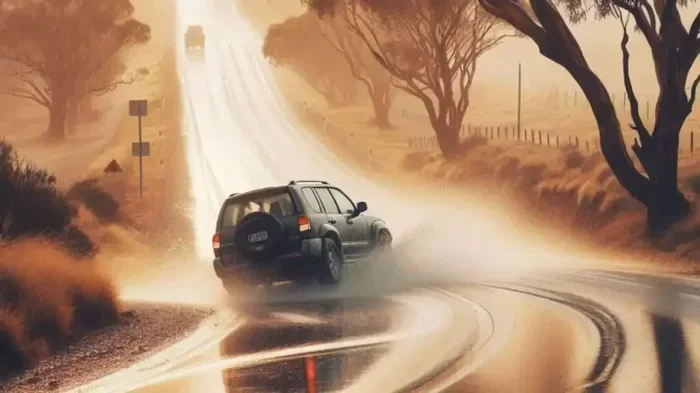
In rain, fog, or icy conditions, stopping distances increase dramatically. A car 200m behind a bus in poor weather has an even greater advantage. The extra distance compensates for longer braking times and reduced visibility. Smart drivers increase their following distance in bad weather, and 200 meters is an excellent choice for safety.
Scenario 4: Mountain Roads and Curves
On winding mountain roads, visibility around curves is limited. A bus approaching a curve may block the view of oncoming traffic. A car 200m back can see around the curve more easily. This extra visibility helps the car driver prepare for any situation, whether it is slowing down or passing carefully.
Tips for Safe Driving Behind Large Vehicles
Whether you are following a bus at 200 meters or a truck at 50 meters, safe driving habits matter. Here are practical tips that every driver should follow.
Maintain Consistent Speed
Avoid frequent speed changes when following a bus. Match the bus’s speed smoothly and maintain a steady pace. This reduces the risk of sudden braking and keeps the gap stable.
Watch for Turn Signals and Brake Lights
Buses signal their intentions well in advance. Watch for turn signals, brake lights, and lane changes. A car behind a bus at 200m has plenty of time to notice these signals and respond appropriately.
Stay Out of Blind Spots
Large vehicles have significant blind spots. Even at 200 meters, be aware of the bus’s blind zones. If you cannot see the bus driver in their side mirrors, the bus driver cannot see you. Staying visible is key to safety.
Adjust for Road Conditions
Road conditions change constantly. Gravel, wet surfaces, ice, and debris all affect stopping distance. Adjust your following distance accordingly. When in doubt, add more space between your car and the bus ahead.
Avoid Distractions
Following any vehicle requires full attention. Put away your phone, avoid fiddling with the radio, and keep your eyes on the road. Distracted driving reduces reaction time, and even a 200-meter gap is not enough to compensate for a delayed response.
Common Mistakes Drivers Make When Following Buses
Even with good intentions, drivers sometimes make mistakes. Here are common errors to avoid when you find yourself following a bus at any distance.
Following Too Closely
This is the most common mistake. Drivers get comfortable and gradually close the gap. What starts as a safe distance becomes dangerously short. Always be mindful of your following distance and consciously maintain it.
Assuming the Bus Will Stop for You
Buses do not always stop where you expect them to. They may pull over suddenly for passengers, merge into traffic, or slow without warning. Never assume the bus will behave predictably. Always be prepared for the unexpected.
Ignoring Road Conditions
A safe following distance on a dry highway may be unsafe on a wet or icy road. Always adjust your distance based on current road and weather conditions. What works on a sunny day may not work on a rainy one.
Tailgating Out of Frustration
Some drivers follow buses too closely because they are impatient or frustrated. This is dangerous and often illegal. If you feel frustrated, take a deep breath and focus on safe driving. Arriving a few seconds later is never worth risking a collision.
Expert Insights on Following Distance
Driving instructors and road safety experts consistently emphasize the importance of following distance. According to the National Highway Traffic Safety Administration, maintaining proper following distance is one of the most effective ways to prevent rear-end collisions.
Experts recommend that drivers use the three-second rule as a minimum and extend it to six seconds in poor conditions. A car standing 200m behind a bus naturally satisfies these recommendations at most speeds. The gap provides more than enough room for safe driving in nearly all situations.
Defensive driving courses also teach drivers to anticipate the actions of large vehicles. Bus drivers make frequent stops, lane changes, and speed adjustments. By staying back at a safe distance, the car driver can observe these patterns and respond calmly rather than react in panic.
Another expert tip is to use the car’s mirrors effectively. Checking mirrors every five to eight seconds helps maintain awareness of the gap and the traffic behind you. This habit keeps you informed and ready for any changes in traffic flow.
Key Takeaways
- A car standing 200m behind a bus has excellent safety margins: The distance provides more than enough room to stop in emergencies.
- Visibility improves significantly: At 200 meters, drivers can see more of the road ahead than at closer following distances.
- Reaction time is greatly increased: The extra seconds of warning allow for calm, controlled responses to sudden changes.
- Weather and road conditions matter: Always adjust following distance based on current driving conditions for maximum safety.
- Defensive driving habits pay off: Maintaining proper distance behind large vehicles is one of the simplest and most effective safety practices.
- Common mistakes are easy to avoid: Stay aware of blind spots, resist the urge to tailgate, and keep your focus on the road.
- 200m is a gold standard for following distance: This gap works well in most driving situations and gives drivers confidence and control.
Conclusion
When a car is standing 200m behind a bus, the setup is safer than most drivers realize. The generous distance provides excellent visibility, ample reaction time, and a strong safety buffer against rear-end collisions. Whether you are the car driver, the bus driver, or another road user, understanding this dynamic makes the roads safer for everyone.
The physics behind stopping distance clearly shows that 200 meters is a smart choice at almost any speed. Even in emergency braking scenarios, this gap gives drivers more than enough room to stop safely. Add in the visibility advantages and the reduced stress of having plenty of space, and it is easy to see why this following distance works so well.
The next time you find yourself behind a bus on the road, think about the distance between you and that large vehicle. If you have 200 meters of space, you are in great shape. If you have less, consider gradually increasing your following distance. Small changes in how you drive can make a big difference in how safe you are on the road.
Safe driving is not just about following rules. It is about building habits that protect you and everyone around you. Maintain proper distance, stay alert, and always expect the unexpected. Those simple practices will serve you well every time you get behind the wheel.
Frequently Asked Questions
What is the safe following distance behind a bus?
The safe following distance behind a bus is at least three seconds under normal conditions. A car standing 200m behind a bus exceeds this recommendation significantly. In poor weather or low visibility, extend this to six seconds or more for maximum safety.
How do you calculate stopping distance behind a bus?
Stopping distance equals reaction distance plus braking distance. At 60 km/h on a dry road, total stopping distance is about 55 meters. At 200 meters behind a bus, you have nearly four times this distance, giving you a very comfortable safety margin.
What happens if the bus stops suddenly and the car is 200m behind?
The car driver has plenty of time to react and stop safely. At highway speeds, 200 meters provides over 10 seconds of following time. Even with emergency braking, the car will stop well before reaching the bus’s position.
Is 200 meters too far behind a bus in traffic?
In heavy city traffic, 200 meters may be impractical because vehicles move slowly and gaps close quickly. However, on highways and open roads, 200 meters is an excellent and safe following distance that provides significant safety benefits.
Can following a bus too closely cause accidents?
Yes, following too closely is a leading cause of rear-end collisions. Buses stop frequently and unpredictably. A car too close to a bus has very little time to react if the bus brakes suddenly. Maintaining a safe distance like 200 meters greatly reduces this risk.
How does weather affect the safety of following a bus at 200m?
Weather has a major impact on stopping distance. Rain, ice, and fog all increase braking distances and reduce visibility. Even in poor weather, 200 meters remains a safe and generous following distance. The extra space compensates for longer stopping times and helps prevent accidents.
=== META TITLE ===
What Happens When a Car Is 200m Behind a Bus
=== URL SLUG ===
car-standing-200m-behind-bus
=== SEO TITLE ===
What Happens When a Car Is Standing 200m Behind a Bus