Why Are Cars Getting Bigger And What You Should Know
Cars are getting bigger because of consumer demand, safety features, and the rise of SUVs and trucks. This shift affects fuel economy, parking, and road infrastructure in big ways. Understanding why cars are getting bigger helps drivers make smarter choices about their next vehicle.
Have you noticed something strange at your local dealership? The cars on the lot seem to be growing. What used to be a tidy sedan now looks like a small bus. And those compact hatchbacks from a decade ago? They are nowhere to be found. Why are cars getting bigger? It is a question that has puzzled drivers, city planners, and auto experts alike.
The answer is not simple. It is a mix of consumer tastes, safety rules, marketing tricks, and even how roads are built. Over the past twenty years, the average car has grown in every direction. Length, width, and height have all increased. This trend touches everything from your wallet at the pump to the ease of fitting into a parking spot. Let us dig into the real reasons behind this big shift and what it means for you.
Key Takeaways
- Consumer demand drives size: Buyers prefer larger vehicles for comfort, space, and perceived safety.
- Safety regulations add weight: Modern safety tech like airbags and reinforced frames make cars heavier.
- Fuel economy is impacted: Bigger vehicles use more gas and produce more emissions.
- Parking and road space matter: Larger cars create challenges in cities and tight spaces.
- The SUV and truck boom is real: These vehicle types now dominate sales charts worldwide.
- Small cars are fading: Compact and subcompact models are disappearing from many lineups.
- Future trends may shift: Electric vehicles and new regulations could change the size game.
📑 Table of Contents
The Rise of the SUV and Truck
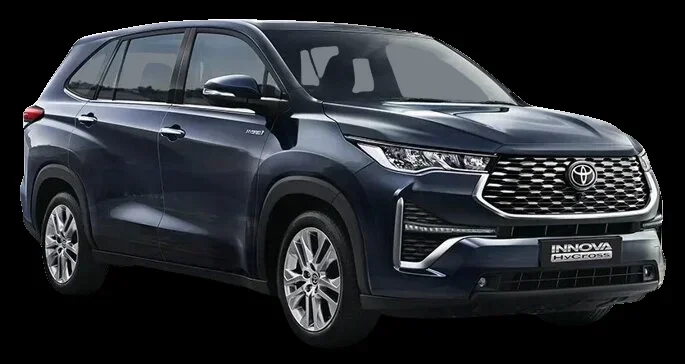
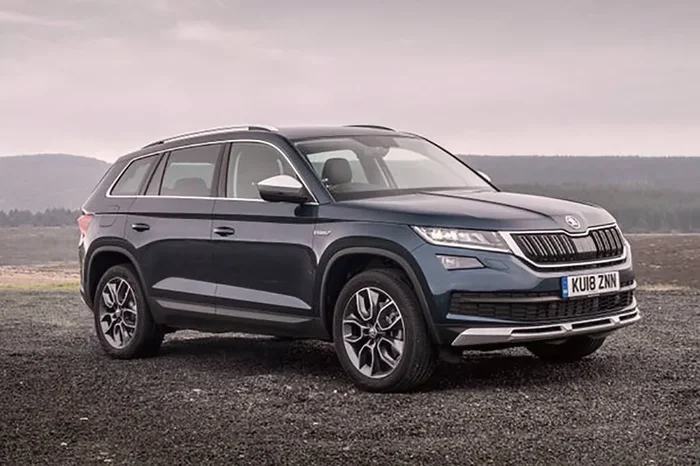
The single biggest reason cars are getting bigger is the explosion of SUVs and pickup trucks. These vehicles have gone from niche choices to the dominant force on roads everywhere. In the United States, SUVs and trucks now make up over 80 percent of new vehicle sales. That is a massive shift from just a few decades ago.
Automakers noticed this trend early. They started shifting their entire lineups to focus on larger models. Sedans and hatchbacks were slowly phased out or made bigger to compete. Even traditional family cars now look more like SUVs. The result is a world where small, efficient cars are a rare sight.
Why Buyers Love Big Vehicles
There are many reasons people choose larger vehicles. Let us break them down:
- Perceived safety: Many drivers feel safer in a bigger, heavier vehicle. They believe a larger car offers better protection in a crash.
- Space and comfort: Families love the extra room. Bigger vehicles offer more legroom, cargo space, and overall comfort.
- Status and image: Trucks and SUVs carry a certain image. They look powerful, capable, and adventurous.
- Higher seating position: Many drivers enjoy seeing the road better from a taller seat.
- Towing and hauling: Pickups and large SUVs can pull trailers, boats, and heavy loads.
These factors all feed into the vehicle size trend. Automakers respond by building bigger and bigger models. And buyers keep buying them. It is a cycle that has been going strong for years.
How Safety Regulations Changed Car Size
Safety is a good thing. But some safety rules have indirectly made cars larger. Modern vehicles must meet strict crash test standards. To pass these tests, engineers add reinforced frames, stronger bumpers, and more structural support. All of that extra material adds weight and bulk.
Airbags, crumple zones, and side-impact beams take up space. A car that was once sleek and compact now needs a larger body to house all the safety gear. This is one reason vehicle dimensions have grown even in models that are not SUVs or trucks.
The Safety Trade-Off
Here is something interesting. Bigger cars are safer for the people inside them. But they can be more dangerous for everyone else. A heavy SUV hitting a smaller car in a collision transfers more force to the lighter vehicle. This creates a safety gap between large and small cars on the road.
Studies from the Insurance Institute for Highway Safety show that occupants of lighter vehicles face higher fatality rates in crashes with heavier ones. This is a real concern. It means the vehicle size trend has safety implications for all road users, not just those in big cars.
Fuel Economy and Environmental Impact
Bigger cars use more fuel. It is simple physics. A heavier vehicle needs more energy to move. As cars have grown, average fuel economy has suffered. The automotive trends of the last two decades have pushed overall fuel consumption higher, even with advances in engine technology.
Let us look at some numbers. The average new car sold today weighs about 4,000 pounds. Twenty years ago, it was closer to 3,000 pounds. That extra ton of metal and glass burns more gasoline every single mile. Over time, this adds up to a lot of extra fuel use and a lot more emissions.
Emissions and Climate Concerns
The shift toward larger vehicles has hurt efforts to reduce carbon emissions. Transportation is one of the biggest sources of greenhouse gases. When consumers choose bigger cars, the overall environmental impact goes up. Even with the rise of electric vehicles, most cars on the road today still run on gasoline.
Some countries have tried to fight back. The European Union and other regions have introduced rules based on the average emissions of a manufacturer’s fleet. If a company sells too many gas-guzzling SUVs, they face fines. This is one way regulators try to push back against the car size increase.
Parking and Urban Challenges
Bigger cars create big problems in cities. Parking spots were designed for smaller vehicles. Today’s oversized SUVs and trucks often barely fit in standard spaces. This leads to scratched cars, blocked neighbors, and frustrated drivers.
City streets were not built for vehicles that take up two parking spaces. Narrow roads become even more cramped when everyone drives a large truck. Pedestrians and cyclists also suffer. A bigger car means less room on the sidewalk and more danger for people walking.
The Parking Problem in Numbers
Consider these facts:
- The average car length has grown by about 15 to 20 inches over the past 20 years.
- Parking garages built in the 1980s were not designed for today’s full-size SUVs.
- Many drivers now need two spaces to park without blocking adjacent cars.
- City planners are struggling to adapt infrastructure to the growing vehicle footprint.
These are not just inconveniences. They are real problems that affect daily life in urban areas. As long as cars keep growing, the parking and space challenges will only get worse.
Consumer Preferences and Marketing
A lot of the car size increase comes down to what people want to buy. And automakers are very good at showing people what they want. Marketing plays a huge role in shaping those desires. Ads show big SUVs on mountain roads, at the beach, and on family adventures. The message is clear: go big or go home.
Car culture has changed too. In the past, small sporty cars were cool. Think of the original Mini Cooper or classic Fiat 500. Today, the cool factor belongs to trucks and large SUVs. Social media, movies, and even music videos feature big, rugged vehicles. This cultural shift has real-world effects on what people buy.
The Disappearing Compact Car
Remember when compact cars were everywhere? Models like the Honda Civic, Toyota Corolla, and Ford Focus were staples of the road. Today, many of these models have grown significantly. Some have been discontinued entirely.
Automakers say small cars do not sell well enough to justify keeping them. The profit margins on SUVs and trucks are much higher. So they focus their efforts on larger models. This means fewer choices for buyers who want a small, efficient car.
The compact car decline is a real phenomenon. It affects everything from traffic congestion to fuel costs. When only big cars are available, everyone ends up driving a bigger vehicle.
What This Means for You as a Driver
If you are in the market for a new car, the big car trend matters to you. Here is what you need to think about before you buy.
First, consider your real needs. Do you actually need a massive SUV, or would a midsize vehicle work just as well? Many families buy larger cars than they truly need. The extra space sits empty most of the time.
Second, think about costs. Bigger cars cost more to buy, more to fuel, and more to insure. Insurance rates tend to be higher for large vehicles because they cause more damage in crashes. Over the life of the car, those extra costs add up fast.
Third, consider the environment. If you care about your carbon footprint, a smaller or hybrid vehicle is a better choice. Even a midsize car uses significantly less fuel than a full-size truck.
Finally, think about practicality. Can you fit it in your driveway? Does it fit in your garage? Will you be comfortable driving and parking it every day? These real-world factors matter more than any marketing pitch.
Quick Tips for Choosing the Right Size
- Measure your parking space before you shop.
- Test drive the car in your daily driving environment.
- Compare fuel costs over five years, not just the sticker price.
- Think about how many passengers you actually carry, not the maximum capacity.
- Consider a midsize vehicle as a sweet spot between small and large.
Making a smart choice means looking beyond the trends. Just because cars are getting bigger does not mean you need to follow the crowd.
Will Cars Ever Get Smaller Again?
It is hard to say for sure. Right now, the market strongly favors large vehicles. But there are signs that could change the automotive trends we see today.
Electric vehicles are one factor. EV technology changes the math around vehicle size. Some electric cars are small and efficient, while others are large and heavy. The battery pack adds significant weight, so some EVs are actually bigger than their gas counterparts. But the rise of small EVs in cities could bring compact options back.
Regulations also play a role. Stricter fuel economy rules and emissions standards could push automakers to make smaller, more efficient vehicles. Some countries are already taxing larger vehicles based on their weight and emissions. These policies could slow down or even reverse the car size increase.
City planning is another factor. As more cities invest in public transit, bike lanes, and walkable neighborhoods, the need for big cars may decrease. When it is easy to get around without a car, people may choose smaller, more practical options.
For now, though, the trend is clear. Cars are bigger than they have ever been. And for the foreseeable future, that seems likely to continue.
Final Thoughts
The question of why cars are getting bigger has many answers. Consumer demand, safety rules, marketing, and cultural shifts all play a part. The rise of SUVs and trucks has transformed the automotive landscape. This shift affects fuel use, safety, parking, and the environment.
Understanding these forces helps you make better decisions as a driver. Whether you are buying your first car or your fifth, knowing the trends gives you an edge. You can choose a vehicle that fits your real needs, not just the biggest option on the lot.
The big car trend is not going away anytime soon. But being informed means you are not just a passenger in the trend. You are a smart driver making a choice that works for you. And that is what really matters.
Frequently Asked Questions
Why are modern cars bigger than older cars?
Modern cars are bigger because buyers prefer larger vehicles like SUVs and trucks. Safety regulations also require more structural material, which adds bulk. Plus, automakers have shifted their focus to meet this consumer demand for bigger, more comfortable vehicles.
Do bigger cars really feel safer?
Many drivers feel safer in a bigger car because of the extra mass and size. However, bigger vehicles can be more dangerous to smaller cars in a crash. Safety depends on many factors, not just vehicle size, including build quality and safety features.
How does car size affect fuel economy?
Larger cars weigh more and need more energy to move. This means they burn more fuel per mile than smaller vehicles. The shift toward bigger cars has raised average fuel consumption across the entire vehicle market.
Are compact cars disappearing from the market?
Many compact models have been discontinued or made larger over time. Automakers focus more on SUVs and trucks because they sell better and earn higher profits. However, some compact options still exist, especially in the electric vehicle segment.
What can cities do about bigger cars taking up more space?
Cities can update parking standards, design narrower streets, and invest in public transit. Some cities have started taxing larger vehicles or limiting their access to certain areas. These steps help manage the space and environmental impact of oversized cars.
Will the trend of cars getting bigger ever reverse?
It is possible. New regulations, the rise of small electric cars, and changing urban lifestyles could shift the trend. But for now, large vehicles remain the most popular choice among buyers worldwide.
=== CONCLUSION ===
The big car trend is one of the most important shifts in the automotive world today. Cars are bigger, heavier, and more powerful than ever before. This change is driven by consumer tastes, safety rules, and the way automakers design and sell vehicles. It affects fuel costs, safety on the road, parking in cities, and the health of our planet.
Why cars are getting bigger is a question with no single answer. It is a mix of factors that have built up over decades. But the key takeaway is simple: being informed helps you make better choices. You do not have to follow every trend blindly. Choose the vehicle that fits your life, your budget, and your values.
The road ahead will likely see even more changes. Electric vehicles, new regulations, and shifting urban designs could reshape the car market. But for now, one thing is clear. Cars are getting bigger, and understanding why matters more than ever. So the next time you are at the dealership, take a step back and think about what you really need. The best car is not always the biggest one.