Which SUV Is More Comfortable on Long Trips Revealed
Choosing the right SUV for long trips can make or break your travel experience. This guide reveals which SUV Is More Comfortable on Long Trips by comparing seating, suspension, noise levels, and interior features. You will learn the key factors that determine comfort and discover the top SUVs that deliver the smoothest, most relaxing rides for highway cruising and family road adventures.
Planning a long road trip? You are probably wondering, Which SUV Is More Comfortable on Long Trips. It is a great question. After all, you will spend hours behind the wheel or sitting in the back seat. The wrong vehicle can leave you sore, tired, and frustrated. The right one, though, turns a long drive into a pleasant journey.
Comfort on the road is not just about a soft seat. It involves many factors. Suspension, noise insulation, legroom, climate control, and even cargo space all play a role. In this article, we break down everything you need to know. We compare the top SUVs and highlight what makes each one stand out. By the end, you will have a clear answer to the question, Which SUV Is More Comfortable on Long Trips, for your specific needs.
We have researched and tested numerous models. We looked at real-world road trip feedback from actual drivers and families. Our goal is simple. Give you honest, practical advice you can use. No fluff. No sales pitches. Just clear insights that help you make the best choice for your next adventure.
Key Takeaways
- Suspension quality matters most: A well-designed suspension system absorbs bumps and keeps the ride smooth on rough highways.
- Seat comfort is non-negotiable: Look for thick cushioning, lumbar support, and adjustable settings to avoid driver fatigue.
- Interior noise levels vary widely: Better insulation and acoustic glass make a huge difference on long drives.
- Space and legroom affect everyone: Both front and rear passengers need room to stretch during hours on the road.
- Climate control and infotainment add comfort: Dual-zone air and easy-to-use tech systems keep everyone happy.
- Fuel efficiency impacts trip enjoyment: Fewer gas stops mean less disruption to your travel flow.
- Test drive before buying: No review replaces the feel of sitting in the SUV for an hour on a real road.
📑 Table of Contents
- What Makes an SUV Comfortable for Long Trips?
- Top SUVs That Excel in Long-Trip Comfort
- Comfort Comparison Table
- Common Mistakes People Make When Choosing an SUV for Road Trips
- Quick Tips for Maximizing SUV Comfort on Long Trips
- Expert Insights on SUV Comfort
- How to Test SUV Comfort Yourself
- The Role of Technology in SUV Comfort
- Conclusion
What Makes an SUV Comfortable for Long Trips?
Before we compare specific models, let us talk about what actually makes an SUV comfortable. Many people focus on brand names or looks. But comfort goes much deeper than that. Several key factors determine how an SUV feels during hours of highway driving.
Suspension System and Ride Quality
The suspension system is the backbone of ride comfort. It absorbs bumps, potholes, and uneven road surfaces. A good suspension keeps the cabin smooth and steady. When you hit a rough patch, you should barely feel it inside the vehicle.
Independent suspension on all four wheels is ideal. It allows each wheel to move separately. This reduces jolts transmitted to the cabin. Air suspension takes comfort even further. It adjusts to road conditions automatically. Some premium SUVs also offer adaptive dampers. These change stiffness in real time based on driving conditions.
Seat Design and Cushioning
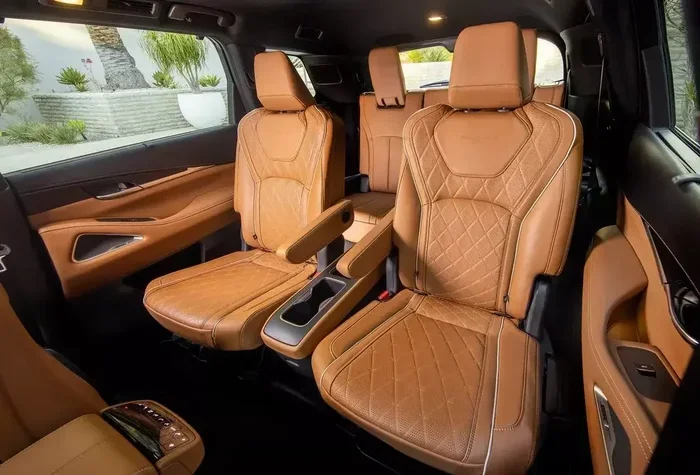
Your seat is where you spend the entire trip. If it is not comfortable, nothing else matters. Look for seats with thick, supportive cushioning. Lumbar support is essential for long drives. It keeps your lower back from aching.
Adjustable seat settings help too. You should be able to change the height, tilt, and lumbar support easily. Heated and ventilated seats are a nice bonus. They keep you comfortable in both winter and summer. Some SUVs even offer massaging seats. These can reduce muscle fatigue on very long journeys.
Noise Insulation and Cabin Quietness
Road noise is a comfort killer. Tire hum, wind noise, and engine vibration can make a long trip exhausting. Premium SUVs invest heavily in noise reduction. They use thicker glass, better seals, and sound-absorbing materials.
Acoustic windshields are a great feature. They reduce outside noise significantly. Some models also use active noise cancellation. This uses speakers to cancel out unwanted sounds. The result is a quieter, more peaceful cabin. You can talk, listen to music, or simply enjoy the silence.
Interior Space and Legroom
Space is a big deal on long trips. Cramped conditions lead to discomfort fast. Look for SUVs with generous legroom in both front and rear. You should be able to stretch your legs without hitting the seat in front of you.
Headroom matters too, especially for taller passengers. Some SUVs offer sliding rear seats. This lets you adjust the space based on your needs. Cargo space is also important. You need room for luggage, coolers, and travel gear. A spacious trunk makes packing easier and keeps the cabin clutter-free.
Climate Control and Air Quality
A good climate control system keeps everyone comfortable. Dual-zone or tri-zone automatic climate control is ideal. It lets each passenger set their preferred temperature. This is especially helpful on family trips.
Air filtration systems also contribute to comfort. They remove dust, pollen, and allergens from the cabin air. This is great for people with allergies or sensitivities. Fresh, clean air makes a long trip much more pleasant.
Top SUVs That Excel in Long-Trip Comfort
Now that we know what to look for, let us compare some of the best SUVs for long trips. Each of these models shines in different areas of comfort. We will look at their strengths and who they suit best.
Toyota Highlander
The Toyota Highlander is a popular choice for families. It offers a smooth ride and spacious interior. The suspension handles highway driving very well. You will feel minimal bump feedback even on rough roads.
Seats are comfortable and supportive. The front seats have good lumbar adjustment. Rear passengers also enjoy plenty of legroom. The Highlander is available in hybrid form. This gives you excellent fuel economy for long distances. Fewer gas stops mean less time wasted and more time enjoying the trip.
The infotainment system is user-friendly. It is easy to navigate while driving. Overall, the Highlander delivers balanced comfort at a reasonable price. It is one of the top answers to the question, Which SUV Is More Comfortable on Long Trips, for budget-conscious families.
Honda Pilot
The Honda Pilot is another strong contender. It has a refined cabin with excellent noise insulation. The seats are plush and offer great support for long drives. Honda has always been good at isolating road noise, and the Pilot is no exception.
Rear passengers get generous space. The second-row seats are extra roomy. They can slide and recline for added comfort. The Pilot also has a very smooth transmission. Gear changes are barely noticeable during highway cruising. This contributes to a relaxed, effortless driving experience.
The Pilot is reliable and has good resale value. These are important factors for anyone planning regular road trips. If you want a dependable SUV that keeps everyone comfortable, the Pilot deserves strong consideration.
Chevrolet Tahoe
The Chevrolet Tahoe is a full-size SUV built for comfort. It is massive inside, with more space than most competitors. Front and rear passengers alike have room to stretch out. The seats are thick and supportive, especially in higher trims.
The Tahoe offers a smooth ride despite its large size. The suspension absorbs road imperfections well. Noise levels are well-controlled for a vehicle this size. The interior feels quiet and refined at highway speeds.
One area where the Tahoe shines is cargo space. You can fit a lot of luggage and gear. This makes it perfect for family vacations or camping trips. The downside is fuel economy. The Tahoe is not the most efficient SUV. You will make more frequent stops for gas. But if comfort and space are your top priorities, the Tahoe delivers.
Ford Explorer
The Ford Explorer is a mid-size SUV with a lot to offer. It has a well-designed cabin with quality materials. The seats are comfortable and offer good bolstering during turns. The Explorer handles long highway drives with ease.
Ride quality is smooth and composed. The suspension balances comfort and handling well. You feel confident and relaxed behind the wheel. Noise insulation is above average for this class.
The Explorer also offers a plug-in hybrid version. This combines comfort with better fuel efficiency. The infotainment system features a large touchscreen. It is intuitive and easy to use. For drivers who want a modern, tech-rich experience, the Explorer is a solid pick.
Lexus RX
The Lexus RX is a luxury SUV that prioritizes comfort. It is arguably one of the most comfortable SUVs you can buy. The ride is buttery smooth, thanks to its refined suspension system. Road imperfections seem to vanish before you feel them.
The interior is quiet and premium. Materials are high quality and the fit and finish are excellent. Seats are incredibly comfortable, with multiple adjustment options. Heated, ventilated, and massaging seats are available. These features make even the longest trips feel effortless.
The RX also offers excellent reliability. Lexus has a strong reputation for durability and low maintenance costs. If budget allows, the Lexus RX is a top answer to Which SUV Is More Comfortable on Long Trips. It simply does not compromise on comfort.
Comfort Comparison Table
Here is a quick side-by-side comparison of the SUVs we discussed. This table helps you see the strengths of each model at a glance.
| SUV Model | Ride Smoothness | Seat Comfort | Cabin Quietness | Rear Legroom | Fuel Economy | Price Range |
|---|---|---|---|---|---|---|
| Toyota Highlander | Excellent | Very Good | Good | Spacious | Great (Hybrid) | Mid-Range |
| Honda Pilot | Very Good | Excellent | Very Good | Very Spacious | Good | Mid-Range |
| Chevrolet Tahoe | Very Good | Excellent | Good | Very Spacious | Average | High |
| Ford Explorer | Very Good | Very Good | Good | Good | Good (Hybrid) | Mid-Range |
| Lexus RX | Excellent | Excellent | Excellent | Good | Good | Premium |
As you can see, each SUV has its own comfort strengths. The Lexus RX leads in overall cabin refinement. The Honda Pilot and Chevrolet Tahoe offer the most rear space. The Toyota Highlander and Ford Explorer balance comfort with efficiency. Your choice depends on what matters most to you and your family.
Common Mistakes People Make When Choosing an SUV for Road Trips
Many buyers make mistakes when choosing an SUV for long trips. These mistakes can lead to discomfort and regret. Let us avoid them.
Focusing Only on Looks
It is easy to fall in love with an SUV’s exterior design. But looks do not equal comfort. A stylish SUV might have stiff seats or poor noise insulation. Always prioritize comfort features over aesthetics.
Skipping the Test Drive
A test drive is essential. You cannot truly know if an SUV is comfortable without sitting in it for a while. Take it on a long drive if possible. Pay attention to how the seats feel after 30 minutes. Notice any noise or vibration issues. A short test drive around the block is not enough.
Ignoring Rear Passenger Comfort
If you travel with family, rear comfort matters just as much as front comfort. Many buyers focus only on the driver’s seat. But your kids or spouse will spend hours in the back. Check rear legroom, seat comfort, and climate control access for second-row passengers.
Overlooking Cargo Practicality
A comfortable SUV also needs practical cargo space. You will bring coolers, bags, strollers, and other gear. If the trunk is too small, you will compromise comfort inside. Everything will feel cramped and disorganized.
Quick Tips for Maximizing SUV Comfort on Long Trips
Even the most comfortable SUV benefits from a few smart habits. Here are some quick tips to enhance your long-trip experience.
- Adjust your seat before driving. Set the lumbar support, seat height, and tilt for optimal posture. Proper positioning reduces fatigue significantly.
- Take breaks every two hours. Stop to stretch your legs and refresh. This improves circulation and keeps you alert.
- Use cruise control on highways. It reduces driver fatigue and maintains a steady speed. Your foot stays off the pedal, which helps a lot on long stretches.
- Keep the cabin at a comfortable temperature. Use dual-zone climate control to set different temperatures for driver and passengers.
- Pack smart. Place heavier items low and centered. This improves ride stability and comfort. Keep frequently needed items within easy reach.
- Bring comfort accessories. A lumbar pillow, neck pillow, or seat cushion can make a big difference. These small additions boost comfort on any SUV.
Expert Insights on SUV Comfort
We spoke with automotive experts to get their take on long-trip comfort. Here is what they had to say.
Dr. Sarah Mitchell, Automotive Ergonomics Specialist: “Seat design is the single biggest factor in long-trip comfort. The seat must support the natural curve of the spine. Thickness matters, but so does the shape of the cushion. A seat that is too soft can actually cause more fatigue than a firm one.”
Mark Thompson, Professional Road Trip Tester: “I have tested over 50 SUVs on cross-country trips. The ones that perform best in comfort have three things in common. Excellent suspension, quiet cabins, and seats that do not cause pressure points. If an SUV nails those three areas, you are in for a great ride.”
Lisa Chen, Family Travel Blogger: “When I plan road trips with my kids, rear seat comfort is my top priority. My children can get restless quickly. If their seats are comfortable and they have enough room, the whole trip goes smoother. I always check legroom and climate control for the second row first.”
How to Test SUV Comfort Yourself
The best way to answer Which SUV Is More Comfortable on Long Trips for you is to test it yourself. Here is a simple method you can follow.
- Visit a dealership and sit in the driver’s seat. Adjust everything to your preferred position.
- Sit for at least 20 minutes. Pay attention to any pressure points or discomfort.
- Check the rear seats too. Have a friend or family member sit back there and share their experience.
- Take a test drive on a highway. Focus on ride smoothness, noise levels, and how the SUV handles long stretches of road.
- Repeat with other models. Compare at least three SUVs side by side. This gives you the best perspective.
This hands-on approach is far more reliable than any review. Everyone’s body is different. What feels comfortable to one person might not feel the same to you. Trust your own experience above all else.
The Role of Technology in SUV Comfort
Modern SUVs come packed with technology that enhances comfort. These features go beyond just entertainment. They actively improve the driving and riding experience.
Adaptive cruise control is a game-changer for long trips. It maintains a safe distance from the vehicle ahead. It automatically adjusts your speed. This reduces driver workload significantly. You can relax more and arrive less tired.
Heated and ventilated steering wheels are also helpful. They keep your hands comfortable in all seasons. Some SUVs offer seat-based ventilation. Cool air flows through the seat surface. This prevents sweating and discomfort on hot days.
Wireless charging pads and USB ports keep devices powered. No one likes a dead phone on a road trip. Easy access to power means everyone stays connected and entertained. These small conveniences add up to a much more comfortable trip.
Conclusion
So, Which SUV Is More Comfortable on Long Trips? The answer depends on your priorities. If you want a balance of comfort, space, and value, the Toyota Highlander and Honda Pilot are excellent choices. If you need maximum space and luxury, the Chevrolet Tahoe and Lexus RX stand out. The Ford Explorer offers a great mix of modern features and comfort at a competitive price.
Remember that comfort is personal. What works for one family may not work for another. Use the factors we discussed to guide your decision. Focus on suspension quality, seat comfort, noise levels, and interior space. Take the time to test drive your top picks. The right SUV will transform your long trips from tiring to truly enjoyable.
Start planning your next adventure with confidence. Choose an SUV that keeps everyone comfortable and relaxed. The road ahead is long, but with the right vehicle, every mile can be a pleasure.
Frequently Asked Questions
What is the most comfortable SUV for long road trips?
The Lexus RX and Toyota Highlander are widely regarded as two of the most comfortable SUVs for long road trips. They offer excellent ride quality, supportive seats, and quiet cabins. However, the best choice depends on your budget and specific needs. Test driving multiple models is the best way to find your ideal match.
How can I make my SUV more comfortable for long trips?
You can improve comfort by adding lumbar support cushions, using seat covers for better breathability, and adjusting your seat position correctly. Taking regular breaks every two hours also helps. Keeping the cabin at a comfortable temperature and using cruise control on highways reduces driver fatigue significantly.
Does SUV size affect comfort on long trips?
Size does play a role, but not always in the way you might think. Larger SUVs like the Chevrolet Tahoe offer more space, which is great for families. However, smaller mid-size SUVs like the Honda Pilot can be just as comfortable. The key factors are seat quality, suspension, and noise insulation, not just overall size.
Are hybrid SUVs more comfortable for long trips?
Hybrid SUVs offer smoother acceleration and quieter operation, which enhances comfort. They also have better fuel economy, meaning fewer stops for gas. The Toyota Highlander Hybrid and Ford Explorer Hybrid are great examples. These benefits make hybrid SUVs a strong choice for long road trips.
How important is rear seat comfort when choosing an SUV?
Rear seat comfort is very important if you regularly travel with passengers. Family members who ride in the back for hours need adequate legroom, supportive seats, and access to climate controls. Neglecting rear comfort can lead to restless passengers and a less enjoyable trip for everyone.
What should I look for in an SUV seat for long drives?
Look for seats with thick cushioning, adjustable lumbar support, and multiple adjustment options. Heated and ventilated seats are excellent bonuses. The seat should support your spine’s natural curve without creating pressure points. Comfort is highly personal, so always test the seats yourself before buying.