Does Dealership Warranty Cover Labor Here Is The Truth
Many car owners assume their dealership warranty covers all labor costs, but that is not always true. The truth is that labor coverage depends on your specific warranty type, terms, and conditions. This guide reveals exactly what your warranty does and does not pay for.
Does dealership warranty cover labor? That is a question millions of car owners ask every year. The answer is not as simple as yes or no. It depends on your warranty type, your vehicle age, and the specific terms in your contract. Many people assume their warranty pays for everything. But that is far from the truth.
When you buy a new car, the dealership hands you a stack of paperwork. Buried in that paperwork is your warranty information. Most people skim it and toss it aside. Big mistake. Understanding what your warranty covers can save you thousands of dollars. Dealership warranty labor coverage is one of the most misunderstood parts of car ownership.
Let us break it all down. By the end of this article, you will know exactly what to expect. You will also learn how to avoid surprise bills at the service desk.
Key Takeaways
- Bumper-to-bumper warranties often cover both parts and labor for most repairs during the coverage period.
- Powertrain warranties typically cover labor only for engine, transmission, and drivetrain related repairs.
- Extended warranties and service contracts vary widely in their labor coverage terms.
- Maintenance and wear-and-tear items like brake pads and wipers are usually not covered under any warranty.
- Always read your warranty document carefully to understand what labor costs you may be responsible for.
- Dealership service departments may charge diagnostics fees even if the repair is covered.
- Certified pre-owned vehicles come with their own warranty terms that may differ from new car warranties.
📑 Table of Contents
- Understanding Dealership Warranty Types
- What Labor Costs Are Typically Covered
- What Labor Costs Are NOT Covered
- How to Make a Warranty Claim for Labor
- Common Mistakes That Void Your Warranty
- Expert Tips for Maximizing Your Warranty Coverage
- How Extended Warranties Compare to Factory Warranties
- When to Contact a Consumer Protection Advocate
- Final Thoughts
Understanding Dealership Warranty Types
Not all warranties are created equal. Different vehicles come with different coverage levels. Here are the most common types you will encounter.
New Car Warranty (Bumper-to-Bumper)
This is the standard warranty that comes with most new vehicles. It is called bumper-to-bumper because it covers almost everything between the front and rear bumpers. Bumper-to-bumper warranty terms typically last 3 years or 36,000 miles. Whichever comes first.
Does this type of warranty cover labor? Yes, in most cases. Bumper-to-bumper warranty coverage includes both parts and labor for defects in materials or workmanship. This means if your radio fails or your air conditioning stops working, the dealership pays for the repair. That includes the cost of the technician’s time.
However, there are exclusions. Wear-and-tear items are not covered. This includes things like brake pads, wiper blades, and tires. These items wear out naturally and are considered maintenance items.
Powertrain Warranty
A powertrain warranty is more limited but often lasts longer. It typically covers 5 years or 60,000 miles. This warranty focuses on the components that make your car move. That includes the engine, transmission, and drivetrain.
Powertrain warranty labor coverage is usually included for covered repairs. If your transmission fails within the warranty period, the dealership covers the labor to fix it. But if something else breaks, like your infotainment system, the powertrain warranty does not apply.
Extended Warranty and Service Contracts
After your original warranty expires, you may consider an extended warranty. These are also called service contracts. They are offered by dealerships, third-party companies, or manufacturers.
Extended warranties vary widely. Some cover labor just like a bumper-to-bumper warranty. Others only cover specific components. The key is to read the fine print. Ask questions before you buy. Not all extended warranties are worth the cost.
Certified Pre-Owned Warranty
If you buy a certified pre-owned vehicle, it comes with its own warranty. These are usually backed by the manufacturer. Certified pre-owned warranty terms are often a mix of powertrain and bumper-to-bumper coverage. They may have shorter durations or higher mileage limits.
Labor coverage under a certified pre-owned warranty depends on the specific program. Always ask the dealership for a copy of the warranty document before purchasing.
What Labor Costs Are Typically Covered
Understanding what labor costs your warranty pays for is crucial. Here is a breakdown of common scenarios.
Covered Labor Repairs
Dealership warranty labor coverage generally applies to these situations:
- Engine repairs due to manufacturing defects
- Transmission failures covered under powertrain warranty
- Electrical system malfunctions in new vehicles
- Fuel system issues not caused by poor maintenance
- Air conditioning and heating system defects
- Suspension and steering component failures
In all these cases, the dealership’s technicians perform the work at no cost to you. The labor is included in the warranty claim.
Diagnostics and Inspection Fees
Here is where things get tricky. Some dealerships charge a diagnostic fee even if the repair is covered by warranty. This fee covers the time technicians spend figuring out what is wrong. Not all dealerships do this. But some do, especially if the issue is not clearly covered.
If you get charged a diagnostic fee and the repair turns out to be warranty-covered, ask for a refund. You should not pay for diagnosing a problem that your warranty covers.
Maintenance Labor Costs
Regular maintenance is not typically covered under a standard warranty. Oil changes, tire rotations, and brake inspections fall under your responsibility. However, some manufacturers offer free maintenance programs for the first few years. Check with your dealer to see if your vehicle qualifies.
What Labor Costs Are NOT Covered
Knowing what is not covered is just as important as knowing what is. Here are common situations where you will pay for labor out of pocket.
Wear-and-Tear Items
Your warranty does not cover items that wear out over time. This includes:
- Brake pads and rotors
- Windshield wiper blades
- Tires
- Battery (in most cases, unless defective)
- Belts and hoses
- Clutch components (in manual transmissions)
These items are considered normal maintenance and are expected to need replacement. You can check if AutoZone installs batteries as a cheaper alternative, but keep in mind that battery defects may still be covered under warranty.
Accident Damage
If you get into a collision, your dealership warranty does not cover the labor to fix it. Accident damage is handled by your insurance company. Collision coverage in your auto insurance policy pays for these repairs.
Modifications and Aftermarket Parts
Did you install a new sound system or lift kit? If those modifications cause problems, your warranty will not cover the labor to fix them. In fact, modifications can sometimes void your warranty entirely for the affected component.
Neglect and Improper Maintenance
If you skip oil changes or ignore recommended maintenance, your warranty may be denied. Manufacturers expect you to follow the maintenance schedule. Failure to do so can result in denied claims. This includes labor costs for repairs that could have been prevented.
How to Make a Warranty Claim for Labor
Filing a warranty claim does not have to be stressful. Follow these steps to get the process right.
Step 1: Read Your Warranty Document
Before anything else, pull out your warranty booklet. Find the section on labor coverage. Look for exclusions and limitations. Understand what is included before you visit the dealership.
Step 2: Schedule Service at an Authorized Dealer
For most warranties, repairs must be done at an authorized dealership. Going to an independent mechanic may void your claim. If you are unsure, call your dealer service department first. They can tell you if your issue qualifies.
Step 3: Document Everything
Keep records of all service visits. Take photos of the problem. Save all receipts and work orders. If your claim is denied, you will need documentation to appeal the decision.
Step 4: Review the Claim Outcome
After the service is complete, review the invoice carefully. Make sure labor charges are zero or refunded. If you see unexpected charges, ask for an explanation. Dealerships are required to justify any fees they charge.
Step 5: Appeal if Necessary
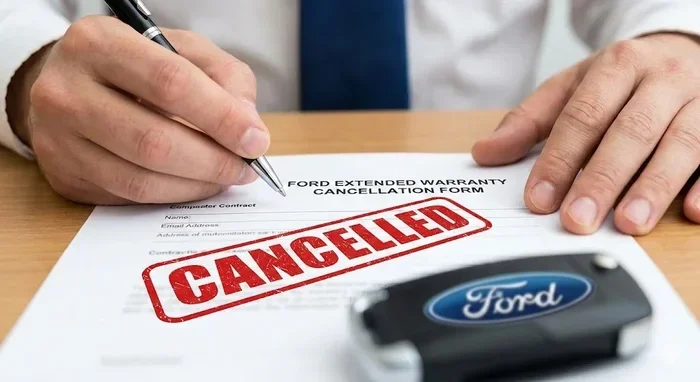
If your claim is denied unfairly, you have options. Contact the manufacturer directly. You can also reach out to your state’s consumer protection agency. The Magnuson-Moss Warranty Act protects consumers from unfair warranty practices.
Common Mistakes That Void Your Warranty
Many car owners accidentally void their warranty without realizing it. Here are the most common mistakes.
Skipping Scheduled Maintenance
Your warranty requires you to follow the maintenance schedule. Skipping oil changes or forgetting a tire rotation can give the dealership a reason to deny your claim. Keep a detailed maintenance log.
Using Non-OEM Parts
Aftermarket parts are not always a problem. But if a non-OEM part causes damage, the manufacturer may deny the claim for that specific repair. Using OEM (Original Equipment Manufacturer) parts is always the safest choice.
Ignoring Warning Lights
If a warning light comes on and you ignore it, you may lose coverage for resulting damage. The manufacturer argues that you had a chance to address the issue early. Do not ignore dashboard warnings.
Modifying Your Vehicle
Performance upgrades and cosmetic changes can void your warranty. The manufacturer may argue that the modification caused or contributed to the problem. Before making any changes, check your warranty terms.
Expert Tips for Maximizing Your Warranty Coverage
Here are some insider tips to help you get the most out of your dealership warranty.
- Know your warranty dates and mileage. Set reminders so you do not miss the coverage window.
- Build a relationship with your service advisor. A good advisor will advocate for you during the claims process.
- Ask about loaner cars. Many dealerships provide loaner vehicles while your car is under warranty repair.
- Understand your rights under the Magnuson-Moss Warranty Act. This federal law protects consumers and ensures fair warranty practices.
- Consider an extended warranty carefully. Not all extended warranties are worth the price. Compare options before committing.
- Keep all maintenance records. Even if you do not have them, the dealership keeps records too. But having your own copy gives you leverage.
How Extended Warranties Compare to Factory Warranties
Many car owners wonder whether an extended warranty is worth it. Here is a quick comparison.
| Feature | Factory Warranty | Extended Warranty |
|---|---|---|
| Coverage Period | 3 years / 36,000 miles (bumper-to-bumper) | Varies (often 5-7 years or more) |
| Labor Coverage | Yes, for covered repairs | Varies by plan |
| Deductible | Usually none | Often $100-$500 per visit |
| Authorized Repair Locations | Dealership only | Depends on the plan |
| Wear-and-Tear Coverage | No | Some plans include it |
| Cost | Included in purchase price | $1,000-$5,000+ |
As you can see, extended warranty labor coverage is not guaranteed. You must read the contract carefully. Some plans cover labor generously. Others have significant gaps.
When to Contact a Consumer Protection Advocate
If your dealership denies a warranty claim you believe is valid, do not give up. Contact a consumer protection advocate. Organizations like the Better Business Bureau and your state attorney general’s office can help. The Magnuson-Moss Warranty Act gives you legal recourse if a dealer acts in bad faith.
Also, if you are dealing with warranty disputes related to leasing, it is worth understanding how leasing affects your consumer rights. Leasing a car and your credit score are separate concerns, but warranty issues can sometimes impact your financial standing if disputes escalate.
Final Thoughts
So, does dealership warranty cover labor? The answer is yes, but with important caveats. Your warranty type, vehicle age, and the specific repair all matter. Bumper-to-bumper warranties generally cover labor for defects. Powertrain warranties cover labor for engine and transmission issues. Extended warranties vary widely.
The most important thing you can do is read your warranty document. Know what is covered and what is not. Keep detailed records. Ask questions at the dealership. Do not be afraid to advocate for yourself.
Your warranty is one of the biggest investments you make when buying a car. Understanding your dealership warranty labor coverage ensures you get every dollar of value out of it. Do not let confusion cost you money you should not have to spend.
Frequently Asked Questions
Does a dealership warranty cover all labor costs?
Not always. Bumper-to-bumper warranties typically cover labor for defects in materials or workmanship. However, wear-and-tear items, accident damage, and maintenance labor are usually not covered. Always check your specific warranty terms.
How long does dealership warranty labor coverage last?
Most new car bumper-to-bumper warranties cover labor for 3 years or 36,000 miles. Powertrain warranties may extend to 5 years or 60,000 miles. Extended warranties vary by plan and provider.
Can a dealership charge me for labor even if the repair is covered?
In most cases, no. If the repair is covered under warranty, the dealership should not charge you for labor. However, some dealerships may charge a diagnostic fee upfront. If the repair is covered, you should receive a refund.
What happens if my warranty claim for labor is denied?
You have the right to appeal the decision. Gather all documentation, review your warranty terms, and contact the manufacturer. You can also reach out to consumer protection agencies for assistance.
Does an extended warranty cover labor like a factory warranty?
It depends on the plan. Some extended warranties cover labor comprehensively, while others have significant limitations. Always read the contract carefully and ask questions before purchasing an extended warranty.
Are OEM parts required for warranty-covered repairs?
Most manufacturers require OEM parts for warranty repairs. Using aftermarket parts may void the warranty for that specific component. Check your warranty document for the parts requirement policy.