How Long Can I Drive With a Bad Alternator Before Damage
Driving with a bad alternator is risky. You might get 10 to 30 miles before your car stalls completely. A failing alternator leaves your battery uncharged, which can strand you and damage other parts. Know the warning signs, act fast, and get a proper diagnosis.
You’re cruising down the road when the battery light flickers on. Your heart sinks. You wonder, “How long can I drive with a bad alternator before things go wrong?” It’s a scary moment. The alternator keeps your battery charged and powers your electrical systems. When it starts to fail, you’re running on borrowed time. Many drivers push too far and end up stranded. This article explains exactly how far you can go, what warning signs to watch for, and what to do next.
The alternator is a small but mighty part of your car. It converts mechanical energy into electrical energy. Without it, your battery drains fast. A bad alternator means your vehicle’s electrical system is starving for power. You might notice dimming headlights or a dead battery. Some drivers ask, “Can I still drive with a bad alternator?” The honest answer is: only for a very short distance. Understanding the risks helps you make smart choices.
Key Takeaways
- Drive only as a last resort: A bad alternator can leave you stranded within 10–30 miles.
- Watch for warning signs: Dimming lights, dead battery, and whining noises signal alternator failure.
- Get a free diagnostic: Confirm the issue with a free diagnostic before assuming the worst.
- Replace promptly: Ignoring a bad alternator can damage your entire electrical system.
- Keep jumper cables handy: A jump start can buy you short-term time, but it’s not a fix.
- Check your serpentine belt: A loose or broken belt can mimic alternator problems.
📑 Table of Contents
- What Does a Bad Alternator Do?
- How Long Can I Drive With a Bad Alternator?
- Warning Signs Your Alternator Is Failing
- What Happens If You Keep Driving?
- Can You Drive with a P0171 Code and a Bad Alternator?
- What to Do When Your Alternator Fails
- Preventing Alternator Problems
- Final Thoughts on Driving With a Bad Alternator
What Does a Bad Alternator Do?
The Role of Your Alternator
Your alternator works hard every time you start the engine. It keeps the battery topped off and sends power to spark plugs, sensors, and the infotainment system. When the alternator starts to fail, the electrical load shifts entirely to the battery. The battery was never designed to power the car alone. It drains quickly. This leads to a cascade of electrical problems.
Think of the alternator as the heart of your car’s electrical system. Just like a weak heart can’t pump blood, a weak alternator can’t sustain the power needed. You might experience alternator failure at the worst possible time. That’s why knowing the symptoms matters.
Common Causes of Alternator Failure
Several things can wear out an alternator over time. Here are the usual culprits:
- Worn-out brushes: The carbon brushes conduct electricity. They wear down after years of use.
- Bad voltage regulator: This part controls the output. If it fails, the alternator undercharges or overcharges.
- Damaged serpentine belt: A loose or cracked belt can slip and prevent proper charging.
- Failed alternator diode: The diode bridge converts AC to DC. A bad diode reduces output.
- Overheating engine: Excessive heat breaks down internal components faster.
How Long Can I Drive With a Bad Alternator?
The big question is how long you can keep moving. There’s no single answer. It depends on your battery condition, electrical load, and driving habits. In most cases, you have a short window.
Short-Term Driving Estimates
With a fully charged battery and a failing alternator, you might drive 10 to 30 miles. Some drivers report getting up to 50 miles if they turn off all non-essential electronics. However, that’s a gamble. The moment you hit a bump or use the brakes heavily, the voltage drops. The engine might stall without warning.
If you’re asking, “how long can I drive with a bad alternator?” the safest answer is: not far. Treat every mile as a bonus. Pull over safely if the engine starts to hesitate.
Factors That Shrink Your Driving Window
Several things cut your time short:
- Using the AC or heater: These draw heavy power. They accelerate battery drain.
- Dimming headlights: When lights flicker, the system is already weak.
- Cold weather: A cold battery holds less charge and cranks harder.
- Old battery: A weak battery can’t survive even a short trip without charging.
- Stop-and-go traffic: Frequent idling uses more power from the battery.
Ignoring these factors can lead to a dead battery and a car that won’t start. You might need a jump start just to get home.
Warning Signs Your Alternator Is Failing
Your car gives you clues before a complete alternator failure. Recognizing these alternator symptoms can save you from a roadside breakdown.
Electrical Symptoms
- Dashboard warning lights: The battery light or ALT light illuminates. This is the first red flag.
- Dimming headlights: Lights get dim when you idle and brighten when you rev the engine.
- Slow power windows: Windows roll up slowly or feel sluggish.
- Flickering dashboard lights: The gauge cluster pulses or dims.
- Dead battery: The car won’t start, even after a jump. This is a classic sign of a charging problem.
Strange Noises and Smells
Listen to your car. A whining noise from the engine bay often points to a failing alternator bearing. You might hear a grinding or squealing sound that changes with engine speed. A burning smell is also serious. It could mean a slipping serpentine belt or an overheating alternator. Never ignore these smells.
Some drivers notice a burning rubber odor. This happens when the belt rubs against a misaligned alternator pulley. If you see smoke or smell something hot, pull over immediately.
What Happens If You Keep Driving?
Driving with a bad alternator puts extra stress on your car. The battery takes all the load. Eventually, it gives out. But the damage doesn’t stop there.
Battery Drain and Stalling
Once the battery is dead, the engine stalls. You’ll be stranded on the side of the road. A dead battery means the car won’t start. Even a jump start might not work if the alternator can’t recharge the battery. You’ll need a tow or a replacement part.
Stalling in traffic is dangerous. You could lose power steering and power brakes. This makes the vehicle hard to control. Always prioritize safety.
Damage to Other Car Components
A failing alternator can harm other systems. The voltage regulator controls the electrical output. If it fails, it can send irregular voltage to sensitive electronics. This can fry the ECU, damage the radio, or corrupt sensor data. The serpentine belt might also break if the alternator seizes, which can disable the water pump and cause the engine to overheat.
Some drivers worry about emissions. If the VSC light comes on alongside other warnings, you might wonder if you can pass emissions. You can learn more about whether you can pass emissions with VSC light on here. Electrical issues often trigger multiple warning lights at once.
Can You Drive with a P0171 Code and a Bad Alternator?
A P0171 code means the engine’s fuel mixture is too lean. It’s not directly an alternator problem, but a weak alternator can cause erratic sensor readings. If you also have a P0171 code, you might wonder if it’s safe to keep driving. Check out this guide on Can I Still Drive With A P0171 Code for more details. The short answer is: proceed with caution. A lean condition combined with charging issues increases the risk of stalling.
What to Do When Your Alternator Fails
Don’t panic. You have options. The key is to act quickly and safely.
Get a Free Diagnostic
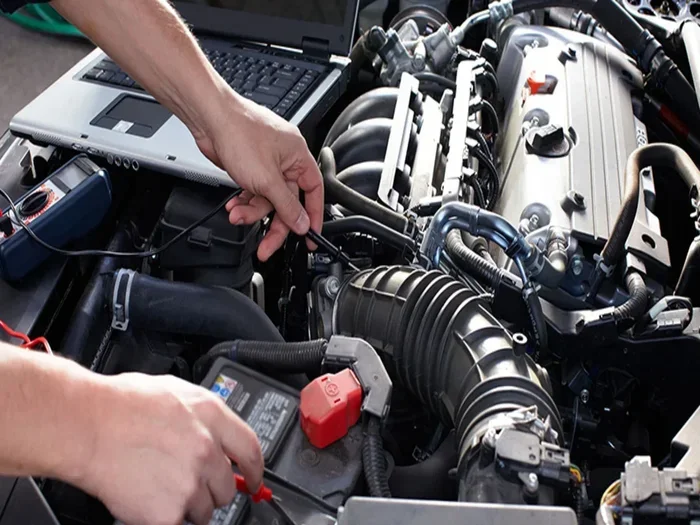
Before you assume the worst, you can get a free diagnostic on your car at many auto parts stores. They’ll read the error codes and test the charging system. This confirms whether the alternator is the real problem or if it’s a loose belt or bad connection.
Alternator Replacement Options
Replacing an alternator is a common repair. The alternator replacement cost varies by vehicle. On average, you’ll pay between $300 and $800 for parts and labor. You can choose a new alternator, a remanufactured unit, or a used part from a salvage yard. Each option has trade-offs. A new part offers the longest lifespan. A remanufactured unit is budget-friendly and often comes with a warranty.
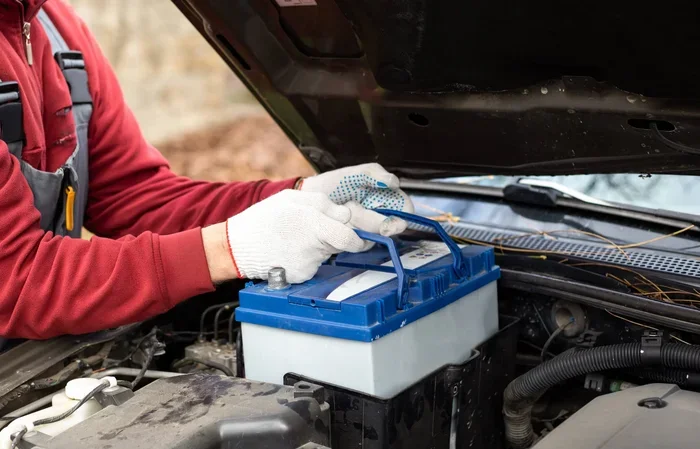
If you’re handy with tools, you can replace it yourself. However, working near the serpentine belt and electrical connections requires care. Always disconnect the battery first. If you’re unsure, let a professional handle it.
Preventing Alternator Problems
Regular maintenance keeps your alternator healthy. A few simple habits can extend its life.
Regular Maintenance Tips
- Inspect the serpentine belt: Look for cracks, glazing, or fraying. Replace it at the recommended interval.
- Clean battery terminals: Corrosion on terminals restricts current flow and stresses the alternator.
- Check the voltage output: A healthy alternator outputs 13.5 to 14.5 volts. Have a mechanic test this during oil changes.
- Avoid overloading the electrical system: Don’t run too many high-draw accessories at once.
- Address warning lights immediately: Don’t ignore the battery light. Early action prevents major damage.
Taking these small steps can save you from a sudden breakdown. A well-maintained alternator keeps your car running smoothly for years.
Final Thoughts on Driving With a Bad Alternator
The bottom line is clear. You shouldn’t drive far with a bad alternator. The risks of stalling, electrical damage, and safety hazards are too high. If you notice any alternator symptoms, get help right away. A quick diagnostic can confirm the issue and save you from a bigger repair bill. Remember, a bad alternator is a problem that only gets worse with time. Address it promptly to keep your car reliable and safe.
Your car depends on a healthy charging system. The alternator, battery, and voltage regulator work as a team. When one part fails, the whole system suffers. Whether you’re dealing with a dead battery or a whining noise, don’t ignore the signs. Take action, protect your investment, and stay safe on the road.
Frequently Asked Questions
Can I drive 20 miles with a bad alternator?
It’s possible but risky. A fully charged battery might give you 10 to 30 miles. However, turning on the AC or headlights can shorten that distance significantly. Always treat it as a short-term emergency measure only.
What happens if I keep driving with a bad alternator?
Your battery will drain completely. The engine will stall, and you could lose power steering and brakes. Repeated attempts to restart can damage the starter and other electrical components.
Can a bad alternator cause a P0171 code?
Not directly, but a weak alternator can cause erratic sensor readings. This might trigger a P0171 lean code. Always check the charging system when you see multiple warning lights.
How much does it cost to replace an alternator?
The average cost ranges from $300 to $800. The price depends on your vehicle model, labor rates, and whether you choose a new or remanufactured part.
Can a jump start fix a bad alternator?
A jump start provides temporary power to start the car. It does not fix the alternator. The vehicle will likely stall again once the battery drains.
How do I know if it’s the alternator or the battery?
A free diagnostic can test both. If the battery is new but the car still won’t hold a charge, the alternator is likely the culprit. Dimming lights and a whining noise also point to the alternator.
=== CONCLUSION ===
Driving with a bad alternator is never a good idea. You have a very short window of safe operation. The how long can I drive with a bad alternator answer is clear: only a few miles, and only as a last resort. Recognizing the warning signs early gives you the chance to act before you’re stranded. Get a free diagnostic, replace the faulty part, and keep your car’s electrical system healthy. A little attention now can save you from costly repairs and dangerous breakdowns later.