How Does a Remote Starter Switch Work Step by Step Guide
A remote starter switch lets you start your car from a distance using a handheld remote or smartphone app. The system sends a wireless signal to your vehicle, which triggers the ignition, starter motor, and fuel system safely. Understanding how each component works helps you troubleshoot issues, choose the right kit, and enjoy the comfort of a pre-warmed or pre-cooled vehicle every time.
A remote starter switch is one of the most convenient upgrades you can make to your vehicle. Imagine sitting in your warm living room while your car heats up on a freezing morning. Or cooling down your car on a scorching summer day before you even step outside. That is exactly what a remote engine start system does for you. But have you ever wondered what happens behind the scenes when you press that button on your key fob?
In this guide, we will walk you through exactly how a remote starter switch works. We will break down every component, explain the process step by step, and share practical tips along the way. Whether you are a curious car owner or someone thinking about installing a remote start kit, this article has you covered.
## What Is a Remote Starter Switch
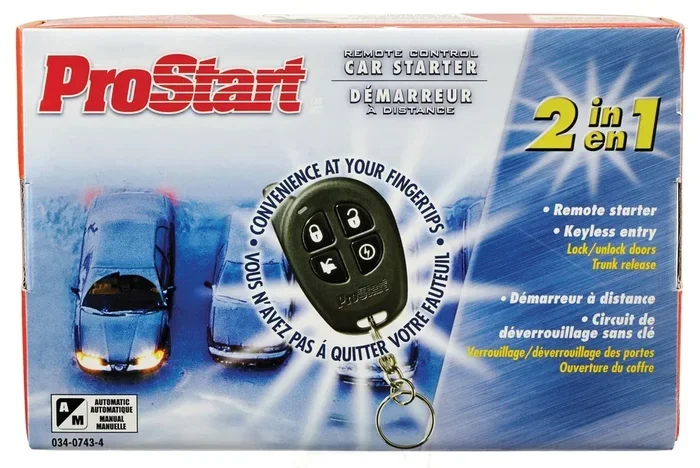
A remote starter switch is a device that allows you to start your vehicle’s engine from a distance. You use a handheld remote control or a smartphone app to send a signal to your car. The car receives that signal and initiates the starting process, just as if you had turned the key or pushed the start button inside the cabin.
These systems have become incredibly popular over the past decade. Many new vehicles come with factory-installed remote start features. But aftermarket kits work just as well for older models. The basic idea remains the same across all types of vehicles. A signal travels from the remote to the car. The car’s computer receives the signal and checks for safety conditions. If everything checks out, the engine starts.
### How Remote Starters Differ From Keyless Entry
People often confuse remote start with keyless entry. They are related but different systems. Keyless entry lets you unlock your doors without using a physical key. A remote starter goes a step further. It actually starts the engine while you are still standing outside the vehicle.
Some modern vehicles combine both features into a single key fob. You can lock, unlock, and start your car from the same device. This integration makes life much easier. However, the internal mechanisms for each function work differently. Understanding this difference helps you troubleshoot problems more effectively.
## The Core Components of a Remote Starter System
Every remote starter system has several key parts working together. Each component plays a specific role in the starting process. Let us look at them one by one.
### The Remote Control Transmitter
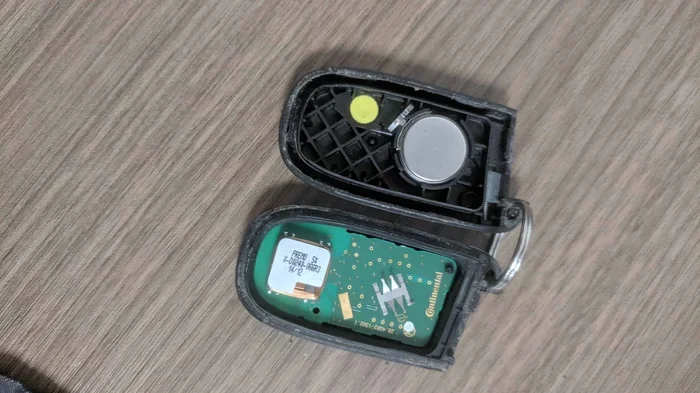
The remote control is what you hold in your hand. It contains a small battery and a radio transmitter. When you press the start button on the remote, it sends a coded wireless signal. This signal travels through the air to your vehicle. The range varies depending on the system. Basic models work from about 500 feet away. Advanced systems can reach over a mile.
The signal is encrypted for security. This prevents someone from accidentally or intentionally starting your car. The coding system ensures that only your specific remote can communicate with your vehicle. Think of it like a secret language between your remote and your car.
### The Vehicle Receiver Module
Inside your car, there is a receiver module. This is the brain of the remote start system. It listens for signals from your remote. When it receives a valid coded signal, it processes the information. It checks whether all safety conditions are met before allowing the engine to start.
The receiver module connects to your vehicle’s existing wiring. It taps into the ignition circuit, the starter circuit, and the fuel system. This is why proper installation is so important. Every connection must be secure and correctly wired. A loose connection can cause the system to fail or behave unpredictably.
### The Starter Motor and Solenoid
The starter motor is what actually cranks the engine. When the remote start system sends the command, it activates the starter solenoid. The solenoid pushes the starter gear into contact with the engine’s flywheel. The starter motor then spins, turning the engine over.
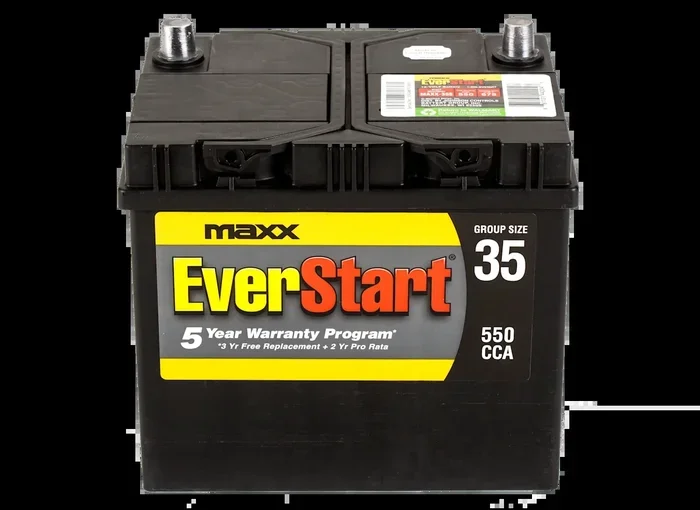
This process is identical to what happens when you turn your key or press the start button inside the car. The only difference is that a remote system triggers it electronically from a distance. The starter motor draws significant power from the battery. This is why a healthy battery is essential for reliable remote starting.
### The Ignition Switch and Relay
The ignition switch controls the flow of electrical power to the engine. In a remote start system, a relay acts as an electronic ignition switch. When the receiver module gives the command, the relay closes the circuit. This sends power to the ignition coil, fuel pump, and spark plugs simultaneously.
The relay is a critical safety component. It ensures that power flows only when all conditions are correct. If something is not right, the relay stays open and the engine does not start. This prevents damage and keeps your vehicle safe.
## Step-by-Step: How the Remote Start Process Works
Now that you know the components, let us walk through the entire process. Here is exactly what happens from the moment you press the button on your remote to the moment your engine is running.
### Step 1: You Press the Button on the Remote
You press the start button on your handheld remote. The remote’s battery sends a coded radio signal through the air. This signal carries a unique identification code specific to your vehicle. The signal travels at the speed of light and reaches your car within milliseconds.
### Step 2: The Vehicle Receiver Picks Up the Signal
The receiver module inside your car detects the incoming signal. It decodes the message and checks the identification code. If the code matches, the system knows the signal is legitimate. If it does not match, the system ignores the signal entirely. This is your first layer of security.
### Step 3: Safety Checks Are Performed
Before the engine can start, the system runs several safety checks. It verifies that the transmission is in park or neutral. It checks that the brake pedal is pressed (in some systems). It confirms that all doors are closed and the hood is shut. These checks prevent the car from lurching forward unexpectedly or starting in gear.
This is where the neutral safety switch comes into play. It is a simple but vital component. If the transmission is not in the correct position, the system will not start the engine. This protects you and your vehicle from potential accidents.
### Step 4: The Starter Motor Engages
Once all safety conditions are met, the receiver module sends a signal to the starter relay. The relay closes and sends power to the starter motor. The starter motor spins and cranks the engine. Fuel is injected, spark plugs fire, and the combustion cycle begins.
You may notice the engine turning over for a few seconds before it catches. This is completely normal. The remote start system holds the key in the ignition position for a set amount of time. Once the engine starts running, the system releases the ignition circuit.
### Step 5: The Engine Runs and Climate Control Activates
After the engine starts, the remote start system keeps it running. The vehicle’s climate control system activates automatically. If you programmed the system to turn on the heat or air conditioning, it will do so now. Your car becomes comfortable before you ever step inside.
The engine will continue running for a preset time. Most systems run for 10 to 20 minutes before shutting off automatically. You can extend this time if needed. Some systems allow you to control the duration through the remote or a smartphone app.
## Safety Features Built Into Remote Starters
Safety is a top priority in remote starter design. Manufacturers build multiple layers of protection into every system. These features ensure that your car starts safely and does not become a theft target.
### Brake Pedal Requirement
Many modern remote start systems require you to press the brake pedal before the engine will start. This is the same safety feature found in push-button start vehicles. Without pressing the brake, the system will not allow the engine to crank. This prevents accidental movement of the vehicle.
### Transmission Position Verification
The system checks that the transmission is firmly in park or neutral. If the gear selector is in any other position, the engine will not start. This prevents the car from lurching forward or backward when the remote start activates.
### Key Presence Detection
Some advanced systems use a transponder key or proximity sensor. The system verifies that the correct key is present inside the vehicle before allowing the engine to run. This anti-theft feature adds an extra layer of protection. Even if someone intercepts your remote signal, they cannot start your car without the key inside.
### Automatic Shutoff
Remote start systems are programmed to shut off after a set period. This prevents the engine from running indefinitely if you forget to turn it off. Most systems default to 10 to 20 minutes. You can usually adjust this setting to suit your preferences.
## Common Issues and How to Troubleshoot Them
Remote starter switches are reliable, but they can occasionally have problems. Understanding common issues helps you diagnose and fix them quickly.
### The Remote Does Not Work
If your remote stops working, the first thing to check is the battery. A weak battery is the most common cause of remote failure. Replace the battery with the correct type and try again. If that does not solve the problem, check for interference. Other electronic devices nearby can sometimes block the signal.
Another possibility is that the receiver module lost its programming. This can happen after a battery disconnect or a power surge. You may need to reprogram the remote following the manufacturer’s instructions.
### The Engine Starts But Stalls Immediately
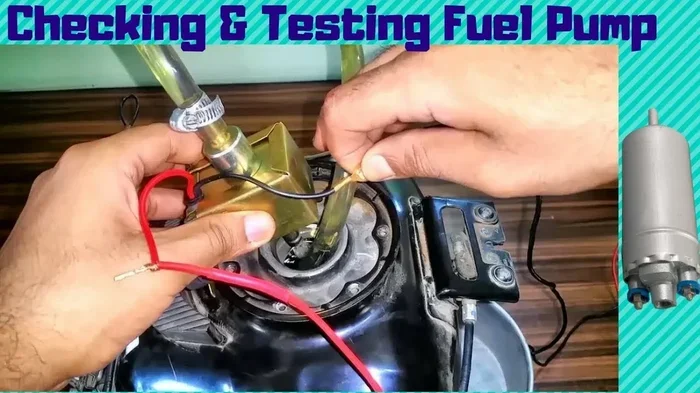
If your engine cranks but stalls right away, the issue is often related to the fuel system. The remote start system may not be holding the fuel pump prime long enough. Check the wiring connections to the fuel pump relay. Make sure all connections are secure and corrosion-free.
A faulty crankshaft position sensor can also cause this problem. If the sensor sends an incorrect signal, the engine control module will shut the engine down. This is a less common cause but worth investigating if the first two solutions do not work.
### The System Does Not Engage the Starter
If pressing the remote button does nothing, the issue could be with the starter relay or the wiring. Use a multimeter to check for power at the relay socket. If there is no power, trace the wiring back to the receiver module. Look for loose connections or damaged wires along the way.
If you are unsure about any of these steps, consult a professional mechanic. Working with your vehicle’s electrical system requires care and precision. A mistake can damage components or create safety hazards.
## Expert Tips for Choosing and Maintaining a Remote Starter
Selecting the right remote starter system makes a big difference in your experience. Here are some expert tips to help you make the best choice.
### Choose the Right Range for Your Needs
Consider where you live and how you use your vehicle. If you park in a large garage or driveway, a longer range is helpful. A basic 500-foot range works fine for most suburban setups. If you park in a crowded lot or need to start your car from a distance, look for a system with a range of one mile or more.
### Prioritize Security Features
Not all remote start systems offer the same level of security. Look for systems with encrypted signals, transponder key verification, and automatic shutoff. These features protect your vehicle from theft and unauthorized use. A secure system gives you peace of mind every time you walk away from your car.
### Keep Your Remote Clean and Dry
Moisture and dirt can damage the remote’s internal electronics. Wipe your remote down regularly with a soft cloth. Avoid dropping it or exposing it to extreme temperatures. A well-maintained remote will last for years without issues.
### Replace the Remote Battery Annually
Even if your remote still works, replacing the battery once a year prevents unexpected failures. Use the battery type recommended by the manufacturer. A fresh battery ensures strong signal strength and reliable performance.
### Have the System Inspected During Regular Maintenance
Include your remote start system in your regular vehicle maintenance routine. Ask your mechanic to check the wiring, receiver module, and relay during oil changes or inspections. Catching a small issue early prevents bigger problems down the road.
## The Benefits of Using a Remote Starter Switch
Remote starters offer benefits that go far beyond comfort. Let us look at some of the most compelling reasons to add this feature to your vehicle.
### Engine Health and Longevity
Starting your engine in cold weather without letting it warm up puts extra stress on the components. A remote starter allows your engine to warm up gradually before you drive. This reduces wear on the engine oil, transmission, and other internal parts. Over time, this can extend the life of your vehicle.
### Comfort and Convenience
There is simply no comparison to walking into a warm car in winter or a cool car in summer. Remote starters eliminate the discomfort of sitting in an extreme-temperature vehicle. This small convenience improves your daily driving experience significantly.
### Improved Visibility
Many remote start systems automatically turn on the headlights when the engine starts. This means your windshield defrosts while your lights illuminate the surrounding area. This combination improves visibility and safety, especially during early morning or late evening drives.
### Resale Value
A factory or professionally installed remote start system can increase your vehicle’s resale value. Many buyers consider it a desirable feature. It signals that the vehicle has been well maintained and equipped with modern convenience technology.
## Common Mistakes to Avoid With Remote Starters
Even the best remote start systems can cause problems if used incorrectly. Here are some common mistakes to avoid.
### Leaving the Car Running Unattended for Too Long
Most remote start systems have an automatic shutoff timer. But some people disable or ignore this feature. Leaving your car running unattended for extended periods wastes fuel and can attract unwanted attention. Always respect the system’s default timer settings.
### Ignoring Warning Lights on the Dashboard
If your dashboard warning lights illuminate after using the remote start, do not ignore them. These lights are telling you something is wrong. A P0171 code, for example, might indicate a lean fuel condition that could affect your remote start performance. Address warning lights promptly to avoid bigger issues.
### Using a Worn-Out Remote Battery
A weak remote battery sends a weaker signal. This can cause intermittent failures or prevent the system from working altogether. Replace the battery at the first sign of reduced range or sluggish response. Do not wait until the remote stops working completely.
### Attempting DIY Installation Without Proper Knowledge
While some remote start kits are marketed as DIY-friendly, improper installation can cause serious problems. Incorrect wiring can damage your vehicle’s electrical system or void your warranty. If you are not confident in your skills, invest in professional installation.
## Frequently Asked Questions
Can you start a keyless car with a key using a remote starter?
Yes, most remote starter systems work with keyless entry and push-button start vehicles. The system interfaces with your car’s existing keyless technology and sends the appropriate signals to start the engine. However, compatibility varies by vehicle make and model, so always check before purchasing a kit.
Is it safe to leave my car running with a remote starter?
Yes, it is generally safe. Remote starter systems include multiple safety features like automatic shutoff timers, transmission position checks, and brake pedal requirements. These features prevent accidents and unauthorized use. Always make sure your car is parked in a well-ventilated area, especially in enclosed spaces like garages.
How far can a remote starter reach?
The range depends on the system you install. Basic models typically reach 500 feet to 1,000 feet. Mid-range systems can reach up to half a mile. Premium models with extended range can work from over a mile away. Keep in mind that buildings, hills, and other obstructions can reduce the effective range.
Does a remote starter void my car’s warranty?
It depends on your vehicle’s warranty terms and how the system is installed. In many cases, aftermarket installations do not void the warranty unless they directly cause a problem. However, some manufacturers have specific policies about aftermarket electronics. Check your warranty documentation or consult your dealer before installing a remote start system.
Can a worn-out key or key fob affect the remote starter?
Yes, a worn-out key or key fob can interfere with your remote starter’s performance. If the key fob battery is dying, the signal strength weakens and the remote may not work reliably. Similarly, a damaged key fob may fail to communicate with the vehicle’s receiver. Replacing the battery or the key fob usually resolves these issues quickly.
What should I do if my remote start system stops working suddenly?
Start by checking the remote battery and replacing it if needed. Next, verify that the vehicle’s battery is fully charged, as a weak car battery can prevent the system from functioning. If both batteries are good, check the receiver module for error lights or loose connections. If you cannot identify the issue, consult a professional technician who specializes in remote start installations.
## Conclusion
A remote starter switch is a clever piece of technology that brings real comfort and convenience to your daily driving routine. From the wireless signal sent by your remote to the starter motor cranking your engine, every step in the process is designed with safety and reliability in mind. Understanding how the system works helps you use it more effectively and troubleshoot problems when they arise.
The key components, including the transmitter, receiver module, starter motor, and safety switches, all work together seamlessly. When one part fails, the whole system can be affected. This is why regular maintenance and proper installation matter so much.
Whether you are considering installing a remote start kit or simply want to understand your current system better, the information in this guide gives you a solid foundation. Remote starter switches continue to evolve with new features like smartphone integration and enhanced security. The future of vehicle starting technology is exciting, and knowing how it works today puts you ahead of the curve.
Take the time to care for your remote starter system. Replace batteries regularly, keep your connections clean, and address issues promptly. A well-maintained remote start system will serve you reliably for many years to come.
Key Takeaways
- A remote starter switch uses a wireless signal to communicate between the handheld remote and your vehicle’s onboard system.
- The starter motor, ignition switch, and relay work together to crank the engine without you being inside the car.
- Safety features like the neutral safety switch prevent the engine from starting while the vehicle is in gear.
- Installing a remote start kit is possible DIY for many vehicles, but professional installation ensures reliability.
- Modern systems integrate with keyless entry and push-button start technology for seamless operation.
- Regular maintenance of your remote starter keeps it functioning reliably through all seasons.
Frequently Asked Questions
What is How Does a Remote Starter Switch Work??
How Does a Remote Starter Switch Work? is an important topic with many practical applications.