Can a Bad Battery Cause the Wrench Light to Come On
If you see the wrench light on your dash, you might wonder: can a bad battery cause the wrench light to come on? The answer is yes—a weak or failing battery can trigger your car’s maintenance light by sending erratic signals to the computer. This guide explains the connection between battery health and the wrench light, symptoms to watch for, and simple steps to diagnose and fix the problem.
You’re driving to work when a yellow wrench icon lights up on your dashboard. It’s a startling moment, especially if you’ve never seen it before. Many drivers immediately worry about costly repairs, but the truth is simpler. Often, the culprit is something basic: your car battery. So, can a bad battery cause the wrench light to come on? Absolutely. A weak or dying battery can disrupt the delicate electrical signals that your vehicle’s computer relies on. In this article, we’ll walk you through exactly why that happens, what other signs to look for, and how to fix it yourself.
The wrench light, also known as the maintenance required light, is different from the check engine light. It usually reminds you about scheduled service. But when your battery is failing, it can trick the system into thinking something is wrong. Understanding this connection helps you avoid unnecessary trips to the shop and saves money. Let’s dive into the details.
Key Takeaways
- A bad battery can indeed cause the wrench light to illuminate due to voltage irregularities that confuse your car’s computer.
- Common symptoms include slow cranking, flickering lights, and dashboard warnings beyond just the wrench light.
- You can often still drive short distances with the wrench light on, but it’s not recommended for extended trips.
- A simple battery test with a multimeter can reveal if voltage drops below 12.4 volts, indicating a problem.
- Resetting the wrench light after battery replacement is usually straightforward with an OBD-II scanner or by disconnecting the battery.
- Regular maintenance like cleaning terminals helps prevent battery-related warning lights.
📑 Table of Contents
What Does the Wrench Light Actually Mean?
The wrench light is a maintenance reminder. It pops up based on mileage or time intervals. Your car’s onboard computer tracks these and illuminates the icon when service is due. However, electrical issues can also activate it. The wrench light is not a red stop sign like the oil pressure light. It’s a yellow or orange warning that says, “Hey, check this out.”
The Wrench Light vs. Check Engine Light
People often confuse the wrench light with the check engine light. The check engine light (MIL) signals an emissions-related fault. The wrench light is more general. It can indicate a maintenance need or a electrical glitch. Both lights use the car’s OBD-II system, but they serve different purposes. A bad battery can trigger either light, but the wrench light is more commonly tied to voltage irregularities.
Common Triggers for the Wrench Light
Several things can cause the wrench light to turn on. Here are the most common triggers:
- Scheduled maintenance interval reaching its limit
- Low battery voltage or a weak charge
- Faulty alternator not charging properly
- Corroded battery terminals interrupting the circuit
- Parasitic draw draining the battery when the car is off
- Sensor malfunction sending bad data to the ECU
Can a Bad Battery Cause the Wrench Light to Come On?
Yes, a bad battery is a leading cause of the wrench light. Your car’s engine control unit (ECU) depends on a stable 12-volt supply. When the battery sags or fluctuates, the ECU receives corrupted data. This can set off the maintenance light even if no actual fault exists. The battery acts as the heart of your electrical system. Without it, every sensor and module struggles.
Voltage Drops and Sensor Confusion
When battery voltage drops below 12.4 volts, the ECU starts to behave unpredictably. Sensors that monitor everything from fuel trim to idle speed rely on steady power. A voltage drop makes them send incorrect readings. The computer interprets these as errors and lights up the wrench icon. This is especially common in cold weather when batteries work harder.
The Role of the Battery in Modern Vehicles
Modern cars have dozens of electronic control units. They all draw power from the battery. If the battery can’t hold a charge, the voltage regulator works overtime. The alternator tries to compensate, but it can’t fix a dying battery. The result is a cascade of electrical warnings. The wrench light is often the first to appear because the maintenance module is very sensitive to power supply changes.
If you drive a hybrid, the high-voltage battery and the 12-volt auxiliary battery work together. A failure in the 12-volt system can still trigger the wrench light. For information on safely jump-starting a hybrid, check out whether jumper cables can be used on a hybrid.
Symptoms of a Battery-Related Wrench Light
A failing battery doesn’t just turn on the wrench light. It shows other signs too. Recognizing these symptoms early helps you avoid being stranded.
Dashboard Warnings and Starting Problems
The most obvious symptom is slow cranking when you turn the key. The engine turns over sluggishly. In push-button start vehicles, you might hear a rapid clicking sound but no start. If your car uses a push-button ignition, a dead battery can leave you unable to start the car. For tips on how to handle this, check out whether you should hold the push start button during a start attempt.
Other dashboard warnings often accompany the wrench light. The battery light might flicker. The voltage gauge might drop into the red zone. These are clear signs that the electrical system is struggling.
Electrical Gremlins: Flickering Lights and Weak Accessories
A bad battery causes dimming headlights, especially at idle. The radio might reset or lose presets. Power windows might operate slowly. These are all signs of insufficient voltage. The wrench light often appears alongside these symptoms because the ECU detects the unstable power supply.
| Battery Voltage | Symptoms | Likely Outcome |
|---|---|---|
| 12.6V and above | Normal operation | No wrench light |
| 12.4V to 12.6V | Slight slow cranking | Wrench light possible |
| 12.0V to 12.4V | Flickering lights, weak accessories | Wrench light likely |
| Below 12.0V | No start, electrical failures | Wrench light and other warnings |
Can You Still Drive With the Wrench Light On?
In most cases, yes, you can still drive a short distance with the wrench light on. The light itself doesn’t mean your car will break down immediately. However, driving with an underlying battery problem is risky. The battery could die completely, leaving you stranded on the side of the road.
Short-Term Driving Risks
If the wrench light is on due to a low battery, your alternator is working harder than it should. This can overheat the alternator and shorten its life. You might also experience stalling at intersections if the voltage dips too low. The car’s computer might go into a protective limp mode, limiting your speed and power.
When to Pull Over
If the wrench light comes on and you notice the battery warning light too, pull over safely. Do not keep driving if the engine stalls or you lose power steering. These are signs of a complete electrical failure. Call for roadside assistance or a jump start.
How to Diagnose a Battery-Caused Wrench Light
Diagnosing the problem is easier than you think. You don’t need to be a mechanic. A few simple tools can tell you exactly what’s going on.
Using a Multimeter to Test Battery Voltage
A digital multimeter is your best friend here. Set it to DC voltage. Touch the red probe to the positive terminal and the black probe to the negative terminal. With the engine off, a healthy battery reads 12.6 volts. If it reads 12.4 volts or lower, the battery is weak. Start the engine and watch the voltage. It should rise to 13.7 to 14.7 volts. If it stays low, the alternator might not be charging properly.
OBD-II Scanner: Reading the Codes
Many drivers ask if they can get a free diagnostic on their car to read the wrench light codes. Yes, you can. Auto parts stores often offer this service for free. Plug an OBD-II scanner into the port under your steering column. The scanner will show trouble codes. Codes starting with P0562 or P0563 often point to a system voltage problem. This confirms the battery or charging system is the issue.
Quick Tips for Battery Health Checks
- Check the battery date code to know its age. Most batteries last 3 to 5 years.
- Inspect the terminals for white or greenish corrosion. Clean them with a baking soda solution.
- Look at the battery case for bulging or cracks. A swollen battery needs immediate replacement.
- Test the charging system at a local auto parts store. Many offer this test for free.
- Check for parasitic draw using a multimeter in amp mode. A draw over 50 milliamps can drain the battery overnight.
Fixing the Problem: Battery Replacement and Reset
Once you confirm the battery is the problem, fixing it is straightforward. Replacing a car battery is one of the easiest maintenance jobs you can do yourself.
Choosing the Right Battery for Your Vehicle
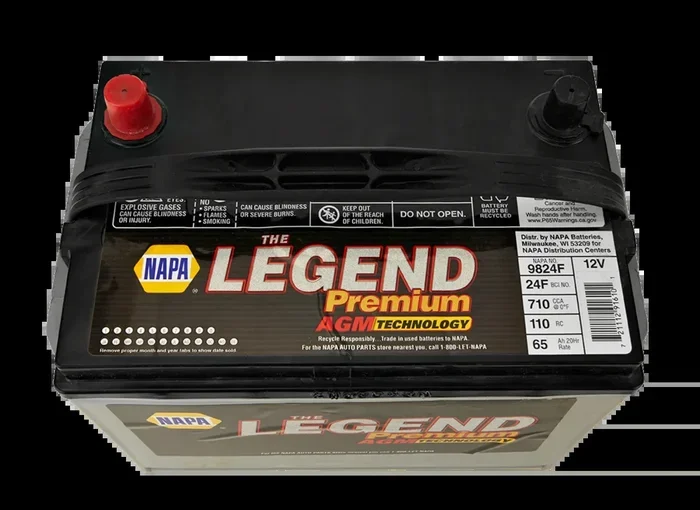
Not all batteries are the same. Check your owner’s manual for the group size and cold cranking amps (CCA) rating. Using the wrong battery can cause the wrench light to return. Make sure the terminal placement matches your cables. A loose fit leads to intermittent electrical issues.
Resetting the Wrench Light After Replacement
After installing a new battery, the wrench light might stay on. You need to reset the maintenance reminder. For most vehicles, you can do this with an OBD-II scanner. Plug it in, navigate to the maintenance reset function, and clear the code. Some cars require you to hold a button on the dashboard for a few seconds. If you don’t have a scanner, disconnecting the battery for 15 minutes can reset the ECU. Just be aware that this may also reset your radio presets and power window calibration.
Preventive Maintenance to Avoid Future Issues
Prevention is always better than repair. Follow these simple steps to keep your battery healthy and the wrench light off:
- Inspect battery terminals every few months for corrosion.
- Keep the battery tight in its tray. A vibrating battery can damage the internal plates.
- Avoid short trips that don’t allow the alternator to fully recharge the battery.
- Turn off all accessories before shutting off the engine.
- Test the battery annually after the 3-year mark.
Understanding the connection between your battery and the wrench light saves time and money. The next time that yellow icon appears, you’ll know exactly what to check. A little attention to your battery health keeps your car running smoothly and prevents unexpected breakdowns.
Frequently Asked Questions
Can a bad battery cause other warning lights to come on?
Yes, a weak battery can cause multiple warning lights. The check engine light, battery light, and even the oil pressure light can illuminate if voltage drops too low. The car’s computer relies on stable power to run all its systems.
How long can you drive with the wrench light on?
You can usually drive a short distance, but it’s not advisable. If the wrench light is due to a battery issue, the car could stall or fail to restart. Get the battery tested as soon as possible.
Will resetting the wrench light fix the battery problem?
No, resetting the light only clears the reminder. If the battery is actually bad, the light will come back. You must fix the underlying battery or charging system issue first.
Can a corroded battery terminal cause the wrench light?
Yes, corroded terminals create resistance and interrupt the electrical connection. This can cause voltage drops that trigger the wrench light. Cleaning the terminals often resolves the problem.
How often should you replace your car battery?
Most car batteries last between 3 and 5 years. Extreme weather, short trips, and leaving accessories on can shorten that lifespan. Testing the battery annually after year three helps you plan for replacement.
Is it safe to jump-start a car with the wrench light on?
Generally yes, if the wrench light is caused by a dead battery. However, if the light is due to an electrical short or alternator failure, jump-starting might not help and could cause further damage. Always diagnose the root cause first.