Can You Go Two Years Without an Oil Change Heres Why
Going two years without an oil change is risky and can cause serious engine damage. Most manufacturers recommend oil changes every 5,000 to 7,500 miles or at least once a year. Skipping oil changes leads to sludge buildup, reduced engine protection, and costly repairs down the road.
Have you ever looked at your car and thought, “I really should get that oil changed”? Then life got busy. Work piled up. Trips came and went. And before you knew it, months had turned into a year or maybe even two. So can you go two years without an oil change? The short answer is no, and here is why it matters more than you think.
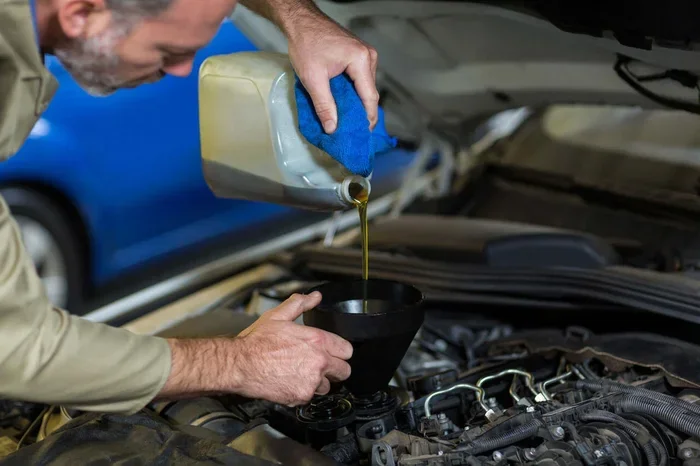
Oil is the lifeblood of your engine. It keeps every moving part lubricated, reduces friction, and prevents overheating. When oil sits too long, it breaks down. It gets dirty. It loses its ability to protect your engine. And that can lead to repairs that cost a lot more than a simple oil change. In this article, we will walk through everything you need to know about oil change intervals, what happens when you skip them, and how to keep your engine running strong for years to come.
Key Takeaways
- Oil degrades over time: Even if you drive less, oil breaks down and loses its protective properties after 12 months.
- Two years is too long: Most automakers recommend oil changes at least once a year, making two years well beyond the safe limit.
- Sludge can build up: Old oil turns into sludge that clogs passages and reduces engine performance.
- Synthetic oil lasts longer: Full synthetic oil can extend intervals, but it still needs replacement within 12 to 18 months.
- Watch for warning signs: Dark oil, engine noise, and the oil change light are clear signals your car needs attention.
- Prevention saves money: Staying on top of oil changes avoids expensive engine repairs that can cost thousands of dollars.
📑 Table of Contents
- What Happens If You Skip Oil Changes for Two Years
- How Often Should You Really Change Your Oil
- The Difference Between Synthetic and Conventional Oil
- Signs Your Car Is Due for an Oil Change
- What Your Owner Manual Says About Oil Change Intervals
- The Cost of Skipping Oil Changes vs Staying on Schedule
- Common Mistakes People Make with Oil Changes
- Expert Tips for Keeping Your Oil Fresh
- Can You Ever Go Longer Than the Recommended Interval
- Conclusion
What Happens If You Skip Oil Changes for Two Years
Let us start with the big question. What actually happens inside your engine when you go two years without changing the oil? The answer is not pretty. Over time, oil undergoes a process called oxidation. This means it reacts with oxygen and starts to break down chemically. The additives that protect your engine wear off. The viscosity changes. And the oil starts to collect contaminants.
Sludge Build Up
One of the biggest dangers of old oil is sludge formation. Sludge is a thick, dark substance that clogs oil passages. It restricts flow to critical engine components. Without proper oil flow, parts start grinding against each other. This causes heat buildup and accelerated wear. In severe cases, sludge can completely block oil flow and seize the engine.
Think of it like blood vessels getting clogged. The blood cannot flow properly, and the body starts to shut down. The same thing happens to your engine when sludge takes over.
Increased Engine Wear
Fresh oil contains detergents and dispersants that keep metal particles suspended. Over time, these additives get used up. The oil becomes abrasive. Metal-on-metal contact increases. This wears down bearings, cylinder walls, and camshafts. Two years of driving on old oil can shave years off your engine life.
If you have been wondering about engine warning signs, keep reading. We will cover those in detail later in this article.
Overheating Risks
Oil helps regulate engine temperature. It absorbs heat from components and carries it away. Old oil cannot do this job effectively. Your engine may run hotter than normal. On a hot day, this risk increases even more. You might notice your temperature gauge climbing or your car overheat on the highway. This is a serious safety concern and can cause permanent engine damage.
How Often Should You Really Change Your Oil
The old rule of thumb was every 3,000 miles or three months. But modern engines and oils have changed the game. Today, the answer depends on several factors. Let us break them down.
Manufacturer Recommendations
Every vehicle comes with an owner manual. This manual contains the manufacturer’s recommended oil change interval. For most newer cars, this falls between 5,000 and 10,000 miles. Some vehicles with synthetic oil can go even longer. But here is the catch. Almost every manufacturer still recommends changing oil at least once a year, even if you have not hit the mileage mark.
So if you drive 3,000 miles a year, you still need an annual oil change. Two years without one is double the recommended maximum interval.
The Role of Driving Conditions
Not all driving is equal. Your driving conditions play a huge role in how quickly oil degrades. Here are some examples of severe driving conditions that shorten oil life:
- Short trips under five miles
- Stop and go traffic
- Extreme heat or cold weather
- Towing or hauling heavy loads
- Dusty or unpaved roads
- Idling for long periods
If you deal with any of these conditions, you should change your oil more frequently. Two years is never acceptable, no matter how you drive.
Oil Life Monitoring Systems
Many modern vehicles come equipped with an oil life monitoring system. This system tracks your driving habits and estimates when the oil needs replacing. Some systems use algorithms based on engine temperature, driving time, and mileage. Others simply count miles and remind you when it is time.
These systems are helpful. But they are not perfect. If you have gone two years without a change, the system may have been ignored or reset. Do not rely solely on a dashboard light. Use your judgment and follow the manual.
The Difference Between Synthetic and Conventional Oil
Not all oil is created equal. The type of oil you use affects how long it can last between changes. Let us compare the two main types.
Conventional Oil
Conventional oil is made from crude oil. It is refined and distilled to create a lubricant. It works well for most engines. But it breaks down faster than synthetic options. With conventional oil, you should expect to change it every 3,000 to 5,000 miles or every six months. Going two years on conventional oil is a guaranteed way to damage your engine.
Synthetic Oil
Synthetic oil is engineered in a lab. It has a more consistent molecular structure. This gives it superior thermal stability and oxidation resistance. Synthetic oil can last longer between changes. Many manufacturers now recommend synthetic oil with intervals of 7,500 to 15,000 miles.
But even synthetic oil has limits. The additives degrade over time. Moisture can accumulate. Contaminants build up. No type of oil should go two years without a change. The maximum safe interval for synthetic oil is typically 12 to 18 months.
| Feature | Conventional Oil | Synthetic Oil |
|---|---|---|
| Change Interval (Mileage) | 3,000 – 5,000 miles | 7,500 – 15,000 miles |
| Change Interval (Time) | Every 6 months | Every 12 months |
| Heat Resistance | Moderate | High |
| Cost Per Change | $35 – $50 | $60 – $100 |
| Engine Protection | Good | Excellent |
| Max Safe Time Without Change | 6 months | 12 – 18 months |
As you can see from the table above, even the best synthetic oil has a time limit. Two years exceeds that limit by a wide margin.
Signs Your Car Is Due for an Oil Change
Sometimes you forget or delay an oil change without realizing how long it has been. Here are the signs that your car is begging for fresh oil.
Dark or Dirty Oil
New oil is amber or golden in color. As it ages, it turns dark brown or black. You can check this by pulling the dipstick. If the oil looks like tar or coffee, it is way past due. Clean oil should flow smoothly and look translucent.
Engine Noise and Knocking
Old oil loses its ability to cushion engine parts. You may hear knocking or ticking sounds, especially when starting the car. This happens because metal components are making direct contact without proper lubrication. If you hear these sounds, do not ignore them. Check your oil level and condition immediately.
Oil Change Warning Light
Most modern vehicles have an oil change indicator on the dashboard. This light may look like an oil can or simply say “OIL.” When this light comes on, it means the system has detected degraded oil. Get your oil changed as soon as possible. Do not wait weeks or months to address this warning.
Burning Oil Smell
If you smell something burning inside the car, it could be old oil overheating. This is a serious warning sign. Pull over safely and check your oil level. Low or degraded oil can cause engine parts to overheat and produce a burning smell.
Reduced Fuel Efficiency
Old oil increases friction inside the engine. More friction means the engine works harder. This burns more fuel. If you notice your gas mileage dropping, old oil might be the culprit. Fresh oil helps the engine run smoothly and efficiently.
What Your Owner Manual Says About Oil Change Intervals
Your owner manual is the best source of truth for your specific vehicle. Every car is different. The manual accounts for engine design, oil type, and intended use. Here is how to find the right information.
Locating the Oil Change Schedule
Open your owner manual and look for the maintenance section. Most manuals have a table or chart that lists service intervals based on mileage and time. You will typically find recommendations for oil changes, tire rotations, brake inspections, and more.
Pay close attention to the time-based intervals. Many people focus only on mileage. But time matters just as much. Oil absorbs moisture from the air. It collects debris. These processes happen even when you are not driving.
Severe Service vs Normal Service
Most owner manuals distinguish between normal and severe service schedules. Severe service requires more frequent oil changes. If you drive in stop and go traffic, extreme temperatures, or tow heavy loads, you fall into the severe service category. In these cases, sticking to the normal schedule is not enough. You need to change your oil more often.
When in Doubt, Ask a Professional
If you are unsure about your oil change schedule, visit a trusted mechanic. Many shops offer a free diagnostic that includes checking your oil condition and level. This is a great way to get personalized advice for your vehicle. Do not be afraid to ask questions. A good mechanic will explain everything clearly.
Remember, staying on top of maintenance is always cheaper than repairing damage. If you have not had an oil change in over a year, it is time to schedule one.
The Cost of Skipping Oil Changes vs Staying on Schedule
Let us talk numbers. Because this is where the real impact hits home. Skipping oil changes might save you a little money short term. But the long term costs can be devastating.
Cost of a Routine Oil Change
A standard oil change costs between $35 and $100, depending on your vehicle and the type of oil used. Full synthetic oil changes tend to be on the higher end. But compared to engine repairs, this is a small price to pay.
Cost of Engine Damage from Old Oil
Engine damage caused by neglected oil changes can cost anywhere from $1,000 to $5,000 or more. In the worst cases, a seized engine requires a complete replacement. A new engine can cost $4,000 to $8,000. That is hundreds of oil changes worth of savings you threw away.
Think about it this way. If you change your oil every 6 months at $50 per change, you spend about $100 per year. Over two years, that is $200. A single engine repair costs 20 to 40 times more. The math is clear.
Impact on Vehicle Resale Value
Keeping up with maintenance also protects your vehicle resale value. When you sell or trade in your car, buyers and dealers look at maintenance records. A complete service history shows the car was well cared for. Neglected maintenance, including missed oil changes, can significantly lower your trade in value.
So staying on schedule with oil changes is not just good for your engine. It is good for your wallet when it is time to sell.
Common Mistakes People Make with Oil Changes
Even people who care about their cars make mistakes. Here are some common ones to avoid.
Only Checking Mileage and Ignoring Time
As we mentioned earlier, time matters. Oil degrades even if you are not driving. If you have a car that sits in the garage for months, the oil still needs to be changed at least once a year. Two years without a change is never acceptable.
Using the Wrong Oil
Not every oil works for every engine. Using the wrong viscosity or type of oil can cause problems. Always check your owner manual for the recommended oil specification. Look for the API rating and viscosity grade on the oil bottle.
Forgetting to Change the Oil Filter
The oil filter catches contaminants and debris. Over time, it gets clogged. If you change the oil but skip the filter, the new oil gets dirty almost immediately. Always replace the oil filter with every oil change.
Ignoring Warning Signs
Dashboard lights, strange noises, and dark oil are all warning signs. Ignoring them only makes the problem worse. Address oil change needs promptly. Your engine will thank you.
Relying Only on Oil Life Systems
Oil life monitoring systems are helpful tools. But they are not infallible. They can malfunction or give inaccurate readings. Use them as a guide, not a replacement for regular maintenance. If it has been over a year, go ahead and change the oil regardless of what the system says.
Expert Tips for Keeping Your Oil Fresh
Here are some practical tips from automotive experts to help you stay on top of your oil changes.
- Set a calendar reminder. Mark your phone or planner for oil change dates every 6 to 12 months.
- Keep a maintenance log. Write down every oil change with the date, mileage, and type of oil used.
- Check your oil monthly. Pull the dipstick and inspect the color and level. This takes two minutes and can catch problems early.
- Do not wait for the light. If you know it has been a while, go ahead and change the oil. Do not wait for the warning light.
- Ask about your driving conditions. When you visit a shop, let them know how you drive. This helps them recommend the right interval for your situation.
These small habits add up to big savings over the life of your vehicle. Staying proactive with oil changes is one of the simplest and most effective ways to protect your engine.
Can You Ever Go Longer Than the Recommended Interval
Some drivers wonder if they can stretch the interval a bit. Maybe you are on a road trip and cannot find a shop. Or maybe you are just a few hundred miles past the recommended mark. In most cases, going a little over the recommended interval is not the end of the world. But two years is an entirely different story.
The safe buffer is typically a few weeks or a few hundred miles. Beyond that, the risks increase significantly. The oil loses its protective properties. Contaminants build up. And engine wear accelerates. There is no magic number that makes two years safe.
If you find yourself in a situation where you have not changed your oil in a long time, the best thing to do is get it done right away. Do not wait another day. The sooner you change the oil, the less damage it can cause.
Conclusion
So can you go two years without an oil change? The answer is a clear and firm no. Oil breaks down over time. It loses its ability to lubricate, cool, and protect your engine. Two years without a change invites sludge buildup, increased wear, overheating, and potentially catastrophic engine failure. The cost of a routine oil change is tiny compared to the cost of engine repairs. And staying on schedule keeps your car running smoothly for years to come.
Take a few minutes today. Check your oil. Look at your last service date. If it has been more than 12 months, schedule an oil change. Your engine will thank you. Your wallet will thank you. And your car will reward you with reliable performance for miles to come.
Do not let two years slip by without giving your car the care it deserves. Set a reminder. Make a plan. And never let your oil go too long again. Regular oil changes are the cheapest insurance you can buy for your engine.
Frequently Asked Questions
What is the maximum time you can go without an oil change?
Most manufacturers recommend changing your oil at least once a year, even if you have not reached the mileage interval. Going beyond 12 months increases the risk of oil degradation and engine wear. Two years is well past the safe limit and can cause serious damage.
Can old oil damage your engine?
Yes, old oil loses its lubricating properties and can cause increased friction, overheating, and sludge buildup. Over time, this leads to accelerated engine wear and potentially costly repairs. Fresh oil is essential for keeping engine components properly protected.
Does synthetic oil last two years?
No, even synthetic oil should not go longer than 12 to 18 months without a change. While synthetic oil has better thermal stability and lasts longer between mileage intervals, it still degrades over time and collects contaminants. Always follow the manufacturer’s recommended schedule.
What happens if you wait too long for an oil change?
Waiting too long causes the oil to break down and lose its ability to lubricate and cool the engine. This leads to increased friction, sludge formation, and metal-on-metal contact. In severe cases, it can result in a seized engine that requires a full replacement. Staying on schedule prevents these costly problems.
How often should you check your oil level?
You should check your oil level at least once a month. Pull the dipstick, wipe it clean, reinsert it, and check the level against the markings. Also pay attention to the color and texture of the oil. Dark, gritty oil is a sign it is time for a change.
Is it okay to change oil based only on mileage?
No, time and mileage both matter. Oil degrades over time even if you are not driving many miles. Most manufacturers recommend changing oil at least once a year regardless of mileage. Always check both the mileage and the date of your last oil change.