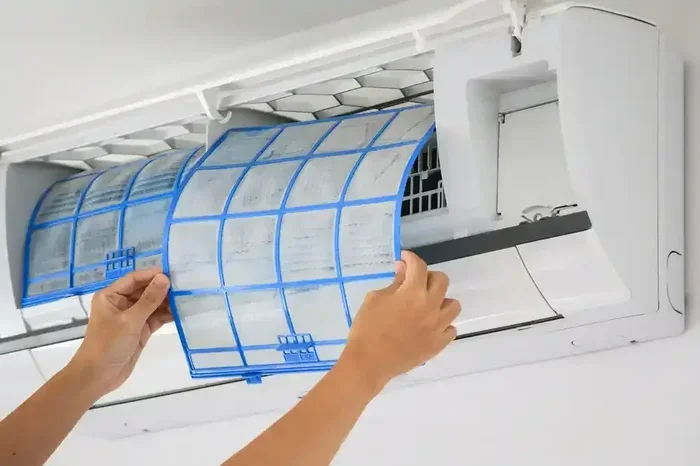
Can I Clean My AC Filter Instead of Replacing It Today
Yes, you can clean many AC filters instead of replacing them, but it depends on the filter type and condition. Washable filters are designed for repeated cleaning, while disposable filters should be swapped out regularly. This guide walks you through cleaning methods, tells you when replacement wins, and helps you save money on AC maintenance.
Your air conditioning system works hard to keep your home cool and comfortable. But did you know that one of the simplest things you can do to keep it running well is to take care of the AC filter? Many homeowners wonder whether they can clean their AC filter instead of replacing it. The short answer is yes, in many cases. But the full answer depends on the type of filter you have, how dirty it is, and what condition it is in.
Cleaning your AC filter instead of replacing it can save you money and reduce waste. However, cleaning the wrong type of filter can cause more harm than good. In this guide, we will walk you through everything you need to know about AC filter cleaning, when replacement is the better option, and how to keep your system running at peak performance all year long.
Whether you are a first-time homeowner or just looking for better AC maintenance tips, this article has you covered. We will break down the different filter types, show you how to clean them properly, and give you clear guidelines on when to clean versus when to replace. Let us get started.
Key Takeaways
- Washable AC filters can be cleaned and reused multiple times if you follow the proper cleaning method.
- Disposable filters should never be cleaned because they lose structural integrity when wet.
- Cleaning your AC filter improves airflow and boosts energy efficiency in your home.
- A clogged filter forces your AC unit to work harder, raising energy bills and risking damage.
- You should clean or replace your filter every 1 to 3 months depending on usage and filter type.
- Using the wrong cleaning method can ruin your filter, so always check the manufacturer guidelines first.
- When in doubt, replace the filter to protect your AC system and indoor air quality.
📑 Table of Contents
- Understanding Your AC Filter and Why It Matters
- Types of AC Filters: Washable vs Disposable
- How to Clean Your AC Filter Step by Step
- When Cleaning Is Enough and When You Must Replace
- Benefits of Cleaning vs Replacing Your AC Filter
- Common Mistakes People Make with AC Filter Maintenance
- How Often Should You Clean or Replace Your AC Filter
- Signs Your AC Filter Needs Immediate Attention
- Expert Tips for Long-Lasting AC Filter Performance
Understanding Your AC Filter and Why It Matters
Before you decide whether to clean or replace, it helps to understand what your AC filter actually does. The filter sits inside your air conditioning unit and catches dust, dirt, pet dander, pollen, and other airborne particles. Without a working filter, all those particles would circulate through your home and build up inside your AC system.
A clean filter allows air to flow freely through your system. A dirty filter blocks airflow and makes your AC work much harder. Over time, this extra strain can lead to higher energy bills, poor cooling performance, and even costly repairs. Keeping your filter clean is one of the easiest ways to protect your investment and maintain good indoor air quality.
How a Dirty Filter Affects Your System
When dust and debris build up on your filter, they create a thick barrier. Your AC unit has to push air through that barrier, which takes more energy. Here are some common signs that your filter is too dirty:
- Reduced airflow from your vents
- Warmer air coming out of the registers
- Higher electricity bills without a clear reason
- Ice buildup on the evaporator coils
- Excess dust collecting around your home
- Strange noises coming from the HVAC unit
If you notice any of these signs, it is time to check your filter. In many cases, a simple cleaning can restore normal airflow and bring down your energy costs. But sometimes, the filter is too far gone and needs to be replaced entirely.
Types of AC Filters: Washable vs Disposable
Not all AC filters are the same. The type of filter you have determines whether cleaning is a safe and effective option. Let us look at the two main categories.
Washable AC Filters
Washable filters are also called reusable filters or electrostatic filters. They are made from durable materials like plastic or fiber mesh that can handle water and gentle cleaning. These filters are designed to be removed, washed, dried, and put back into the system.
Washable filters typically have a higher initial cost but save money over time because you do not need to buy replacements every month. They are also better for the environment since you are not throwing them away regularly. Cleaning a washable AC filter is straightforward and can be done with just water and mild soap.
Some washable filters use an electrostatic charge to attract dust particles. These are very effective at trapping small particles and can last for many years with proper care. If you have a washable filter, cleaning is almost always the right choice.
Disposable AC Filters
Disposable filters are made from paper or fiberglass material. They are designed to be cheap and easy to swap out. These filters are not built to handle water or scrubbing. If you try to clean a disposable filter, it will fall apart, lose its shape, and stop working properly.
Most standard home AC systems use disposable filters. They are widely available at hardware stores and home improvement centers. You can find them in different sizes and ratings, known as MERV ratings, which measure how well the filter captures particles.
Disposable filters should always be replaced, never cleaned. Trying to wash a disposable filter will damage it and reduce its ability to trap dust. The good news is that replacement filters are very affordable, so this is not an expensive habit to maintain.
How to Clean Your AC Filter Step by Step
If you have a washable filter, cleaning it is simple. Follow these steps to get the best results and avoid damaging the filter.
Step 1: Turn Off the Power
Safety comes first. Before you remove the filter, turn off your air conditioning unit at the thermostat and at the circuit breaker. This prevents the fan from turning on while you are working, which could pull debris into the system or cause injury.
Step 2: Remove the Filter
Open the access panel on your indoor air handler or furnace. Slide the filter out carefully, paying attention to which direction the airflow arrow points. Note the arrow direction because you will need to reinstall the filter the same way.
Step 3: Vacuum Loose Debris
Before washing the filter, use a vacuum cleaner with a brush attachment to remove loose dust and debris. This prevents the dirt from turning into mud when you add water. Vacuum both sides of the filter gently.
Step 4: Wash the Filter
Rinse the filter with warm water from a garden hose. Do not use a high-pressure washer because it can damage the filter material. Use a mild dish soap if the filter is very dirty. Gently rub the surface with your hands to loosen stubborn grime. Rinse thoroughly until the water runs clear.
Step 5: Dry the Filter Completely
This step is critical. Let the filter air dry in a sunny spot for at least 24 hours. Make sure it is completely dry before reinstalling it. Putting a damp filter back into the AC unit can promote mold growth and create musty odors in your home.
Step 6: Reinstall the Filter
Once the filter is completely dry, slide it back into the unit in the correct direction. Make sure it fits snugly without any gaps. Close the access panel and turn the power back on. Your system should now run more efficiently with a clean filter.
Quick tip: If you live in a dusty area or have pets, you may want to clean your washable filter every two weeks during heavy use seasons. This keeps airflow strong and prevents buildup.
When Cleaning Is Enough and When You Must Replace
Knowing when to clean and when to replace is one of the most important parts of AC filter maintenance. Here are some clear guidelines to help you decide.
Clean your filter if:
- You have a washable or reusable filter type
- The filter is lightly to moderately dirty
- The filter material is still intact and flexible
- There is no mold or strong odor on the filter
- The filter has not been damaged by water or pests
Replace your filter if:
- You have a disposable filter
- The filter is heavily clogged and caked with debris
- The filter material is torn, bent, or falling apart
- You can see mold growth on the filter surface
- The filter has been in use for longer than the recommended lifespan
- Cleaning does not restore normal airflow
Sometimes a filter looks clean on the surface but is still restricting airflow deep within the pleats. If you clean the filter and still notice poor airflow, it is time to replace it. Trust your instincts and pay attention to how your system is performing after cleaning.
For homeowners who also deal with vehicle maintenance, it is worth noting that regular cleaning and replacement habits apply to many things around the house and car. If you are curious about other maintenance topics, check out Can You Wash Your Car Too Much for insights on over-cleaning and maintenance balance.
Benefits of Cleaning vs Replacing Your AC Filter
Both cleaning and replacing your AC filter have clear advantages. Let us compare them so you can make the best decision for your situation.
| Factor | Cleaning | Replacing |
|---|---|---|
| Cost over time | Lower (one-time purchase) | Higher (recurring cost) |
| Convenience | Requires washing and drying time | Quick swap and toss |
| Environmental impact | Less waste | More waste in landfills |
| Effectiveness | Good for washable filters | Always fresh and effective |
| Lifespan | Can last years with care | 1 to 3 months per filter |
| Risk of damage | Low if done correctly | None |
| Best for | Washable/reusable filters | Disposable filters |
As you can see from the comparison table, cleaning is the more economical and eco-friendly choice when you have a washable filter. But for disposable filters, replacement is the only safe option. Trying to clean a disposable filter wastes your time and gives you a filter that does not work.
Some homeowners like to keep a stock of replacement filters on hand. This way, you always have a fresh filter ready when cleaning is not enough. It is a smart strategy that keeps your AC system running smoothly without any surprises.
Common Mistakes People Make with AC Filter Maintenance
Even well-meaning homeowners can make mistakes when it comes to filter care. Here are the most common errors and how to avoid them.
Mistake 1: Waiting too long to clean or replace. Many people forget about their filter until they notice a problem. By then, the damage may already be done. Set a calendar reminder to check your filter every month during heavy use seasons.
Mistake 2: Using harsh chemicals to clean. Some people use strong cleaners or bleach on their washable filters. This can degrade the filter material and leave harmful residues. Stick to mild soap and warm water for safe cleaning.
Mistake 3: Not drying the filter completely. A damp filter invites mold and mildew into your AC system. Always let the filter dry fully before reinstalling it. You can speed up the process by placing it in direct sunlight.
Mistake 4: Installing the filter backwards. Every filter has an airflow direction arrow. Installing it the wrong way reduces its effectiveness and can strain your system. Always double-check the arrow before closing the panel.
Mistake 5: Ignoring the MERV rating. The MERV rating tells you how fine the filter captures particles. A higher MERV means better filtration but also more frequent cleaning or replacement. Choose a rating that balances filtration with airflow for your specific system.
Mistake 6: Using the wrong size filter. A filter that is too small will let unfiltered air bypass the filter entirely. Measure your filter slot carefully and match the size exactly. If you are unsure, check the old filter for its dimensions before purchasing a replacement.
For more cleaning product safety information, you might also find it helpful to read Can You Use Goof Off On Car Paint for guidance on which cleaners are safe for different surfaces.
How Often Should You Clean or Replace Your AC Filter
The frequency of cleaning or replacement depends on several factors. Your lifestyle, home environment, and filter type all play a role in how often you need to perform maintenance.
General guidelines for washable filters:
- Clean every 2 weeks during peak cooling season
- Clean every 1 to 2 months during mild weather
- Inspect the filter monthly for visible dirt buildup
- Replace the filter entirely if it shows signs of wear after 3 to 5 years
General guidelines for disposable filters:
- Replace every 30 to 90 days depending on usage
- Replace more often if you have pets or allergies
- Replace monthly during heavy summer use
- Check the filter every two weeks and replace if it looks dirty
Homes with pets, smokers, or residents with allergies should clean or replace filters more frequently. The same goes for homes in dusty or high-pollen areas. Staying on top of your filter schedule is one of the best investments you can make in your HVAC system.
If you are also looking for cleaning tips for other areas of your home, you may want to check out Can You Use Clorox Wipes On Car Interior for advice on safe cleaning products for various surfaces.
Signs Your AC Filter Needs Immediate Attention
Sometimes your system will tell you when the filter is a problem. Paying attention to these warning signs can prevent bigger issues down the road.
Unusual odors coming from the vents. A dirty filter can trap moisture and develop a musty smell. This odor gets pushed through your ductwork and into every room. If you notice a persistent musty smell, check the filter first.
Your energy bills have spiked unexpectedly. A clogged filter forces your AC to run longer cycles to cool your home. This extra runtime drives up electricity costs. If your bills rise without a corresponding increase in usage, a dirty filter may be the culprit.
The system short-cycles frequently. Short cycling means the AC turns on and off repeatedly without completing a full cooling cycle. This puts stress on the compressor and other components. A dirty filter is one of the most common causes of short cycling.
You see more dust than usual around your home. A filter that is past its prime cannot trap particles effectively. Dust escapes into your living spaces and settles on surfaces. If you are dusting more often than normal, it might be time to clean or replace the filter.
The air feels stagnant or weak. When airflow is restricted, the air coming from your vents feels weak and lukewarm. You may notice that some rooms cool faster than others. This uneven cooling is often a sign of a filter problem.
For more information on maintaining good airflow and system performance, you can also explore Can You Get A Free Diagnostic On Your Car for general diagnostic tips that apply to many systems.
Expert Tips for Long-Lasting AC Filter Performance
Want to get the most out of your AC filter? Here are some expert-backed tips that make a real difference.
- Keep a spare filter on hand. Whether you use washable or disposable filters, having a backup means you are never stuck with a dirty filter when you need to swap it out.
- Mark your calendar. Set a recurring reminder on your phone or write it on your wall calendar. Consistency is the key to good filter maintenance.
- Use a filter tracker. Some homeowners keep a simple log of when they clean or replace their filter. This helps you spot patterns and adjust your schedule as needed.
- Invest in a good vacuum. A vacuum with a HEPA filter and brush attachment makes cleaning washable filters much easier and more effective.
- Do not let the filter dry in direct sun for too long. While sunlight helps kill bacteria, prolonged UV exposure can degrade some filter materials. Let it dry in a shaded, well-ventilated area.
- Check your ductwork periodically. Even with a clean filter, leaks in your ductwork can reduce system efficiency. Have a professional inspect your ducts every few years.
Bottom line: Taking a few minutes each month to care for your AC filter pays off in lower energy bills, better air quality, and a longer-lasting system. Cleaning your AC filter instead of replacing it is a smart move when you have the right filter type and follow the proper steps.
Regular maintenance is the best way to avoid unexpected breakdowns and expensive repairs. A clean filter is a small investment that delivers big returns. Make it a habit, and your AC system will reward you with years of reliable, efficient performance.
Frequently Asked Questions
Can I wash a disposable AC filter with water?
No, you should never wash a disposable AC filter. Disposable filters are made from paper or fiberglass that falls apart when wet. Washing them destroys the filter material and makes it completely ineffective. Always replace disposable filters with a new one.
How long does a washable AC filter last?
A washable AC filter can last anywhere from 3 to 5 years with proper care. The key is to clean it regularly, let it dry completely before reinstalling, and inspect it for damage. If the filter starts to tear or lose its shape, it is time to replace it even if it is a washable type.
Can cleaning my AC filter lower my energy bills?
Yes, absolutely. A clean filter allows air to flow freely through your AC system, which reduces the workload on the compressor and fan motor. This means the system uses less electricity to cool your home. Many homeowners see a noticeable drop in their energy bills after cleaning or replacing a dirty filter.
What is the best way to dry a washable AC filter?
The best way is to let the filter air dry completely in a well-ventilated area out of direct sunlight. You can place it on a clean towel or hang it on a clothesline. Make sure no moisture remains before putting it back in the AC unit. Drying usually takes 24 hours or less depending on humidity levels.
How do I know if my AC filter is washable or disposable?
Check the filter material and the manufacturer label. Washable filters are made from plastic, metal mesh, or fiber that can handle water. Disposable filters are made from paper or fiberglass and will say “replace only” on the packaging. When in doubt, contact the manufacturer or check your HVAC system manual for guidance.
What happens if I never clean or replace my AC filter?
If you neglect your AC filter, dust and debris will build up to the point of completely blocking airflow. This causes the system to overheat, increases energy consumption, reduces cooling power, and can lead to costly repairs. In severe cases, a neglected filter can cause the AC unit to fail entirely, requiring expensive replacement of major components.
=== CONCLUSION ===
Can I clean my AC filter instead of replacing it today? Yes, you can, as long as you have a washable filter and follow the right cleaning process. Cleaning your filter saves money, reduces waste, and keeps your AC system running efficiently. Just remember that disposable filters must be replaced, not cleaned, and that regular maintenance is the foundation of a healthy, long-lasting system.
Make filter care a simple part of your home routine. Set reminders, keep spare filters on hand, and stay consistent. Your AC system will run better, your energy bills will stay lower, and your home air will feel fresher. Start today by checking your AC filter and giving it the care it deserves.