What Does It Mean When It Says Check Your AWD System
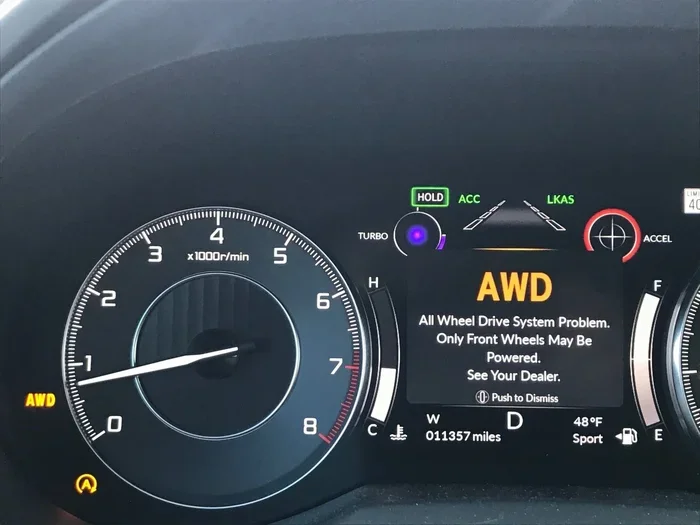
The check AWD system warning on your dashboard means your vehicle’s all-wheel drive system has detected a problem. This alert can be triggered by issues like low differential fluid, faulty wheel speed sensors, transfer case failures, or wiring problems. Ignoring the check AWD system message can lead to costly drivetrain damage and unsafe driving conditions, especially on wet or icy roads. In this guide, you will learn the common causes, warning signs, diagnostic steps, and prevention tips to keep your AWD system check running smoothly and your vehicle safe.
Key Takeaways
- It is a diagnostic alert: The check AWD system warning means your vehicle’s computer has detected a fault in the all-wheel drive system.
- Common causes include low fluid and bad sensors: Low differential fluid, faulty wheel speed sensors, and transfer case issues are the top triggers.
- Symptoms go beyond the light: Unusual noises, vibrations, reduced traction, and fluid leaks are signs your AWD system needs attention.
- Driving with the warning on is risky: While sometimes you can drive short distances, prolonged driving can cause serious drivetrain damage.
- Prevention is simple and affordable: Regular fluid changes, sensor cleaning, and early intervention can prevent most AWD problems.
- Repair costs vary widely: Simple fixes like sensor replacement cost under $300, while major repairs like a new transfer case can exceed $3,000.
📑 Table of Contents
What Does the Check AWD System Warning Actually Mean?
You are driving along and suddenly a warning pops up on your dashboard. It reads check AWD system. Your first thought might be panic. But take a breath. This warning does not always mean a disaster. It simply means your vehicle’s all-wheel drive system needs attention. Understanding what this message really means can save you time, money, and a lot of stress.
The check AWD system alert is part of your vehicle’s onboard diagnostics. It tells you that the computer has detected something wrong with your all-wheel drive setup. Modern vehicles use complex electronics to manage power delivery to all four wheels. When something goes wrong in that system, your car lets you know through a warning light or a message on the dashboard display.
Not every AWD system check warning is the same level of urgency. Some issues are minor. Others need immediate attention. The key is knowing what to look for and how to respond. This guide will walk you through everything you need to know about the check AWD system warning. You will learn what causes it, how to spot symptoms, and what steps to take next.
Your vehicle’s all-wheel drive system is designed to send power to all four wheels for better grip and stability. It works alongside the ABS system, traction control, and the vehicle stability control module. When one part of this network fails, the entire system can be affected. That is why the check AWD system message appears. It is your car’s way of saying, “Hey, something here needs a closer look.”
Common Causes of the AWD System Warning Light
Several things can trigger the check AWD system message. Some are simple fixes. Others require professional help. Here are the most common reasons this warning appears on your dashboard.
Low Differential Fluid
Your vehicle has differentials in both the front and rear. These components need fluid to work properly. When the differential fluid level drops too low, the system cannot function correctly. This often triggers the AWD system check warning. Low fluid usually means a leak somewhere in the system. You should get this checked right away. Ignoring a leak can lead to overheating and permanent damage to the differentials.
Faulty Wheel Speed Sensors
Your AWD system relies on wheel speed sensors to monitor how fast each wheel is spinning. These sensors send data to the electronic control module. If one sensor fails or gets dirty, the system cannot distribute torque distribution properly. A faulty sensor is one of the most common reasons for a check AWD system alert. These sensors are exposed to road conditions and can get clogged with mud or debris. A simple cleaning or replacement often solves the problem.
Transfer Case Problems
The transfer case is the heart of your all-wheel drive system. It sends power to both the front and rear axles. When the transfer case develops issues, the warning light almost always comes on. Common transfer case problems include worn gears, electrical faults, or low fluid levels. These issues can lead to serious drivetrain damage if ignored. The transfer case fluid should be changed regularly as part of routine drivetrain maintenance.
Worn Front or Rear Differential
Over time, the front differential and rear differential wear out. The gears inside can become damaged from normal use or lack of maintenance. When differentials wear down, they produce excess metal shavings. These shavings contaminate the fluid and can trigger the AWD malfunction warning. Replacing a worn differential is one of the more expensive AWD repair cost items, which is why early detection matters so much.
ABS or Traction Control Issues
Your AWD system works closely with the ABS system and traction control. If either of these systems has a problem, it can cause the check AWD system light to activate. The vehicle stability control module shares sensors and data with the AWD system. So a fault in one area can ripple through to the other. For example, a bad ABS sensor can cause the AWD warning even if the all-wheel drive components themselves are fine.
Electrical or Wiring Problems
Modern AWD systems depend on wiring and electrical connections. Corroded connectors, damaged wires, or a weak ground can all cause the warning to appear. These all-wheel drive problems can be tricky to diagnose because the issue may be intermittent. A loose connector under the vehicle might only cause problems when you hit a bump or drive through water. Electrical issues often require a skilled technician to trace and repair properly.
Comparison Table: Common AWD System Causes
| Cause | Severity | Typical Repair Cost | DIY Fixable? |
|---|---|---|---|
| Low Differential Fluid | Moderate | $100 – $250 | Yes, if no leak |
| Faulty Wheel Speed Sensor | Low to Moderate | $100 – $300 | Yes, with basic tools |
| Transfer Case Failure | High | $1,500 – $3,500 | No |
| Worn Differential | High | $1,000 – $3,000+ | No |
| ABS/Traction Control Fault | Moderate | $150 – $400 | Sometimes |
| Electrical/Wiring Issue | Variable | $100 – $500 | Rarely |
Symptoms You Should Never Ignore
The check AWD system warning rarely comes alone. Your vehicle usually gives you other signs before or after the light appears. Knowing these symptoms helps you catch problems early and avoid expensive repairs.
Unusual Noises From the Drivetrain
Grinding, whining, or clicking sounds are never good signs. These noises often come from worn differentials or a failing transfer case. If you hear any unusual sounds while driving, especially during turns, get your vehicle inspected immediately. A grinding noise when turning is a classic sign of a worn front differential or rear differential. The earlier you catch it, the lower the AWD repair cost will be.
Vibrations or Shaking
Do you feel vibrations through the steering wheel or the floor of your car? This could indicate that drivetrain maintenance is overdue. Vibrations often mean components are wearing unevenly. Ignoring this can lead to expensive repairs later. A shaking sensation that gets worse at higher speeds is a red flag. Have a mechanic check your transfer case and differentials as soon as possible.
Reduced Traction on Slippery Surfaces
If your vehicle feels like it is slipping more than usual on wet roads or snow, your AWD system may not be working correctly. A properly functioning all-wheel drive system should provide smooth torque distribution to all four wheels. When it fails, you lose the safety benefits of AWD. You might notice the car fishtailing or the front wheels spinning on wet pavement. This is a serious symptom that demands immediate attention.
Fluid Leaks Under the Vehicle
Spotting a puddle of fluid under your car is always a concern. Differential fluid is usually thick and ranges from clear to brownish. Transfer case fluid has a similar appearance. If you see leaks near the axles or under the transfer case, your AWD system may be low on fluid. This directly causes the check AWD system warning in many cases. Do not let a small leak turn into a catastrophic failure.
Rough Handling or Pulling to One Side
Does your car pull to one side or handle differently than before? This can happen when the AWD system is not distributing power evenly. It affects how your vehicle grips the road. This symptom should never be ignored because it impacts your safety on the road. Uneven power delivery can also wear your tires faster, adding to your maintenance costs.
How Mechanics Diagnose AWD System Problems
When you bring your vehicle in for a check AWD system diagnosis, the technician follows a systematic process. Understanding this process helps you know what to expect and why certain steps are taken.
Scanning for Diagnostic Trouble Codes
The first step is connecting a diagnostic scanner to your vehicle’s electronic control module. This tool reads drivetrain fault codes stored in the computer. Each code points to a specific component or system that has failed. These codes give the mechanic a clear starting point for the investigation. For example, a code related to the wheel speed sensor on the left rear wheel tells the tech exactly where to look.
Inspecting Fluid Levels and Condition
Next, the technician checks the differential fluid and transfer case fluid. They look at the color, smell, and consistency. Dark, burnt-smelling fluid tells a story of neglect or overheating. Metal particles in the fluid indicate internal wear. This inspection is a crucial part of drivetrain maintenance. Fresh, clean fluid means the system has been well cared for. Contaminated fluid points to a deeper problem that needs addressing.
Testing Wheel Speed Sensors
The mechanic will test each wheel speed sensor to make sure it is sending accurate data. They also check the wiring and connectors for damage. A sensor might test fine when cold but fail when warm. This is why a thorough inspection matters. A quick visual check is never enough. The tech needs to test the sensor’s output with the scanner to see real-time data.
Checking the Transfer Case and Differentials
For more serious issues, the technician may need to inspect the transfer case and differentials physically. This involves lifting the vehicle and examining the components for wear, leaks, or damage. In some cases, the transfer case needs to be removed for a full inspection. This is more labor-intensive but necessary when the check AWD system warning points to internal mechanical failure. A borescope inspection can sometimes avoid full disassembly, saving time and money.
Can You Still Drive With the AWD Warning Light On?
This is one of the most common questions people ask. The short answer is: it depends on what is causing the warning.
In some cases, you can drive a short distance to a safe location or a nearby repair shop. If the warning appeared suddenly and your vehicle still drives normally, the issue might be minor. Perhaps a sensor temporarily malfunctioned due to moisture or dirt. Maybe a connector worked loose after hitting a pothole. In these situations, you can usually drive carefully to a service center.
However, you should never ignore the check AWD system warning for long periods. Driving with a failed AWD system can cause further damage to your drivetrain. It can also compromise your safety, especially in wet or icy conditions where you need all four wheels working together. Your four-wheel drive capability depends on a healthy AWD system, and losing that grip can be dangerous.
If you notice any of these signs, stop driving and call for help:
- Complete loss of power to one or more wheels
- Loud grinding or clunking noises from underneath the car
- The vehicle pulling hard to one side
- Complete loss of traction on dry pavement
- The check engine light also comes on alongside the AWD warning
- Fluid pouring from under the vehicle
These symptoms suggest a serious AWD malfunction that could lead to a breakdown or accident. When in doubt, get your vehicle towed to a trusted mechanic. It is always better to be safe than sorry. Towing a short distance costs far less than replacing a destroyed transfer case.
Prevention Tips and Understanding AWD Repair Costs
The best way to avoid the check AWD system warning is through regular maintenance. Prevention is always cheaper and easier than repair. Here are simple steps you can take to keep your all-wheel drive system healthy.
Follow the Manufacturer’s Maintenance Schedule
Every vehicle comes with a recommended maintenance schedule. This includes fluid changes for the differential and transfer case. Following this schedule is the single most effective way to prevent all-wheel drive problems. Do not skip these services, even if your vehicle seems fine. The manufacturer designed these intervals based on extensive testing. Sticking to the schedule keeps your drivetrain in top shape and can extend the life of your AWD system by tens of thousands of miles.
Check Fluid Levels Regularly
Make it a habit to check your differential fluid and transfer case fluid during routine maintenance. Low fluid is one of the easiest problems to prevent. Top off fluids as needed and watch for leaks. If you notice fluid levels dropping quickly, investigate the cause immediately. A quart of fluid costs very little. A new differential costs thousands. The choice is clear.
Keep Sensors Clean
Wheel speed sensors are exposed to road conditions. Mud, ice, and debris can accumulate on them and cause false readings. A quick wipe-down during car washes can help keep these sensors working properly. This simple habit can prevent many unnecessary check AWD system warnings. Pay extra attention to the sensors after driving through muddy or snowy conditions. A few seconds of cleaning can save you a trip to the mechanic.
Address Warning Signs Early
Do not wait for the warning light to get worse. If you notice unusual noises, vibrations, or changes in handling, have your vehicle inspected right away. Catching a small issue early can prevent a major AWD repair cost later. Early intervention is the key to long drivetrain health. A $150 sensor replacement today can prevent a $3,000 transfer case replacement next month. Do not put off inspections when you notice something feels off.
Drive Responsibly
Harsh driving habits put extra stress on your AWD components. Avoid sudden acceleration, hard cornering, and overloading your vehicle. Gentle driving extends the life of your differentials, transfer case, and all related systems. Your vehicle stability and safety depend on well-maintained components. Think of your AWD system as an investment that pays off in safety and performance every time you drive.
Understanding the AWD Repair Cost Spectrum
When the check AWD system warning appears, one of the first questions is: how much will this cost to fix? The answer varies widely depending on the root cause.
Simple fixes like replacing a wheel speed sensor might cost between $100 and $300. Changing differential fluid typically runs $150 to $250. These are relatively affordable repairs that keep your system healthy and your four-wheel drive capability intact.
More complex repairs carry higher price tags. Replacing a transfer case can range from $1,500 to $3,500 including parts and labor. A new front differential or rear differential can cost even more depending on the vehicle. The total AWD repair cost depends on your vehicle make and model, the extent of the damage, and local labor rates. Luxury and performance vehicles with AWD systems tend to have higher repair costs across the board.
The takeaway is clear: regular maintenance is far cheaper than major repairs. A few hundred dollars in preventive care can save you thousands down the road. Do not let the check AWD system warning slide, because small problems become big expenses fast.
Conclusion
The check AWD system warning is your vehicle’s way of telling you something needs attention. It can be caused by anything from low fluid to a failing transfer case. The most important thing you can do is take it seriously. Do not ignore the warning or hope it goes away on its own. Your all-wheel drive system is a complex network of components that work together to keep you safe and in control.
Use the information in this guide to understand what might be causing the alert. Watch for the symptoms we discussed, from unusual noises to fluid leaks. Follow the prevention tips to keep your AWD system in top shape. And when you are unsure, consult a qualified mechanic who can properly diagnose the issue with the right tools and expertise.
Your AWD system is a valuable part of your vehicle. Taking care of it means better performance, improved safety, and a longer lifespan for your entire drivetrain. The next time you see that check AWD system message on your dashboard, you will know exactly what to do. Act quickly, drive safely, and keep your all-wheel drive system running strong for miles to come.
Frequently Asked Questions
What does the check AWD system warning mean?
The check AWD system warning means your vehicle’s onboard computer has detected a problem with the all-wheel drive system. It could be something simple like low fluid or a faulty sensor, or something more serious like a failing transfer case. The warning is your vehicle’s way of alerting you that the AWD components need inspection.
Can I still drive my car if the AWD warning light is on?
In some cases, you can drive a short distance carefully. However, if the check AWD system warning is accompanied by strange noises, vibrations, or loss of traction, you should stop driving and get the vehicle towed. Continuing to drive with a serious AWD failure can cause further damage to your drivetrain and create unsafe driving conditions.
How much does it cost to fix the check AWD system warning?
The AWD repair cost varies widely depending on the cause. Simple fixes like replacing a wheel speed sensor cost $100 to $300. Fluid changes run $150 to $250. More serious repairs like a new transfer case or differential can cost $1,500 to $3,500 or more. Regular maintenance is the best way to keep costs low.
What causes the AWD system to malfunction?
Common causes include low differential fluid, faulty wheel speed sensors, transfer case wear, wiring problems, and ABS or traction control faults. Age and lack of maintenance also contribute to all-wheel drive problems. Environmental factors like moisture and road debris can affect sensors and connectors over time.
How often should I service my AWD system?
Follow your vehicle manufacturer’s recommended maintenance schedule, which typically includes differential fluid and transfer case fluid changes every 30,000 to 60,000 miles. Regular inspections of wheel speed sensors and wiring should also be part of routine drivetrain maintenance. Staying on top of service prevents most check AWD system warnings.
Is the check AWD system warning the same as the check engine light?
No, they are different warnings. The check engine light relates to the engine or emissions system, while the check AWD system warning specifically points to a problem with the all-wheel drive or drivetrain components. However, both warnings use the same electronic control module to detect faults, and sometimes an AWD issue can trigger the check engine light as well.