What Car Brand Depreciates the Most Quickly in Value
Certain car brands lose value faster than others, and understanding car depreciation can save you thousands of dollars. Some brands see their vehicles drop 50% or more in value within just three years. This guide reveals which brands suffer the steepest vehicle value loss and gives you practical tips to make smarter car buying decisions.
You just bought a shiny new car. You love the smell, the sound, and the feel of that brand-new leather seat. But here is the uncomfortable truth. The moment you drive it off the lot, your car starts losing value. Some brands lose value at an alarming rate, and understanding this can save you a lot of money.
So, what car brand depreciates the most? The answer might surprise you. Luxury brands, electric vehicles, and certain mainstream labels all appear on the list. In this article, we will break down the fastest depreciating cars, explain why it happens, and show you how to protect your wallet. Whether you are buying new or used, this guide has you covered.
Key Takeaways
- Luxury brands often depreciate the fastest: Brands like BMW, Mercedes-Benz, and Jaguar can lose 50%+ of their value in three years.
- Electric vehicles face unique depreciation challenges: Rapid tech changes and battery concerns drive down EV resale value faster than expected.
- Brand reputation matters: Brands known for reliability, like Toyota and Honda, retain value significantly better.
- Depreciation is the biggest hidden cost of car ownership: It often exceeds maintenance and fuel costs combined.
- Buying used is one of the best ways to avoid steep car value drop: The first owner absorbs the biggest hit.
- Your buying habits affect depreciation: Color, trim level, and mileage all influence how well a car holds its car resale value.
📑 Table of Contents
Which Car Brand Depreciates the Most?
When we talk about car depreciation, we mean the difference between what you pay for a car and what it is worth a few years later. Some brands lose value so fast that they become money pits. Others hold their worth like gold.
The brands that depreciate the most share some common traits. They often carry high sticker prices, expensive maintenance costs, or a reputation for reliability issues. Let us look at the top offenders in the depreciation rate by brand world.
Luxury Brands Lead the Pack
Luxury car brands tend to depreciate faster than mainstream ones. Brands like BMW, Mercedes-Benz, Audi, and Jaguar consistently rank among the worst cars for resale value. A brand-new luxury sedan can lose 40% to 50% of its value within the first three years.
Why does this happen? Several reasons come into play:
- High initial cost: Luxury cars cost more upfront, so the dollar amount lost is larger.
- Expensive repairs: Maintenance costs scare off used car buyers.
- Rapid model updates: New models make older ones feel outdated quickly.
- Luxury car depreciation: The prestige factor fades fast in the used car market.
For example, a new BMW 5 Series might cost $60,000 and be worth only $35,000 after three years. That is a loss of $25,000 in value. Compare that to a Toyota Camry, which might lose $10,000 over the same period. The difference is staggering.
Electric Vehicles Face Unique Challenges
Electric vehicles, or EVs, are a fascinating case in the world of car depreciation. On one hand, they are exciting and eco-friendly. On the other hand, many EVs suffer from steep vehicle value loss in the used market.
Brands like Tesla, while still strong, have seen their depreciation rates climb as more competitors enter the market. The EV resale value depends heavily on battery health, range, and how quickly technology evolves. A car that was cutting-edge three years ago might feel outdated today.
Factors that hurt EV car value retention include:
- Battery degradation concerns: Buyers worry about replacement costs.
- Fast-improving technology: Newer models offer better range and features.
- Government incentives changing: Tax credits can shift the used market dynamics.
- Charging infrastructure still developing: This affects long-term appeal.
Understanding Car Depreciation
Before we dive deeper, let us understand what car depreciation really means. Simply put, it is the decline in your vehicle’s worth over time. Almost every car loses value, but some lose it much faster than others.
How Depreciation Works
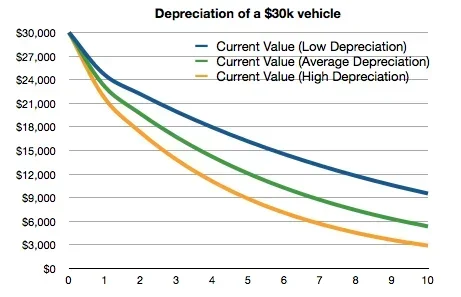
Most cars lose about 20% to 30% of their value in the first year. By year three, that number often reaches 40% to 50%. By year five, many cars have lost half or more of their original price. This is called the car value drop, and it affects every owner.
The car depreciation graph usually looks like a steep curve in the first few years, then flattens out. The biggest hit happens right after purchase. This is why buying a one- or two-year-old used car can be such a smart move.
What Affects Depreciation Rates?
Many factors influence how fast a car loses value. Here are the most important ones:
- Brand reputation: Brands known for reliability hold value better.
- Vehicle condition: Accidents, wear, and tear hurt resale value.
- Mileage: Higher mileage means lower value.
- Market demand: Popular models hold their worth longer.
- Fuel prices: When gas is expensive, fuel-efficient cars hold value better.
- New model releases: Fresh designs make older models less desirable.
Understanding these factors helps you make smarter choices. You can pick a car that fits your needs and keeps more of its value over time.
Top Car Brands with the Worst Depreciation
Let us get specific. Which brands should you avoid if you care about car resale value? Here are some of the biggest offenders in the depreciation rate by brand category.
BMW
BMW is a classic example of luxury car depreciation. These cars look amazing and drive beautifully, but they lose value fast. A new BMW X5 might cost $65,000 and drop to $38,000 within three years. The brand’s reputation for expensive repairs also hurts its used market appeal.
Mercedes-Benz
Mercedes-Benz suffers from similar issues. The brand carries a premium price tag, and maintenance costs are high. Many owners find that their vehicle value loss is steeper than expected. The S-Class and GLE models are particularly hard hit in the used car market.
Jaguar
Jaguar is often cited as one of the fastest depreciating cars on the market. The brand struggles with reliability concerns and high repair costs. A new Jaguar F-Type can lose over 50% of its value in just a few years.
Volvo
Volvo might surprise you. While the brand is known for safety, its cars depreciate faster than many competitors. The XC90 and XC60 models see significant car value drop in the first three years.
Maserati
Maserati is a niche luxury brand with a small following. This means fewer buyers in the used car market, which drives prices down. Maserati vehicles can lose up to 60% of their value within five years.
Why Some Brands Lose Value Faster
Not all car brands are created equal when it comes to holding value. Some brands seem to give away thousands of dollars in vehicle value loss the moment you buy. Let us explore why this happens.
Overproduction and Market Saturation
When a brand produces too many cars, the supply exceeds demand. This drives down prices in the used market. Brands that flood the market with new models often see their car depreciation rates spike. Buyers have too many options, so older models become less attractive.
High Maintenance and Repair Costs
Expensive repairs are a major factor in car value retention. If a brand is known for costly maintenance, buyers in the used car market will shy away. They do not want to inherit a money pit. This is especially true for luxury brands where parts and labor cost a premium.
Rapid Model Cycle Changes
Some brands release new models every year or two. When a newer model arrives with better features, the older model feels outdated. This rapid cycle accelerates car value drop and hurts the best depreciation rate for older vehicles.
Brand Perception and Prestige Fading
Luxury brands rely heavily on prestige. When that prestige fades, so does the value. A car that once symbolized status might not hold the same appeal a few years later. This is a key reason why luxury car depreciation outpaces mainstream brands.
How to Minimize Car Depreciation
The good news is that you can take steps to slow down car depreciation. While you cannot stop it entirely, smart choices can save you thousands of dollars over time.
Buy Used Instead of New
The single best way to avoid steep car depreciation is to buy used. The first owner absorbs the biggest hit in value. By purchasing a one- or two-year-old car, you let someone else take that financial punch. You still get a relatively modern vehicle with most of its life ahead.
Choose Reliable Brands
Brands like Toyota, Honda, and Mazda consistently rank at the top for car resale value. These brands build cars that last, which keeps demand high in the used car market. A reliable car also costs less to maintain, which adds to its long-term value.
Keep Your Car in Great Condition
Regular maintenance goes a long way in preserving vehicle value loss prevention. Wash it, wax it, and keep up with oil changes and scheduled services. A well-maintained car always fetches a higher price when it is time to sell.
Avoid Unnecessary Modifications
Custom wheels, loud exhausts, and wild paint jobs might look cool, but they hurt resale value. Most buyers prefer stock, factory-condition vehicles. Stick with OEM parts and keep your car as close to stock as possible.
Use a Car Depreciation Calculator
Before you buy, run the numbers through a car depreciation calculator. These tools estimate how much your car will be worth in future years. They help you understand the total cost of ownership beyond just the purchase price.
Consider Popular Colors and Trims
Neutral colors like white, black, and silver sell faster in the used car market. Popular trim levels also hold value better than rare or niche configurations. When choosing your car, think about what the next buyer will want.
Electric Vehicles and the Depreciation Debate
The rise of electric vehicles has added a new dimension to the car depreciation conversation. EVs are changing the automotive landscape, but their depreciation rate by brand tells an interesting story.
Early EVs from Tesla held their value relatively well. However, as more brands enter the EV space, the used market is becoming more competitive. New models with better range and technology are constantly entering the market, which puts pressure on older models.
That said, some EVs are proving to be better at car value retention than others. The Tesla Model 3 and Model Y have shown more resilience than many expected. Meanwhile, some newer EV startups struggle with brand recognition and long-term reliability data.
If you are considering an EV, keep these tips in mind:
- Buy slightly used: Let the first owner absorb the initial car value drop.
- Check battery health: Battery condition is the single biggest factor in EV resale value.
- Watch the tech: Choose models with updated software and features that stay relevant.
- Consider charging access: Home charging capability adds long-term appeal.
Key Takeaways
- Luxury brands depreciate fastest: BMW, Mercedes-Benz, Jaguar, and Maserati lose value at the highest rates due to high costs, expensive repairs, and fading prestige.
- Electric vehicles face unique challenges: Rapid tech changes, battery concerns, and growing competition drive down EV resale value faster than many expect.
- Reliable brands hold value best: Toyota, Honda, and Mazda consistently rank at the top for car resale value and vehicle value retention.
- Depreciation is the biggest hidden cost: It often exceeds maintenance and fuel costs combined over the life of a vehicle.
- Buying used is the best strategy: Letting the first owner absorb the initial car value drop saves you thousands.
- Your choices matter: Color, trim, maintenance history, and brand reputation all influence how well your car holds its value.
Conclusion
The answer to “what car brand depreciates the most” is not a simple one. Luxury brands like BMW, Mercedes-Benz, and Jaguar top the list of fastest depreciating cars. Electric vehicles face their own unique challenges in the used car market. But the bigger picture is clear: understanding car depreciation empowers you to make better financial decisions.
Whether you are buying new or used, the key is to choose wisely. Pick a brand known for reliability, keep your car well-maintained, and consider buying slightly used to maximize your car resale value. The best depreciation rate belongs to the smart buyer who does their homework before signing on the dotted line.
Remember, a car is not just a purchase. It is a financial commitment that affects your budget for years to come. By understanding which brands lose value fastest and how to protect your investment, you can save thousands of dollars and drive away with confidence.
So the next time you are shopping for a car, think beyond the sticker price. Think about the long-term total cost of ownership. Think about car value retention. And most importantly, think about which car brand depreciates the most and how you can avoid that costly trap.
Frequently Asked Questions
What car brand depreciates the fastest?
Luxury brands like BMW, Mercedes-Benz, Jaguar, and Maserati tend to depreciate the fastest. These brands carry high sticker prices and expensive maintenance costs, which drive down their car resale value quickly in the used car market.
How much does a new car depreciate in the first year?
Most new cars lose about 20% to 30% of their value in the first year alone. This initial car value drop is the steepest part of the car depreciation graph, which is why buying a one-year-old used car can save you thousands.
Do electric vehicles depreciate faster than gas cars?
Many EVs do depreciate faster than their gas-powered counterparts, especially in the first few years. Rapid technology changes, battery health concerns, and growing competition all contribute to lower EV resale value compared to traditional vehicles.
Which car brands hold their value the best?
Toyota, Honda, and Mazda consistently rank as the best brands for car value retention. These brands are known for reliability and low maintenance costs, which keeps demand high in the used car market.
Can you slow down car depreciation?
Yes, you can slow down car depreciation by keeping your car well-maintained, avoiding unnecessary modifications, choosing popular colors and trims, and using a car depreciation calculator to understand how your specific model holds value over time.
Is buying used the best way to avoid depreciation?
Buying used is one of the most effective ways to avoid the steepest vehicle value loss. The first owner absorbs the biggest hit in the first few years, so you get a car that has already experienced its steepest car value drop at a much lower price.