How Many MPG Does a Ford F-150 Get – Real World Numbers
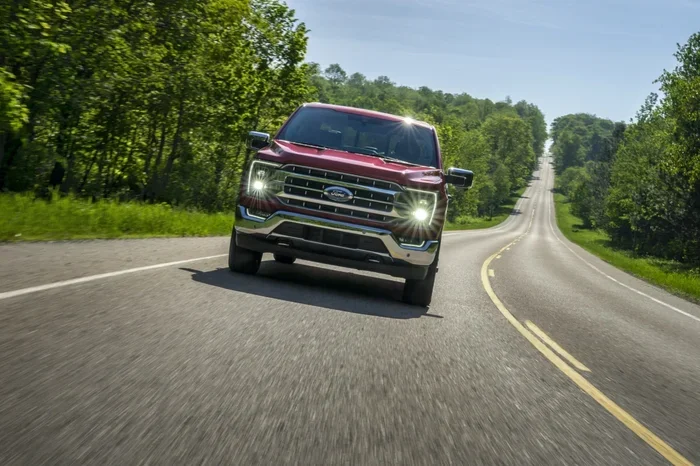
Curious about how many MPG a Ford F-150 gets? The Ford F-150 MPG varies by engine, drivetrain, and driving style, but real-world numbers tell the true story. In this guide, I break down EPA ratings vs actual fuel economy so you know exactly what to expect.
Ford F-150 MPG: EPA Ratings vs Real-World Numbers
The official EPA rating gives you a baseline, but it never tells the full story. Real-world Ford F-150 MPG depends on your engine choice, driving habits, and what you haul. In this guide, I break down the gap between sticker numbers and what owners actually see on the road.
What the EPA Says
The EPA tests every new F-150 under controlled conditions. They measure city, highway, and combined fuel economy. For the 2024 model year, the base 3.3-liter V6 earns around 20 mpg city and 26 mpg highway. The 2.7-liter EcoBoost V6 delivers roughly 22 mpg city and 30 mpg highway. The 5.0-liter V8 trails with about 16 mpg city and 22 mpg highway. The 3.5-liter EcoBoost V6 gets close to the 2.7, and the 3.0-liter diesel Power Stroke leads with 23 mpg city and 29 mpg highway. These numbers look good on paper, but they are just the starting point.
Why Real-World MPG Differs
Your daily driving tells a different story. Stop-and-go traffic, short trips, and aggressive acceleration all lower your MPG. Highway cruising at steady speeds usually yields the best numbers. Temperature matters too. Cold weather can drop fuel economy by 10-20%. The EPA rating is a useful benchmark, but it is not a guarantee. Your actual Ford F-150 MPG will be shaped by where and how you drive.
The Importance of Driving Conditions
Where you drive changes everything. A daily commute in heavy city traffic will never match the EPA highway number. Road elevation, wind, and even road surface play a role. If you live in a mountainous area, expect lower MPG. These real-world factors explain why many owners report numbers 2-4 mpg below the EPA estimate.
Engine Options and Their Impact on Ford F-150 MPG
The F-150 offers five distinct engine choices. Each one delivers a different balance of power and fuel economy. Your choice here has the biggest impact on your Ford F-150 MPG.
The 3.3-Liter V6 Base Engine
This is the most affordable and simple option. It produces 290 horsepower and 265 lb-ft of torque. Real-world owners report around 17-19 mpg in mixed driving. It is a solid workhorse, but it is not a fuel sipper. If you need a dependable daily driver, this engine gets the job done without breaking the bank.
The 2.7-Liter EcoBoost V6
The EcoBoost twins are popular for a reason. They offer strong towing and decent fuel economy. Many owners see 20-24 mpg on the highway. The twin-turbo design gives you torque when you need it. This engine is a sweet spot for those who want power without sacrificing too much fuel economy.
The 5.0-Liter V8
The traditional V8 brings brute force. It makes 400 horsepower and 410 lb-ft of torque. But that power comes at a cost. Real-world MPG often falls in the 14-17 mpg range. If you tow frequently or need maximum hauling ability, the V8 delivers. Just do not expect stellar fuel economy.
The 3.5-Liter EcoBoost V6
This is the top-tier gasoline engine. It produces 400 horsepower and 500 lb-ft of torque. The fuel economy is similar to the 2.7 EcoBoost. Highway drivers often see 21-25 mpg. The 3.5 EcoBoost is ideal for heavy towing while still offering respectable MPG.
The 3.0-Liter Power Stroke Diesel
The diesel option stands out for efficiency. The Power Stroke engine is renowned for its diesel engine longevity and can easily surpass 200,000 miles with proper care. Real-world MPG often hits 24-28 mpg on the highway. Diesel fuel also has higher energy density, which helps. If you drive long distances and tow, this engine is hard to beat.
Comparison Table: Engine Options and EPA MPG
I created a quick comparison table to make the differences clear.
| Engine | City MPG (EPA) | Highway MPG (EPA) | Combined MPG (EPA) | Real-World Highway |
|---|---|---|---|---|
| 3.3L V6 | 20 | 26 | 22 | 22-24 |
| 2.7L EcoBoost V6 | 22 | 30 | 25 | 27-30 |
| 5.0L V8 | 16 | 22 | 18 | 19-21 |
| 3.5L EcoBoost V6 | 20 | 28 | 23 | 25-28 |
| 3.0L Power Stroke Diesel | 23 | 29 | 25 | 27-30 |
Note: Real-world numbers vary based on driving style and conditions.
City MPG vs Highway MPG: What to Expect
City driving and highway driving produce very different MPG results. Understanding why helps you set realistic expectations.
City Driving and Stop-and-Go Traffic
In city traffic, you accelerate and brake constantly. Each stop wastes kinetic energy. The engine idles at intersections. All of this drains fuel. City MPG for the F-150 typically runs 3-5 mpg lower than highway MPG. Short trips are especially costly because the engine never reaches optimal operating temperature.
Highway Cruising and Aerodynamics
At steady highway speeds, the engine works at a consistent load. Aerodynamic drag becomes the main enemy. The F-150 is a large, boxy truck. Its shape creates significant drag. That is why highway MPG is always higher than city MPG. Keeping your speed steady and using cruise control on flat roads helps maximize Ford F-150 MPG.
Combined MPG Explained
The combined MPG is a weighted average of city and highway. It assumes 55% city and 45% highway driving. For most F-150 owners, the combined number is a good daily average. The 2.7 EcoBoost and 3.0 diesel both earn a combined 25 mpg EPA rating. That is excellent for a full-size truck.
How Cab and Bed Size Affect Aerodynamics
The F-150 comes in regular cab, super cab, and crew cab styles. Longer beds add length and weight. A regular cab with a short bed will always slip through the air easier than a crew cab with an 8-foot bed. If fuel economy is a top priority, a smaller cab and bed configuration can help. That said, most families need the extra space, so the MPG trade-off is often worth it.
How Towing and Payload Affect Fuel Economy
Towing and payload are the biggest MPG killers. The heavier the load, the harder the engine works.
The Weight Factor
Every extra pound reduces your MPG. When you tow heavy, your fuel economy drops significantly. Check out what it really means to haul that kind of weight at towing capacity. The F-150 can tow up to 13,500 pounds depending on the configuration. That is a massive load that will test your fuel budget.
Real-World Towing MPG Losses
Towing a trailer can cut your MPG in half. A truck rated at 25 mpg combined might drop to 12-14 mpg while towing. The engine runs hotter, the transmission shifts more often, and aerodynamic drag increases. If you tow regularly, factor this into your fuel budget. Planning your route to avoid hills can also help preserve fuel.
Payload and Bed Load Considerations
Payload is the weight you carry in the truck itself. Bed load, tools, and passengers all add up. A fully loaded bed with lumber or steel can weigh hundreds of pounds. Even without a trailer, a heavy payload reduces MPG by 1-3 mpg. Keep your bed clear of unnecessary weight to save fuel. Every pound counts over thousands of miles.
Driving Habits That Improve Ford F-150 MPG
Your driving style matters more than you think. Small changes can add up to meaningful MPG gains.
Smooth Acceleration and Braking
Jackrabbit starts waste fuel. Accelerate gently and allow the truck to roll. Anticipate stops to avoid hard braking. Both habits keep the engine in its efficient operating range. This alone can improve your real-world MPG by 1-2 mpg.
Maintaining Steady Speeds
Cruise control is your friend on long highway drives. It prevents speed fluctuations that burn extra fuel. On hilly terrain, you may need to adjust manually. But on flat roads, steady speed is key. The F-150’s cruise control is smart and will adjust throttle to hold your set speed.
Tire Pressure and Maintenance
Underinflated tires create rolling resistance. Check your tire pressure at least once a month. Keep tires aligned and rotate them on schedule. Clean air filters and fresh spark plugs also help the engine run efficiently. A well-maintained truck simply returns better fuel economy.
Reducing Idling Time
Idling burns fuel without moving. If you wait more than 60 seconds, turn off the engine. Modern F-150s have auto start-stop systems that do this automatically. Use them. In cold weather, limit warm-up idling to 30 seconds before driving gently.
Expert Insight
According to fleet managers, the biggest MPG gains come from driver training. Teaching drivers to anticipate traffic and coast to stops can improve fuel economy by 10-15%. The truck itself matters, but the driver matters more. A smooth, anticipatory driving style is the single best mod you can make for free.
Quick Tips and Common Mistakes for Better MPG
Here are actionable tips and mistakes to avoid.
Quick Tips for Maximum Fuel Economy
– Use cruise control on highways.
– Keep tires properly inflated.
– Remove roof racks when not in use.
– Combine trips to reduce cold starts.
– Use the recommended motor oil grade.
– Consider a 20 percent window tint to reduce cabin heat and AC load.
Common Mistakes That Kill MPG
– Aggressive acceleration.
– Excessive idling.
– Ignoring check-engine lights.
– Carrying unnecessary weight in the bed.
– Using the wrong gear (too low for speed).
– Neglecting regular maintenance.
Conclusion
The Ford F-150 MPG you see on the sticker is just the starting point. Real-world numbers depend on your engine, your load, and your driving habits. The 2.7 EcoBoost and 3.0 diesel offer the best balance of power and efficiency. The 5.0 V8 gives you raw capability at a fuel cost. By following the tips in this guide, you can push your MPG closer to the higher end of the range. The Ford F-150 is a versatile truck. With the right approach, you can get the most out of every gallon.
Key Takeaways
- Real-World MPG Differs from EPA Estimates: Actual Ford F-150 MPG depends on engine, driving habits, and load.
- Engine Choice Matters Most: The diesel Power Stroke and EcoBoost V6 offer the best fuel economy, while the V8 lags behind.
- Towing and Payload Slash MPG: Hauling heavy loads can drop fuel economy by 30-50%.
- Highway MPG Is Significantly Higher: Cruising at steady speeds yields the best numbers.
- Small Habits Add Up: Smooth acceleration, proper tire pressure, and reduced idling improve MPG.
- Diesel Longevity and Efficiency: The 3.0L Power Stroke offers strong durability and impressive fuel economy for a truck this size.
Frequently Asked Questions
What is the real-world MPG for a Ford F-150?
Real-world Ford F-150 MPG typically runs 2-4 mpg below the EPA highway rating. Most owners see 18-22 mpg combined, depending on the engine and driving conditions. Highway drivers often report the best numbers.
Which Ford F-150 engine gets the best MPG?
The 3.0-liter Power Stroke diesel and the 2.7-liter EcoBoost V6 deliver the highest fuel economy. The diesel can achieve 27-30 mpg on the highway, making it the most efficient option in the lineup.
Does towing reduce Ford F-150 MPG?
Yes, towing significantly reduces MPG. A truck rated at 25 mpg combined can drop to 12-14 mpg while towing a heavy trailer. The weight and aerodynamic drag are the main culprits.
Is the Ford F-150 MPG good for a full-size truck?
Compared to other full-size trucks, the F-150 is competitive. The EcoBoost and diesel engines offer fuel economy that rivals smaller SUVs, especially on the highway.
How can I improve my Ford F-150 MPG?
Focus on smooth acceleration, steady highway speeds, proper tire pressure, and reducing excess weight. A 20 percent window tint can also lower cabin heat and reduce AC load, which helps preserve fuel.
Why is my Ford F-150 MPG lower than the EPA rating?
EPA ratings come from controlled tests. Real-world factors like traffic, weather, cargo weight, and driving style all lower your actual MPG. Most owners see a 10-20% gap from the sticker number.