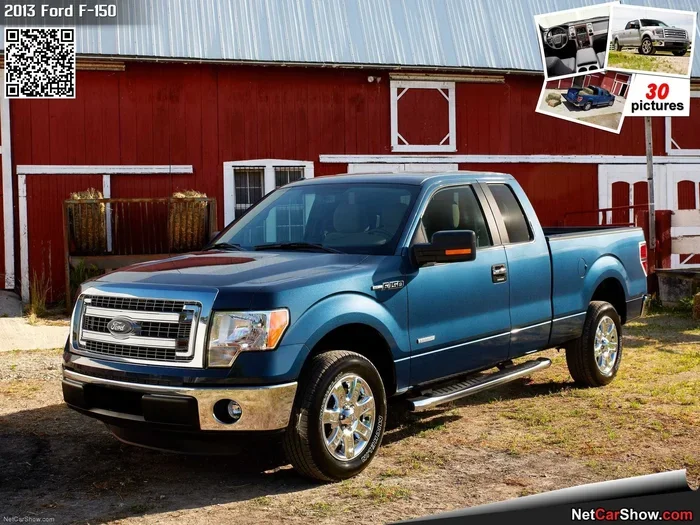
2013 Ford F-150 Recall List – What You Need to Know
The 2013 Ford F-150 has had several recalls covering critical safety issues like fire risks, brake problems, and defective parts. This guide breaks down every major recall, explains how to check if your truck is affected, and walks you through the repair process step by step. Knowing your recall status keeps you and your family safe on the road.
The 2013 Ford F-150 is one of the most popular trucks on the road. It has a strong reputation for durability and performance. But like any vehicle, it is not without its problems. Over the years, Ford has issued several recall notices for the 2013 F-150. These recalls cover a range of safety and mechanical issues. Some are minor. Others are serious enough to raise real concerns for owners and potential buyers.
If you own a 2013 Ford F-150 or are thinking about buying one, understanding the recall landscape is essential. This article gives you a complete look at the 2013 Ford F-150 recall history. We will cover every major recall, explain what went wrong, and tell you exactly what to do if your truck is affected. Knowledge is power, and in this case, it could keep you safe.
Recalls are not something to ignore. They exist because a manufacturer has identified a defect that could compromise safety or vehicle function. The National Highway Traffic Safety Administration, or NHTSA, oversees all recall campaigns in the United States. Every recall is logged in a public database that anyone can search. The good news is that recall repairs are always free for the vehicle owner. You simply bring your truck to an authorized Ford dealership, and they handle the rest.
Key Takeaways
- Multiple Recalls Exist: The 2013 Ford F-150 has been subject to several recall campaigns covering fire hazards, brake defects, and other safety concerns.
- Check Your VIN: Using your Vehicle Identification Number is the fastest way to confirm whether your specific truck is affected by any recall.
- Free Repairs: All recall repairs are performed at no cost to the vehicle owner by authorized Ford dealerships.
- Act Quickly: Delaying recall repairs can put you at risk, especially for issues involving fire or brake failure.
- Stay Informed: Regularly checking the NHTSA database and signing up for recall alerts ensures you never miss an update.
- Diesel Models Have Specific Issues: The 2013 F-150 diesel variants face unique recall concerns related to engine and exhaust components.
- Safety Ratings Matter: Understanding how recalls relate to overall vehicle safety helps you make informed decisions about your truck.
📑 Table of Contents
- Understanding the 2013 Ford F-150 Recall Landscape
- Major Recalls Affecting the 2013 Ford F-150
- How to Check if Your 2013 Ford F-150 Is Affected
- What to Do If Your F-150 Is Recalled
- Common Mistakes Owners Make with Recalls
- Recalls and Vehicle Safety Ratings
- Staying Updated on Future Recalls
- Are There Recalls Related to Aftermarket Modifications?
- Final Thoughts on the 2013 Ford F-150 Recall
Understanding the 2013 Ford F-150 Recall Landscape
Before diving into the specific recalls, it helps to understand how the recall process works. Ford identifies a defect through internal testing, customer complaints, or NHTSA investigations. Once a problem is confirmed, Ford files a recall campaign. The agency then publishes the details, and owners are notified. This entire process is designed to protect consumers and maintain vehicle safety standards.
The 2013 model year of the F-150 is no exception. Several recall campaigns were issued during and after its production run. Some recalls affected small batches of trucks. Others had a wider reach. The scope of each recall depends on the nature of the defect and how many vehicles were produced with the issue. Understanding this context helps you take the right action.
Why Recalls Happen
Recalls are triggered when a manufacturer or safety regulator identifies a defect that poses a risk. This could be a faulty part, a design flaw, or a manufacturing error. For the 2013 Ford F-150, recalls have been linked to issues like wiring problems, brake defects, and components that could lead to fire. Each recall is assigned a specific campaign number for tracking purposes.
It is also worth noting that recalls do not mean your truck is unsafe to drive in every situation. Some defects only manifest under specific conditions. However, it is always best to address them as soon as possible. Ignoring a recall can lead to bigger problems down the road, both literally and figuratively.
Major Recalls Affecting the 2013 Ford F-150
Several significant recall campaigns have targeted the 2013 Ford F-150. Below is a detailed breakdown of the most notable ones. Each entry explains the problem, the potential risk, and what Ford did to fix it.
Fire Hazard Recalls
One of the most serious recall categories for the 2013 F-150 involves fire risks. In certain cases, a defect in the wiring or electrical system could cause a short circuit. This short circuit might lead to a fire, even when the truck is turned off and parked. These recalls generated significant attention from both Ford and safety regulators.
The fire hazard recalls typically affected trucks with specific wiring harness configurations. Ford issued a campaign to inspect and, if needed, replace the affected wiring. Owners were urged to bring their trucks in for service immediately. If you own a 2013 F-150, checking whether your VIN falls within the affected range is a priority.
Brake System Recalls
Brake issues are never something to take lightly. The 2013 Ford F-150 had recalls related to the brake system in certain configurations. These defects could reduce braking performance or cause uneven wear on brake components. In some cases, the problem was traced to the master cylinder or brake line assembly.
For a truck as heavy as the F-150, which can weigh several thousand pounds, reliable brakes are non-negotiable. The recall addressed these concerns by replacing or refurbishing the faulty brake components. Any brake-related recall should be treated with the highest urgency.
Engine and Drivetrain Recalls
The 2013 F-150 came with several engine options, including gasoline and diesel variants. Some recall campaigns targeted specific engine components. For instance, issues with fuel line connections or sensor malfunctions led to recalls in certain production batches. The 000 miles a lot for a diesel truck is a common concern, and some recalls addressed long-term durability of diesel-specific parts in the F-150 lineup.
Diesel F-150 models, while less common, faced their own set of challenges. Exhaust system components and emissions-related parts were sometimes subject to recall campaigns. If you drive a diesel variant, it is especially important to verify your recall status with a Ford dealer.
Safety Restraint and Airbag Recalls
Another category of recalls for the 2013 F-150 involved safety restraints and airbag systems. Defective sensors or faulty deployment modules could prevent airbags from inflating properly during a collision. In some cases, the seat belt pretensioners might not activate as designed.
These recalls are particularly important because they relate directly to occupant protection in the event of a crash. The 2013 Ford F-150 safety rating is already a strong selling point, but recalls can sometimes affect how that rating translates to real-world protection. Staying on top of recall repairs ensures your truck delivers the safety you expect.
How to Check if Your 2013 Ford F-150 Is Affected
Knowing whether your specific truck is affected by any recall is straightforward. The process is the same regardless of which recall you are checking. Here is how you can do it yourself.
Step-by-Step VIN Lookup
Your Vehicle Identification Number is the key to unlocking your recall status. Every vehicle has a unique VIN, usually found on the dashboard near the windshield or on the driver-side door jamb. Follow these steps to check for recalls:
- Step 1: Locate your 17-character VIN on the truck or in your registration documents.
- Step 2: Visit the official NHTSA recall database at nhtsa.gov/recalls.
- Step 3: Enter your VIN in the search bar and hit submit.
- Step 4: Review the results. Any open recalls will be listed with details about the defect and the remedy.
- Step 5: Contact your local Ford dealership to schedule the repair if any recalls are found.
The NHTSA database is updated regularly, so it is a reliable source. You can also call Ford directly with your VIN and ask a representative to run a recall check. Most dealerships will do this for free as part of a routine service visit.
What to Look For in the Results
When you pull up your recall results, pay attention to the status of each campaign. An open recall means the repair has not yet been completed. A completed recall means the work has been done. Some older recalls may show a status of “remedy completed” if the previous owner already handled it. Always double-check with the dealership to confirm the work was done properly.
If you are buying a used 2013 F-150, always run a VIN check before finalizing the purchase. This is one of the most important steps in any used truck buying process. It protects you from inheriting unresolved safety issues.
What to Do If Your F-150 Is Recalled
Finding out that your truck has an open recall can feel stressful. But the process for addressing it is simple and straightforward. Here is exactly what you need to do.
Contact Your Ford Dealership
The first step is to call your nearest authorized Ford dealership. Explain that you have an open recall and provide your VIN. The service department will schedule an appointment for you. Recall repairs are always free of charge, regardless of the age of the vehicle or your warranty status.
It is a good idea to call ahead and ask about the estimated time for the repair. Some recall fixes are quick and take less than an hour. Others may require parts that need to be ordered, which could add a few days to the process.
What Happens During the Repair
When you bring your truck in, the service technicians will review the recall notice and perform the necessary fix. This might involve replacing a part, updating software, or modifying a component. The work is done by certified Ford technicians using genuine Ford parts.
After the repair is complete, you should receive documentation confirming the work was done. Keep this paperwork with your vehicle records. It serves as proof that the recall was addressed, which can be important if you ever sell the truck or need to verify service history.
Can You Drive the Truck While Waiting for the Repair?
In most cases, yes. Unless the recall notice specifically advises against driving the vehicle, you can continue using your truck while waiting for the appointment. However, if the recall involves a serious safety issue like a fire risk or brake failure, Ford may recommend leaving the truck parked and arranging a tow. Always read the recall notice carefully and follow the instructions provided.
Common Mistakes Owners Make with Recalls
There are several mistakes that F-150 owners commonly make when it comes to recalls. Avoiding these pitfalls can save you time, money, and stress.
- Ignoring recall notices: Some owners toss the mail or delete the email without reading it. This is the biggest mistake you can make.
- Assuming the truck is too old for a recall: Recalls do not expire. A 2013 F-150 is still eligible for recall repairs today.
- Not checking the VIN before buying used: Always run a recall check on any used truck before you commit to a purchase.
- Visiting a non-Ford shop for the repair: Recall repairs must be done at an authorized dealership to qualify as completed.
- Assuming one recall means the truck is unreliable: A single recall does not define the overall quality of the vehicle.
By avoiding these common errors, you ensure that your 2013 Ford F-150 remains safe and roadworthy for years to come. The recall process exists for a reason, and taking it seriously is one of the best things you can do as a vehicle owner.
Recalls and Vehicle Safety Ratings
It is natural to wonder how recalls affect the overall safety rating of a truck. The 2013 Ford F-150 has received solid safety ratings over the years. However, a recall can sometimes highlight a specific weakness that was not captured in the original crash testing. This does not mean the truck is unsafe overall. It simply means that a particular component or system needs attention.
When evaluating the safety of a 2013 F-150, consider the full picture. Look at the NHTSA crash test ratings, the Insurance Institute for Highway Safety scores, and the recall history. A truck with a few recalls addressed promptly is still a strong choice. The 3 stars on car safety ratings can sometimes reflect specific test scenarios, and recalls help bridge the gap between a theoretical rating and real-world performance.
Also, keep in mind that the 2013 F-150 is a heavy-duty truck. Its weight, which can exceed 000 lbs in certain configurations, plays a role in how it performs during a collision. Recalls that address structural or restraint issues are especially important for a vehicle of this size.
Staying Updated on Future Recalls
Even though the 2013 F-150 is no longer a current model year, new recalls can still emerge. Manufacturers sometimes issue recalls long after a vehicle is sold, based on new information or patterns that emerge over time. Staying updated is an ongoing responsibility for any vehicle owner.
Here are a few ways to stay informed:
- Sign up for NHTSA email alerts: You can register your VIN on the NHTSA website and receive notifications about new recalls.
- Check the Ford recall page regularly: Ford maintains a dedicated recall lookup tool on its official website.
- Visit your dealership for routine service: Ask the service advisor to run a recall check every time you bring the truck in for maintenance.
- Join online F-150 owner forums: Other owners often share recall news and experiences that can keep you informed.
Taking a proactive approach to recall monitoring is one of the simplest things you can do. It takes just a few minutes and could save you from a serious safety issue down the line.
Are There Recalls Related to Aftermarket Modifications?
Some truck owners customize their F-150s with aftermarket parts. This can include things like window tint, lift kits, or performance upgrades. It is worth noting that certain aftermarket modifications could potentially interact with recall-related repairs. For example, if a recall involves the electrical system, any aftermarket wiring or accessories might need to be temporarily removed during the repair process.
If you have modifications like a 20 percent window tint or other aftermarket additions, inform your dealership before the recall repair is performed. This ensures the technicians are aware of any non-factory components and can work around them safely. It also helps prevent any accidental damage to your custom parts during the repair.
Final Thoughts on the 2013 Ford F-150 Recall
The 2013 Ford F-150 remains a beloved and capable truck. Like any vehicle of its age, it has been through its share of recall campaigns. The key is to stay informed and take action promptly. Checking your VIN, understanding the recalls that apply, and getting the necessary repairs done are all simple steps that make a big difference.
Recalls are not something to fear. They are a sign that the manufacturer is taking responsibility and working to keep vehicles safe. By addressing every recall on your 2013 F-150, you are investing in the longevity and safety of your truck. Whether you use it for work, hauling, or daily commuting, a well-maintained F-150 is a reliable companion for the road ahead.
Take a few minutes today to run that VIN check. It is one of the best things you can do for your truck and for the safety of everyone who rides in it. Stay proactive, stay informed, and keep your 2013 Ford F-150 running at its best.
Frequently Asked Questions
How many recalls does a 2013 Ford F-150 have?
The number of recalls varies depending on the specific configuration and production date of the truck. Several major recall campaigns have been issued for the 2013 F-150, covering issues like fire hazards, brake defects, and engine components. The best way to get an exact count for your specific vehicle is to run a VIN lookup on the NHTSA website.
Are recall repairs free for a 2013 Ford F-150?
Yes, all recall repairs are performed at no cost to the vehicle owner. This applies regardless of the age of the vehicle or whether the original warranty has expired. You simply need to bring your truck to an authorized Ford dealership and provide your VIN.
Can I still drive my 2013 F-150 if it has an open recall?
In most cases, yes. However, if the recall involves a serious safety issue like a fire risk or brake failure, Ford may advise against driving the vehicle. Always read the recall notice carefully and follow any instructions provided by the manufacturer.
How do I find my VIN for a recall check?
Your VIN is located on the dashboard near the windshield on the driver’s side. You can also find it on the driver-side door jamb sticker or on your vehicle registration and insurance documents. It is a 17-character code made up of letters and numbers.
Do recalls ever expire or become void?
No, recalls do not expire. Even though the 2013 F-150 is now a older model, any open recalls still apply. Ford is obligated to provide the remedy for any recall that was issued for your vehicle, no matter how many years have passed since the original sale.
What should I do if a dealership refuses to perform a recall repair?
Dealerships are legally required to perform recall repairs at no cost. If a dealership refuses, you can contact Ford customer service directly or file a complaint with the NHTSA. They will help resolve the issue and ensure your truck receives the necessary repair.
=== CONCLUSION ===
The 2013 Ford F-150 is a strong and popular truck, but like any vehicle, it has had its share of recalls. From fire hazards to brake defects and engine issues, these recall campaigns highlight the importance of staying proactive as a vehicle owner. Checking your VIN regularly, understanding which recalls apply to your truck, and getting repairs done promptly are all essential steps. The good news is that every recall repair is free, and authorized Ford dealerships are ready to help. By taking these simple actions, you protect yourself, your passengers, and your investment. Stay informed, stay safe, and keep your 2013 Ford F-150 in top shape for miles to come.
=== INTERNAL LINKS ===