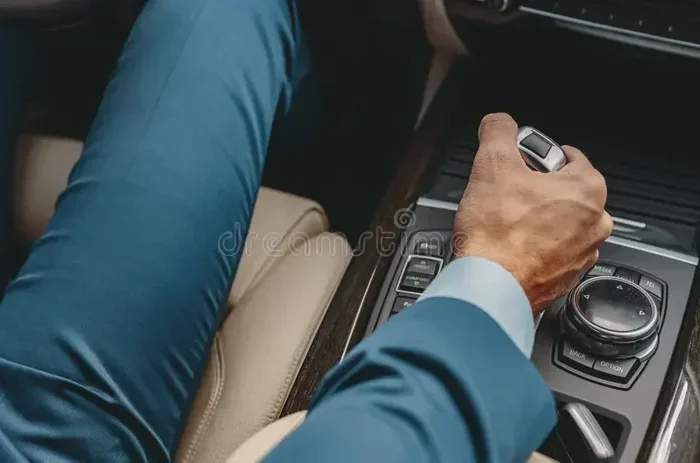
How to Move an Automatic Car Without Turning It On
Moving an automatic car without turning it on is possible, but you must follow the right steps to avoid damaging the transmission. This guide covers push-starting, towing, and emergency methods every driver should know. Whether your battery died or your ignition failed, you will learn safe and practical ways to get your car moving.
Have you ever found yourself sitting in an automatic car with the engine off and no idea how to get it moving? It happens to the best of us. Maybe your battery died. Maybe the ignition switch failed. Or maybe you are in a tight spot and need to push the car out of the way. Whatever the reason, how to move an automatic car without turning it on is a question many drivers face at some point.
The good news is that it can be done safely. You just need to know the right steps and understand your vehicle. Automatic cars are different from manual cars, and that difference matters a lot here. Push-starting a manual transmission is straightforward. But an automatic transmission needs extra care. In this guide, we will walk you through every method, every safety tip, and every mistake to avoid. By the end, you will feel confident handling this situation like a pro.
Key Takeaways
- Push-starting an automatic car requires specific steps: you need a flat surface, helpers, and the key in the ignition to release the steering lock.
- Never tow an automatic car on drive wheels: this can cause severe transmission damage without proper equipment or precautions.
- Neutral gear is essential: placing the gear selector in neutral allows the car to roll freely when the engine is off.
- Jump-starting is often safer than push-starting: a dead battery is the most common reason you might need to move the car without starting it.
- Electronic steering locks can prevent movement: turning the ignition to the accessory or on position releases this lock safely.
- Knowing when to call a professional: some situations require a flatbed tow or expert assistance to protect your vehicle.
📑 Table of Contents
- Why Would You Need to Move an Automatic Car Without Turning It On?
- Understanding Your Automatic Transmission
- How to Push-Start an Automatic Car Safely
- Alternative Methods to Move Your Automatic Car
- Comparison of Methods to Move an Automatic Car Without Starting It
- Troubleshooting: When Your Car Still Will Not Move
- Preventive Measures to Avoid This Situation
- Key Takeaways
- Conclusion
Why Would You Need to Move an Automatic Car Without Turning It On?
There are several real-world situations where you might need to move your car without starting the engine. Understanding these scenarios helps you prepare and respond calmly.
Dead Battery Situations
A dead car battery is the most common reason drivers find themselves in this spot. You turn the key or press the start button, and nothing happens. No dashboard lights. No engine crank. In cold weather, this happens more often. But even in warm climates, batteries can fail unexpectedly. When this happens, you may still need to move the car out of traffic or away from a dangerous spot.
Ignition Switch or Push-Button Start Failure
Sometimes the problem is not the battery. The ignition switch itself can malfunction. On newer cars with push-button start, the start button or the smart key system can fail. If the car will not recognize the key fob, you might not be able to turn the engine on. Yet you still need to move the vehicle.
Emergency or Urgent Situations
Imagine your car rolls slightly and blocks a roadway. Or you are parked on a hill and the parking brake slips. In these urgent moments, knowing how to move the car quickly and safely can prevent accidents. Moving an automatic car without turning it on in an emergency requires calm thinking and the right technique.
Transporting the Car to a Repair Shop
If your car will not start but the transmission and wheels are fine, you may need to get it to a mechanic. In some cases, you can push or tow it short distances. This is especially useful if you are stranded far from help.
Understanding Your Automatic Transmission
Before you try to move an automatic car, you need to understand how the transmission works. This knowledge keeps you safe and prevents costly damage.
How Automatic Transmissions Differ from Manual Transmissions
Manual cars have a clutch pedal and a gear stick. You can push-start a manual car by engaging a gear while the car is rolling. Automatic cars do not have a clutch. Instead, they use a torque converter and internal gears that are managed by the transmission system. When the engine is off, the torque converter does not spin. This means the internal components are not lubricated by flowing transmission fluid. Pushing or towing incorrectly can cause wear or damage.
The Role of Neutral Gear
When you put an automatic car in neutral, you disconnect the engine from the wheels. The transmission stops sending power to the drivetrain. This allows the car to roll freely. For moving an automatic car without turning it on, neutral gear is your best friend. Always make sure the gear selector is in the neutral position before attempting to push or tow the vehicle.
The Electronic Steering Lock
Most modern automatic cars have an electronic steering lock. This lock engages when you turn the car off and remove the key. It prevents the steering wheel from turning freely. If you try to push the car with the steering lock engaged, you will not be able to steer. Worse, you could damage the steering column. You must release this lock before moving the car, which usually requires turning the ignition to the on or accessory position.
How to Push-Start an Automatic Car Safely
Push-starting is one of the most common ways to move an automatic car without turning it on. But it must be done correctly. Follow these steps carefully.
Step-by-Step Push-Start Process
- Turn the ignition key to the on position. Do not start the engine. Just turn it to the position where the dashboard lights come on. This releases the electronic steering lock and allows you to turn the steering wheel freely.
- Press the brake pedal firmly. In most automatic cars, you must press the brake pedal to move the gear selector out of park. Keep your foot pressed firmly on the brake.
- Shift the gear selector to neutral. Move the gear lever into the neutral position. You should feel it click into place. Some cars require you to press a button or release a lock to shift into neutral.
- Release the parking brake. Make sure the parking brake is fully released so the wheels can roll.
- Get helpers to push the car. Find a flat, open area. Ask two or three people to push the car from behind. Start pushing and gain some momentum.
- While the car is rolling, turn the ignition key to the start position. This should engage the starter motor and crank the engine. Once the engine starts, you can steer the car to safety.
- Shift back to park and turn off the ignition. Once the car is moving under its own power, stop pushing and safely park the vehicle.
Safety Precautions for Push-Starting
- Always push the car on a flat surface. Hills make push-starting dangerous and unpredictable.
- Make sure the area is clear of traffic and pedestrians before you start pushing.
- Keep the brake pedal pressed at all times until the engine starts.
- Never try to push-start an automatic car on a steep incline. The lack of engine braking can cause loss of control.
- Have a clear plan for stopping once the engine starts.
Common Mistakes People Make When Push-Starting
Many drivers make mistakes that can damage their automatic transmission. Here are the most common ones:
- Forgetting to turn the ignition to the on position. Without doing this, the steering lock stays engaged, and you cannot steer the car.
- Trying to push-start on a slope. This is extremely dangerous. The car can gain too much speed and become uncontrollable.
- Not pressing the brake pedal. Most automatic cars will not shift out of park without the brake pedal being pressed.
- Pushing the car for too long without starting the engine. Without engine power, the transmission pump does not circulate fluid properly. Extended push-starting can cause internal wear.
- Shifting into drive while pushing. Never shift into drive while the car is rolling. Always use neutral first.
Expert Insight
Most automatic transmission manufacturers advise against push-starting. The safest alternative is to jump-start the car using jumper cables or a portable jump starter. Push-starting should only be used as a last resort in emergency situations where no other option is available.
Alternative Methods to Move Your Automatic Car
Push-starting is not the only way to move an automatic car without turning it on. Several other methods work well depending on your situation.
Using a Tow Truck or Flatbed
The safest way to move an automatic car without starting it is to use a tow truck or flatbed trailer. This method puts zero stress on the transmission. The entire car is lifted off the ground, so the wheels do not spin and the drivetrain does not engage. Call a local towing service or roadside assistance if you are stranded. This is always the best option for long distances.
Jump-Starting the Car
If the problem is a dead battery, jump-starting is the best solution. You will need jumper cables and another vehicle with a working battery. Connect the cables in the correct order, start the working car, and then try starting your car. Once your engine is running, the alternator will recharge the battery. This method does not require you to push the car at all.
Using a Portable Jump Starter
A portable jump starter is a compact battery pack you can keep in your trunk. These devices are small, lightweight, and very effective. They work just like jumper cables but do not require another vehicle. Simply connect the jump starter to your car battery, turn it on, and start the engine. This is one of the easiest ways to avoid the need to move the car entirely.
Towing with a Dolly or Tow Bar
In some cases, you can tow an automatic car using a tow dolly or tow bar. However, this must be done carefully. The front wheels must be lifted off the ground to prevent transmission damage. Always check your owner’s manual before towing an automatic car. Some manufacturers explicitly forbid towing on drive wheels for any distance.
Comparison of Methods to Move an Automatic Car Without Starting It
Not all methods are created equal. Here is a quick comparison to help you choose the best approach for your situation.
| Method | Difficulty | Safety | Best For | Risk to Transmission |
|---|---|---|---|---|
| Push-Starting | Medium | Moderate | Dead battery, flat surface | Low to moderate if done correctly |
| Jump-Starting | Easy | High | Dead battery | Very low |
| Flatbed Tow | Easy | Very High | Any situation, long distances | None |
| Tow Dolly | Medium | High | Front-wheel drive automatics | Low if front wheels are lifted |
| Portable Jump Starter | Easy | Very High | Dead battery, no second vehicle | Very low |
Troubleshooting: When Your Car Still Will Not Move
Sometimes, even after you follow all the steps, the car will not move. Here are some common issues and how to address them.
Electronic Steering Lock Won’t Release
If the steering wheel is locked and you cannot turn the ignition to the on position, try gently wiggling the steering wheel left and right while turning the key. The steering lock mechanism often releases when you apply slight pressure to the wheel. This is a common issue after the car is parked and the wheels are turned to one side.
Gear Selector Stuck in Park
Sometimes the gear selector will not move out of park, even with the brake pedal pressed. Most automatic cars have a small release button or shift lock near the gear selector. Press this button while moving the lever to shift into neutral. If the shift lock is not working, the brake light switch may be faulty. This is a simple repair a mechanic can handle quickly.
Transmission Won’t Engage
If the transmission feels stuck or will not shift, the problem may be low transmission fluid. Check the fluid level using the dipstick. If the fluid is low or dark, the transmission may not shift properly. In this case, do not attempt to push or tow the car. Call a tow truck and have the vehicle inspected by a professional.
When to Call a Professional
There are times when you should not try to move the car yourself. If the car is in a dangerous location, such as a busy highway, call roadside assistance. If you suspect transmission damage, engine failure, or electrical system problems, a professional tow is the safest choice. Trying to fix complex issues on your own can lead to expensive repairs or serious injury.
Preventive Measures to Avoid This Situation
The best way to handle a car that will not start is to prevent the situation from happening in the first place. Here are some simple steps you can take.
Battery Maintenance Tips
- Have your battery tested every six months, especially before winter.
- Replace your battery every three to five years, or as recommended by your car manufacturer.
- Turn off all lights and accessories when you park the car.
- Drive your car regularly to keep the battery charged.
- Consider a battery maintainer if you park the car for long periods.
Recognizing Warning Signs
Your car usually gives you warning signs before a complete failure. Pay attention to slow cranking, dim dashboard lights, or a clicking sound when you turn the key. These are signs of a weakening battery or failing starter motor. Address these issues early to avoid being stranded.
Emergency Preparedness
Keep a few essential items in your car at all times. Jumper cables, a portable jump starter, and a flashlight can save you in many situations. Also, keep the phone number of a reliable roadside assistance service saved in your phone. Being prepared means you will never feel helpless when your car will not start.
Key Takeaways
- Push-starting an automatic car is possible but risky: always turn the ignition on first, shift to neutral, and use a flat surface only.
- Jump-starting is the safest alternative: it avoids transmission stress and works well for dead battery situations.
- Neutral gear and released parking brake are essential: without these, the car will not roll freely.
- Electronic steering locks must be released: turning the ignition to the on position unlocks the steering column.
- Flatbed towing is the zero-risk option: for long distances or complex situations, a flatbed tow is always the best choice.
- Know when to call for help: if the car is in a dangerous spot or you suspect serious mechanical issues, professional assistance is the smart call.
- Preventive maintenance saves the day: regular battery checks and keeping emergency tools in your car reduce the chances of this happening.
Conclusion
Knowing how to move an automatic car without turning it on is a valuable skill every driver should have. Whether you are dealing with a dead battery, a failed ignition, or an emergency situation, the methods in this guide give you practical options. Remember that push-starting an automatic car should be a last resort. Jump-starting, using a portable jump starter, or calling a flatbed tow truck are all safer alternatives. Always prioritize your safety and the health of your vehicle. Keep your car well-maintained, stay prepared for emergencies, and you will handle any situation with confidence. The next time your automatic car will not start, you will know exactly what to do.
Frequently Asked Questions
Can you push-start an automatic car in neutral?
Yes, you can push-start an automatic car in neutral, but you must first turn the ignition to the on position to release the steering lock. Have helpers push the car on a flat surface, gain momentum, and then turn the key to the start position while the car is rolling. This engages the starter motor and cranks the engine.
Is it safe to tow an automatic car with all wheels on the ground?
Generally, no. Towing an automatic car with all four wheels on the ground can cause serious transmission damage because the wheels are connected to the drivetrain. The safest towing method is to use a flatbed truck that lifts all wheels off the ground. Always check your owner’s manual for specific towing guidelines.
What do you do if your automatic car battery dies and you need to move it?
Your best option is to jump-start the car using jumper cables and another vehicle or a portable jump starter. If neither is available, you can try push-starting on a flat surface by shifting to neutral and having someone push the car while you turn the ignition to start. For longer distances, call a tow truck.
Do you need the key in the ignition to move an automatic car without starting it?
Yes, in most modern automatic cars, you need the key in the ignition or the push-button start system activated to release the electronic steering lock. Without turning the ignition to the on or accessory position, the steering wheel will remain locked and you will not be able to steer the car.
Can a dead battery prevent you from shifting an automatic car out of park?
In some cases, yes. If the battery is completely dead, the electronic shift lock may not release. Most cars have a mechanical override, usually a small slot or button near the gear selector. Insert a key or a thin object into the override to manually release the shift lock and move the lever into neutral.
How long can you push an automatic car without starting the engine?
You should limit push-starting to short distances, ideally no more than a few hundred feet. Without the engine running, the transmission pump does not circulate fluid, which means internal components are not properly lubricated. Extended pushing without the engine running can cause wear or damage to the transmission.