How Much Should a 100 Inch TV Actually Cost You Now
A 100 inch TV price can range from around $800 to over $5,000 depending on the brand, panel type, and features. In this guide, we break down the real cost of a 100 inch TV so you know what to expect. You will learn about budget options, premium picks, and hidden costs like installation and warranties.
A 100 inch TV is a game changer for any living room or home theater. When you plop down on your couch and that massive screen fills your vision, you feel like you are inside the movie. But here is the real question most people ask before buying: how much should a 100 inch TV actually cost you?
The answer is not as simple as picking a single number. Prices swing wildly based on the brand, the display technology, and the extra features packed inside. One model might sell for $900 while another hits $5,000 for the same screen size. That gap can feel confusing if you do not know what drives the price.
This guide cuts through the noise. We will walk you through every factor that shapes the 100 inch TV cost. By the end, you will know exactly what to expect and how to get the best deal without overpaying. Let us dive in.
Key Takeaways
- Price Range: A 100 inch TV can cost anywhere from $800 to $5,000+ depending on the type and brand.
- Panel Type Matters: LED TVs cost less than OLED models, but both offer great value at this size.
- Hidden Costs Exist: Installation, wall mounts, and extended warranties can add hundreds to your total.
- Best Time to Buy: Major sales events like Black Friday offer the deepest discounts on large screen TVs.
- Brand Differences: Samsung, LG, TCL, and Sony each offer strong options at different price points.
- Smart Features Add Value: Built-in streaming and voice control make newer models worth the upgrade.
📑 Table of Contents
- Why a 100 Inch TV Price Varies So Much
- How Much Should a 100 Inch TV Cost by Type
- Hidden Costs to Factor Into Your Budget
- Best Brands for 100 Inch TVs in 2024
- Comparison Table: 100 Inch TV Prices by Brand and Type
- When Is the Best Time to Buy a 100 Inch TV
- Quick Tips for Saving Money on a 100 Inch TV
- Common Mistakes People Make When Buying a 100 Inch TV
- Expert Insights: What Reviewers Say About 100 Inch TVs
- How to Choose the Right 100 Inch TV for Your Budget
- Conclusion
Why a 100 Inch TV Price Varies So Much
Not all 100 inch TVs are created equal. The price differences come down to a few key factors that manufacturers use to set their pricing. Understanding these factors helps you make a smarter buying decision.
Display Technology
The type of panel inside your TV has the biggest impact on cost. LED TVs use backlit LCD screens and tend to be the most affordable option. They deliver bright, clear pictures and work well in rooms with lots of natural light.
OLED models use a completely different technology. Each pixel lights up on its own, which means deeper blacks and stunning contrast. This premium technology pushes the 100 inch TV price significantly higher. If you want the best picture quality, OLED is worth the investment.
QLED TVs sit in the middle. They use quantum dots to boost color and brightness. They cost more than standard LED but less than OLED. For many buyers, QLED hits the sweet spot between price and performance.
Smart Features and Software
Modern TVs do much more than display content. Built-in streaming apps, voice assistants, and smart home integration all add to the cost. A basic 100 inch LED TV without smart features will always cost less than a model loaded with the latest tech.
Brands like Samsung and LG invest heavily in their smart platforms. Their TVs run smoothly and offer access to all major streaming services. If you already use Alexa or Google Home, a TV with built-in support makes your setup much simpler.
Brand Reputation and Marketing
Big brand names charge a premium. Samsung, Sony, and LG have strong reputations, and that reputation shows up in their pricing. You are also paying for research, design, and customer support.
Budget brands like TCL and Hisense offer excellent value. Their 100 inch models deliver solid picture quality at a fraction of the cost. If you are willing to skip the brand name, you can save a lot of money.
How Much Should a 100 Inch TV Cost by Type
Breaking down the 100 inch TV cost by panel type gives you a clearer picture. Here is what you can expect to pay for each category in 2024.
LED 100 Inch TVs
LED 100 inch TVs are the most budget-friendly option. You can find solid models from brands like TCL and Hisense starting around $800 to $1,200. These TVs offer good brightness, sharp 4K resolution, and smart TV features.
They work great for casual viewing and family movie nights. The picture quality is impressive for the price. If you want a big screen without breaking the bank, an LED model is a smart choice.
QLED 100 Inch TVs
QLED TVs cost more than standard LED but deliver better color and brightness. Expect to pay between $1,500 and $2,500 for a quality QLED 100 inch model. Samsung leads this category with strong options at various price points.
The enhanced color range makes a noticeable difference. Movies and sports look more vibrant and lifelike. If you watch a lot of content and want better picture quality, QLED is a great step up.
OLED 100 Inch TVs
OLED TVs represent the premium end of the market. A 100 inch OLED can cost anywhere from $3,000 to $5,000 or more. LG is the main player in this space, offering stunning picture quality and smart features.
The contrast and black levels are unmatched. Every scene looks cinematic and immersive. If you are a serious movie lover or gamer, the investment in an OLED pays off in visual quality.
Hidden Costs to Factor Into Your Budget
The sticker price is not the only cost you need to consider. Several hidden expenses can add up quickly when buying a large TV. Planning for these costs prevents surprises later.
Installation and Wall Mounting
A 100 inch TV is heavy and bulky. Most people need professional installation to mount it safely on a wall. Professional TV installation typically costs between $200 and $500 depending on your location and wall type.
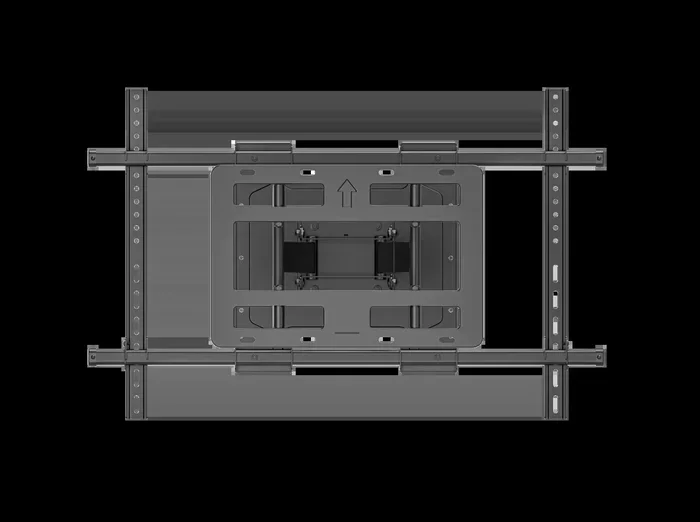
You will also need a sturdy wall mount rated for large screens. Quality mounts cost between $100 and $300. Do not cheap out on the mount. A 100 inch TV is a significant investment, and you want it secured properly.
Extended Warranty
Most TVs come with a standard one-year warranty. For a TV that costs over $1,000, an extended warranty is worth considering. Plans typically run $100 to $300 and cover repairs beyond the initial warranty period.
Large screen TVs are more expensive to repair if something goes wrong. The panel itself is the most costly component. An extended warranty gives you peace of mind and protects your investment.
Streaming Subscriptions and Accessories
A big screen TV is only as good as the content you watch on it. Factor in streaming subscriptions like Netflix, Disney+, and Hulu. These add $15 to $30 per month to your entertainment budget.
You may also need a soundbar or home theater system. Built-in TV speakers often do not match the quality of a 100 inch picture. A good soundbar costs $200 to $500 and makes a huge difference in your viewing experience.
Best Brands for 100 Inch TVs in 2024
Not all brands deliver the same value at the 100 inch size. Here is a closer look at the top contenders and what they offer.
Samsung
Samsung offers a wide range of 100 inch models across QLED and Neo QLED lines. Their TVs are known for bright displays, smart features, and sleek designs. Prices range from $1,500 to $4,000 depending on the model year and features.
LG
LG is the go-to brand for OLED TVs. Their 100 inch OLED models deliver exceptional picture quality and run the webOS smart platform smoothly. Expect to pay $3,000 to $5,000 for an LG OLED at this size.
TCL
TCL is the king of budget-friendly large TVs. Their 100 inch models offer solid 4K quality and Roku smart TV integration. Prices start around $800 and rarely exceed $1,500. TCL is perfect for buyers who want big screens without big spending.
Sony
Sony focuses on picture processing and sound quality. Their 100 inch models use advanced XR processors that enhance every frame. Sony TVs tend to cost more than TCL but offer superior image optimization.
Comparison Table: 100 Inch TV Prices by Brand and Type
| Brand | Type | Approximate Price | Key Feature |
|---|---|---|---|
| TCL | LED | $800 – $1,200 | Budget-friendly Roku TV |
| Hisense | LED | $900 – $1,300 | Good value, Vizio competitor |
| Samsung | QLED | $1,500 – $2,500 | Bright, vibrant colors |
| Samsung | Neo QLED | $2,500 – $4,000 | Advanced mini-LED tech |
| LG | OLED | $3,000 – $5,000+ | Best contrast and blacks |
| Sony | LED/QLED | $1,800 – $3,500 | Superior picture processing |
Use this table as a starting point for your research. Prices fluctuate based on sales and new model releases. Always check multiple retailers before making a purchase.
When Is the Best Time to Buy a 100 Inch TV
Timing your purchase can save you hundreds of dollars. Retailers run major promotions throughout the year, and knowing when to shop gives you an edge.
Black Friday and Cyber Monday
These shopping events offer the deepest discounts of the year. Retailers slash prices on big screen TVs to attract customers. You can often find 100 inch models at 20 to 30 percent off during this period.
Start watching deals a week before Black Friday. Many stores open early and offer online flash sales. Having a target price in mind helps you recognize a genuine deal versus a fake discount.
Prime Day and Holiday Sales
Amazon Prime Day in July is another excellent time to buy. Walmart, Best Buy, and other retailers run their own summer sales events as well. Memorial Day and Labor Day weekends also bring competitive pricing.
Set price alerts on sites like CamelCamelCamel or Keepa. These tools track price history and notify you when a TV drops to your target price. Patience pays off when buying a 100 inch TV.
Quick Tips for Saving Money on a 100 Inch TV
- Shop during sales events: Black Friday, Prime Day, and holiday weekends offer the best deals.
- Compare prices across retailers: Check Amazon, Best Buy, Walmart, and manufacturer websites.
- Consider open-box options: Open-box TVs can save you 15 to 25 percent with minimal risk.
- Look for refurbished models: Manufacturer-refurbished TVs come with warranties and significant savings.
- Skip unnecessary features: You do not need every smart feature. Focus on picture quality and size.
- Buy last year’s model: New model releases push older models on sale. The difference is often minimal.
Common Mistakes People Make When Buying a 100 Inch TV
Avoid these common pitfalls to ensure you get the best value for your money.
Ignoring the Viewing Distance
A 100 inch TV is massive. If your seating area is too close, the image can feel overwhelming. The recommended viewing distance for a 100 inch TV is about 8 to 12 feet. Measure your space before you buy.
Forgetting About Room Lighting
Bright rooms wash out TV images. If your living room has large windows and lots of natural light, an LED or QLED TV will perform better than an OLED. OLED TVs are best suited for darker viewing environments.
Skipping the Wall Mount
A TV stand may seem convenient, but it takes up floor space. A wall mount frees up room and gives you more flexibility in placing your seating. Always factor the mount cost into your budget.
Not Checking Return Policies
Large TVs are difficult to return if they do not fit your space. Check the return policy before you buy. Many retailers offer 30-day return windows, but some charge restocking fees for large items.
Expert Insights: What Reviewers Say About 100 Inch TVs
TV reviewers consistently praise 100 inch models for their cinematic impact. The sheer size transforms any room into a home theater. Reviewers at major tech outlets highlight the difference between LED and OLED at this size as dramatic.
Experts also emphasize the importance of source content. A 100 inch TV looks best with 4K streaming or Blu-ray content. Watching lower resolution content on such a large screen can reveal pixelation and compression artifacts.
Installation professionals recommend mounting the TV at eye level when seated. This positioning reduces neck strain and creates the most immersive viewing experience. A properly installed 100 inch TV feels like a true centerpiece in any room.
How to Choose the Right 100 Inch TV for Your Budget
Now that you understand the pricing landscape, here is a simple framework for choosing the right model.
Budget under $1,000: Look at TCL or Hisense LED models. You will get a solid 4K picture and smart features at an affordable price. These TVs are perfect for casual viewers and families.
Budget $1,000 to $2,500: This range opens up QLED options from Samsung and mid-range LED models from LG and Sony. You get better color accuracy, brighter displays, and more advanced smart features.
Budget over $3,000: You can afford an OLED 100 inch TV. LG dominates this space with stunning picture quality and refined smart features. If picture perfection matters to you, this is where you want to be.
No matter your budget, there is a 100 inch TV that fits. The key is knowing what features matter most to you and prioritizing accordingly.
Conclusion
The 100 inch TV cost varies widely, but understanding the factors behind the price helps you make a confident decision. LED models offer the most affordable entry point, while OLED delivers the best picture quality at a premium price. QLED sits in the middle, balancing cost and performance.
Remember to factor in hidden costs like installation, mounting, and extended warranties. These expenses can add $300 to $800 to your total. Planning for them ensures you stay within budget and enjoy your new TV without financial stress.
Timing your purchase during major sales events can save you significant money. Patience and research go a long way when buying a large screen TV. With the right approach, you can bring home a stunning 100 inch TV without overspending.
Now that you know how much a 100 inch TV should cost, you are ready to shop with confidence. Pick the model that fits your budget and your viewing habits. A big screen experience awaits you.
Frequently Asked Questions
Is a 100 inch TV worth the money?
A 100 inch TV delivers a truly cinematic experience that smaller screens cannot match. If you have the space and the budget, the immersive viewing quality is well worth the investment. It transforms how you watch movies, sports, and games at home.
What is the cheapest 100 inch TV available?
Budget brands like TCL and Hisense offer 100 inch LED models starting around $800. These TVs provide solid 4K quality and smart features at the lowest price point. They are ideal for buyers who want a big screen without spending a fortune.
How far should I sit from a 100 inch TV?
The recommended viewing distance for a 100 inch TV is between 8 and 12 feet. Sitting too close can cause eye strain and make the image feel overwhelming. Measure your room before purchasing to ensure the size fits your space comfortably.
Can I install a 100 inch TV by myself?
Yes, but it is not easy. A 100 inch TV is very heavy and requires a sturdy wall mount and at least one helper. If you are not comfortable with drilling into walls and lifting heavy objects, hiring a professional is the safer choice.
Do 100 inch TVs use a lot of electricity?
Larger TVs do consume more power than smaller models. A 100 inch LED TV uses roughly 150 to 250 watts, while an OLED may use 200 to 350 watts. The difference is noticeable on your electric bill but not dramatic enough to cause concern for most households.
What is the difference between a 100 inch LED and OLED TV?
LED TVs use a backlight behind an LCD panel to produce images. OLED TVs have pixels that emit their own light, resulting in perfect blacks and superior contrast. OLED models cost more but deliver noticeably better picture quality, especially in dark rooms.