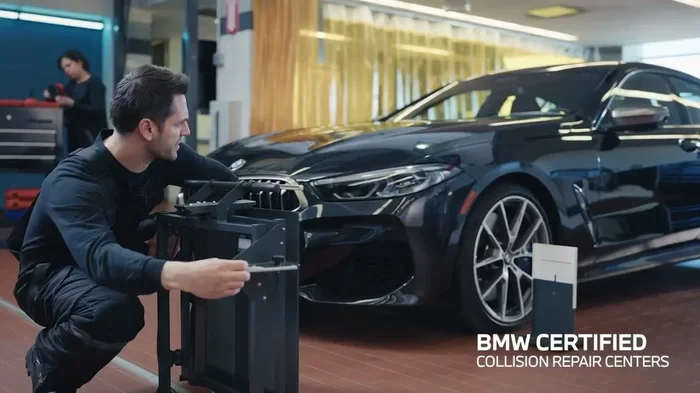
How to Become a BMW Certified Mechanic Step by Step
Becoming a BMW certified mechanic requires a mix of formal education, hands-on training, and passing specialized BMW exams. This guide walks you through every step, from understanding what the job involves to landing your first role at a dealership. You will learn about BMW factory training programs, essential skills, certification paths, and how to build a rewarding career as a BMW certified technician.
Have you ever dreamed of working on luxury vehicles every single day? Becoming a BMW certified mechanic is one of the most exciting career paths you can choose in the automotive world. BMW vehicles are known for their engineering precision, advanced technology, and high performance. That means they need technicians who truly understand how these machines work.
This guide will show you how to become a BMW certified mechanic step by step. Whether you are just starting out or already working as a general mechanic, you will find clear, actionable steps to reach your goal. We will cover education, training, certification, and real-world tips that will set you apart from the competition.
The road to BMW certification is not overnight. It takes dedication, hard work, and a genuine passion for cars. But the payoff is worth it. Certified BMW technicians enjoy better pay, more job opportunities, and the respect of working with one of the world’s most prestigious automotive brands. Let us dive into the details.
Key Takeaways
- BMW certification opens doors: It validates your expertise and makes you more attractive to dealerships and independent shops.
- Formal education matters: A degree or diploma in automotive technology gives you a strong foundation before pursuing BMW-specific training.
- BMW factory training is essential: Programs like BMW STEP provide access to proprietary tools, diagnostics, and repair procedures.
- Hands-on experience is key: Working on real BMW vehicles builds the practical skills that textbooks cannot teach.
- Certification requires passing exams: Both the ASE and BMW-specific tests must be cleared to earn the full credential.
- Career growth is strong: Certified BMW mechanics can earn competitive salaries and move into senior or specialist roles.
- Continuous learning keeps you relevant: BMW updates its technology constantly, so ongoing training is a must.
📑 Table of Contents
What Does a BMW Certified Mechanic Do?
A BMW certified mechanic is a trained professional who specializes in diagnosing, repairing, and maintaining BMW vehicles. These technicians work on everything from routine oil changes to complex engine and electrical repairs. Their expertise goes far beyond what a general auto mechanic can offer.
Daily Responsibilities of a BMW Technician
Every day, a BMW technician handles a wide range of tasks. Here are some of the most common duties:
- Diagnosing problems: Using BMW-specific diagnostic tools to identify issues with the engine, transmission, or electrical systems.
- Performing scheduled maintenance: Oil changes, brake inspections, tire rotations, and fluid replacements.
- Repairing engines and transmissions: Fixing or replacing components in BMW’s powerful inline-six and V8 engines.
- Working on electrical and electronic systems: BMW vehicles have advanced computers, sensors, and infotainment systems that require specialized knowledge.
- Communicating with service advisors: Explaining repairs and costs to customers in clear, honest terms.
- Following BMW service procedures: Using factory-approved methods and genuine BMW parts for every repair.
BMW vehicles are complex machines. They use advanced technology like turbocharging, adaptive suspension, and hybrid powertrains. A certified mechanic must understand all of these systems deeply. This is why BMW repair training is so important.
Why BMW Vehicles Need Specialized Technicians
You cannot fix a BMW the same way you fix a regular car. BMW engineering is unique. The vehicles use proprietary software, specialized tools, and factory-specific diagnostic protocols. A general mechanic might not have access to these resources.
For example, BMW uses a proprietary diagnostic system called ISTA (Integrated Service Technical Application). This software allows technicians to read error codes, update software, and perform complex tests. Only BMW certified technicians receive training on how to use ISTA effectively.
Also, BMW engines and chassis are built with tight tolerances. Even small mistakes during repair can lead to bigger problems down the road. Certification ensures that technicians have the skills to work on these vehicles safely and correctly.
Education and Training Requirements
Before you can become a BMW certified mechanic, you need a solid educational foundation. Most BMW dealerships expect applicants to have completed some form of formal automotive education. This section covers the different paths you can take.
High School Preparation
If you are still in high school, you can start preparing right now. Focus on subjects like math, physics, and electronics. These subjects build the logical thinking and technical understanding you will need as a mechanic.
Many high schools offer automotive shop classes. Take advantage of these if they are available. Even basic hands-on experience with tools and engines gives you a head start. You can also join automotive clubs or participate in skill competitions to build your confidence.
Post-Secondary Education Options
After high school, you have several options for formal education:
- Vocational or trade school: These programs typically last one to two years and focus on practical automotive skills. They cover engine repair, brakes, electrical systems, and more.
- Community college programs: Many community colleges offer two-year associate degrees in automotive technology. These programs often include both classroom learning and hands-on lab work.
- OEM-specific training programs: Some schools partner directly with BMW or other manufacturers to offer brand-specific training.
Choose a program that is accredited by ASE (Automotive Service Excellence) or a similar recognized body. Accreditation ensures that the education you receive meets industry standards.
Recommended Courses and Certifications
While you are in school or training, consider earning additional certifications. These boost your resume and show employers that you are serious about your career. Some valuable certifications include:
- ASE Automotive Technician Certification: This is the gold standard in the automotive industry. It covers multiple areas including engine repair, brakes, electrical systems, and more.
- BMW STEP (Service Technician Education Program): This is BMW’s own training program. We will discuss it in detail in the next section.
- Manufacturer-specific courses: Some training centers offer short courses focused on BMW models, including popular ones in the 5 to 8 lakh car and 7 to 8 lakh car in India segments.
Each of these credentials strengthens your profile. Employers look for technicians who have invested in their education beyond the minimum requirements.
BMW Factory Training Programs
If you want to work as a BMW certified mechanic, factory training is not optional. It is essential. BMW offers structured training programs that teach technicians how to work on their vehicles using official tools, software, and procedures.
What Is BMW STEP?
BMW STEP stands for Service Technician Education Program. It is BMW’s official training program for aspiring and current technicians. The program is designed to take you from basic knowledge to advanced expertise in BMW-specific systems.
BMW STEP includes multiple levels of training:
- STEP 1: Entry-level training covering basic BMW systems, tools, and service procedures.
- STEP 2: Intermediate training that dives deeper into engine management, chassis systems, and diagnostics.
- STEP 3: Advanced training for complex repairs, hybrid systems, and the latest BMW technology.
Each level builds on the previous one. By the time you complete STEP 3, you have a thorough understanding of how BMW vehicles work from front to back.
How to Access BMW Training
There are a few ways to get into BMW factory training:
- Get hired by a BMW dealership: Most dealerships will sponsor your training once you are hired. This is the most common path.
- Apply for BMW training programs directly: BMW sometimes offers training programs for students or recent graduates through their career portals.
- Attend BMW-sponsored events and workshops: These are less common but can provide valuable exposure to BMW technology.
The training is typically free for employees. BMW invests in its technicians because well-trained staff lead to better service and higher customer satisfaction. During training, you will also get hands-on experience with the latest BMW models and diagnostic equipment.
Tools and Equipment You Will Learn to Use
BMW factory training covers more than just theory. You will learn to use professional-grade tools and equipment, including:
- ISTA diagnostic software: The official BMW diagnostic and programming tool.
- Specialized wrenches and sockets: BMW vehicles use specific fasteners that require dedicated tools.
- Hydraulic lifts and alignment machines: Proper equipment ensures accurate and safe repairs.
- Electrical testing equipment: Multimeters, oscilloscopes, and other tools for diagnosing electrical issues.
- Basic workshop tools: Even something as simple as a 12v car socket to 3 pin adapter is part of the everyday toolkit a technician needs for powering devices in the workshop.
Learning to use these tools correctly is a big part of your training. BMW expects its certified technicians to be proficient with all of them.
Getting Hands-On Experience
Classroom learning is important, but nothing replaces real-world experience. To truly master the skills of a BMW certified mechanic, you need to work on actual BMW vehicles as often as possible.
Entry-Level Positions to Gain Experience
If you are just starting out, do not worry if you cannot land a BMW dealership job right away. There are several entry-level positions that can help you build experience:
- Service advisor assistant: You learn how a dealership operates and get exposure to BMW vehicles daily.
- Parts runner: Working in the parts department gives you familiarity with BMW components and systems.
- Junior technician at an independent shop: Many independent shops handle BMW repairs. Working there builds your practical skills.
- Apprentice or intern: Some dealerships and training programs offer paid internships. These are excellent ways to get your foot in the door.
Every hour you spend working on BMW vehicles brings you closer to certification. Even small tasks like brake inspections or oil changes teach you valuable lessons about how these cars are built.
Building a Portfolio of Work
As you gain experience, start documenting your work. Keep a log of the repairs you have performed, the systems you have worked on, and the BMW models you have serviced. This portfolio can be very helpful when you apply for certification or better job opportunities.
Employers value technicians who can show a track record of quality work. A strong portfolio demonstrates your commitment and skill level. It also helps during performance reviews and salary negotiations.
The Role of Mentorship
Find a mentor who is already a certified BMW technician. A mentor can guide you through tricky repairs, share tips, and help you avoid common mistakes. Many dealerships have formal mentorship programs, but you can also build informal mentoring relationships with experienced colleagues.
Having someone experienced in your corner accelerates your learning curve significantly. Do not be afraid to ask questions. The best technicians are the ones who never stop learning.
Certification and Testing Process
Now we get to the core of how to become a BMW certified mechanic. The certification process involves passing specific exams and meeting experience requirements. Here is everything you need to know.
ASE Certification
The first major certification most BMW technicians pursue is the ASE certification. ASE stands for the National Institute for Automotive Service Excellence. It is a widely recognized credential in the automotive industry.
To earn ASE certification, you must:
- Pass one or more ASE certification exams.
- Have at least two years of relevant work experience (or one year of experience plus a two-year automotive degree).
The ASE exams cover different areas of automotive repair. For BMW technicians, the most relevant exams include Engine Repair, Electrical Systems, and Brakes. Passing these exams proves that you have the foundational knowledge needed to work on luxury vehicles.
BMW-Specific Certification
After you earn your ASE certification, the next step is BMW-specific certification. BMW requires its dealership technicians to complete the BMW STEP training program and pass internal assessments.
The BMW certification process typically includes:
- Written exams: These test your knowledge of BMW systems, repair procedures, and safety protocols.
- Practical assessments: You must demonstrate your ability to perform real repairs on BMW vehicles under supervision.
- Continuing education: BMW certification is not a one-time achievement. You must complete ongoing training to maintain your credential.
Once you pass all the required assessments, you officially become a BMW certified technician. This credential opens up opportunities at BMW dealerships and authorized service centers worldwide.
Maintaining Your Certification
BMW certification is not permanent. You need to renew it periodically. This usually involves completing refresher courses and staying up to date with the latest BMW technology. BMW releases new models and updates existing ones regularly, so continuous learning is part of the job.
Many certified technicians attend annual BMW training events, webinars, and workshops. These sessions cover new models, updated repair procedures, and the latest diagnostic tools. Staying current ensures that you remain a valuable asset to any employer.
Career Growth and Opportunities
Once you are certified, your career as a BMW certified mechanic really begins to take off. There are many paths you can follow, and the demand for skilled BMW technicians continues to grow.
Job Settings for BMW Technicians
Certified BMW mechanics can work in several different environments:
- BMW dealerships: The most common employer for certified technicians. Dealerships offer access to the latest BMW models and factory tools.
- Independent BMW specialty shops: These shops focus exclusively on BMW repairs. They often offer a more personal work environment.
- Fleet maintenance: Some companies maintain fleets of BMW vehicles for business use. They need certified technicians for regular maintenance and repairs.
- Mobile BMW repair services: A growing trend where technicians travel to customers’ locations to perform repairs.
Each setting has its own advantages. Dealerships offer the best training and equipment. Independent shops may provide more hands-on responsibility early on. Choose the setting that fits your career goals and personal style.
Salary Expectations
Certified BMW technicians earn competitive salaries. Entry-level technicians can expect to earn a solid starting wage, and experienced technicians command even higher pay. Your salary will depend on factors like your location, years of experience, and the type of employer.
According to industry data, certified BMW technicians in the United States can earn between $50,000 and $90,000 per year, with senior and master technicians earning even more. The automotive technician salary continues to rise as vehicles become more complex and specialized.
Advancement Opportunities
As you gain experience, you can move into advanced roles:
- Senior BMW Technician: Handles the most complex repairs and mentors junior technicians.
- Master Technician: The highest level of technical expertise. Master technicians are go-to experts for the most challenging BMW problems.
- Service Manager: Oversee the service department at a dealership. This role combines technical knowledge with leadership and customer service skills.
- Technical Trainer: Train new technicians at BMW dealerships or training centers.
- Independent Shop Owner: Open your own BMW-focused repair shop after gaining enough experience and industry connections.
The career path for a certified BMW mechanic is wide open. With the right combination of skills, experience, and dedication, you can reach the top of your field.
Common Mistakes to Avoid
Even the most motivated aspiring technicians can make mistakes along the way. Here are some common pitfalls to watch out for:
- Skipping formal education: Some people try to jump straight into hands-on work without proper training. This can lead to gaps in knowledge that hurt your career later.
- Ignoring electrical systems: Modern BMW vehicles rely heavily on electronics. If you neglect electrical training, you will struggle with many common repairs.
- Not staying current with updates: BMW releases software updates and new models regularly. Technicians who do not keep learning will fall behind.
- Rushing through repairs: BMW vehicles require precision. Rushing leads to mistakes, which leads to comebacks and unhappy customers.
- Neglecting soft skills: Communication, teamwork, and customer service are just as important as technical skills in this career.
Avoiding these mistakes will save you time, frustration, and lost opportunities. Stay patient, stay curious, and keep improving.
Quick Tips for Aspiring BMW Technicians
Here are some quick tips to help you on your journey to becoming a certified BMW mechanic:
- Start with ASE certification: It builds a strong foundation and shows employers you are serious.
- Apply for BMW STEP training early: The sooner you start, the faster you will reach your goal.
- Practice on your own vehicle if possible: Even if it is not a BMW, hands-on experience with any car builds confidence.
- Join online BMW technician communities: Forums and groups are great places to learn from experienced professionals.
- Read BMW service manuals regularly: Familiarity with factory documentation gives you a real edge.
- Invest in quality tools: Good tools make better work and last longer.
- Network at industry events: Trade shows, training sessions, and car meets are excellent places to meet employers and peers.
Every tip above can accelerate your progress. Pick the ones that work best for your situation and start applying them today.
Conclusion
Becoming a BMW certified mechanic is a rewarding career choice that combines technical skill, continuous learning, and real-world problem solving. The path is clear: get educated, gain hands-on experience, complete BMW factory training, and pass the certification exams. Each step brings you closer to working with some of the finest luxury vehicles on the road.
It takes time and effort, but the results are well worth it. Certified BMW technicians enjoy strong job security, competitive pay, and the satisfaction of mastering one of the most advanced automotive brands in the world. Whether you start with a 5 to 8 lakh car project or dream of working on high-end models, the journey begins with a single step.
Follow the steps outlined in this guide, stay committed to your learning, and never stop improving. The road to BMW certification is challenging, but it is also incredibly fulfilling. Start today, and you will be well on your way to a career as a skilled and respected BMW certified technician.
Frequently Asked Questions
How long does it take to become a BMW certified mechanic?
The timeline varies depending on your starting point. If you already have automotive education and experience, completing BMW STEP training and certification can take one to two years. For someone starting from scratch with no prior training, it may take three to five years including education, experience, and certification.
Do I need a college degree to become a BMW certified mechanic?
A college degree is not strictly required, but it helps. Many BMW dealerships prefer candidates with at least a two-year degree in automotive technology. If you do not have a degree, you can still qualify through vocational training, ASE certification, and hands-on experience.
How much does BMW STEP training cost?
If you are hired by a BMW dealership, the training is typically free. BMW invests in its technicians by covering the cost of STEP training. However, if you are pursuing training independently, costs can vary depending on the program and location.
Can I become a BMW certified mechanic without working at a dealership?
Yes, it is possible. Some independent shops specialize in BMW repairs and offer BMW-specific training. However, working at a dealership provides the most direct access to factory training, proprietary tools, and the latest BMW technology.
What is the difference between ASE certification and BMW certification?
ASE certification is a general automotive credential recognized across the industry. BMW certification is brand-specific and focuses exclusively on BMW vehicles and systems. Many technicians hold both certifications to maximize their career opportunities.
Is there a demand for BMW certified mechanics in India?
Yes, the demand is growing as more BMW models enter the Indian market, including popular options in the 7 to 8 lakh car in India and 5 to 8 lakh car price segments. BMW dealerships and authorized service centers across India are actively hiring certified technicians.