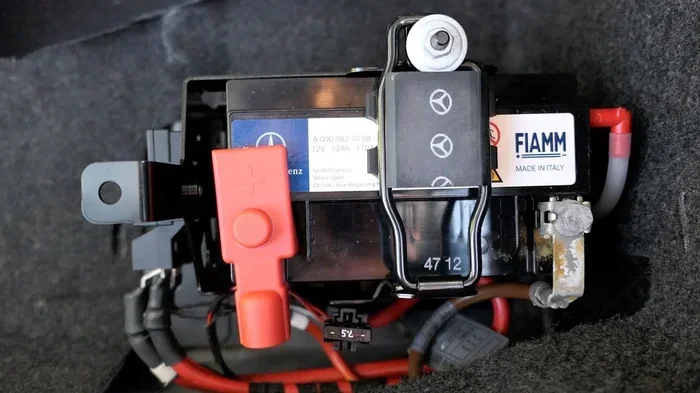
How Much to Replace Auxiliary Battery on Mercedes-Benz
Replacing the auxiliary battery on a Mercedes-Benz typically costs between $200 and $600, depending on the model, battery type, and labor charges. This guide covers everything you need to know about Mercedes auxiliary battery replacement cost, including warning signs, DIY options, and money-saving tips.
Owning a Mercedes-Benz comes with a premium driving experience, but it also comes with premium maintenance costs. One component that often catches owners off guard is the auxiliary battery. Also known as the starter battery or the 12-volt battery, this small but mighty part keeps your car’s electrical systems running when the engine is off. When it fails, you may face a host of problems, from a car that won’t start to a dashboard full of warning lights.
If you have been searching for how much it costs to replace the auxiliary battery on a Mercedes-Benz, you are in the right place. In this guide, we break down the real costs, explain what triggers battery failure, and give you practical tips to avoid overpaying at the service center. Whether you drive a compact C-Class or a luxury S-Class, this article will help you understand what to expect and how to prepare.
The good news is that replacing a Mercedes auxiliary battery is not as complicated as it sounds. With the right information, you can make an informed decision and even save a significant amount of money. Let us dive into the details.
Key Takeaways
- Average Cost: Expect to pay $200 to $600 for a standard auxiliary battery replacement on most Mercedes-Benz models.
- Model Matters: Higher-end models like the S-Class and GLE cost more due to advanced electrical systems and larger batteries.
- OEM vs Aftermarket: Original Mercedes batteries cost more but offer better reliability and warranty coverage.
- DIY Option: Experienced car owners can save on labor by replacing the battery themselves, but caution is required.
- Warning Signs: Dashboard alerts, dimming lights, and power failures are clear indicators that your Mercedes auxiliary battery needs attention.
- Maintenance Matters: Regular checks and proper care can extend your battery life by 1 to 2 years.
- Warranty Coverage: Some Mercedes batteries may still be under warranty, especially if your car is less than 4 years old.
📑 Table of Contents
- What Does the Auxiliary Battery Do in a Mercedes-Benz?
- Signs Your Mercedes Auxiliary Battery Is Failing
- How Much Does It Cost to Replace the Auxiliary Battery?
- OEM vs Aftermarket: Which Battery Should You Choose?
- Can You Replace the Auxiliary Battery Yourself?
- Tips to Extend Your Mercedes Auxiliary Battery Life
- Common Mistakes People Make When Replacing a Mercedes Auxiliary Battery
- How to Find a Reliable Service Center for Battery Replacement
- Conclusion
What Does the Auxiliary Battery Do in a Mercedes-Benz?
Before we talk about costs, it helps to understand what the auxiliary battery actually does. In a Mercedes-Benz, the auxiliary battery is a 12-volt battery that powers all the electrical systems when the engine is not running. This includes your lights, infotainment system, sensors, and even the onboard computer modules.
When you start the car, the main high-voltage battery (in hybrid or electric models) or the alternator (in gasoline models) takes over. But the auxiliary battery handles everything in between. Think of it as the brain’s power supply. Without it, your Mercedes would not be able to wake up when you turn the key or press the start button.
In newer Mercedes models, the electrical demands are even higher. Features like adaptive cruise control, ambient lighting, and the MBUX infotainment system all draw power from this battery. That is why a failing battery can cause so many different issues at once. If you have been experiencing strange electrical behavior, the auxiliary battery might be the culprit.
How Long Should a Mercedes Auxiliary Battery Last?
Most Mercedes-Benz auxiliary batteries last between 3 and 5 years. However, this depends on several factors. If you frequently take short trips, the battery may not fully recharge, which shortens its lifespan. Extreme temperatures, both hot and cold, also take a toll. Additionally, leaving electronics on while the engine is off can drain the battery faster than normal.
Regular maintenance checks at a Mercedes-Benz service center can help you track the battery’s health. Many modern Mercedes models have a battery management system that alerts you when the battery is weakening. Paying attention to these warnings can save you from a sudden failure.
Signs Your Mercedes Auxiliary Battery Is Failing
One of the best ways to avoid a costly surprise is to catch the warning signs early. A failing Mercedes auxiliary battery often gives clear signals before it completely dies. Here are the most common symptoms to watch for.
1. Dashboard Warning Lights
The most obvious sign is a battery or charging system warning light on your dashboard. In many Mercedes models, you will see a red or yellow battery icon. Some newer models display a message like “Battery Charge Level Low” on the instrument cluster. Do not ignore this. It means your auxiliary battery is not holding a charge properly.
2. Difficulty Starting the Car
If your Mercedes takes longer than usual to start, or if you hear a clicking sound when you turn the key, the battery may be weak. A healthy battery delivers a quick, powerful start. A failing one struggles to provide enough juice to turn the engine over.
3. Dimming Lights and Electrical Glitches
Are your headlights dimming when you idle? Is the infotainment screen flickering? These are classic signs of a low battery voltage. The auxiliary battery powers all these systems, and when it weakens, everything that depends on it suffers.
4. Battery Warning on the Driver Display
Modern Mercedes vehicles have a detailed battery status display. You can often check the voltage level directly from the driver’s instrument cluster. If the voltage drops below 12.4 volts when the engine is off, it is time to consider a replacement.
How Much Does It Cost to Replace the Auxiliary Battery?
Now for the big question: how much does it really cost to replace the auxiliary battery on a Mercedes-Benz? The answer depends on several factors, including your specific model, the type of battery you choose, and where you get the work done.
Average Cost Breakdown
On average, the Mercedes auxiliary battery replacement cost ranges from $200 to $600. Here is a typical breakdown:
- Battery Part: $100 to $350, depending on the brand and model
- Labor Charges: $50 to $200 at a dealership or independent shop
- Diagnostic Fee: $50 to $100 if the shop needs to run a computer check
- Disposal Fee: $10 to $20 for old battery recycling
The total cost can vary widely. A basic C-Class might use a standard battery that costs around $120, while a high-end S-Class may require a more advanced unit that costs $350 or more. Labor costs also depend on how accessible the battery is in your specific model.
Cost by Mercedes-Benz Model
Not all Mercedes models are created equal when it comes to battery replacement costs. Here is a general guide:
- C-Class: $200 to $350 total
- E-Class: $250 to $400 total
- S-Class: $300 to $600 total
- GLC and GLE SUVs: $250 to $500 total
- AMG Models: $300 to $600 total due to higher-performance electrical systems
These are ballpark figures. Your actual cost may be lower or higher depending on your location, the shop you choose, and whether any additional repairs are needed. If your car is still under warranty, the cost may be fully covered. It is always worth checking before you pay out of pocket.
For owners shopping for a new car, models in the 5 to 8 lakh car range offer a great balance of luxury and value. Understanding maintenance costs like battery replacement can help you budget better for your next purchase.
Why Does the Cost Vary So Much?
Several factors influence the final price. The battery type is the biggest one. Mercedes uses different battery technologies across its lineup. Some models use absorbed glass mat (AGM) batteries, which are more expensive but last longer. Others use standard lead-acid batteries, which are cheaper but may need replacement sooner.
Location matters too. Dealerships in major cities often charge more for labor than independent shops or rural service centers. If you live near a Mercedes-Benz service center, you might pay a premium for convenience. But remember, dealerships also use genuine OEM parts and trained technicians, which can justify the higher cost.
OEM vs Aftermarket: Which Battery Should You Choose?
When it is time to replace your Mercedes auxiliary battery, you will face a choice: OEM (original equipment manufacturer) or aftermarket. Each option has its pros and cons, and the right choice depends on your budget and priorities.
OEM Batteries
OEM batteries are made by the same supplier that provides batteries for Mercedes-Benz factories. They are designed to meet the exact specifications of your vehicle. The benefits include a perfect fit, reliable performance, and often a warranty that matches your car’s coverage. The downside is the price. OEM batteries typically cost 30 to 50 percent more than aftermarket options.
If your car is still under warranty, using an OEM battery is usually the safest bet. It ensures that your warranty remains intact and that the battery meets Mercedes’ strict quality standards.
Aftermarket Batteries
Aftermarket batteries are made by third-party manufacturers. Brands like Varta, Exide, and Bosch produce high-quality alternatives that often match or exceed OEM specifications. The main advantage is cost savings. You can often find a quality aftermarket battery for 20 to 40 percent less than the OEM price.
The key is to choose a reputable brand and check the specifications carefully. The battery should match the cold cranking amps (CCA) and reserve capacity recommended for your Mercedes model. A mismatched battery can lead to poor performance or even damage to the electrical system.
Which One Is Right for You?
If you plan to keep your Mercedes for many years, investing in an OEM battery makes sense. If you are on a tighter budget or the car is older, a quality aftermarket battery is a smart choice. Either way, make sure the replacement battery meets or exceeds the original specifications. This is especially important for Mercedes models with start-stop technology, which places extra demands on the battery.
For those interested in the broader picture of car ownership costs, understanding how much you spend on maintenance helps when comparing vehicles. If you are curious about the price range of Mercedes models in India, check out our guide on 5 to 8 lakh cars for more context on total ownership costs.
Can You Replace the Auxiliary Battery Yourself?
Some car owners prefer to handle maintenance tasks on their own. Replacing a Mercedes auxiliary battery is one task that can be done at home, but it requires some care and knowledge.
What You Will Need
- A compatible replacement battery (OEM or aftermarket)
- A wrench or socket set (usually 10mm or 13mm)
- Anti-corrosion spray or grease
- Gloves and safety glasses
- A memory saver device (optional but recommended)
Step-by-Step Process
First, locate the auxiliary battery in your Mercedes. In most models, it is found in the trunk, usually on the left side near the spare tire. Some models, especially sedans, may have it under the hood near the main battery.
Disconnect the negative terminal first, then the positive terminal. Remove any brackets or hold-downs securing the battery. Lift out the old battery and place the new one in the same position. Connect the positive terminal first, then the negative. Apply anti-corrosion spray to the terminals to prevent future buildup.
After installation, your Mercedes may need a reset. Some models will clear stored error codes automatically. Others may require a diagnostic tool to reset the battery management system. If you are not comfortable with this step, a quick visit to a shop for a reset is well worth the small cost.
When to Call a Professional
If you are not confident working with car electrical systems, it is best to leave the job to a professional. Incorrectly disconnecting or connecting battery terminals can damage sensitive electronics. Also, some Mercedes models require a battery registration process after replacement, which needs specialized tools. If you are unsure, a Mercedes-Benz service center or a qualified independent mechanic can handle the job safely.
For those who want to understand more about car electrical components, our article on 12V to 230V car inverter explains how car electrical systems convert and manage power, which can give you a deeper understanding of your Mercedes’ battery system.
Tips to Extend Your Mercedes Auxiliary Battery Life
Prevention is always better than cure. With a few simple habits, you can significantly extend the life of your Mercedes auxiliary battery and delay the need for a costly replacement.
1. Avoid Short Trips When Possible
Short trips do not give the battery enough time to fully recharge. If you can, combine errands into longer drives. This allows the alternator to properly charge the battery and keeps it healthy.
2. Turn Off Electronics When the Engine Is Off
It is tempting to leave the radio or lights on while parked, but every little drain adds up. Make it a habit to turn off all electronics before you shut off the engine. This simple step can add months to your battery’s life.
3. Keep the Battery Clean
Corrosion on the battery terminals is a common problem. White or greenish buildup on the terminals can interfere with the electrical connection. Clean the terminals regularly with a mixture of baking soda and water, and apply a thin layer of petroleum jelly to prevent future corrosion.
4. Park in a Garage or Shaded Area
Extreme heat is one of the biggest enemies of car batteries. Parking in a garage or shaded area helps regulate the battery’s temperature and slows down the chemical degradation inside. In cold climates, a battery blanket can provide extra protection during winter months.
5. Get Regular Battery Checks
Most Mercedes-Benz service centers offer free battery checks as part of routine maintenance. Take advantage of these. A quick voltage test can reveal a weakening battery long before it leaves you stranded. If your car is less than 4 years old and still has 3 stars on car safety ratings or higher, the battery is likely still under the original manufacturer’s warranty, so regular checks cost you nothing.
6. Drive Your Mercedes Regularly
Batteries slowly self-discharge over time, even when the car is not in use. If you have a second car or a Mercedes that sits idle for weeks at a time, consider using a battery maintainer or trickle charger. This keeps the battery at the proper voltage and prevents it from dying prematurely.
Common Mistakes People Make When Replacing a Mercedes Auxiliary Battery
Even with the best intentions, car owners sometimes make mistakes during battery replacement. Avoiding these common errors can save you time, money, and frustration.
1. Buying the Wrong Battery
Not all 12-volt batteries are the same. Mercedes-Benz vehicles require batteries with specific dimensions, terminal placements, and CCA ratings. Buying a generic battery without checking compatibility is a recipe for problems. Always verify the part number against your owner’s manual or consult a trusted dealer.
2. Forgetting to Register the New Battery
Many modern Mercedes models require battery registration after a replacement. This tells the car’s computer system about the new battery’s capacity and type. Skipping this step can lead to incorrect charging behavior, which may shorten the new battery’s life. Always ask the technician to register the battery after installation.
3. Ignoring Underlying Electrical Issues
If your battery died because of a parasitic drain or a faulty alternator, replacing the battery alone will not solve the problem. The new battery will die again quickly. Always have the charging system tested before installing a new battery. This ensures that the root cause is addressed, not just the symptom.
4. Skipping the Warranty Check
Many car owners forget to check whether their battery is still under warranty. Most Mercedes batteries come with a 2- to 4-year warranty. If your battery fails within this period, you may be eligible for a free or discounted replacement. Always ask about warranty coverage before paying for a new battery.
How to Find a Reliable Service Center for Battery Replacement
Choosing the right service center can make a big difference in the quality and cost of your auxiliary battery replacement. Here are some tips to help you find a reliable provider.
- Check Reviews: Look for reviews on Google, Yelp, or car forums. Pay attention to comments about honesty, pricing, and technician expertise.
- Ask for Referrals: Fellow Mercedes owners are often the best source of recommendations. Join local Mercedes clubs or online forums to get real-world suggestions.
- Compare Prices: Get quotes from at least two or three places before committing. Dealerships, independent shops, and mobile mechanics all offer different price points.
- Verify Certifications: Make sure the technicians are ASE-certified or have specific Mercedes training. A certified technician is more likely to handle the job correctly.
- Ask About Warranty: A reputable shop will offer a warranty on both the part and the labor. If they do not, that is a red flag.
If you are considering a vehicle in a similar price range, our guide on 7 to 8 lakh cars in India provides useful insights into maintenance costs and ownership expectations for vehicles in this segment.
Conclusion
The cost to replace the auxiliary battery on a Mercedes-Benz typically falls between $200 and $600, but the exact amount depends on your model, battery choice, and service provider. By understanding the factors that influence the price and following the tips in this guide, you can make a smart decision and avoid unnecessary expenses.
Remember, your Mercedes auxiliary battery is the unsung hero of your car’s electrical system. It keeps everything running smoothly when the engine is off and ensures a reliable start every time. Treat it well, replace it when needed, and your Mercedes will reward you with years of dependable service.
Whether you choose an OEM battery for peace of mind or a quality aftermarket option to save money, the most important thing is to act quickly when you notice warning signs. A dead battery can leave you stranded, and in a luxury car like a Mercedes-Benz, that is the last thing you want. Stay proactive, stay informed, and keep your Mercedes running at its best.
Frequently Asked Questions
How long does a Mercedes auxiliary battery last?
Most Mercedes-Benz auxiliary batteries last between 3 and 5 years. The lifespan depends on driving habits, climate, and how well the battery is maintained. Regular short trips and extreme temperatures can shorten the life significantly.
Can I drive my Mercedes with a failing auxiliary battery?
It is not recommended. A failing battery can cause starting problems, electrical glitches, and even leave you stranded. While the car may run with a weak battery, the risk of sudden failure is high. Replace it as soon as you notice warning signs.
Is the auxiliary battery the same as the main battery in a Mercedes?
In most Mercedes models, the auxiliary battery is a separate 12-volt battery from the main high-voltage battery used in hybrids and EVs. The auxiliary battery powers the electrical systems when the engine is off, while the main battery powers the drivetrain.
Does Mercedes cover auxiliary battery replacement under warranty?
Many Mercedes batteries come with a 2- to 4-year warranty. If your car is within this period, the replacement may be covered at no cost. Check your warranty documents or ask your dealer to confirm coverage before proceeding.
What happens if I don’t replace a failing auxiliary battery?
A neglected failing battery can lead to a completely dead car that won’t start. It can also cause damage to other electrical components, including the onboard computer modules and infotainment system. The cost of replacing these parts far exceeds the cost of a simple battery replacement.
Can a Mercedes auxiliary battery be recharged instead of replaced?
In most cases, a deeply discharged or degraded battery cannot be reliably recharged. While a smart charger can sometimes revive a mildly discharged battery, a battery that has been failing for a while usually needs full replacement. Have a professional test the battery before deciding.