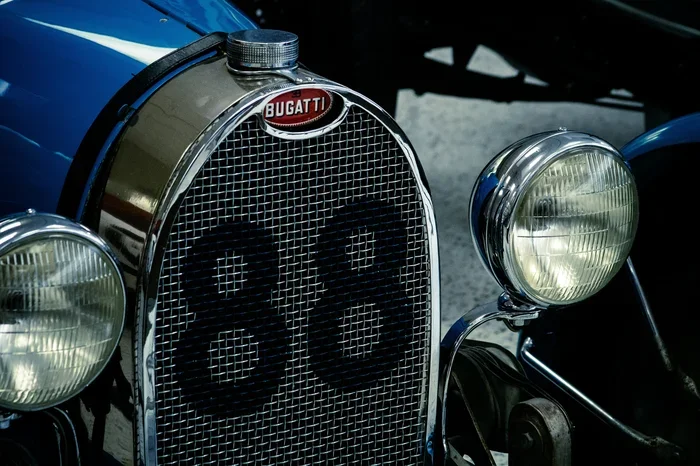
How Bugattis Horseshoe Grille Improves Aerodynamics
Bugatti’s horseshoe grille is more than a striking design element — it plays a vital role in improving aerodynamics, managing airflow, and keeping the engine cool at extreme speeds. This iconic front-end design has evolved over decades and remains central to Bugatti’s engineering philosophy. Understanding how this grille works reveals the genius behind every Bugatti supercar.
Bugatti has always been about pushing boundaries. Every curve, every line, and every vent on a Bugatti serves a purpose. Among the most recognizable features on any Bugatti is the horseshoe grille. It sits proudly at the front of the car like a signature. But there is much more to this design than meets the eye.
The Bugatti horseshoe grille is not just a stylistic choice. It is a carefully engineered component that improves aerodynamics in significant ways. From managing airflow to reducing drag, this grille plays a central role in how Bugatti supercars perform at extreme speeds. In this article, we will explore exactly how this iconic design element works and why it matters so much.
Whether you are a car enthusiast or simply curious about how supercars achieve their incredible performance, this deep dive will give you a clear understanding. We will look at the history, the engineering, and the real-world benefits of the horseshoe grille design. By the end, you will never look at a Bugatti’s front end the same way again.
Key Takeaways
- Strategic Airflow Management: The horseshoe shape directs air precisely where it is needed most.
- Engine Cooling at Speed: The grille ensures optimal cooling even at velocities over 250 mph.
- Drag Reduction: The design minimizes aerodynamic drag for better top speed and efficiency.
- Downforce Generation: The grille works with other elements to increase vehicle grip at high speeds.
- Heritage Meets Innovation: The horseshoe design has been refined across generations of Bugatti models.
- Thermal Management: Proper airflow prevents overheating in the engine and brake systems.
- Form and Function: The grille proves that beauty and performance can coexist perfectly.
📑 Table of Contents
- The Story Behind Bugatti’s Horseshoe Grille Design
- How the Horseshoe Grille Shapes Airflow
- Aerodynamic Benefits of the Horseshoe Shape
- The Engineering Behind the Grille’s Performance
- How the Grille Works with Other Aerodynamic Features
- Bugatti’s Commitment to Aerodynamic Innovation
- Common Mistakes People Make About Bugatti’s Grille
- Quick Tips: Appreciating Bugatti’s Aerodynamic Design
- Expert Insights on Supercar Aerodynamics
- Conclusion
The Story Behind Bugatti’s Horseshoe Grille Design
The horseshoe grille has been a Bugatti hallmark for many years. It first appeared on classic Bugatti models and has returned in modern iterations. The shape is unmistakable. It forms a wide, open arc at the front of the car. This design immediately sets Bugatti apart from every other automaker.
But why a horseshoe shape? The answer lies in physics and engineering. Early automotive designers discovered that the shape of a car’s front end has a huge impact on how air flows around the vehicle. A flat front creates a lot of drag. A pointed front can cause turbulence. The horseshoe shape strikes a balance. It allows air to enter smoothly while guiding it around the vehicle effectively.
Over the decades, Bugatti engineers have refined this design. Each new model brought improvements. The Bugatti Veyron introduced advanced airflow channels behind the grille. The Bugatti Chiron took this further with active aerodynamic elements. The horseshoe grille evolved from a decorative feature into a high-performance tool. Today, it is one of the most studied front-end designs in the automotive world.
A Design That Tells a Story
The horseshoe grille also carries emotional weight. It connects modern Bugatti cars to the brand’s racing heritage. Bugatti has a long history in motorsport. The grille shape pays homage to classic racing cars from the 1920s and 1930s. But it does not just look retro. It works for modern supercar aerodynamics in every way.
This blend of heritage and innovation is what makes the horseshoe grille so special. It is a design that respects the past while embracing the future. And it does all of this while improving the car’s performance on the road and track.
How the Horseshoe Grille Shapes Airflow
Understanding aerodynamics starts with understanding airflow. When a Bugatti travels at high speed, air pushes against the front of the car. Without proper management, this air creates resistance. That resistance is called drag. Drag slows the car down and forces the engine to work harder.
The horseshoe grille helps solve this problem. Its wide, curved opening allows air to enter the front of the car in a controlled manner. Instead of hitting a solid wall, air flows into the grille channels smoothly. This reduces the turbulence that normally occurs at the front of a vehicle.
Channeling Air Where It Matters
Once air enters through the grille, it needs to go somewhere. The Bugatti horseshoe grille directs this air toward critical areas. The engine needs constant cooling, especially at high speeds. The brakes also generate enormous heat during hard driving. The grille ensures that enough fresh air reaches these components.
But the grille does more than just feed air inward. It also shapes the air that flows over and around the car. The edges of the horseshoe design guide airflow along the body. This creates a smoother path for the air, which reduces drag. Less drag means better top speed and improved fuel efficiency.
The shape also creates areas of low pressure and high pressure around the front end. These pressure differences are carefully managed. They help generate downforce, which pushes the car down onto the road. More downforce means better traction and stability at extreme speeds.
The Role of Active Aerodynamics
Modern Bugatti models take airflow management even further. The Chiron features active aerodynamic elements that work alongside the grille. Shutters behind the grille can open or close automatically. At low speeds, they stay closed to reduce drag. At high speeds, they open to maximize cooling.
This smart system works because of the horseshoe grille’s design. The grille provides the perfect opening for these shutters to operate. Together, the grille and active elements create a dynamic airflow system. This system adjusts in real time based on driving conditions.
Think of it like breathing. When you are resting, you breathe lightly. When you are running, you breathe deeply. The Bugatti grille and its aerodynamic partners do the same thing. They adjust airflow based on how hard the car is working.
Aerodynamic Benefits of the Horseshoe Shape
The horseshoe shape is not random. It has been chosen for very specific aerodynamic reasons. Let us look at the key benefits this design provides.
Reduced Drag Coefficient
The drag coefficient is a measure of how much air resistance a vehicle faces. A lower drag coefficient means the car moves through the air more easily. Bugatti engineers have worked hard to minimize this number. The horseshoe grille plays a central role in this effort.
The open arc of the grille allows air to pass through rather than bounce off. This reduces the size of the low-pressure wake behind the car. A smaller wake means less drag. Less drag means the car can reach higher speeds with less effort.
Bugatti has achieved remarkable drag coefficients across its lineup. The Chiron, for example, has a drag coefficient of around 0.36. This is impressive for a car that is nearly five meters long. The horseshoe grille contributes significantly to this achievement.
Improved Cooling Efficiency
A supercar engine produces enormous amounts of heat. At top speeds, this heat can become a serious problem. The horseshoe grille ensures a steady supply of cool air reaches the engine. This keeps temperatures in check even during the most demanding driving.
The grille also helps cool the brakes. When a Bugatti brakes from top speed, the brakes can reach temperatures over 1,000 degrees Fahrenheit. The airflow managed by the grille carries heat away from the brake discs. This prevents brake fade and maintains stopping power.
Without proper cooling, a supercar’s performance drops quickly. The engine loses power when it overheats. The brakes become less effective. The horseshoe grille prevents these problems by keeping everything at the right temperature.
Enhanced Downforce
Downforce is the force that pushes a car downward onto the road. It is the opposite of lift. More downforce means the tires grip the road better. This leads to faster cornering speeds and greater stability at high velocities.
The horseshoe grille contributes to downforce in several ways. The shape creates pressure differences at the front of the car. Air moves faster over the top of the grille than under it. This speed difference creates lower pressure above and higher pressure below. The result is a net downward force.
Bugatti also uses the grille opening to direct air toward the underbody. This air flows beneath the car and helps create additional downforce through ground effect. The horseshoe grille is therefore connected to a larger aerodynamic system that works together to keep the car planted.
The Engineering Behind the Grille’s Performance
Building a grille that looks great and performs well is no simple task. Bugatti uses advanced tools and methods to develop every grille. The process combines computer simulations, wind tunnel testing, and real-world track evaluation.
Wind Tunnel Testing
Before any new Bugatti model reaches production, its grille design goes through extensive wind tunnel testing. Engineers place scale models and full-size prototypes in wind tunnels. They measure how air flows around and through the grille at various speeds.
These tests reveal exactly how the grille affects drag, cooling, and downforce. Engineers can make small adjustments and immediately see the results. This iterative process continues until every aerodynamic detail is optimized.
Wind tunnel data also helps Bugatti understand how the grille interacts with other body panels. The front bumper, hood, and headlights all influence airflow. The grille must work in harmony with all of these elements. Wind tunnel testing makes this coordination possible.
Computer-Aided Design and Simulation
Modern automotive engineering relies heavily on computer simulations. Bugatti uses advanced software to model airflow around the car digitally. These simulations, known as computational fluid dynamics or CFD, provide detailed insights into air behavior.
Engineers can test hundreds of grille variations on a computer before building a single physical prototype. They evaluate factors like air volume, velocity, and pressure distribution. This digital approach saves time and allows for more creative solutions.
The horseshoe grille has benefited enormously from these tools. Each generation of Bugatti models features a grille that is more aerodynamically refined than the last. CFD simulations have been instrumental in this continuous improvement.
Material Selection and Construction
The material used to build the grille also matters. Bugatti uses lightweight, durable materials that can withstand high-speed airflow and road debris. The grille must maintain its shape precisely. Even small deformations can disrupt airflow and reduce aerodynamic performance.
The openings in the grille are also carefully sized. Too small, and the engine does not get enough air. Too large, and drag increases. Bugatti engineers find the perfect balance through extensive testing and analysis.
The frame around the grille is equally important. It must be rigid enough to maintain the exact shape of the horseshoe under all conditions. This structural integrity ensures that the grille performs consistently, whether the car is cruising on the highway or running at full speed on a track.
How the Grille Works with Other Aerodynamic Features
The horseshoe grille does not work alone. It is part of a larger aerodynamic system that includes many other components. Understanding how these parts work together gives a fuller picture of Bugatti’s engineering approach.
The Front Bumper and Splitter
Directly below the grille sits the front bumper and splitter. The splitter is a thin, horizontal piece that extends across the bottom of the front fascia. It helps manage the air that flows under the car.
Together, the grille and splitter create a balanced airflow system. The grille feeds air to the engine and brakes. The splitter directs air under the car to generate downforce. Both elements rely on each other to perform at their best.
The Hood and Bonnet Vents
Bugatti hoods often feature vents or channels that work with the front grille. These openings allow hot air to escape from the engine bay. The horseshoe grille brings in cool air from the front. The hood vents release the heated air from the top. This creates a continuous flow of air through the engine compartment.
This airflow cycle is essential for maintaining consistent engine temperatures. It also prevents heat buildup that could affect performance. The grille initiates this cycle by providing the entry point for fresh air.
The Rear Diffuser
At the back of the car, the rear diffuser works with the front grille to create a complete aerodynamic loop. Air enters through the front, flows over and under the car, and exits through the diffuser at the rear. The diffuser accelerates this exiting air, which enhances downforce.
The horseshoe grille sets this entire process in motion. Without proper airflow at the front, the diffuser cannot work effectively. This is why every element of Bugatti’s aero system is so carefully designed and integrated.
Bugatti’s Commitment to Aerodynamic Innovation
Bugatti does not treat aerodynamics as an afterthought. It is a core part of the brand’s engineering philosophy. Every new model brings advances in how air is managed around the car. The horseshoe grille is at the center of this commitment.
The brand’s engineers constantly seek new ways to improve aerodynamic performance. They study birds, aircraft, and even marine animals for inspiration. Nature provides some of the most efficient aerodynamic shapes in existence. Bugatti applies these lessons to its car designs.
This dedication to innovation is why Bugatti remains at the top of the supercar world. The horseshoe grille is just one example of how form and function come together in a Bugatti. It is a design that is beautiful to look at and brilliant in its engineering.
Looking to the Future
As Bugatti moves toward electrification and new powertrain technologies, aerodynamics will become even more important. Electric vehicles often have different cooling needs than combustion engines. The horseshoe grille will likely evolve to meet these new demands.
Active grille shutters, adaptive airflow channels, and AI-driven aerodynamic adjustments may all play a role. Bugatti has always been a leader in automotive innovation. The horseshoe grille will continue to evolve alongside these new technologies.
One thing is certain. The horseshoe grille will remain a defining feature of Bugatti. It is too iconic and too functional to ever disappear. It represents the perfect marriage of design and engineering that the brand stands for.
Common Mistakes People Make About Bugatti’s Grille
There are several misconceptions about the horseshoe grille that are worth addressing. These myths can prevent people from truly understanding its purpose and value.
Myth 1: The grille is only for looks. While the grille is undeniably beautiful, its primary purpose is functional. Every curve and angle serves an aerodynamic function.
Myth 2: Bigger grille openings mean better performance. The size of the openings is carefully calculated. Larger is not always better. Too much opening increases drag and reduces aerodynamic efficiency.
Myth 3: The grille design is the same on every Bugatti. Each model features a unique interpretation of the horseshoe shape. The Veyron, Chiron, and newer models all have distinct grille designs tailored to their specific aerodynamic needs.
Understanding these points helps appreciate the real engineering behind the grille. It is not just a badge of luxury. It is a precision tool that contributes directly to the car’s performance.
Quick Tips: Appreciating Bugatti’s Aerodynamic Design
- Look at the full front end: The grille works with the bumper, headlights, and hood to manage airflow.
- Notice the active elements: On newer models, watch for shutters that open and close automatically.
- Study the car from the side: The airflow path starts at the front grille and continues over the body.
- Check the underbody: Flat underbody panels work with the grille to create ground-effect downforce.
- Watch for heat vents: Hood vents and rear outlets show how air moves through the car’s systems.
Expert Insights on Supercar Aerodynamics
Automotive engineers often emphasize that aerodynamics is the difference between a fast car and a truly fast car. The Bugatti horseshoe grille exemplifies this principle. It shows that even a single design element can have a profound impact on overall vehicle performance.
Experts in the field point to Bugatti’s holistic approach as a benchmark. The brand does not optimize individual parts in isolation. Every component, including the grille, is designed as part of a complete aerodynamic system. This systems-thinking approach is what sets Bugatti apart from competitors.
Dr. Frank Götzke, Bugatti’s former head of technical development, has spoken extensively about the importance of aerodynamics in their vehicles. He has highlighted how the horseshoe grille serves as the entry point for the entire airflow management system. His insights reinforce the critical role this design element plays.
For anyone interested in automotive engineering, studying the Bugatti grille is a masterclass in practical aerodynamics. It demonstrates how shape, size, position, and material all come together to create a component that is both functional and iconic.
Conclusion
The Bugatti horseshoe grille is far more than a design signature. It is a carefully engineered aerodynamic component that improves performance in multiple ways. It reduces drag, enhances cooling, generates downforce, and works seamlessly with other aerodynamic features on the car.
From its origins in Bugatti’s racing heritage to its role in modern supercars like the Chiron, the horseshoe grille has proven its worth over and over again. It represents the brand’s commitment to combining beauty with engineering excellence. Every time you see that distinctive horseshoe shape at the front of a Bugatti, you are looking at a piece of functional art.
If you have ever wondered what makes Bugatti so fast, the answer starts at the front. The horseshoe grille manages the air that the car moves through. It keeps the engine cool. It pushes the car down onto the road. And it does all of this while looking absolutely stunning. That is the power of smart aerodynamic design. The next time you see a Bugatti, take a closer look at that grille. You will see engineering genius staring right back at you.
Frequently Asked Questions
What is the purpose of Bugatti’s horseshoe grille?
The horseshoe grille serves both aesthetic and functional purposes. It manages airflow into the engine bay, reduces aerodynamic drag, and contributes to downforce generation. It also helps cool the engine and brakes at high speeds.
How does the horseshoe shape improve aerodynamics?
The horseshoe shape allows air to enter the front of the car smoothly. It reduces turbulence and drag compared to flat or pointed front designs. The curved edges guide airflow along the body, creating a more efficient path through the air.
Does the grille open and close on modern Bugatti models?
Yes, on models like the Bugatti Chiron, active grille shutters are integrated behind the horseshoe grille. These shutters open automatically when the engine needs more cooling air and close when less airflow is needed to reduce drag.
Is the horseshoe grille unique to Bugatti?
The horseshoe shape is a signature Bugatti design element. While other brands use similar shapes, Bugatti’s version is specifically engineered for its supercars’ aerodynamic and cooling requirements. It has become one of the most recognizable grille designs in automotive history.
Can the grille design affect a Bugatti’s top speed?
Yes, the grille plays a role in determining the car’s drag coefficient. A well-designed grille reduces drag, which directly contributes to higher top speeds and better overall aerodynamic efficiency. Bugatti engineers optimize every detail of the grille for this reason.
How has the horseshoe grille evolved over the years?
The grille has evolved from a simple decorative opening to a highly sophisticated aerodynamic component. Modern versions incorporate active shutters, precise vent sizing, and integration with other aero features like splitters and diffusers for maximum performance.
=== FOOTER ===
Understanding the engineering behind Bugatti’s design helps us appreciate the incredible machines these are. The horseshoe grille is a perfect example of how every detail matters in a supercar.