Does the Audi Q7 Qualify for Section 179 Tax Deductions
The Audi Q7 can qualify for Section 179 tax deductions under the right conditions. Business owners who use the Q7 for work may unlock significant tax savings. The key factors include gross vehicle weight, business use percentage, and IRS limits on luxury vehicles. Understanding these rules helps you claim the maximum deduction legally. This guide breaks down everything you need to know about Audi Q7 Section 179 eligibility.
Running a business means making smart financial moves. Every dollar you save on taxes is a dollar you can reinvest. One question many business owners ask is whether their Audi Q7 qualifies for Section 179 tax deductions. The short answer is yes, it can. But the full picture is more nuanced than you might think.
Section 179 is a powerful IRS provision that lets businesses deduct the full purchase price of qualifying equipment and vehicles in the year of purchase. For luxury SUVs like the Q7, the rules are specific but favorable under certain conditions. If you use the Q7 for work, you may be able to write off a large chunk of its cost. Let us walk through exactly how this works and what you need to know.
The Audi Q7 is a premium three-row SUV that blends comfort with capability. It seats up to seven passengers and offers strong performance, especially in its diesel variant. But beyond the luxury, there are real tax advantages for business users. Understanding these advantages starts with knowing what Section 179 actually covers and how the IRS views your specific vehicle.
Key Takeaways
- Section 179 applies to business vehicles: The Audi Q7 may qualify if used primarily for business purposes.
- Gross vehicle weight matters: The Q7’s weight can push it past the 6,000 lb threshold for higher deduction limits.
- Luxury car caps exist: The IRS limits deductions for passenger vehicles, but heavy SUVs like the Q7 can bypass some caps.
- Documentation is critical: Keep records of business mileage and use to support your deduction claim.
- Bonus depreciation can stack: You may combine Section 179 with bonus depreciation for even bigger savings.
- Consult a tax professional: Every business situation is unique, so expert advice ensures you maximize deductions.
📑 Table of Contents
- What Is Section 179 and Why Does It Matter?
- The Audi Q7: Key Specs That Affect Tax Deductions
- Does the Audi Q7 Meet Section 179 Requirements?
- How to Maximize Your Tax Deduction on an Audi Q7
- Common Mistakes Business Owners Make with Vehicle Deductions
- Final Thoughts: Is the Audi Q7 Worth the Tax Break?
What Is Section 179 and Why Does It Matter?
Understanding the Basics of Section 179
Section 179 is a tax code that allows businesses to deduct the full cost of qualifying purchases in the year they are placed in service. Instead of depreciating the asset over several years, you take one large deduction. This can significantly reduce your taxable income and lower your overall tax bill.
The Section 179 deduction applies to tangible personal property used in a trade or business. This includes computers, office furniture, and yes, vehicles. However, not every vehicle qualifies. The IRS has specific rules about what counts and what does not. Passenger cars face strict limits, but larger vehicles often get more favorable treatment.
For the Audi Q7, the vehicle’s classification is crucial. The IRS looks at gross vehicle weight rating (GVWR) to determine whether a vehicle falls under the luxury car cap or qualifies for higher deduction limits. This is where things get interesting for Q7 owners.
Who Can Claim Section 179?
Any business that purchases qualifying property can claim the Section 179 deduction. This includes sole proprietors, partnerships, corporations, and LLCs. The business must use the property more than 50% for business purposes. Personal use alone does not qualify.
The deduction cannot exceed your business’s taxable income. If your business earns 80,000 dollars, you cannot deduct 100,000 worth of vehicles. There is also an annual Section 179 limit that changes year to year. For recent tax years, the limit has been around 1.16 million dollars. This covers most business vehicles easily.
The Audi Q7: Key Specs That Affect Tax Deductions
Vehicle Weight and Classification
The Audi Q7 is a large luxury SUV. Its weight is one of the most important factors in determining Section 179 eligibility. The Q7 has a gross vehicle weight that varies by trim and engine configuration. In many configurations, the Q7 comes in at or above 6,000 pounds.
This matters because the IRS treats vehicles differently based on weight. Cars weighing under 6,000 pounds face the luxury auto depreciation limits. These caps restrict how much you can deduct in the first year. However, vehicles at or above 6,000 pounds may qualify for higher deductions under Section 179.
For context, the Q7 is similar in size to other seven and eight passenger SUVs. If you are comparing options, an 8 seater car for travelling shares some of the same tax considerations. The key is confirming the exact GVWR for your specific Q7 model and trim.
Engine Options and Fuel Economy
The Q7 offers multiple engine choices, including a powerful V6 and a fuel-efficient diesel option. The diesel variant is popular among business owners who drive long distances. Good fuel economy means lower operating costs, which complements your tax savings.
When it comes to mileage, the Q7 diesel can handle serious road trips without breaking the bank. Some might wonder if such high mileage affects deductions. The truth is that business mileage is tracked separately from fuel economy. Whether you drive 10,000 miles or 100,000 miles, the deduction is based on business use, not total mileage. Still, it is worth noting that some drivers worry about whether 000 miles a lot for a diesel engine. The answer depends on maintenance and usage patterns.
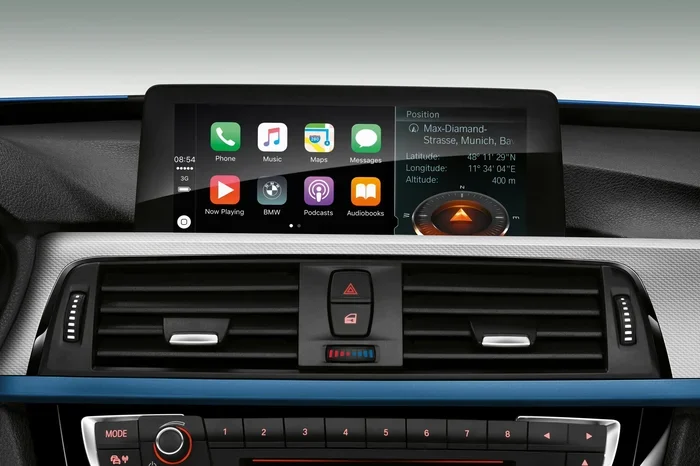
The Q7 also features a modern 7 inch display for car infotainment system that enhances the driving experience. While this does not directly affect tax deductions, it adds to the vehicle’s overall value and business appeal.
Interior Space and Business Use Cases
The Q7 offers spacious seating for up to seven people. This makes it ideal for businesses that transport clients, employees, or equipment. Companies in real estate, consulting, and field services often choose the Q7 for its blend of comfort and professionalism.
If your business regularly carries passengers or cargo, the Q7 serves double duty. The more you use it for business, the stronger your tax deduction case becomes. Keeping a detailed log of business trips is essential. This log supports your claim if the IRS ever questions your deduction.
Does the Audi Q7 Meet Section 179 Requirements?
Weight Threshold and IRS Rules
The IRS sets a clear threshold for vehicle classifications. A vehicle with a gross vehicle weight rating exceeding 6,000 pounds is classified as a truck or SUV rather than a passenger car. This distinction is critical for Section 179 deductions.
The Audi Q7 in its heavier configurations can meet or exceed this threshold. When the Q7 meets the 6,000 pound mark, it escapes the luxury car depreciation caps. This means you can potentially deduct a much larger portion of the purchase price in the first year.
However, lighter Q7 trims may fall below the threshold. In those cases, the luxury auto limits apply. These limits cap first-year depreciation at around 10,000 to 18,000 dollars depending on the year. For business owners, maximizing the deduction is the goal, so choosing the right trim matters.
Business Use Percentage
The IRS requires that you use the vehicle primarily for business. This means more than 50% of your driving must be for business purposes. Personal errands and commutes do not count toward the business use percentage.
To qualify for the full Section 179 deduction, you need solid documentation. Keep a mileage log that records every trip. Note the date, destination, purpose, and miles driven. This log is your proof if the IRS audits your return. Without it, you risk losing your deduction.
Some business owners also use the standard mileage rate method instead of actual expenses. For 2024, the rate is 67 cents per mile. This method simplifies record-keeping but may not always maximize your savings. Compare both approaches to see which works best for your situation.
Luxury Auto Depreciation Limits vs. Section 179
Passenger vehicles face what the IRS calls the luxury auto depreciation limits. These limits restrict how much you can claim each year. For vehicles that do not qualify as heavy SUVs, the caps are strict.
However, the Q7 can avoid these caps entirely if it meets the weight requirement. When the Q7 qualifies as a heavy vehicle, the luxury auto limits do not apply. This opens the door to much larger deductions under Section 179.
Here is a quick comparison of how the Q7 might be treated depending on its classification:
- Under 6,000 lbs GVWR: Luxury auto limits apply. First year deduction capped around 10,000 to 18,000 dollars.
- Over 6,000 lbs GVWR: Section 179 deduction can cover the full purchase price, up to the annual limit.
- Combined with bonus depreciation: You may deduct even more by stacking Section 179 with bonus depreciation.
How to Maximize Your Tax Deduction on an Audi Q7
Step-by-Step Deduction Process
Maximizing your Section 179 deduction for the Audi Q7 requires a clear plan. Follow these steps to ensure you get the most out of your tax benefit:
- Confirm the GVWR: Check your Q7’s sticker or owner manual for the gross vehicle weight rating. Make sure it meets or exceeds 6,000 pounds.
- Track business use: Maintain a detailed mileage log from day one. Record every business trip with date, destination, and purpose.
- Calculate the deduction: Determine the business use percentage and apply it to your Section 179 deduction calculation.
- File Form 3800: Use IRS Form 3800 to claim the general business credit and any applicable vehicle deductions.
- Keep receipts: Save all purchase documents, registration papers, and maintenance records.
Combining Section 179 with Bonus Depreciation
One of the smartest strategies for business vehicle purchases is to combine Section 179 with bonus depreciation. Bonus depreciation allows you to deduct a large percentage of the vehicle’s cost in the first year. When you layer this on top of a Section 179 deduction, the savings can be substantial.
For example, if you purchase a Q7 for 70,000 dollars and qualify for the full Section 179 deduction, you deduct the entire amount in year one. Then, bonus depreciation may allow additional deductions based on the remaining value. Together, these tools can eliminate most or all of your taxable income from the vehicle purchase.
Keep in mind that bonus depreciation rates change over time. The current rate is 60% for property placed in service after September 2022. This phase-down means you should act strategically to maximize your savings while rates are still favorable.
Timing Your Purchase
When you buy the Q7 matters for your tax deduction. The vehicle must be placed in service during the tax year you want to claim the deduction. Purchasing a Q7 in December but not placing it in service until January means you miss the current year’s deduction.
Planning your purchase around the tax calendar gives you an edge. If your business has a strong income year, a large deduction can offset a significant portion of your tax liability. Conversely, if your income is lower, you may want to wait for a more profitable year to claim the deduction.
Common Mistakes Business Owners Make with Vehicle Deductions
Failing to Track Business Miles
The most common mistake is poor record-keeping. Without a mileage log, you cannot prove your business use percentage. The IRS requires documentation. A simple spreadsheet or mobile app can make this process effortless. Do not rely on memory. You will forget trips and miscalculate your deduction.
Ignoring the GVWR Threshold
Many business owners assume their luxury SUV qualifies for the best deductions without checking the weight. The Audi Q7 is a large vehicle, but not every trim meets the 6,000 pound threshold. Always verify the exact GVWR for your specific configuration before claiming deductions.
Confusing Personal and Business Use
Using the Q7 for both personal and business purposes is common. But if more than 50% of your driving is personal, you cannot claim the full Section 179 deduction. The IRS is strict about this rule. Mixing personal commutes with business trips can reduce your deduction or disqualify you entirely.
Overlooking the Luxury Auto Cap
Even when a vehicle qualifies for Section 179, the luxury auto depreciation limits can still apply in some cases. Understanding the interaction between these rules prevents surprises at tax time. Consult a tax professional if you are unsure how these limits affect your specific situation.
Final Thoughts: Is the Audi Q7 Worth the Tax Break?
The Audi Q7 is a premium vehicle that delivers luxury, performance, and practicality. For business owners, it also offers a genuine opportunity for meaningful tax savings through Section 179 deductions. The key is understanding the rules and planning your purchase accordingly.
By confirming the Q7 meets the weight threshold, tracking business use meticulously, and combining deduction strategies, you can unlock significant tax benefits. The Section 179 deduction can turn a luxury SUV purchase into a smart business investment.
Remember that every business situation is different. What works for one owner may not work for another. Consulting a qualified tax professional ensures you make the best decision for your specific circumstances. The Q7 is an excellent vehicle, and with the right approach, it can deliver value far beyond the road.
Take the time to understand the rules, keep your records organized, and plan your purchase strategically. The Audi Q7 Section 179 deduction can save you thousands of dollars. That is money you can reinvest in your business, hire new team members, or simply keep more of your hard-earned profit.
Frequently Asked Questions
Can I claim Section 179 on a leased Audi Q7?
Yes, you can claim a Section 179 deduction on a leased vehicle if you are the lessee and the vehicle is used for business. However, the rules for leased vehicles differ slightly from purchased ones. You must be responsible for the lease payments and use the vehicle more than 50% for business. Consult your tax advisor for specific guidance on leased Q7 deductions.
What is the maximum Section 179 deduction for 2024?
The Section 179 deduction limit for 2024 is 1,160,000 dollars. This is the maximum amount you can deduct for qualifying business property, including vehicles. However, the deduction cannot exceed your business’s taxable income. Any amount above your income carries forward to the next tax year.
Does the Audi Q7 diesel qualify for higher deductions?
The engine type does not directly affect Section 179 eligibility. What matters is the vehicle’s gross vehicle weight rating and business use percentage. The Q7 diesel offers excellent fuel economy and torque, making it a strong choice for business use. But the tax deduction is based on weight and usage, not engine type.
What happens if I use the Q7 50% for business and 50% for personal?
If your business use is exactly 50%, you may still qualify for a partial Section 179 deduction. The deduction is reduced by your personal use percentage. However, the IRS generally requires more than 50% business use for the full deduction. Keeping a detailed mileage log helps you calculate the exact deduction amount.
Can I combine Section 179 with other tax deductions for the Audi Q7?
Yes, you can stack Section 179 with bonus depreciation and other vehicle-related deductions. This strategy maximizes your tax savings in the year of purchase. For example, you might take the Section 179 deduction for the full purchase price and then apply bonus depreciation on any remaining basis. A tax professional can help you optimize this combination.
Is the Audi Q7 considered a luxury vehicle for tax purposes?
The Q7 is a luxury SUV in terms of its price and features. However, for tax purposes, the IRS classifies vehicles based on weight, not price or brand. If the Q7 meets the 6,000 pound GVWR threshold, it escapes the luxury auto depreciation limits. This is why checking your specific model’s weight is so important for Section 179 qualification.
=== CONCLUSION ===
The Audi Q7 is more than a luxury SUV. For business owners, it is a potential vehicle for significant tax savings through Section 179 deductions. The path to qualifying involves understanding the weight thresholds, maintaining solid business use records, and planning your purchase strategically.
By following the steps outlined in this guide, you position yourself to claim the maximum deduction legally. From confirming the GVWR to combining Section 179 with bonus depreciation, every step counts. The Section 179 deduction can transform your Q7 purchase from a luxury expense into a powerful business tax strategy.
Take action today. Review your Q7 specifications, start tracking your business miles, and talk to a tax professional about your options. The savings are real, and they are waiting for you. A smart Audi Q7 Section 179 strategy pays for itself many times over.