Can a Car Seat Go in the Middle Here is Why It Matters
The rear middle seat is widely considered the safest spot for a car seat because it offers the most distance from impact points in a crash. However, not every vehicle allows a car seat in the center due to belt design, LATCH availability, and seat shape. Always check your vehicle owner manual and test the fit before committing to the middle position.
You want the best for your child on every drive. That means finding the safest spot in your car for their car seat. Many parents assume the back seat is the answer. But within the back seat, where exactly should the car seat go? The middle spot often comes up in conversations with other parents. And it sparks a lot of questions. Is it really safer? Can every car seat fit there? What if your belt is the wrong type? This guide answers all of that and more. You will learn why the middle seat matters, how to check if your car supports it, and what to do when the center is not an option.
The rear middle seat has a strong reputation in the car seat safety world. Crash data consistently shows that the center rear position reduces injury risk. But the middle seat is not always practical. Vehicle design varies a lot. Some cars give you a perfect center setup. Others make it nearly impossible. The key is knowing what to look for. Car seat placement is one of the most overlooked safety decisions parents make. A few minutes of research can make a huge difference.
Key Takeaways
- The middle rear seat is the safest position: It keeps your child farthest from side impacts and crash forces.
- Not all cars support middle car seats: Some lack a three-point belt or LATCH anchors in the center.
- A tight fit is non-negotiable: The car seat should not move more than one inch side to side or front to back.
- Consult your vehicle manual first: It tells you exactly where LATCH anchors and seat belts are located.
- Booster seats also benefit from the middle: Older kids gain extra protection sitting in the center too.
- Professional installation helps: A certified technician can confirm your setup is correct.
📑 Table of Contents
- Why the Middle Seat Is Considered the Safest Spot
- Can Every Car Seat Fit in the Middle?
- How to Check If Your Car Supports a Middle Car Seat
- When the Middle Seat Is Not an Option
- Common Mistakes Parents Make with Middle Car Seat Placement
- Expert Insights on Rear Middle Car Seat Safety
- Final Thoughts on Car Seat Middle Seat Placement
Why the Middle Seat Is Considered the Safest Spot
Let us start with the big question. Why do safety experts love the middle rear seat? The answer comes down to physics. In a side impact crash, the forces hit the sides of the vehicle first. A child sitting in the middle is farthest from both doors. That extra distance absorbs energy before it reaches your child. Think of it like being in the center of a room during a storm. The walls take the hit first. You stay safer in the middle.
Front crashes are the most common type of accident. In these cases, the rear seats stay behind the crumple zone. The front of the car absorbs the impact. Your child in the back is already protected. But the middle position adds another layer of protection. It keeps your child away from the intrusion zone on either side. This is true for both side impact crashes and angled collisions.
The Science Behind Rear Middle Placement
Studies from the Insurance Institute for Highway Safety support the middle seat advantage. Children in the center rear seat have a lower risk of serious injury compared to those on either side. The numbers are not tiny either. Some studies show a meaningful reduction in injury rates. The center position simply gives your child more room to ride out a crash safely.
Another factor is the three-point seat belt. Most modern cars have a lap and shoulder belt in the middle rear seat. This belt design is ideal for car seat installation. A lap-only belt can make installation tricky and less secure. Always confirm your middle seat has a proper three-point belt before placing a car seat there.
Can Every Car Seat Fit in the Middle?
Here is where things get tricky. Just because the middle seat exists does not mean every car seat fits. Vehicle seat shapes differ a lot. Some cars have a narrow middle seat with a high center console. Others have a flat, wide surface that welcomes a car seat with open arms. The fit depends on your specific vehicle model and the car seat you choose.
Before buying a car seat, test it in your car. Bring the seat to the dealership or try it in the parking lot. Place it in the middle position and check the belt path. Does the seat belt or LATCH strap route cleanly? Is there enough room on either side? These details matter more than most people realize. A poorly fitting car seat is a safety risk no parent wants to take.
5 Seater Cars and the Middle Seat Challenge
If you drive a 5 Seater Cars In India, the middle seat can be a tight squeeze. Many 5-seater models have a fixed armrest in the center. The seat cushion might also be narrower. These design choices make car seat installation harder. You may need to remove the armrest or adjust the seat cushion to get a proper fit. Always measure the middle seat before purchasing a car seat.
Some 5-seater cars come with a disconnectable center seat belt. This is a great feature for car seat parents. You can unplug the belt and use it for the car seat installation. Other models only have a lap belt in the middle. Lap belts alone are not ideal for forward-facing car seats. Check your manual to understand what belt type your middle seat offers.
7 Seater and Larger Vehicles Offer More Flexibility
Larger vehicles give you more options. If you own a 7 Seater Cars In Pune or a similar SUV, the middle seat in the second row is often wider and flatter. These vehicles are designed with family comfort in mind. The center seat in a 7-seater typically has a three-point belt and a low-profile center console. This makes car seat installation much easier compared to a compact 5-seater sedan.
For bigger families, a 10 Seater Family Car In India offers even more room. The third-row middle seat can work for younger children in booster seats. But the second-row center remains the gold standard for infants and toddlers. Always prioritize the second-row middle seat when it is available. The third row is better than the front seat, but it is not as protective as the second row center.
How to Check If Your Car Supports a Middle Car Seat
You now know the middle seat is the safest option. But how do you confirm your car supports it? The answer is simpler than you think. Your vehicle owner manual is the first place to look. It will tell you which rear seats have LATCH anchors and what type of seat belt each position uses.
Here is a quick checklist to follow:
- Check if the middle rear seat has a three-point seat belt
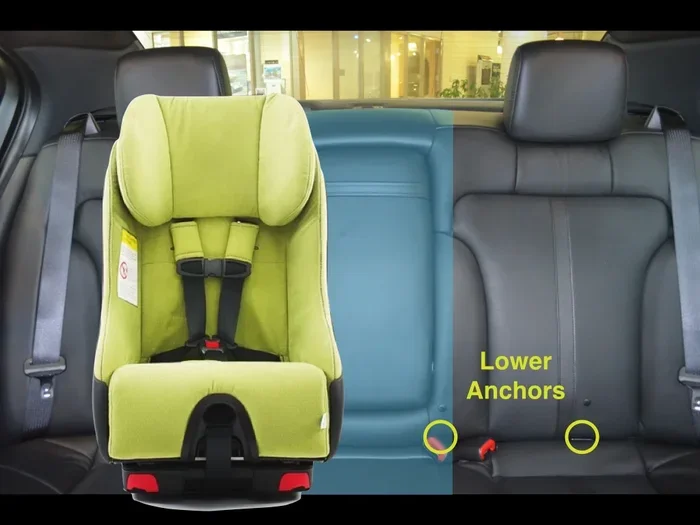
- Look for LATCH anchors in the center seat position
- Measure the seat width and cushion depth
- Check for a center armrest or console that blocks installation
- Verify the seat belt length is long enough for proper routing
- Test the car seat fit before every long trip
If your car does not have LATCH anchors in the center, you can still use the seat belt method. Seat belt installation works well when done correctly. The key is making sure the belt locks during installation. Many newer cars have a switchable retractor that locks the belt when fully extended. This feature makes seat belt car seat installation much easier and more secure.
Common Vehicles and Their Middle Seat Setup
Different vehicle types handle the middle seat differently. Sedans often have a narrower center seat with a console. SUVs and crossovers tend to offer wider, flatter middle seats. Minivans are the champions of middle seat car seat fit. Their wide rear doors and flat cabin floors make installation a breeze. If you are shopping for a family vehicle, pay close attention to the middle seat dimensions.
An 8 Seater Car For Travelling with a spacious second row can often fit two car seats plus a booster in the middle. This is a huge advantage for families with multiple children. The extra width gives each seat room to sit firmly without overlapping. Always test the fit with all seats installed before making a purchase decision.
When the Middle Seat Is Not an Option
Sometimes the middle seat simply does not work. Maybe your car has a lap-only belt. Or the center console is too wide. Perhaps you have multiple car seats and need to use both outboard positions. Whatever the reason, the middle seat being unavailable does not mean your child is unsafe. The back seat is still the safest place for any child under 13.
If you must place the car seat on either side of the rear seat, follow these tips:
- Install the car seat as tightly as possible
- Use a locked-seat-belt or LATCH system correctly
- Ensure the seat does not move more than one inch in any direction
- Position the seat away from the door side when possible
- Consider a 7 Seater Car Under 8 Lakh with better center seat features for your next vehicle
Side airbags can also affect your decision. Some vehicles have side curtain airbags that deploy from the roof rail. These protect both the outboard and center seats. Other cars have torso airbags built into the seat or door. Check if your airbags can be deactivated if a car seat must sit next to a door. Safety always comes first.
Tips for Installing a Car Seat on the Side Position
When you place the car seat on the left or right rear seat, pay extra attention to the belt path. Make sure the seat belt or LATCH strap routes through the correct guides on the car seat. Pull the belt tight until the seat feels snug. You should not be able to tilt the seat with firm pressure at the belt path. A loose car seat is a danger in any crash.
If your child faces forward, check the top tether. This strap connects to an anchor point behind the seat. It prevents the car seat from pitching forward in a crash. Top tethers are often overlooked but they make a big difference. Always use one whenever your vehicle and car seat support it.
Common Mistakes Parents Make with Middle Car Seat Placement
Even well-meaning parents can make mistakes when installing a car seat in the middle. Awareness is your best defense. Here are the most common errors and how to avoid them.
Mistake 1: Assuming the middle seat always has LATCH anchors. Many cars only have LATCH anchors on the outboard seats. The center seat may not have any. Always check your manual before assuming.
Mistake 2: Ignoring the seat belt type. A lap-only belt in the middle seat is not safe for a forward-facing car seat. You need a three-point belt for proper installation and crash protection.
Mistake 3: Forcing a car seat that does not fit. If the seat wobbles or the belt does not route correctly, do not force it. Try a different car seat model or use the side position instead.
Mistake 4: Skipping the tightness check. A car seat that moves more than one inch at the belt path is not installed correctly. Go back and tighten it. This step takes seconds but saves lives.
Mistake 5: Placing a rear-facing seat next to an active airbag. Never put a rear-facing car seat in the front seat if the airbag is active. The force of a deploying airbag can seriously injure or kill an infant in a rear-facing seat.
Quick Tips for a Perfect Car Seat Fit
- Do the inch test after every installation
- Use a rolled towel or pool noodle to fill gaps if needed
- Have a certified technician inspect your setup
- Re-check the fit every few months as your child grows
- Never add aftermarket products not approved by the car seat manufacturer
Expert Insights on Rear Middle Car Seat Safety
Certified Child Passenger Safety Technicians consistently recommend the rear middle seat as the first choice. Their reasoning is clear and backed by data. The center position provides the most protection from all crash types. It keeps your child away from the point of impact on either side of the vehicle.
Experts also emphasize that the correct installation matters more than the exact seating position. A perfectly installed car seat on the side is safer than a loose car seat in the middle. So if the middle seat does not work for your vehicle, do not stress. Focus on getting a tight, correct installation wherever you place the seat.
Another expert tip is to register your car seat with the manufacturer. This ensures you receive recall notices if any issues arise. A recalled car seat may not provide the protection you expect. Registration takes just a few minutes and can make a big difference in your child’s safety.
What the Research Says
Multiple studies have compared injury rates for children in different rear seat positions. The data consistently favors the center position. Children in the middle rear seat experience fewer injuries in side impact crashes. The reduction is significant enough that safety organizations recommend the middle seat whenever possible.
However, researchers also stress that the best car seat position is the one that is installed correctly and used every single trip. Consistency matters more than perfection. A properly installed car seat on the side of the rear seat still provides excellent protection for your child.
Final Thoughts on Car Seat Middle Seat Placement
Placing a car seat in the middle of the rear seat is the safest choice in most vehicles. It gives your child the most distance from crash forces and side impacts. But it is not always possible. Vehicle design, belt type, and seat shape all play a role in whether the middle seat works for your car seat.
The most important thing is this: your child must ride in a properly installed car seat in the back seat. Whether that is the middle or one of the sides, the back seat is always safer than the front. Take the time to test the fit, read your vehicle manual, and get professional help if you need it.
Safety is not about perfection. It is about making the best choices you can with the vehicle you have. A correctly installed car seat in any rear position protects your child far better than no car seat at all. So do what works for your family, keep the installation tight, and enjoy peace of mind on every drive.
Frequently Asked Questions
Is the middle rear seat really the safest place for a car seat?
Yes, crash data consistently shows that the rear middle seat offers the best protection. It keeps your child farthest from side impacts and crash forces on either side of the vehicle. However, the safest spot is the one where the car seat fits tightly and is installed correctly.
What if my car only has a lap belt in the middle seat?
A lap-only belt is not ideal for most car seats, especially forward-facing ones. You can still use the middle seat for a rear-facing infant seat in some cases. But for the best safety, consider placing the car seat on a side seat with a three-point belt instead.
Can I use LATCH anchors in the middle seat for car seat installation?
Some vehicles have LATCH anchors in the center seat. Check your vehicle owner manual to confirm. If your car does not have center LATCH anchors, you can still install the car seat using the seat belt method, which works well when done correctly.
What should I do if the car seat wobbles in the middle seat?
A wobbly car seat is not safe. Try adjusting the seat belt routing or using a different installation angle. If the middle seat is too narrow or curved for your car seat model, switch to a side rear seat position where the fit is tighter and more secure.
Does the middle seat work for booster seats too?
Yes, booster seats can also benefit from the middle position. The extra distance from side impacts helps older children too. Just make sure the vehicle seat belt fits the booster correctly across your child’s shoulder and lap when seated in the middle.
How do I know if my car seat is installed tightly enough?
Perform the inch test. Grab the car seat at the belt path and try to move it side to side and front to back. It should not move more than one inch in any direction. If it does, tighten the belt or LATCH straps and test again.
=== CONCLUSION ===
The question of whether a car seat can go in the middle does not have a one-size-fits-all answer. It depends on your vehicle, your car seat, and the belt or LATCH setup in your rear seats. But the general rule holds strong: the rear middle seat is the safest option when it works. It gives your child the most protection from all angles of a crash.
Take the time to check your vehicle manual, test the car seat fit, and ensure a tight installation. If the middle seat is not an option, the side rear seats are still a safe choice. The most important thing is that your child rides correctly restrained on every single trip. A little effort today protects your child for years to come.
Stay informed, stay safe, and trust your instincts as a parent. You are doing a great job by asking these questions and seeking the best for your child.