Are Volkswagen Vehicles Really Expensive to Maintain
So, are Volkswagen vehicles expensive to maintain? The answer depends on the model, age, and how well you care for it. Volkswagen maintenance cost can be moderate compared to other German brands, but it still demands regular attention and smart budgeting. This guide breaks down everything you need to know about VW repair costs, common issues, and money-saving tips to keep your car in top shape.
When you buy a Volkswagen, you are choosing a car that blends German engineering with everyday practicality. But the question that often comes up is simple: are Volkswagen expensive to maintain? The truth is, owning a VW involves some real costs, but they are not as scary as many people think. With the right knowledge, you can keep your Volkswagen running smoothly for years without draining your wallet.
In this guide, we will look at every angle of Volkswagen maintenance cost. From routine oil changes to major repair bills, we will cover it all. Whether you drive a new Golf or a used Jetta, this article will help you understand what to expect. We will also share practical tips to reduce your expenses and avoid common money traps.
If you are comparing cars in the 5 to 8 lakh car segment, Volkswagen models often stand out for their build quality and features. But it is important to look beyond the sticker price. The real cost of ownership includes fuel, insurance, parts, and service. Let us dive in and break it all down.
Key Takeaways
- Volkswagen maintenance cost is moderate: VW cars cost less to maintain than BMW or Mercedes but more than Japanese brands like Toyota or Honda.
- Routine service keeps costs low: Staying on top of oil changes, brake pads, and tire rotations prevents expensive repairs later.
- Older VWs are cheaper to fix: Parts for older models are widely available and affordable, especially for popular models like the Golf and Jetta.
- Common issues include electrical problems: Wiring faults, sensor failures, and coolant leaks are frequent in aging Volkswagens.
- DIY repairs save money: Simple tasks like air filter replacements and fluid top-ups can be done at home with basic tools.
- Warranty coverage helps: New Volkswagens come with factory warranties that cover major repairs for the first few years.
- Choosing the right model matters: Some Volkswagen models, especially those in the 7 to 8 lakh car range, offer better long-term value.
📑 Table of Contents
- Understanding Volkswagen Maintenance Cost
- Common Volkswagen Repairs and Their Costs
- How to Reduce Volkswagen Maintenance Costs
- Volkswagen Reliability: What the Data Says
- Electrical Accessories and Their Maintenance
- The Long-Term Cost of Owning a Volkswagen
- When Volkswagen Maintenance Becomes Expensive
- Expert Tips for Volkswagen Owners
- Are Volkswagen Expensive to Maintain? Final Verdict
Understanding Volkswagen Maintenance Cost
The Volkswagen maintenance cost varies a lot depending on the model, year, and where you live. A brand-new VW will have different expenses than a 10-year-old Golf. Location matters too. Labor rates in big cities are higher than in smaller towns. Let us look at the numbers more closely.
What Does Routine Maintenance Cost?
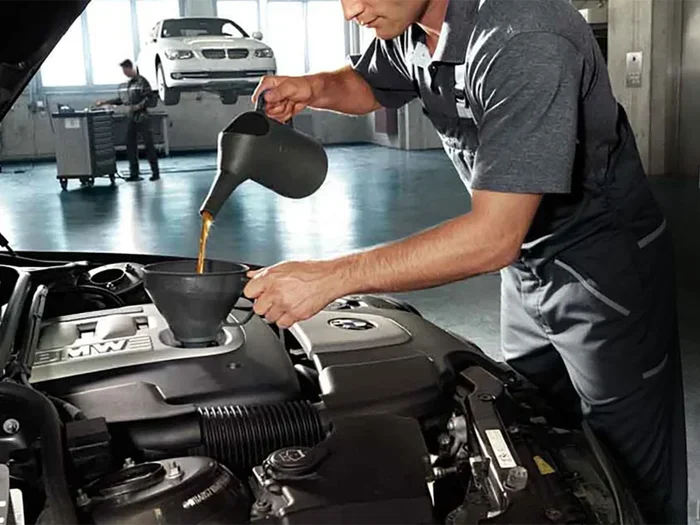
Routine maintenance is the backbone of keeping any car healthy. For a Volkswagen, this includes oil changes, brake inspections, tire rotations, and fluid top-ups. On average, a basic service for a VW costs between $150 and $300 at a dealership. Independent shops often charge less, sometimes around $100 to $200.
Here is a quick look at typical routine service costs:
- Oil change: $50 to $100
- Brake pad replacement: $150 to $300 per axle
- Tire rotation: $30 to $50
- Air filter replacement: $20 to $40
- Cabin filter replacement: $30 to $60
- Coolant flush: $80 to $150
These numbers are for general guidance. Your actual cost may differ based on the model and engine type. Diesel Volkswagen models sometimes cost more to service because of the complex fuel injection system. But for most petrol VWs, routine maintenance stays quite affordable.
How Does Volkswagen Compare to Other Brands?
Many car buyers wonder how VW maintenance stacks up against competitors. Here is a simple comparison of annual maintenance costs across popular brands:
- Toyota: $400 to $600 per year (lowest)
- Honda: $450 to $650 per year
- Volkswagen: $600 to $900 per year (moderate)
- BMW: $900 to $1,500 per year (highest)
- Mercedes-Benz: $1,000 to $1,800 per year (highest)
As you can see, Volkswagen sits in the middle of the pack. It costs more than Japanese brands but less than premium German rivals. This makes VW a solid choice for buyers who want European quality without the highest price tag. If you are looking at cars in the 7 to 8 lakh price range, Volkswagen offers strong value for money.
Common Volkswagen Repairs and Their Costs
Every car has its weak spots, and Volkswagen is no exception. Some repairs come up more often than others. Knowing these common issues helps you prepare and budget ahead. Let us look at the most frequent Volkswagen repair bills.
Electrical Problems
Electrical issues are the number one complaint among VW owners. As cars age, wiring harnesses can corrode, sensors fail, and electronic modules glitch. Common electrical problems include faulty dashboard lights, malfunctioning window regulators, and sensor errors. Fixing these issues can cost anywhere from $100 for a simple sensor to $500 or more for complex wiring repairs.
Older Volkswagen models from the 2000s are especially prone to electrical gremlins. The good news is that most of these problems are not dangerous. They are annoying and inconvenient, but usually not expensive to fix if caught early. Regular diagnostics at a trusted shop can catch small issues before they grow into big bills.
Coolant and Heating System Leaks
Volkswagen engines are known to develop coolant leaks over time. The most common culprits are the water pump, thermostat housing, and radiator seals. A coolant leak might start as a small puddle under your car, but if ignored, it can lead to engine overheating and serious damage.
Fixing a coolant leak typically costs between $150 and $400, depending on the source. Replacing a water pump alone can run $300 to $500. The key is to check your coolant level regularly and address any drops immediately. This simple habit can save you from a very expensive engine repair down the road.
Suspension and Steering Components
Volkswagen cars are built for a smooth, firm ride. But the suspension components wear out over time. Common replacements include shock absorbers, control arm bushings, and tie rod ends. These parts are not cheap, but they are essential for safety and handling.
Replacing a set of shock absorbers on a VW Golf might cost $400 to $700 for parts and labor. Control arm bushings can add another $200 to $400. Regular alignment checks after suspension work help your tires last longer and keeps your car driving straight.
Timing Belt Replacement
This is one of the most important maintenance items for many Volkswagen engines. The timing belt ensures the engine valves open and close at the right time. If it breaks, the engine can suffer catastrophic damage. Most Volkswagen manufacturers recommend replacing the timing belt every 60,000 to 100,000 miles.
The cost for a timing belt replacement ranges from $500 to $900. It sounds expensive, but it is far cheaper than rebuilding an engine after a belt failure. Think of it as insurance for your engine. Do not skip this service, no matter how tempting it might be to delay it.
How to Reduce Volkswagen Maintenance Costs
The good news is that there are many ways to keep your Volkswagen maintenance cost down. With a little planning and smart choices, you can save hundreds of dollars every year. Here are the best strategies that actually work.
Stick to the Maintenance Schedule
Your Volkswagen comes with a detailed maintenance schedule in the owner’s manual. Follow it. This sounds obvious, but many owners skip services or stretch intervals too far. Regular oil changes, brake inspections, and fluid replacements keep small problems from turning into big ones.
Set a reminder on your phone for every service interval. Keep a log book or use a car maintenance app. When you stay on top of scheduled services, your car runs better and lasts longer. This alone can reduce your overall maintenance cost by 20 to 30 percent.
Choose the Right Mechanic
You do not always have to go to a Volkswagen dealership for service. Independent mechanics who specialize in European cars often charge much less. They have the same diagnostic tools and technical training as dealership technicians.
Look for a shop with certified technicians who have experience with VWs. Ask friends, check online reviews, and visit the shop before you need major work. A good relationship with a trusted mechanic saves you money and stress. You can also find affordable parts online instead of buying from the dealership markup.
Do Simple Jobs Yourself
Not every repair needs a professional. Many routine maintenance tasks are simple enough to do at home. Changing your air filter, cabin filter, and engine oil are all jobs you can learn in under an hour. You will need basic tools and a clean workspace, but the savings are real.
Here are some easy DIY tasks for Volkswagen owners:
- Air filter replacement: Takes 10 minutes and costs under $20 for the part.
- Cabin filter replacement: Usually located behind the glove box. Easy to access.
- Windshield wiper blades: A quick 5-minute swap that costs $15 to $30.
- Battery terminal cleaning: Use baking soda and water to prevent corrosion.
- Fluid top-ups: Coolant, brake fluid, and washer fluid are simple to add.
These small jobs add up to real savings over the life of your car. Just make sure you follow safety guidelines and dispose of fluids properly.
Buy Parts Smart
Volkswagen parts can be expensive, especially when purchased through a dealership. But there are alternatives. Aftermarket parts from reputable brands like Bosch, Lemforder, and Sachs offer the same quality at a fraction of the cost.
You can also look for OEM (Original Equipment Manufacturer) parts online. Many online retailers sell genuine Volkswagen parts at lower prices than dealerships. Just make sure the parts are compatible with your specific model and year. A quick check of your VIN number before ordering saves time and prevents returns.
Volkswagen Reliability: What the Data Says
Reliability is a huge factor in long-term maintenance costs. The more reliable a car is, the less you spend on repairs. So, how do Volkswagens score on reliability?
Newer Models (2015 and Newer)
Recent Volkswagen models have improved significantly in terms of reliability. The MQB platform, introduced around 2012, brought better engineering and fewer recurring problems. Models like the Volkswagen Golf, Jetta, and Tiguan from this era are generally dependable and require fewer visits to the mechanic.
Consumer Reports and J.D. Power ratings give newer Volkswagens above-average reliability scores. Common issues are minor, such as infotainment glitches or occasional sensor errors. These are not deal-breakers, but they can be frustrating.
Older Models (Pre-2010)
Older Volkswagen models are a mixed bag. Some, like the classic Golf and Jetta from the 1990s and early 2000s, are incredibly durable and simple to repair. Others, particularly models from the mid-2000s, had more electrical and emissions-related problems.
If you are buying a used Volkswagen, always get a pre-purchase inspection from a qualified mechanic. Check for signs of rust, oil leaks, and electrical issues. A well-maintained older VW can be just as reliable as a new one, but it requires more attention to detail.
Electrical Accessories and Their Maintenance
Modern Volkswagens come packed with electrical features. From power windows to infotainment systems, these accessories add convenience but also add complexity. Understanding how to maintain them can save you money and headaches.
Car Inverters and Power Accessories
Many Volkswagen owners use car inverters to charge laptops, phones, and other devices on the go. A 12V to 230V car inverter is a popular accessory that turns your car’s DC power into AC power. These inverters are relatively affordable, but they do draw power from your engine.
To keep your electrical system healthy, follow these tips:
- Do not overload the inverter: Stick to the wattage rating listed on the device.
- Turn it off when the engine is off: Running an inverter with the engine off drains your battery quickly.
- Check connections regularly: Loose wiring can cause power fluctuations and damage to connected devices.
- Use a surge protector: This protects your electronics from voltage spikes.
Taking care of your car’s electrical accessories extends their life and protects your vehicle’s electrical system. A well-maintained electrical system also means fewer unexpected breakdowns and repair bills.
Power Sockets and Charging Ports
Volkswagen cars come with standard 12V power sockets for accessories. Over time, these sockets can loosen, corrode, or stop working. Replacing a faulty socket is usually simple and inexpensive, costing around $30 to $60 for the part and labor.
If you need to adapt your socket for different plug types, a 12V car socket to 3 pin adapter can be a handy solution. These adapters let you use standard three-pin plugs in your car’s 12V socket. They are affordable and widely available online.
Keeping your power sockets clean and secure ensures all your electrical accessories work reliably. A simple wipe-down and tightening of connections every few months goes a long way.
The Long-Term Cost of Owning a Volkswagen
When we talk about whether Volkswagen is expensive to maintain, we need to look at the bigger picture. Long-term ownership cost includes depreciation, fuel, insurance, and maintenance. Let us break this down for a typical Volkswagen owner.
Depreciation
Volkswagen cars depreciate at a moderate rate. A new Golf might lose 15 to 20 percent of its value in the first year and about 40 to 50 percent over five years. This is better than many luxury brands but not as good as Toyota or Honda. The good news is that used Volkswagen models hold their value reasonably well, especially popular ones like the Golf and Tiguan.
Fuel Costs
Volkswagen engines are generally fuel-efficient, especially the TDI diesel models and newer turbocharged petrol engines. A Golf TDI can deliver 45 to 55 miles per gallon on the highway. Even the petrol models are respectable, with most averaging 25 to 35 mpg in mixed driving. Fuel costs depend heavily on your driving habits and local petrol prices.
Insurance Costs
Volkswagen insurance costs are moderate. The brand is not as expensive to insure as BMW or Mercedes, but it costs more than economy Japanese brands. Your insurance premium depends on your location, driving record, and the specific model. A Volkswagen Polo or Golf will generally have lower insurance costs than a larger SUV like the Tiguan or Touareg.
When Volkswagen Maintenance Becomes Expensive
There are times when Volkswagen maintenance costs spike. Knowing when these happen helps you prepare financially. Here are the situations where costs can climb quickly.
- Major engine repairs: Timing chain issues or turbocharger failures can cost $1,000 to $3,000.
- Transmission problems: DSG transmission repairs are among the most expensive, ranging from $1,500 to $4,000.
- Bodywork and rust repair: Rust on wheel arches or sills can cost $500 to $2,000 to repair properly.
- Electrical system overhaul: Replacing a central gateway module or instrument cluster can exceed $1,000.
- Air conditioning compressor failure: Repair costs typically range from $500 to $1,200.
The best way to avoid these high-cost scenarios is consistent maintenance. A well-cared-for Volkswagen rarely needs these expensive repairs. Regular inspections catch problems early, when they are still affordable to fix.
Expert Tips for Volkswagen Owners
We asked experienced Volkswagen mechanics and long-term owners for their top money-saving tips. Here is what they had to say.
- Never ignore warning lights. That check engine light or coolant warning is your car talking to you. Address it immediately to prevent small issues from becoming big repairs.
- Use quality parts. Cheap aftermarket parts might save money upfront but can cause problems later. Stick with reputable brands or OEM parts for critical components.
- Keep a maintenance log. A detailed record of every service and repair helps you track costs and spot patterns. It also boosts resale value.
- Warm up your car gently. Avoid revving a cold engine. Let it idle for 30 seconds to a minute before driving off gently. This reduces engine wear significantly.
- Wash your car regularly. Road salt, dirt, and grime cause rust and corrosion. A regular wash, especially under the wheel arches, protects your car’s body and frame.
- Join a VW owner community. Online forums and local clubs are goldmines of advice. Experienced owners share tips, recommend good mechanics, and warn about known issues specific to your model.
Following these expert tips consistently can reduce your Volkswagen maintenance cost by a meaningful amount over the years. They are simple habits that make a big difference.
Are Volkswagen Expensive to Maintain? Final Verdict
So, are Volkswagen vehicles really expensive to maintain? The answer is nuanced. Volkswagen maintenance cost falls in the moderate range. It is higher than Japanese brands like Toyota and Honda but lower than premium German brands like BMW and Mercedes. For the quality, driving experience, and features you get, the maintenance cost is reasonable.
The key factor is how well you maintain your car. A Volkswagen that receives regular, timely service will be far cheaper to own than one that is neglected. Stick to the maintenance schedule, choose a good mechanic, and handle small repairs promptly. These habits keep your Volkswagen reliable and your costs predictable.
If you are shopping for a new or used Volkswagen, consider models in the 5 to 8 lakh car segment for the best balance of features and long-term value. These models offer the German engineering you want at a price that keeps ongoing costs manageable.
In the end, owning a Volkswagen is a rewarding experience. The driving pleasure, solid build quality, and timeless design make it all worth it. Just go in with realistic expectations about maintenance costs, and you will be a happy Volkswagen owner for many years to come.
Frequently Asked Questions
What is the average annual Volkswagen maintenance cost?
On average, Volkswagen owners spend between $600 and $900 per year on maintenance. This includes routine services like oil changes, brake inspections, and fluid replacements. The exact cost depends on your model, age, and driving habits. Staying on top of scheduled services keeps costs on the lower end of this range.
Are Volkswagen parts expensive compared to other brands?
Volkswagen parts cost more than Toyota or Honda parts but less than BMW or Mercedes parts. Aftermarket parts from brands like Bosch and Lemforder offer good quality at lower prices. Buying online can also save you 20 to 30 percent compared to dealership pricing. Always verify part compatibility with your specific model before ordering.
How often should I service my Volkswagen?
Most Volkswagen models require service every 10,000 to 15,000 miles or once a year, whichever comes first. The exact interval is listed in your owner’s manual. Diesel models may need more frequent service due to the complexity of the fuel system. Following the recommended schedule is the best way to prevent costly repairs.
Is it cheaper to maintain a Volkswagen at an independent shop or a dealership?
Independent shops are generally cheaper for Volkswagen maintenance. They charge lower labor rates and often use aftermarket parts. Dealerships use OEM parts and have factory-trained technicians, but their labor costs are higher. For routine maintenance, an independent shop is usually the better value. For warranty-covered repairs, stick with the dealership.
What are the most common Volkswagen maintenance issues?
The most common issues include electrical faults, coolant leaks, suspension wear, and timing belt replacement. Older models from the 2000s tend to have more electrical problems. Newer models are more reliable but still need regular attention to suspension and cooling system components. Catching these issues early keeps repair costs low.
Can I reduce my Volkswagen maintenance cost by doing DIY repairs?
Yes, doing simple maintenance tasks yourself can save significant money. Oil changes, air filter replacements, and windshield wiper swaps are easy DIY jobs. However, complex repairs like transmission work or engine diagnostics should be left to professionals. Invest in a basic tool set and a good repair manual for your specific Volkswagen model.
=== CONCLUSION ===
Are Volkswagen vehicles really expensive to maintain? The answer is a clear no, not when compared to the broader automotive landscape. Volkswagen maintenance cost is moderate, reasonable, and manageable with the right approach. By staying on top of routine services, choosing the right mechanic, and handling small issues before they grow, you can enjoy your Volkswagen for many years without facing surprise repair bills.
Remember, every car has its costs. The key is understanding what those costs are and planning for them. Volkswagen offers a great driving experience, solid reliability, and strong resale value. With the tips and insights from this guide, you are now equipped to own and maintain a Volkswagen confidently. Take the knowledge you have learned here, apply it to your ownership journey, and your Volkswagen will reward you with years of dependable service.