90 Percent Window Tint Explained Everything You Need to Know
90 percent window tint is a very light shade that lets in 90% of visible light while still offering real benefits like UV protection and glare reduction. It is one of the most subtle tint options available and stays within most legal limits. Whether you want to protect your car interior or reduce eye strain, this shade level is a smart and legal choice for almost any vehicle.
Have you ever noticed how some cars look like they are wearing a sunglasses layer? That is window tint at work. But not all tint is created equal. 90 percent window tint is one of the lightest options you can choose, and it might just be the perfect fit for your vehicle. If you have been curious about window film but worried about going too dark, this is the sweet spot. It offers real benefits without the dramatic look.
In this guide, we will walk you through everything you need to know about 90 percent window tint. We will cover what it is, how it works, the benefits you get, legal rules you should follow, and how to decide if it is right for you. Whether you are a car enthusiast or just someone who wants to protect your daily driver, this article has you covered.
Key Takeaways
- Very Light and Subtle: A 90 percent window tint blocks only 10% of visible light, making it nearly invisible on your windows.
- Great UV Protection: Even a light tint can block up to 99% of harmful UV rays that damage your skin and car interior.
- Legal in Most Areas: Because it is so light, 90 percent tint usually meets or exceeds local tint laws across the country.
- Reduces Glare and Heat: You get noticeable comfort improvements without the dark look of heavier tints.
- Easy to Install: It is beginner-friendly and much more forgiving during the application process than darker films.
- Affordable Option: This shade level is typically one of the least expensive tint choices available.
- Preserves Visibility: You maintain excellent outward visibility, which is especially helpful for night driving.
📑 Table of Contents
- What Is 90 Percent Window Tint?
- Benefits of 90 Percent Window Tint
- Understanding Tint Laws and Legal Limits
- How Is 90 Percent Window Tint Installed?
- Cost of 90 Percent Window Tint
- Common Mistakes to Avoid with Window Tint
- Is 90 Percent Window Tint Right for You?
- Maintenance Tips for Your Window Tint
- Frequently Asked Questions About 90 Percent Window Tint
- Conclusion
What Is 90 Percent Window Tint?
When we talk about 90 percent window tint, we are referring to the amount of visible light the film allows to pass through your car windows. The number represents the Visible Light Transmission or VLT percentage. So a 90 percent tint means 90% of light comes through, and only 10% gets blocked.
Think of it like a pair of very lightly tinted sunglasses. You can still see clearly, but there is a slight reduction in brightness and glare. This is the lightest tint option commonly available, and it is a popular choice for people who want the benefits of car window tinting without making their vehicle look heavily shaded.
How Is Tint Percentage Measured?
The VLT percentage is measured using a special device called a tint meter. This tool tells you exactly how much light passes through the film and glass combined. When installers talk about tint darkness, they are referring to this number. The lower the percentage, the darker the tint. A 50 percent tint blocks half the light. A 5 percent tint, often called limousine tint, blocks 95% of light and is very dark.
90 percent window tint sits at the very light end of the spectrum. It is only slightly darker than factory tinted windows, which many modern cars come with from the factory. This makes it an ideal starting point for anyone new to window film.
Types of 90 Percent Window Tint Film
Not all window film is the same, even at the same percentage. Here are the most common types you will find at this shade level:
- Dyed Film: The most affordable option. It uses a dye layer to absorb heat and light. Good for basic glare reduction and privacy.
- Metallic Film: Contains tiny metal particles that reflect heat. Offers better heat rejection than dyed film but can interfere with phone signals.
- Carbon Film: A non-metallic option that provides excellent heat rejection without signal interference. It has a matte finish that many people prefer.
- Ceramic Film: The premium choice. It blocks the most heat and UV rays while maintaining clarity. It is the best option for 90 percent window tint if you want top performance.
Benefits of 90 Percent Window Tint
You might wonder why anyone would choose such a light tint. The truth is, even a barely-there film delivers meaningful advantages. Here is what 90 percent window tint can do for your vehicle and your driving experience.
UV Protection for Your Skin and Interior
This is one of the biggest reasons people tint their windows. Even a 90 percent window tint can block up to 99% of harmful UV rays. These rays cause skin damage and accelerate the aging of your car’s interior. Your dashboard, seats, and steering wheel can crack and fade over time from sun exposure. A light tint film helps preserve the look and longevity of your interior.
Think about how much time you spend driving. If you commute every day, that adds up to hundreds of hours of UV exposure per year. Protecting yourself and your car with aftermarket tint is a smart investment.
Glare Reduction for Safer Driving
Glare from the sun and headlights can be distracting and even dangerous. 90 percent window tint reduces glare significantly without darkening your view too much. This makes it especially useful for:
- Driving during golden hour or sunset
- Navigating bright, reflective roads
- Reducing eye strain on long road trips
- Driving in rain when light scatters more
Less glare means less squinting, less fatigue, and a more comfortable drive. It is a simple upgrade that makes a real difference.
Heat Rejection and Comfort
While a 90 percent tint does not block as much heat as a 50 percent or 35 percent film, it still provides measurable heat rejection. On a hot summer day, you will notice your car interior stays a bit cooler. The windshield and side windows feel less like a greenhouse. Combined with a good sunshade, 90 percent window tint can make your parked car more bearable when you get back in.
Privacy Without the Dark Look
Some people want a little privacy but do not want their car to look like a limousine. A 90 percent tint gives you a subtle level of privacy. People outside can still see into your car, but they have a slightly harder time seeing details. It is a nice middle ground that works for daily driving and keeps your vehicle looking stock.
Potential Insurance and Resale Benefits
Because 90 percent window tint is so light, it is unlikely to raise any red flags with your insurance company. In fact, some insurers offer discounts for UV-blocking window film because it can reduce the risk of interior damage. Additionally, a professionally installed tint can improve your car’s resale appeal. Buyers often appreciate a vehicle that has been well-maintained with protective auto tinting upgrades.
Understanding Tint Laws and Legal Limits
Tint laws vary by state, province, and country. Before you install any window film, you need to know the rules that apply to you. This section breaks down the legal landscape for 90 percent window tint and what you should keep in mind.
Why Tint Laws Exist
Governments regulate tint darkness primarily for safety reasons. The main concerns are:
- Driver visibility, especially at night
- Law enforcement officers needing to see inside vehicles
- Emergency responders assessing situations quickly
Because a 90 percent tint allows so much light through, it is generally legal almost everywhere. In most jurisdictions, the front side windows must allow at least 70% of light to pass through. A 90 percent window tint exceeds this requirement comfortably.
General Legal Guidelines for Light Tint
Here is a general overview of how light tint is treated legally. Keep in mind that specific rules vary, so always check your local regulations:
- Front Windshield: Most places allow a strip along the top but restrict tint on the main windshield area. A 90 percent film is usually fine on the upper strip.
- Front Side Windows: Typically must allow 70% or more light transmission. A 90 percent tint is well within this limit.
- Rear Side Windows: Often have fewer restrictions. A 90 percent tint is almost universally legal here.
- Rear Window: Usually unrestricted for passenger vehicles. A 90 percent tint poses no legal issues.
What Happens If You Violate Tint Laws?
Tint violations can result in fines, citations, and even orders to remove the film. In some states, you may fail your vehicle inspection if the tint is too dark. Since 90 percent window tint is so light, the risk of running into legal trouble is very low. However, it is always best to confirm the rules in your specific area before installation.
Quick Tip: Check Your Local Tint Laws
Before buying any window film, look up your state or province’s tint laws online. Many DMV websites have clear guidelines on allowed VLT percentages for each window. When in doubt, ask your tint installer. A professional will know the local rules and help you stay compliant.
How Is 90 Percent Window Tint Installed?
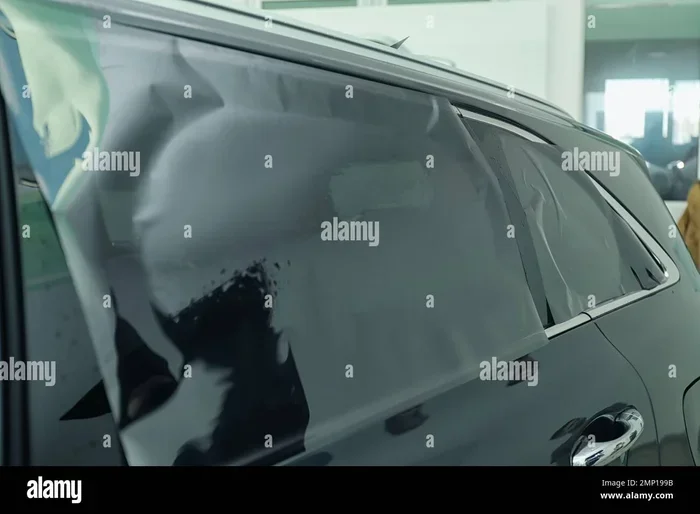
Installing 90 percent window tint is one of the more straightforward tint jobs you can do. The light shade makes it more forgiving than darker films, which is great news if you are doing it yourself.
DIY Installation Steps
If you want to save money and install the film yourself, here is a general overview of the process:
- Clean your windows thoroughly. Use a glass cleaner and a lint-free cloth. Any dust or debris will show under the film and ruin the look.
- Cut the film to size. Leave a small margin around the edges. It is easier to trim excess than to fix a piece that is too small.
- Spray the window with a soapy water solution. This creates a slippery surface that lets you position the film correctly.
- Apply the film. Peel off the backing and spray the adhesive side. Place it on the window and use a squeegee to push out bubbles and water.
- Trim the edges. Use a sharp utility knife to clean up any excess film around the window edges.
- Let it cure. Avoid rolling down your windows for at least 3 to 5 days. The adhesive needs time to fully set.
Professional vs. DIY Installation
While 90 percent window tint is more forgiving for DIYers, professional installation still has clear advantages:
- Precision cutting: Professionals use precision cutters that match your vehicle’s exact window curves.
- Bubble-free finish: Experienced installers get a smoother result with fewer air pockets.
- Warranty: Many professional installations come with a lifetime warranty on the film.
- Time savings: A pro can usually finish the job in 1 to 2 hours.
If you are new to tinting, consider getting a professional install for the front windows and trying a DIY approach on the rear windows. This lets you practice without risking your most visible windows.
How Long Does Installation Take?
A full 90 percent window tint job on a standard sedan takes about 1 to 2 hours at a shop. DIY installation can take longer, especially for your first time. Give yourself a few hours on a weekend, and make sure you work in a dusty-free, temperature-controlled environment.
Cost of 90 Percent Window Tint
Cost is always a factor when considering auto tinting. The good news is that a 90 percent tint is typically one of the most affordable options. Because it uses less material and is easier to install, you can expect to pay less than you would for a darker, higher-performance film.
Price Breakdown
Here is a rough cost comparison for different window film types at the 90 percent shade level:
| Film Type | Approximate Cost (Full Car) | Durability |
|---|---|---|
| Dyed Film | $100 – $200 | 2 – 4 years |
| Metallic Film | $150 – $300 | 4 – 6 years |
| Carbon Film | $200 – $400 | 5 – 8 years |
| Ceramic Film | $300 – $600 | 8 – 12+ years |
These prices vary based on your location, the number of windows, and the brand of film. Always get quotes from at least two or three installers before making a decision.
Is 90 Percent Tint Worth the Cost?
Absolutely. Even at the lower end of the price range, 90 percent window tint delivers real value. The UV protection alone can save you money on interior repairs and skin care down the road. Plus, the comfort improvement from reduced glare and heat is something you will notice every time you get behind the wheel.
Common Mistakes to Avoid with Window Tint
Whether you are a first-timer or a seasoned DIYer, there are some common pitfalls to watch out for when installing 90 percent window tint.
Skipping the Prep Work
The most common mistake is not cleaning the windows properly. Even a tiny speck of dust trapped under the film will create a visible bump. Take your time with the cleaning step. Use a razor blade to remove any old adhesive residue from previous tint jobs.
Applying in the Wrong Conditions
Never install tint in direct sunlight or in dusty conditions. The heat causes the film to dry too fast, making it impossible to reposition. Dust in the air settles on the sticky side and creates spots that you cannot fix. Find a clean, shaded, indoor space for the best results.
Rolling Down Windows Too Soon
Patience is key. Even though 90 percent window tint is a light film, the adhesive still needs time to cure. Rolling your windows down too early can cause the film to peel or shift. Wait at least 3 to 5 days before touching the windows.
Choosing the Wrong Shade for Your Needs
Some people buy a 90 percent tint expecting dramatic heat rejection. While it does help, it is not as effective as a 50 percent or 35 percent film. If heat reduction is your top priority, consider going darker or investing in a high-quality ceramic shade film. Understanding what you want from the tint helps you choose the right product.
Expert Insight
According to professional installers, 90 percent window tint is the ideal choice for first-time tint buyers. It is light enough to avoid legal issues, easy enough to install without frustration, and effective enough to deliver real benefits. Many experts recommend starting with a 90 percent tint on the front windows and choosing a darker shade for the rear if you want more privacy or heat rejection.
Is 90 Percent Window Tint Right for You?
Deciding on the right tint shade comes down to your personal goals and driving habits. Here is a quick guide to help you decide if 90 percent window tint is the best choice.
Choose a 90 percent tint if you:
- Want maximum legal light transmission
- Need UV protection without a dark look
- Are new to window tinting and want a low-risk option
- Drive frequently and want glare reduction
- Live in an area with strict tint laws
- Want to protect your car interior from sun damage
Consider a darker tint if you:
- Need more privacy than a light tint provides
- Want maximum heat rejection for hot climates
- Prefer a sleek, darkened look for your vehicle
- Have rear windows where darker tints are legally allowed
Many car owners choose to mix shades. They use 90 percent window tint on the front for a subtle, legal look and go darker on the rear for privacy and style. This approach gives you the best of both worlds.
Maintenance Tips for Your Window Tint
Once your 90 percent window tint is installed, a little maintenance goes a long way in keeping it looking great for years.
- Wait before cleaning: Avoid cleaning your tinted windows for at least one week after installation.
- Use the right cleaner: Stick to ammonia-free glass cleaners. Harsh chemicals can break down the adhesive and cause bubbling.
- Use a soft cloth: Microfiber towels are gentle on the film and prevent scratches.
- Avoid sharp objects: Be careful when loading groceries or using seat belts near the edges of the tint.
- Check for peeling: Over time, edges can start to lift. Address small peeling spots early to prevent them from spreading.
With proper care, a quality window film at the 90 percent shade level can last anywhere from 3 to 12 years depending on the type of film and your climate.
Frequently Asked Questions About 90 Percent Window Tint
Can I see clearly at night with 90 percent window tint?
Yes, absolutely. 90 percent window tint allows 90% of visible light to pass through, so your night visibility remains excellent. This is one of the biggest advantages of choosing a light shade over a darker tint. You will not experience the dimming effect that heavier tints cause, making it a safe choice for nighttime and low-light driving conditions.
Does 90 percent window tint make my car look different?
The change is very subtle. A 90 percent tint gives your windows a slight darkened appearance that is noticeable up close but hard to see from a distance. Most people will not even realize your car has tint on it unless they look closely. This makes it a great option for drivers who want the benefits of tint without a dramatic visual change.
Is 90 percent tint legal everywhere?
In most places, yes. Because it allows so much light through, 90 percent window tint is legal in the vast majority of U.S. states, Canadian provinces, and other regions. However, tint laws do vary, so always double-check your local regulations before installation. The front windshield and front side windows are the areas most commonly regulated.
How much does 90 percent window tint cost for a full car?
For a standard sedan, you can expect to pay between $100 and $600 for a full car job, depending on the type of film you choose. Dyed film is the most budget-friendly option, while ceramic film costs more but offers the best performance. The light shade level makes installation easier and faster, which keeps costs lower than darker tints.
Can I install 90 percent tint myself?
Yes, 90 percent window tint is one of the most DIY-friendly tint levels because it is forgiving and easy to position. The light shade hides small mistakes better than darker films. However, if you have never installed tint before, practice on an older vehicle or the rear windows first. Professional installation is also a great option if you want a flawless finish.
Does 90 percent window tint block heat?
It does block some heat, but not as much as darker or higher-performance films. A 90 percent tint can reduce interior heat by 10% to 20% depending on the film type. For maximum heat rejection, look for ceramic or carbon films at this shade level. If heat reduction is your primary goal, you may want to consider a 50 percent or 35 percent tint for your rear windows instead.
Conclusion
90 percent window tint is a smart, practical, and legal choice for almost any vehicle. It gives you UV protection, glare reduction, and a touch of privacy without the dark look that can cause legal headaches or visibility issues. Whether you are tinting your first car or adding a subtle upgrade to your daily driver, this shade level delivers real value at an affordable price.
From the lightweight film options to the easy installation process, everything about 90 percent window tint is designed to be beginner-friendly and effective. You get the benefits of car window tinting without the risks of going too dark. So if you have been on the fence about tinting your windows, this is the perfect place to start.
Take the time to choose a quality window film, follow the installation tips in this guide, and enjoy a more comfortable, protected driving experience. Your car and your skin will thank you every time you hit the road.