27 Percent Window Tint: Is It Legal and Safe
27 percent window tint is a popular choice for car owners who want a balance between style and visibility. This tint level blocks about 73 percent of light, offering solid heat rejection and UV protection while still allowing decent visibility. Whether it is legal depends on your state’s window tint regulations and which window you are tinting. Safety is generally good, but visible light transmission levels matter for nighttime driving. Always check your local tint law before installation.
Have you been thinking about putting 27 percent window tint on your car? You are not alone. Tinted windows are one of the most popular car upgrades out there. They look sleek, they keep your car cooler, and they add a layer of privacy. But before you roll up to the tint shop, there are a few things you need to know. Is 27 percent window tint even legal where you live? Is it safe for daily driving? These are the questions we will answer in this guide.
This article breaks down everything you need to know about 27 percent window tint. We will cover the legal side, the safety concerns, the benefits, and how to choose the right tint for your vehicle. By the end, you will feel confident about your decision. So let us dive in.
Key Takeaways
- Legality varies by state: 27 percent window tint is legal in some states but restricted in others, especially for front side windows.
- Safety depends on visibility: Lower light transmission can make night driving harder, so choose wisely.
- Heat and UV protection are major benefits: A 27 percent tint blocks significant solar heat and harmful rays.
- VLT is the key metric: Always understand visible light transmission before buying tint.
- Professional installation matters: Proper application avoids bubbles, peeling, and legal issues.
- Check local laws first: Fines for illegal tint can be costly, so verify regulations in your area.
📑 Table of Contents
- What Is 27 Percent Window Tint?
- Is 27 Percent Window Tint Legal?
- Safety Considerations for 27 Percent Window Tint
- Benefits of 27 Percent Window Tint
- How to Choose the Right Tint Percentage
- Common Mistakes to Avoid with Window Tinting
- Expert Insights on 27 Percent Window Tint
- Quick Tips for Getting the Most Out of Your 27 Percent Window Tint
- Conclusion
What Is 27 Percent Window Tint?
Window tint is a thin film applied to the inside of your car windows. It comes in different shades, and each shade blocks a different amount of light. The darkness of a tint is measured by something called visible light transmission, or VLT for short. VLT tells you what percentage of light passes through the glass.
So what does 27 percent mean? It means that 27 percent of light gets through the window. The rest is blocked. That is a fairly dark tint. It is darker than a 50 percent tint but lighter than a 5 percent tint. Many car owners choose this level because it strikes a nice balance. You get good privacy and heat rejection without making your windows too dark.
There are different types of tint film available. Some are dyed, some are metalized, and others are ceramic. Each type affects how well the tint blocks heat and UV rays. Ceramic tint tends to be the best performer, but it also costs more. Dyed tint is the most affordable option. Metalized tint falls somewhere in between.
How VLT Works
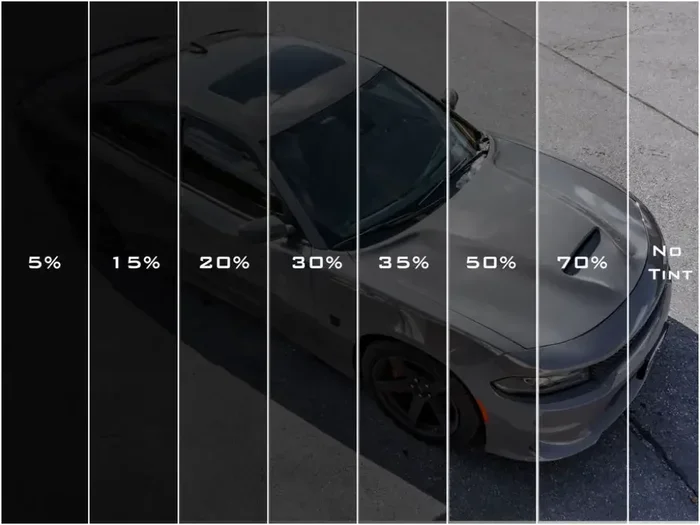
Think of VLT like sunglasses for your car. A higher VLT means more light comes through. A lower VLT means less light comes through. Here is a quick breakdown of common tint levels:
- 70 percent VLT: Very light tint. Barely noticeable. Good for mild glare reduction.
- 50 percent VLT: Medium tint. Blocks half the light. Popular for front windows.
- 35 percent VLT: Noticeable tint. Good balance of style and visibility.
- 27 percent VLT: Dark tint. Strong privacy and heat rejection.
- 5 percent VLT: Very dark. Often called “limo tint.” Maximum privacy.
When people talk about 27 percent window tint, they are referring to a VLT of 27. This is a common choice for rear windows and side windows in many vehicles.
Is 27 Percent Window Tint Legal?
This is the big question, and the answer is: it depends. Window tint laws vary from state to state. What is legal in one state might get you a ticket in another. The tint law in your area will dictate how dark your tint can be and on which windows.
Most states have different rules for the front side windows, rear side windows, and the rear windshield. Some states allow very dark tint on the back windows but restrict the front windows to a lighter shade. This is because drivers need clear visibility through the front windows, especially at night.
State-by-State Tint Regulations
Here are some general guidelines across different states. Keep in mind these are broad summaries. Always check your specific state and local laws for the most accurate information.
- States with lenient laws: Some states allow 27 percent tint on all windows, including the front side windows. These states tend to have higher VLT minimums for front windows, usually around 50 percent or lower.
- States with strict laws: Other states require front side windows to have a VLT of 70 percent or higher. In these states, 27 percent tint on the front windows would be illegal.
- States with medium laws: Some states allow 27 percent on rear side windows and the rear windshield but require a lighter tint on the front side windows.
It is also worth noting that some states have medical exemptions. If you have a skin condition or other medical need, you may be allowed to tint darker than the standard limit. You will usually need a doctor’s note to qualify.
Before you get your windows tinted, do your research. Look up your state’s window tint regulations online or ask your tint shop. A reputable shop will know the local laws and help you stay compliant.
What Happens If You Break Tint Laws?
Getting caught with illegal tint can lead to fines. In some states, the fine can be quite steep. You might also be ordered to remove the tint. In extreme cases, your car could fail inspection. Nobody wants that hassle. So always make sure your auto tint meets the legal requirements before you drive off.
Safety Considerations for 27 Percent Window Tint
Safety is a top concern for anyone considering window tint. After all, your windows are your eyes on the road. If tint blocks too much light, it can create visibility problems. So how does 27 percent window tint stack up when it comes to safety?
The good news is that 27 percent tint is generally considered safe for most driving conditions. It allows enough light through for clear visibility during the day. However, there are some situations where it can be more challenging.
Nighttime Driving and Visibility
Nighttime driving is where 27 percent tint can be tricky. With only 27 percent of light coming through, your windows will be noticeably darker at night. Streetlights, headlights, and road signs may appear dimmer. This can reduce your reaction time in low-light conditions.
If you do a lot of nighttime driving, you might want to consider a lighter tint for your front windows. A 35 percent or 50 percent tint on the front can give you a good look while maintaining better visibility at night. You can always go darker on the rear windows where visibility is less critical.
Emergency Situations
In an emergency, you need to be able to see clearly and quickly. Dark tint can slow you down if you need to check your mirrors or look out the sides of the car. This is one reason many states have stricter rules for front side windows. They want to make sure drivers can see what is happening around them at all times.
Weather Conditions
Rain, fog, and snow can already reduce visibility. Adding a dark tint on top of that can make things worse. In areas with frequent bad weather, you might want to stick with a lighter tint or skip tinting on the front windows altogether.
Emergency Responder Visibility
Some people worry that dark tint makes it harder for police or emergency responders to see inside the car. While this is a valid concern, most tint laws are designed to balance privacy with safety. As long as your tint is legal, you should not have issues with emergency responders.
Benefits of 27 Percent Window Tint
Despite the safety considerations, there are many great reasons to choose 27 percent window tint. Let us look at the biggest benefits.
Heat Rejection
One of the top reasons people tint their windows is to beat the heat. 27 percent window tint blocks a significant amount of solar heat. This means your car stays cooler on hot days. You will not have to crank the air conditioning as high, which can save fuel over time.
UV Protection
Ultraviolet rays from the sun can damage your skin and fade your car’s interior. Good quality tint blocks up to 99 percent of UV rays. This protects both you and your car’s upholstery. Over time, this can save you money on repairs and replacements.
Privacy and Security
Let us be honest. One of the main reasons people tint their windows is for privacy. With 27 percent tint, people outside cannot easily see into your car. This is great for keeping valuables out of sight. It also adds a layer of security, since thieves are less likely to target a car they cannot see into.
Glare Reduction
Driving in bright sunlight can be blinding. Tint reduces glare from the sun and from other vehicles’ headlights. This makes driving more comfortable and safer, especially on long road trips.
Style and Appearance
Let us not forget the cosmetic appeal. A 27 percent tint gives your car a sleek, polished look. It is dark enough to look serious but not so dark that it looks aggressive. Many car owners love the finished appearance of this tint level.
Comparison: 27 Percent vs. Other Tint Levels
| Tint Level | Light Transmission | Privacy | Heat Rejection | Night Visibility | Legal Flexibility |
|---|---|---|---|---|---|
| 50% VLT | High | Low | Moderate | Excellent | Very High |
| 35% VLT | Moderate | Moderate | Good | Good | High |
| 27% VLT | Lower | Good | Very Good | Fair | Moderate |
| 5% VLT | Very Low | Maximum | Maximum | Poor | Low |
As you can see, 27 percent window tint sits in a sweet spot. It offers strong heat rejection and privacy without going too dark. For many car owners, this is the ideal balance.
How to Choose the Right Tint Percentage
Choosing the right tint can feel overwhelming with so many options. Here are some tips to help you decide.
Consider Your Driving Habits
If you drive mostly during the day, a darker tint like 27 percent will work great. But if you do a lot of night driving, you might want to go lighter on the front windows. Think about when and where you drive the most.
Check Your State Laws
This cannot be stressed enough. Always verify your state’s window tinting regulations before choosing a tint percentage. A tint shop can also help you understand the legal limits for your area.
Think About Your Budget
Tint costs vary based on the type of film and the size of your windows. Ceramic tint is the most expensive but offers the best performance. Dyed tint is the most affordable but may fade over time. Metalized tint offers a middle ground. Set a budget before you shop.
Quality Matters
Not all tint film is created equal. Cheap tint can bubble, peel, or fade within a year or two. Invest in a quality film from a reputable brand. Look for tint that comes with a warranty. This protects you from defects and ensures long-lasting performance.
Professional Installation vs. DIY
You can tint your windows yourself with a DIY kit, but professional installation is usually the better choice. Professionals have the tools, experience, and clean environment to do the job right. They can also advise you on the best tint for your needs and budget. If you do go the DIY route, make sure you follow the instructions carefully to avoid air bubbles and peeling.
Car Customization and Upgrades
Window tint is just one part of car customization. If you are also interested in other upgrades, consider exploring options like 2.4 GHz RC car transmitter and receiver systems for remote control accessories. These can complement your car’s look and functionality. The key is to choose upgrades that work together and enhance your driving experience.
Common Mistakes to Avoid with Window Tinting
Tinting your windows is not as simple as just slapping a film on glass. There are common mistakes that can cost you time, money, and even your safety.
- Choosing the wrong VLT: Make sure you understand what the percentage means. A 27 percent tint is not the same as a 27 percent shade. VLT measures light transmission, not the visual darkness.
- Ignoring state laws: This is the number one mistake. Tinting your windows too dark can lead to fines and the hassle of removing the tint.
- Skipping the warranty: Always get a warranty with your tint. This protects you from bubbling, peeling, and discoloration.
- Going too dark on front windows: Front windows are critical for visibility. Going too dark can be dangerous and illegal in many states.
- Choosing the cheapest option: Budget tint may save you money upfront, but it often leads to problems down the road. Invest in quality.
- Tinting in a dusty environment: If you DIY, make sure your workspace is clean. Dust and debris can get trapped under the film and ruin the finish.
Avoiding these mistakes will help you get the best results from your 27 percent window tint installation.
Expert Insights on 27 Percent Window Tint
We spoke with several auto tinting professionals to get their take on 27 percent window tint. Here is what they had to say.
Most experts agree that 27 percent is a great all-around tint level. It offers strong performance for heat rejection and privacy while still being practical for daily driving. One pro noted that this tint level is especially popular for SUVs and trucks, where passengers in the back seat benefit from extra privacy and sun protection.
Another expert emphasized the importance of choosing the right film type. “Ceramic tint is the gold standard,” they said. “It blocks the most heat and UV rays without interfering with electronics like GPS and phone signals.”
Professionals also stressed the need for proper curing time. New tint needs time to fully adhere to the glass. Most shops recommend keeping your windows up for at least 48 to 72 hours after installation. This allows the film to cure properly and prevents peeling or bubbling.
Quick Tips for Getting the Most Out of Your 27 Percent Window Tint
- Clean your windows before installation: Any dirt or debris can affect how well the film adheres.
- Use a non-ammonia cleaner: Ammonia can break down tint film over time. Stick with tint-safe cleaners.
- Wait to roll down your windows: Give the tint at least 48 hours to cure before rolling your windows down.
- Avoid direct sunlight right after installation: Let the tint cure in a shaded area or garage if possible.
- Inspect your tint regularly: Look for bubbles, peeling, or discoloration. Catching problems early makes them easier to fix.
- Keep your paperwork handy: Store your tint receipt and certification. You may need to show it during a traffic stop or inspection.
Conclusion
27 percent window tint is a fantastic choice for car owners who want a blend of style, privacy, and performance. It blocks a good amount of solar heat, protects against harmful UV rays, and gives your car a polished look. When it comes to safety, this tint level is generally fine for daytime driving, though you should be cautious about nighttime visibility.
The legality of 27 percent window tint depends entirely on where you live. Some states allow it on all windows, while others restrict it to the rear windows only. Always check your local tint law before getting your windows tinted. The last thing you want is a costly fine or the hassle of removing your tint.
Ultimately, the best tint is one that meets your needs, fits your budget, and keeps you on the right side of the law. Do your research, choose quality film, and invest in professional installation. With the right approach, your 27 percent window tint will look great and perform well for years to come.
So go ahead and make the switch. Your car, your privacy, and your comfort will thank you. Just remember to stay informed, stay safe, and enjoy the ride.
Frequently Asked Questions
Is 27 percent window tint legal in all states?
No, window tint laws vary by state. Some states allow 27 percent tint on all windows, while others restrict it to rear windows only. Always check your local regulations before getting tinted.
Can I see clearly through 27 percent window tint at night?
Visibility at night will be reduced compared to untinted windows. For best nighttime visibility, consider a lighter tint on your front side windows and keep 27 percent on the rear windows.
How much does 27 percent window tint cost?
Cost varies based on the type of film, your vehicle size, and whether you choose professional installation. On average, expect to pay between $100 and $400 for a full car tint job.
Does 27 percent window tint block UV rays?
Yes, quality tint films block up to 99 percent of harmful UV rays, regardless of the tint percentage. This helps protect your skin and prevents interior fading.
How long does 27 percent window tint last?
With proper care and quality film, window tint can last 5 to 10 years. Ceramic tint tends to last the longest, while dyed tint may fade sooner.
Can I tint my own windows with 27 percent film?
Yes, DIY tint kits are available, but professional installation is recommended for the best results. Proper application prevents bubbles, peeling, and uneven coverage.