Can You Turn Off Rear Cross-Traffic Alert – Heres How
Yes, you can turn off rear cross-traffic alert in most vehicles, but the process varies by car brand and model. This guide covers exactly how to disable the system, why some drivers want to, and whether it is a smart move for your daily driving. You will also learn about the safety trade-offs and quick tips to manage your alert settings.
Rear cross-traffic alert is one of those car safety features that can feel like a lifesaver one moment and an annoying beep the next. If you have ever wondered whether you can simply turn the system off and get some peace and quiet, you are not alone. Thousands of drivers search for this answer every single day. The good news is that you can turn off rear cross-traffic alert in most vehicles. The not-so-good news is that the method depends on your car brand, model, and year.
In this guide, we will walk you through everything you need to know. We will cover why the system exists, what happens when you disable it, and exactly how to find the settings on popular car brands. We will also look at the safety side of things so you can make a smart choice. Whether you are dealing with constant false alarms or just prefer a quieter ride, this article has you covered.
The rear cross-traffic alert system, often called RCTA, uses sensors in the rear bumper to detect vehicles or objects approaching from the sides when you are backing up. It is especially helpful in parking lots where cars are pulling out of spots. But not every driver loves the feature. Some find it overly sensitive. Others simply prefer to rely on their own mirrors and awareness. Whatever your reason, understanding how to manage this system gives you more control over your driving experience.
Key Takeaways
- Rear cross-traffic alert can be turned off: Most vehicles allow you to disable the system through the settings menu or a physical button.
- The process differs by car brand: Honda, Toyota, Ford, Chevrolet, and BMW all have slightly different steps to deactivate the feature.
- Some drivers turn it off due to false alerts: Bicycles, shopping carts, and narrow poles can trigger the system unnecessarily.
- Disabling it reduces a layer of safety: The system is designed to prevent low-speed collisions when reversing.
- You can adjust sensitivity instead of turning it off entirely: Some vehicles let you lower the alert level rather than fully disabling it.
- Aftermarket solutions exist: Dealers and specialty shops can help you manage or remove the system if needed.
- Re-enabling is just as easy: You can always turn the feature back on whenever you want.
📑 Table of Contents
- What Is Rear Cross-Traffic Alert and How Does It Work?
- Why Do People Want to Turn Off Rear Cross-Traffic Alert?
- Can You Actually Turn Off Rear Cross-Traffic Alert?
- How to Disable Rear Cross-Traffic Alert by Car Brand
- Pros and Cons of Turning Off Rear Cross-Traffic Alert
- Should You Keep It On or Turn It Off?
- Quick Tips for Managing Rear Cross-Traffic Alert
- Common Mistakes Drivers Make with Rear Cross-Traffic Alert
- Expert Insights on Rear Cross-Traffic Alert Management
- Can You Turn Off Rear Cross-Traffic Alert in Aftermarket Installations
- Conclusion
What Is Rear Cross-Traffic Alert and How Does It Work?
Before we dive into how to turn it off, let us quickly understand what the system does. Rear cross-traffic alert is a driver assistance feature found in many modern vehicles. It uses radar sensors or cameras mounted in the rear bumper to monitor the area behind your car.
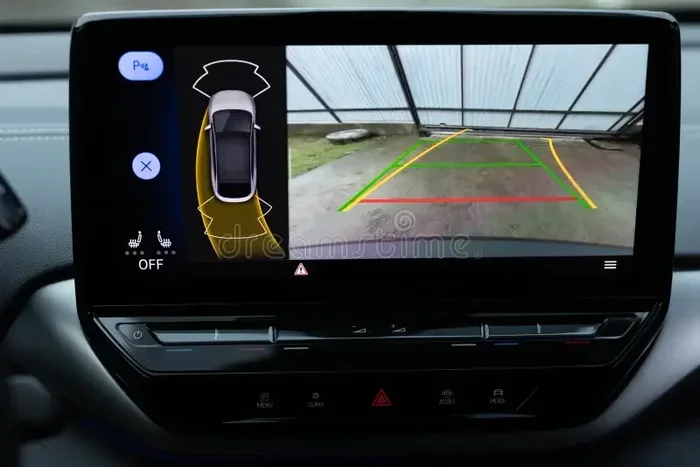
When you shift into reverse, the system activates and scans for approaching traffic from either side. If it detects a vehicle, cyclist, or large object coming too close, it sends an audible warning and sometimes a visual alert on the dashboard. The goal is to prevent low-speed collisions while parking or backing out of driveways.
Here are some key things to know about how the system works:
- Radar-based sensors: Most systems use short-range radar to detect moving objects behind the car.
- Speed detection: The system typically alerts you to objects approaching from the sides at speeds between 5 and 15 miles per hour.
- Visual and audible warnings: Alerts usually come as a beep or chime on the instrument cluster or head-up display.
- Works with backup camera: Many vehicles combine rear cross-traffic alert with a rearview camera for better visibility.
- Blind spot connection: In some cars, the rear cross-traffic alert shares sensors with the blind spot monitoring system.
The system is designed to assist you, not replace your own observation. It works best as a backup tool when you are in a hurry or when visibility is limited. Think of it as an extra set of eyes, not a replacement for checking your mirrors and looking over your shoulder.
Why Do People Want to Turn Off Rear Cross-Traffic Alert?
There are several reasons why drivers look for ways to disable their rear cross-traffic alert. Understanding these reasons can help you decide whether turning it off is the right choice for you.
Constant False Alerts
The most common complaint is false alarms. The system can trigger when you are reversing near:
- Concrete parking barriers
- Shopping carts in parking lots
- Bicycles or motorcycles parked nearby
- Narrow poles or posts
- Other stationary objects the system misreads
When the alert goes off for no real reason, it can become frustrating. Over time, some drivers start to ignore the warnings entirely, which defeats the purpose of the system.
Noise Fatigue
Frequent beeping can get on your nerves. If you are in a parking lot with many cars and pedestrians, the alert might sound dozens of times in a single trip. This can lead to alert fatigue, where you mentally tune out the warnings. That is not safe either.
Personal Preference
Some experienced drivers simply do not like the feature. They prefer to use their mirrors, turn their head, and rely on their own driving skills. These drivers may feel the system creates unnecessary stress or slows them down.
Aftermarket Sensor Issues
In some cases, aftermarket sensors or modifications can cause the system to malfunction. If the sensors are not installed correctly, they may give erratic alerts. Drivers in these situations often look for ways to turn the system off completely.
Can You Actually Turn Off Rear Cross-Traffic Alert?
The short answer is yes, in most cases you can turn off rear cross-traffic alert. However, the method varies significantly depending on your vehicle. Some cars make it easy with a simple button press. Others require you to dig through the infotainment settings menu. And a few vehicles do not allow you to turn the system off at all.
Here is what you need to know before you start looking for the disable option:
- Not all cars allow disabling: Some manufacturers lock the feature on and do not provide an option to turn it off.
- Partial disabling may be available: Certain vehicles let you reduce the sensitivity instead of fully turning the system off.
- Temporary vs. permanent: Some cars allow you to turn the system off for a single trip and it reactivates the next time you start the engine.
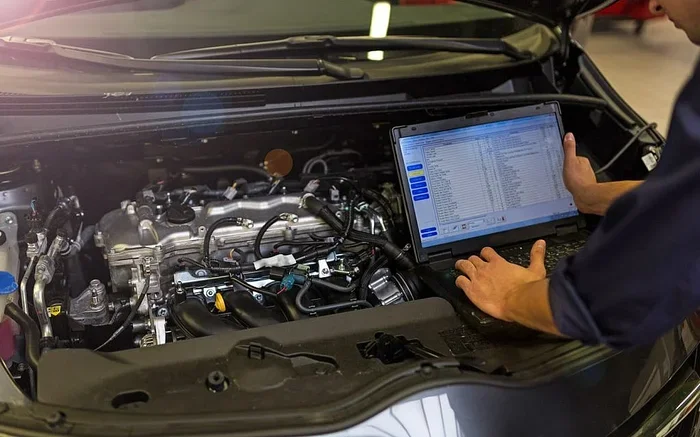
- Dealer tools may be needed: In rare cases, a dealership may need to use diagnostic equipment to fully disable the system.
The best way to find out for your specific vehicle is to check the owner manual or contact your dealer. You can also search online forums for your exact car model and year to see what other owners have done.
How to Disable Rear Cross-Traffic Alert by Car Brand
Every car brand handles the rear cross-traffic alert settings differently. Below, we have broken down the steps for the most popular brands. These instructions are general guidelines, so your exact menu options may vary slightly.
How to Turn Off Rear Cross-Traffic Alert on Honda
Honda vehicles with the Honda Sensing suite include rear cross-traffic alert as part of the package. Here is how to disable it:
- Start the vehicle and press the Setup button on the steering wheel.
- Navigate to the Vehicle Settings menu using the steering wheel controls.
- Select Blind Spot Information System.
- Look for the Rear Cross-Traffic Alert option.
- Toggle it Off.
- Press Exit to save your settings.
On some Honda models, you can also find a physical button near the steering column that controls the system. Check the area around the gear shifter or the driver’s side dashboard for a small button with a car and curved arrows icon.
How to Turn Off Rear Cross-Traffic Alert on Toyota
Toyota uses the Toyota Safety Sense system, which includes rear cross-traffic alert on many models. Steps may vary slightly depending on the model year:
- Press the Home button on the infotainment screen.
- Go to Settings.
- Select Toyota Safety Sense or Driver Assistance.
- Find Rear Cross-Traffic Alert.
- Switch the setting to Off.
Toyota also allows you to adjust the sensitivity in some models. If you do not want to fully disable the system, you can set it to a lower sensitivity level. This reduces false alerts while keeping some protection active.
How to Turn Off Rear Cross-Traffic Alert on Ford
Ford vehicles use the Sync infotainment system. The steps are generally as follows:
- Press the Settings button on the touchscreen.
- Go to Driver Assistance.
- Select Blind Spot Information System.
- Toggle Rear Cross-Traffic Alert to Off.
Some Ford models also have a physical button on the left side of the steering wheel or near the instrument cluster. Look for the blind spot or rear cross-traffic alert icon.
How to Turn Off Rear Cross-Traffic Alert on Chevrolet
Chevrolet vehicles use the Infotainment 3 or Infotainment Plus systems. Here is the general process:
- Tap the Settings icon on the touchscreen.
- Select Vehicle or Safety settings.
- Find Blind Spot System.
- Locate the Rear Cross-Traffic Alert toggle.
- Switch it to Off.
On older Chevrolet models, the option may be located in a different menu path. If you cannot find it, try searching the settings for “cross-traffic” or “RCTA.”
How to Turn Off Rear Cross-Traffic Alert on BMW
BMW vehicles use the iDrive system. The process is slightly different from other brands:
- Press the Menu button on the iDrive controller.
- Go to Settings.
- Select Vehicle Settings.
- Choose Driving Assistance.
- Find Rear Traffic Alert.
- Set it to Off.
BMW also allows you to adjust the system sensitivity through the same menu. This is a great option if you want to reduce false alerts without fully disabling the feature.
Other Brands and General Tips
If your car brand is not listed above, the general approach is similar. Look for the settings menu on your infotainment system, then search for sections related to driver assistance, safety settings, or blind spot monitoring. The rear cross-traffic alert option is usually grouped with other safety features like blind spot monitoring and lane departure warning.
Some cars also have a physical switch or button near the shifter or on the dashboard. If you see a small icon that looks like a car with curved arrows behind it, that is likely the rear cross-traffic alert toggle.
Pros and Cons of Turning Off Rear Cross-Traffic Alert
Before you decide to disable the system, it helps to weigh the advantages and disadvantages. Here is a balanced look at both sides.
Pros of Turning It Off
- Fewer distractions: No more annoying beeps when you are reversing near stationary objects.
- Less noise: Your cabin stays quieter, especially in busy parking lots.
- More driver control: You rely on your own judgment rather than a computer system.
- Reduced alert fatigue: You are less likely to ignore warnings because the system is not constantly triggering.
Cons of Turning It Off
- Reduced safety coverage: You lose an extra layer of protection when backing up.
- Increased risk in parking lots: Parking lots are where low-speed collisions happen most often.
- Potential insurance implications: In some cases, disabling safety features could affect insurance claims.
- Harder for less experienced drivers: New drivers or those with limited mobility may rely heavily on the system.
Should You Keep It On or Turn It Off?
This is the big question, and the answer depends on your driving habits and environment. If you regularly park in tight spaces with lots of pedestrians and moving cars, keeping the system on is probably a good idea. The alerts give you valuable extra seconds to react.
On the other hand, if you mostly drive in open areas with plenty of space and rarely back up in crowded lots, turning it off may not make much of a difference. The key is to be honest about your driving patterns and risk exposure.
Here is a quick way to decide:
- Keep it on if: You park in busy lots, have young children nearby often, or want maximum safety coverage.
- Consider turning it off if: You get constant false alerts, the noise bothers you, or you feel the system is slowing you down unnecessarily.
A middle-ground approach works well for many drivers. Instead of fully disabling the system, you can reduce its sensitivity. This keeps the protection active while minimizing unnecessary alerts. Check your owner manual to see if your vehicle offers this option.
Quick Tips for Managing Rear Cross-Traffic Alert
Whether you keep the system on or turn it off, these tips will help you get the most out of your vehicle’s safety features.
- Clean your rear sensors regularly: Dirt, snow, and ice can block the sensors and cause false alerts or system failure.
- Check sensor placement after bumper repairs: If you have had rear bumper work done, make sure the sensors are repositioned correctly.
- Pair the system with your backup camera: Using both tools together gives you the best visibility when reversing.
- Update your vehicle software: Manufacturers sometimes release updates that improve sensor accuracy and reduce false alerts.
- Test the system occasionally: Find a safe, open area and reverse near a moving object to confirm the alerts are working properly.
Common Mistakes Drivers Make with Rear Cross-Traffic Alert
Even with the best intentions, drivers sometimes make mistakes that reduce the effectiveness of the system or lead to poor decisions about disabling it.
Ignoring the Alerts Completely
If you turn off the system because it annoys you, that is one thing. But if you keep the system on and simply ignore every beep, you are putting yourself at risk. The alerts are there for a reason.
Assuming the System Replaces Mirrors
Rear cross-traffic alert is an aid, not a substitute for looking over your shoulder. Always use your mirrors and turn your head before reversing, even with the system active.
Not Reading the Owner Manual
Many drivers do not realize that their vehicle has adjustable sensitivity or a temporary off option. The owner manual is the best resource for understanding all the features available to you.
Forgetting to Re-Enable After Temporary Disable
Some vehicles default back to the system being on when you restart the engine. If you turned it off for a specific situation, make sure you re-enable it afterward.
Expert Insights on Rear Cross-Traffic Alert Management
Automotive safety experts generally recommend keeping the rear cross-traffic alert system enabled. According to the Insurance Institute for Highway Safety (IIHS), blind spot monitoring and rear cross-traffic alert systems have been shown to reduce backing crashes significantly. The data supports keeping these features active for most drivers.
However, experts also acknowledge that false alerts are a real problem. They suggest that manufacturers continue improving sensor technology to reduce unnecessary warnings. Some newer vehicles already offer smarter systems that can distinguish between moving vehicles and stationary objects more accurately.
If you are unsure about what to do, consider talking to your dealer or a trusted mechanic. They can walk you through the settings on your specific vehicle and help you find the right balance between safety and convenience.
Can You Turn Off Rear Cross-Traffic Alert in Aftermarket Installations
If you added rear cross-traffic alert as an aftermarket feature, the ability to turn it off depends on the brand and model of the system you installed. Many aftermarket kits come with a remote control or a small module that lets you toggle the system on and off. Some even have a sensitivity adjustment knob you can access from the cabin.
For factory-installed systems, the process is typically through the infotainment or instrument cluster settings. If you are having trouble finding the option, a visit to the dealership can help. They can pull up your vehicle’s settings menu and walk you through the steps or make the change for you using diagnostic tools.
Keep in mind that aftermarket systems may not integrate as seamlessly with your vehicle’s other safety features. If you are experiencing issues with an aftermarket installation, consider having it checked by a professional. Proper installation ensures the system works correctly and does not interfere with other electronics.
Conclusion
So, can you turn off rear cross-traffic alert? The answer is a clear yes for most vehicles, though the exact steps depend on your car brand and model. Whether you choose to disable it entirely, reduce its sensitivity, or keep it fully active, the most important thing is that you feel comfortable and confident behind the wheel.
The rear cross-traffic alert system is a valuable safety tool, but it is not perfect. False alerts can be frustrating, and the constant beeping can wear on your nerves over time. Understanding how to manage the system gives you the power to customize your driving experience to match your preferences and needs.
Take a few minutes to explore your vehicle’s settings and find what works best for you. If you decide to turn the system off, do so with full awareness of the trade-offs. And if you keep it on, make sure you are using it as a helpful supplement to your own driving awareness, not a replacement for it. Safe driving starts with understanding your vehicle and using its features to your advantage.
Frequently Asked Questions
Can you turn off rear cross-traffic alert on all cars?
No, not all cars allow you to turn off rear cross-traffic alert. Some manufacturers lock the feature on and do not provide a disable option in the settings. Check your owner manual or contact your dealer to confirm whether your specific vehicle allows the system to be turned off.
Does turning off rear cross-traffic alert affect my car’s warranty?
Generally, simply disabling the alert feature through the normal settings menu does not void your warranty. However, physically removing or tampering with the sensors could potentially cause warranty issues. Always check with your dealer if you are unsure about what is covered.
Can I adjust the sensitivity instead of turning it off completely?
Yes, many vehicles allow you to adjust the sensitivity of the rear cross-traffic alert system. This is a great middle-ground option if you want fewer false alerts but still want some protection when reversing. Look for sensitivity settings in the same menu where you find the on-off toggle.
Will rear cross-traffic alert come back on after I restart the car?
This depends on your vehicle. Some cars remember your last setting and keep the system off until you manually turn it back on. Others reset the system to on every time you start the engine. Check your owner manual to see which behavior your car follows.
Is it safe to drive without rear cross-traffic alert?
Yes, it is safe to drive without the system enabled. Rear cross-traffic alert is an additional safety feature, not a required one. However, you should compensate by being extra vigilant when reversing and using your mirrors and backup camera more carefully.
How do I know if my rear cross-traffic alert sensors are working properly?
You can test the sensors by reversing slowly near a moving object like a bicycle or a person walking. The system should trigger an audible alert. If you notice the alerts are not working or are triggering constantly for no reason, the sensors may need cleaning or professional inspection.
=== /FAQS ===