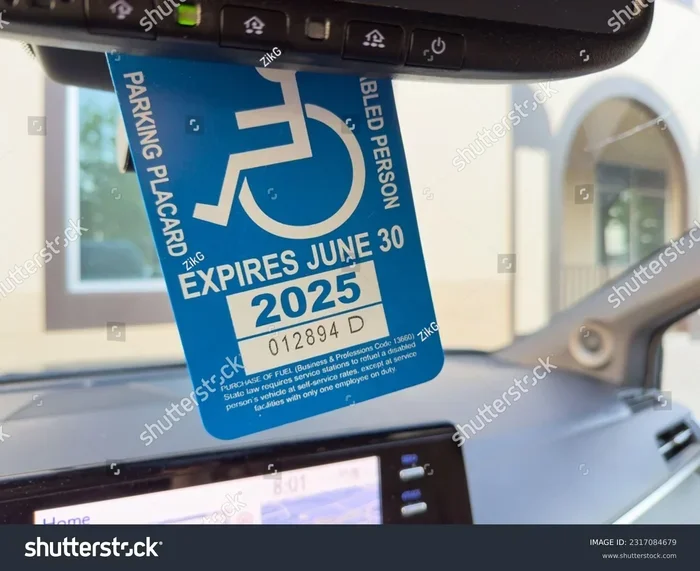
Can I Use My Handicap Placard in Another Car Today
Yes, you can generally use your handicap placard in another car, but the rules depend on your state and the type of placard you hold. Disabled parking permits are tied to the person, not the vehicle, which means you have the right to display your disability placard when riding as a passenger or driving a different vehicle. However, there are important parking placard regulations you must follow to avoid fines, penalties, or even losing your accessible parking privileges.
Key Takeaways
- Handicap placards are personal, not vehicle-specific: Your disability parking permit travels with you, not your car.
- Most states allow placard use in any vehicle: You can hang your tag in the passenger car, a rental, or a friend’s truck.
- Rules vary by state: Some states have unique handicap parking rules that restrict how and where you use your placard.
- Never let someone else use your placard: Sharing your disabled parking permit with an able-bodied person can lead to serious fines.
- Temporary and permanent placards follow the same transfer rules: Whether your mobility impairment is short-term or long-term, the placard follows you.
- Abusing your placard has consequences: Misuse can result in revocation, fines, and even criminal charges in some cases.
- Keep your placard visible and current: Hang it from the rearview mirror and renew it before it expires to stay compliant.
📑 Table of Contents
- Understanding Handicap Placards and How They Work
- Can You Use Your Handicap Placard in Another Car?
- Rules That Vary by State
- Temporary vs. Permanent Disability Placards
- Common Mistakes People Make with Placard Use
- What Happens If You Abuse Your Handicap Parking Privileges
- Tips for Using Your Handicap Placard Correctly
- Conclusion
Understanding Handicap Placards and How They Work
A handicap placard is a special parking permit that allows people with disabilities to park in accessible parking spaces. These spots are designed to be closer to building entrances, wider, and easier to navigate. The placard is usually a hangtag that you display from your rearview mirror when parked.
The disabled parking permit is issued by your state’s Department of Motor Vehicles, or DMV. It is linked to the individual, not to a specific car. This is a key point that many people misunderstand. Your disability placard gives you the right to park in designated spots, no matter which vehicle you are in.
There are two main types of placards. A temporary disability placard is for short-term conditions like a broken leg or post-surgery recovery. A permanent disability placard is for long-term or lifelong conditions. Both types carry the same parking privileges, and both can be used in any vehicle you are riding in.
You might also hear people call it a handicap parking tag, a disability parking placard, or simply a parking permit for disabled individuals. No matter what name you use, the purpose is the same. It grants you access to wheelchair accessible parking and other reserved spots.
Understanding how your placard works is the first step toward using it correctly. When you know the rules, you can park with confidence and avoid unnecessary trouble.
Can You Use Your Handicap Placard in Another Car?
The short answer is yes. In most cases, you can use your handicap placard in another car. Since the permit is tied to you as a person, it follows you whether you are driving your own vehicle, riding in a friend’s car, or even using a rental vehicle. The parking privileges attached to your disability placard are personal and portable.
Here is how it works in practice. Imagine you are a passenger in your spouse’s car. You have your handicap placard hanging from the rearview mirror. When you park, you can legally use any accessible parking space available. The same applies if you are borrowing a car for the day or picking up a rental for a trip.
This portability is by design. People with mobility impairments do not always drive their own vehicles. Many rely on family members, caregivers, or public transportation to get around. The system recognizes this need and allows the placard to travel with the individual.
When You Are the Driver
If you are driving someone else’s car, you can still display your handicap parking tag. Place it on the dashboard or hang it from the rearview mirror. As long as the placard is clearly visible, you are following the rules. The accessible parking space is yours to use because the permit belongs to you, not the car.
When You Are a Passenger
Being a passenger is even simpler. You do not need to worry about where the placard is placed. Just keep it with you. When you arrive at your destination, display it properly and park in any disabled parking space. The parking placard regulations in most states are clear about this. The permit travels with the person.
Rental Cars and Loaner Vehicles
Using your handicap placard in another car extends to rental vehicles and loaner cars too. If you are traveling and rent a car, you can absolutely use your disability parking permit in that vehicle. This is especially helpful at airports and tourist destinations where accessible parking spaces fill up quickly.
Rules That Vary by State
While the general rule is that your placard follows you, handicap parking rules differ from state to state. This is important to understand because what is legal in one state might have different requirements in another. Always check your local regulations to stay compliant.
States with Strict Placard Rules
Some states have tighter parking placard regulations than others. For example, California requires that the placard be displayed on the dashboard or hung from the rearview mirror. If it is not visible, you could be fined. Other states may have specific rules about how close to an entrance the vehicle must be parked.
In New York, the disabled parking permit must be displayed properly, and misuse can lead to a $130 fine. Texas also enforces strict penalties for handicap parking abuse, including fines up to $500 for first-time offenders. These are significant penalties that no one wants to face.
States with More Flexible Rules
Many states are more lenient. Florida, for instance, allows disabled parking permits to be used in any vehicle. The state focuses on the person holding the permit rather than the vehicle itself. Illinois follows a similar approach, making it easy for people with mobility impairments to park wherever they need to.
The key takeaway is that you should always know your state’s specific rules. What works in one location might not apply in another. A quick check with your local DMV can save you from confusion and potential fines.
Reciprocal Agreements Between States
Some states have reciprocal agreements that honor disability parking permits from other states. This means if you hold a handicap placard from one state and travel to another, your permit is generally still valid. However, you should still follow the parking rules of the state you are visiting.
Temporary vs. Permanent Disability Placards
Not all disability placards are the same. The two main categories are temporary and permanent placards, and each has its own rules and benefits.
Temporary Disability Placards
A temporary disability placard is issued for people recovering from surgery, injury, or a short-term medical condition. These placards are usually valid for six months to a year, depending on the state. You can use a temporary placard in any vehicle you are riding in, just like a permanent one.
The parking privileges attached to a temporary placard are the same as those for a permanent placard. You can park in accessible parking spaces wherever you go. The only difference is the expiration date.
Permanent Disability Placards
A permanent disability placard is for individuals with long-term or permanent mobility impairments. These placards may need to be renewed every few years, but they grant ongoing parking privileges. You can use a permanent placard in any vehicle, and it follows you wherever you travel.
Placards for Disabled Veterans
Some states offer special disabled parking permits for veterans. These placards often come with additional benefits, such as free parking at certain locations. The rules for using these placards in another car are the same as standard placards. They are tied to the individual, not the vehicle.
Common Mistakes People Make with Placard Use
Even well-meaning people make mistakes when using their handicap placard. Being aware of these errors can help you avoid fines and keep your disability parking permit in good standing.
Letting Someone Else Use Your Placard
This is the most common mistake. Your handicap parking tag is for you and you alone. Letting a friend or family member who does not have a disability use your placard is illegal in every state. It is also one of the fastest ways to get your disabled parking permit revoked.
Failing to Display the Placard Properly
Your placard must be visible when parked. Hanging it from the rearview mirror is the standard practice. If it is tucked away in the glove box or lying on the passenger seat, you could be cited for improper display. Make it easy for parking enforcement to see your handicap placard.
Using an Expired Placard
Expired placards are just as problematic as no placard at all. Always check the expiration date and renew on time. Most states offer online renewal options, which makes the process quick and easy. Do not let a lapsed disability placard cause you unnecessary trouble.
Parking Without Needing the Space
If you can walk easily and do not need the extra space, do not park in an accessible parking space. These spots exist for people with mobility impairments who need the extra room to enter and exit their vehicles. Misusing these spaces is not only illegal but also deeply disrespectful to those who truly need them.
What Happens If You Abuse Your Handicap Parking Privileges
The consequences of misusing a handicap placard can be serious. Most states treat handicap parking abuse as a violation that carries fines and potential legal action.
Fines vary by state. In California, misusing a disabled parking permit can result in a fine of up to $1,000. In Florida, the penalty can include a $250 fine and possible suspension of your driving privileges. Some states go further and treat placard misuse as a misdemeanor offense.
Beyond fines, repeated abuse can lead to revocation of your disability parking permit. Once revoked, you must reapply and go through the entire qualification process again. This can be time-consuming and frustrating.
It is also worth noting that many states have increased enforcement in recent years. Parking enforcement officers use cameras and spot checks to catch handicap parking abuse. Do not assume you will not get caught. The risks are simply not worth it.
How to Report Placard Misuse
If you see someone misusing a handicap parking tag, you can report it. Most states have a hotline or online form for reporting abuse. Provide the vehicle description, license plate number, and location. Your report can help protect accessible parking spaces for those who truly need them.
Tips for Using Your Handicap Placard Correctly
Using your handicap placard in another car is straightforward when you follow a few simple guidelines. Here are some practical tips to keep in mind.
- Always display the placard visibly. Hang it from the rearview mirror or place it on the dashboard where it can be seen easily.
- Renew your placard before it expires. Set a reminder a month before the expiration date so you never have to worry about an expired tag.
- Do not share your placard. It is yours and yours alone. Never let anyone else use it, even if they say they have a hidden disability.
- Know your state’s rules. Regulations differ, so take a few minutes to review your state’s parking placard regulations on the DMV website.
- Keep the placard in good condition. If it becomes damaged or illegible, request a replacement from your local DMV office.
- Travel with your placard. Whether you are driving your own car or someone else’s, always bring your disability parking permit with you.
- Respect the spaces. Only park in accessible parking spaces when you genuinely need them. These spots are a lifeline for people with mobility impairments.
Following these tips ensures that you use your handicap placard responsibly and avoid any unnecessary complications. It also helps maintain the integrity of the disabled parking permit system for everyone who relies on it.
Conclusion
So, can you use your handicap placard in another car? The answer is a clear yes. Your disability placard is tied to you as an individual, not to a specific vehicle. Whether you are driving, riding as a passenger, or using a rental car, your parking privileges follow you.
That said, you must use your placard responsibly. Follow your state’s rules, display the permit properly, and never share it with someone who does not qualify. Abusing your handicap parking tag can lead to fines, revocation, and even legal trouble.
The system exists to help people with mobility impairments navigate the world more easily. When you use your disability parking permit correctly, you are part of a system that respects and supports those who need it most. Keep your placard current, display it properly, and park with confidence knowing you are doing things the right way.
Frequently Asked Questions
Can I use my handicap placard in a rental car?
Yes, absolutely. Your handicap placard is tied to you personally, not to your vehicle. You can display your disability parking permit in any rental car and park in accessible parking spaces just as you would in your own car.
What happens if someone else uses my handicap placard?
Allowing someone else to use your disabled parking permit is illegal in all states. If caught, both you and the other person could face fines. Your placard may also be revoked, and you could lose your parking privileges entirely.
Do I need to transfer my placard between vehicles?
No transfer is needed. Your handicap parking tag simply moves with you. Just hang it in the rearview mirror of whichever vehicle you are using, and you are good to go.
Can I use my out-of-state handicap placard in another state?
Most states honor disability parking permits from other states through reciprocal agreements. However, you should still follow the parking rules of the state you are visiting. Check with the local DMV if you are unsure about specific regulations.
How long does it take to get a handicap placard?
Processing times vary by state. Some states issue a temporary disability placard within a few weeks, while permanent placards may take a bit longer. You can often check the status of your application online through your state DMV portal.
What should I do if my handicap placard is lost or stolen?
Contact your state DMV right away to request a replacement. Most states allow you to apply online or by mail. In the meantime, do not park in accessible parking spaces without a valid placard displayed, as you could be fined.