Can Bed Bugs Get in Your Car and Ruin Your Road Trip
Yes, bed bugs can absolutely get into your car, and they can turn a road trip into a nightmare. These tiny pests hitchhike on luggage, clothing, and used furniture, making your vehicle a prime hiding spot. Understanding how bed bugs get in, how to spot them early, and how to eliminate them can save you time, money, and a lot of stress. This guide covers everything you need to know about bed bugs in your car and how to keep your vehicle pest-free.
Have you ever parked your car and noticed tiny red bumps on your legs? Or maybe you opened your trunk and caught a strange, musty smell. If so, you might be dealing with bed bugs in your car. It sounds scary, but you are not alone. Many people face this problem every day, especially after travel or buying secondhand items.
The good news is that you can take action. This guide will walk you through everything you need to know about can bed bugs get in your car. We will cover how they get in, how to spot them, and the best ways to get rid of them. By the end, you will feel confident and prepared to protect your vehicle and your peace of mind.
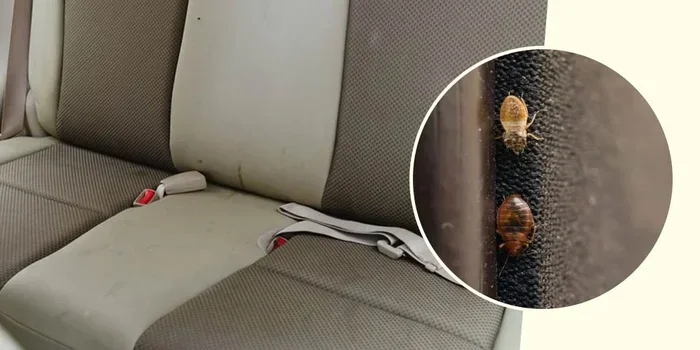
Bed bugs are small, oval-shaped insects that feed on human blood. They are about the size of an apple seed and reddish-brown in color. Despite their name, they do not only live in beds. They can survive in cars, buses, trains, and almost any place humans frequent. Your car offers warm hiding spots and easy access to a food source, which makes it an attractive environment for these pests.
Key Takeaways
- Bed bugs can easily enter your car: They hitch rides on clothing, luggage, bags, and used furniture.
- Early detection is key: Look for tiny reddish-brown spots, shed skins, and a musty smell.
- Bed bugs can survive in cars for months: They thrive in warm, hidden spaces like seat seams and dashboard crevices.
- Heat treatment and vacuuming work well: These are effective DIY methods for removing bed bugs from vehicles.
- Prevention is simple: Inspect your belongings, wash clothes after trips, and avoid parking near infested areas.
- Severe infestations need professional help: Pest control experts offer specialized car bed bug treatments.
- Road trips increase risk: Staying in hotels and using public transport raises your chances of bringing bed bugs home.
📑 Table of Contents
- How Bed Bugs Get Into Your Car
- Signs of Bed Bugs in Your Vehicle
- How Long Can Bed Bugs Survive in a Car?
- How to Get Rid of Bed Bugs in Your Car
- Preventing Bed Bugs in Your Car
- When to Call a Professional for Car Bed Bug Treatment
- Common Mistakes People Make When Dealing with Bed Bugs in Cars
- Key Takeaways
- Conclusion
How Bed Bugs Get Into Your Car
Understanding how bed bugs get into your car is the first step in preventing an infestation. These pests are excellent hitchhikers. They move from place to place by catching rides on people and their belongings. Here are the most common ways they end up in your vehicle.
Travel and Luggage
Hotels, motels, and Airbnb rentals are common places where bed bugs spread. When you stay in an infested room, bed bugs can crawl into your suitcase, purse, or backpack. You then carry them to your car without even knowing it. From there, they can hide in seat cushions, floor mats, and storage compartments.
This is especially true for road trippers who stay in multiple hotels. Each stop increases your risk of picking up unwanted passengers. Even luxury hotels are not immune to bed bug problems. These pests do not care about cleanliness, they just want a warm body to feed on.
Used Furniture and Clothing
Buying secondhand furniture or clothes is a great way to save money. But it can also bring bed bugs into your life, including your car. If you place a used couch or clothing pile in your trunk, bed bugs or their eggs can tag along. They hide in fabric seams, cracks, and crevices where they are hard to spot.
Always inspect used items carefully before bringing them into your home or car. Look for tiny blood spots, dark fecal stains, or live bugs in the seams and folds.
Public Transportation
Buses, trains, taxis, and rideshares can all carry bed bugs. When you sit on an infested seat, the bugs can crawl onto your clothes or bag. You then transport them to your car without realizing it. This is one of the sneaky ways bed bugs spread from public spaces to personal vehicles.
Visiting Infested Homes or Offices
If you visit a friend or family member whose home has a bed bug problem, you could accidentally carry them to your car. Even visiting an office with an infestation can put you at risk. Bed bugs are patient creatures, and they will crawl onto your belongings if given the chance.
Signs of Bed Bugs in Your Vehicle
Catching a car bed bug infestation early makes treatment much easier. Bed bugs are small and skilled at hiding, so you need to know what signs to look for. Here are the most common indicators that bed bugs have made your car their home.
Visible Bugs and Eggs
The most obvious sign is spotting live bed bugs. They are tiny, flat, and reddish-brown. You might find them in seat seams, under the dashboard, or along the edges of your car mats. Bed bug eggs are even smaller, about the size of a pinhead, and white or translucent in color.
Check these common hiding spots in your car:
- Seat seams and folds
- Under the dashboard
- Between seat cushions
- Inside the trunk lining
- Under floor mats
- In the glove compartment
- Along the rear shelf or cargo area
Dark Spots and Stains
Bed bugs leave behind dark fecal spots that look like tiny ink dots. You may notice these on your seat fabric, headliner, or carpet. Blood spots from crushed bugs or bite marks on your sheets can also appear. These stains are a clear sign of bed bugs in vehicle interiors.
Shed Skins and Musty Odor
As bed bugs grow, they shed their skins. These tiny exoskeletons look like clear, empty bug shells. You may find them in the same hiding spots as live bugs. A heavy infestation also produces a musty, sweet smell caused by the bugs’ scent glands. If your car suddenly smells strange, it is worth investigating.
Unexplained Bites
Waking up with itchy, red bites after driving or napping in your car is a red flag. Bed bug bites often appear in a line or cluster on exposed skin. While bites alone do not confirm an infestation, combined with other signs, they are a strong indicator.
How Long Can Bed Bugs Survive in a Car?
This is one of the most common questions people ask: how long do bed bugs live in a car? The answer depends on several factors, including temperature, food access, and humidity. Understanding their survival timeline helps you plan your treatment approach.
Without a Blood Meal
Bed bugs can live for several months without feeding. In a cool car, they can survive up to 4 to 6 months without a blood meal. In warmer conditions, they may live for 2 to 3 months without feeding. This means that even if you leave your car unused for weeks, the bugs can still be alive and waiting.
With a Blood Meal
If bed bugs have regular access to a host, they can live for about 6 to 12 months. Your car becomes a convenient feeding ground if you sleep in it regularly or transport items that carry bugs. The more access they have to food, the longer the infestation will persist.
Temperature Matters
Temperature plays a huge role in bed bug survival. These pests thrive in temperatures between 70 and 80 degrees Fahrenheit. In extreme heat above 113 degrees, bed bugs die within about 30 minutes. In freezing temperatures below 0 degrees, it takes much longer, but they can still survive for a while. This is why bed bug heat treatment for car is such an effective method.
How to Get Rid of Bed Bugs in Your Car
Dealing with a bed bug infestation in car can feel overwhelming, but it is manageable with the right approach. You do not need to throw your car away. There are several effective methods you can try at home before calling a professional.
Step 1: Thorough Vacuuming
Start by vacuuming every inch of your car’s interior. Use the hose attachment to reach into seams, crevices, and corners. Vacuum the seats, carpet, dashboard, and trunk. After vacuuming, immediately seal the bag in a plastic bag and throw it away outside your home. This removes live bugs, eggs, and shed skins.
Step 2: Wash and Heat-Treat Fabrics
Remove all seat covers, floor mats, and removable fabric items. Wash them in hot water (at least 130 degrees Fahrenheit) and dry them on the highest heat setting. The heat kills both bed bugs and their eggs. If items cannot be washed, place them in a hot dryer for at least 30 minutes.
Step 3: Use a Steamer
A handheld steamer is one of the best tools for how to get rid of bed bugs in car settings. The high heat from steam kills bed bugs and eggs on contact. Focus on seams, cracks, and fabric folds where bugs hide. Move slowly and make sure the steam penetrates deep into the material.
Step 4: Apply Diatomaceous Earth
Diatomaceous earth is a natural powder that damages the outer shell of bed bugs, causing them to dehydrate and die. Sprinkle a thin layer in hidden areas like under seats, along the dashboard edges, and in trunk compartments. Leave it for a few days, then vacuum it up. Use food-grade diatomaceous earth for safety.
Step 5: Use Bed Bug Sprays
There are several EPA-approved sprays designed for indoor pest control. Look for sprays labeled for use on fabrics and upholstery. Spray along seams, cracks, and hiding spots. Always follow the label instructions and ventilate your car well during and after treatment.
Step 6: Try Heat Treatment
Heat is one of the most effective ways to kill bed bugs. You can park your car in direct sunlight on a hot day and roll up the windows to trap heat. The interior temperature should reach at least 120 degrees to kill all life stages. However, this method works best in summer and may not reach all hidden spots evenly.
For a more thorough approach, some pest control companies offer professional heat treatment for car infestations. They use specialized equipment to raise the temperature of the entire vehicle to a level that kills every bed bug and egg. This method is fast, effective, and chemical-free.
Preventing Bed Bugs in Your Car
Prevention is always better than treatment. Once you have dealt with a car bed bug infestation, you want to make sure it never happens again. Simple habits can go a long way in keeping your vehicle pest-free.
Inspect After Travel
Always inspect your luggage and clothing after staying in hotels or visiting others’ homes. Check seams, pockets, and folds for any signs of bugs. Shake out bags outside before placing them in your car. This one habit can prevent most car infestations.
Use Protective Covers
Consider using mattress and seat protectors with zippered enclosures. These covers trap any existing bugs inside and prevent new ones from getting in. They are especially useful if you frequently sleep in your car or transport bedding items.
Keep Your Car Clean
Regular vacuuming and cleaning reduce the chances of bed bugs establishing a home in your vehicle. Remove clutter, trash, and unnecessary items where bugs can hide. A clean car is less attractive to pests.
Be Careful with Secondhand Items
Before bringing used furniture, clothing, or electronics into your car, inspect them thoroughly. Look for live bugs, eggs, dark stains, and shed skins. When in doubt, treat the item with heat or keep it isolated for a few days before placing it in your vehicle.
Park Smart
Avoid parking your car near dumpsters, garbage areas, or infested buildings. Bed bugs can crawl from nearby infestations into your vehicle. Choosing clean, well-maintained parking spots reduces your exposure risk.
When to Call a Professional for Car Bed Bug Treatment
DIY methods work well for mild infestations, but sometimes you need expert help. If you have tried treating your car and still see bed bugs after two weeks, it is time to call a professional. A heavy infestation with many visible bugs, eggs, and stains also warrants professional intervention.
Pest control experts use specialized tools and treatments that are more powerful than anything you can buy over the counter. They can assess the full extent of the problem and target every hiding spot. Many companies now offer bed bug treatment for car services specifically designed for vehicle interiors.
Professional treatments typically include:
- Thermal heat treatment that raises the car interior to lethal temperatures
- Targeted insecticide applications in hidden cracks and crevices
- Steam treatment for upholstery and fabric surfaces
- Follow-up inspections to ensure the infestation is fully eliminated
While professional treatment costs more than DIY methods, it offers peace of mind and a higher success rate. The cost varies depending on the severity of the infestation and the treatment method used, but most car treatments range from $100 to $400.
Common Mistakes People Make When Dealing with Bed Bugs in Cars
Avoid these common pitfalls that can make the problem worse or lead to wasted effort.
Only Treating the Car, Not the Home
Bed bugs do not stay in one place. If your home is infested, treating your car alone will not solve the problem. The bugs will simply move back and forth between both locations. Always inspect and treat all areas where you spend time.
Using Too Much Chemical Spray
More spray does not mean better results. Overusing chemicals can damage your car’s interior and is not safe for your health. Follow product instructions carefully and consider non-chemical methods like heat and steam first.
Ignoring the Trunk and Hidden Areas
Many people focus only on the seats and forget about the trunk, underfloor areas, and dashboard crevices. Bed bugs love these hidden spots. Make sure your treatment covers every nook and cranny of the vehicle.
Not Washing Clothes Immediately
If you suspect your clothes have picked up bed bugs, do not leave them in a pile. Wash and dry them on high heat immediately. Leaving infested clothes in your car or home gives the bugs time to spread.
Key Takeaways
- Bed bugs can easily enter your car: They hitch rides on luggage, clothing, bags, and used furniture.
- Early detection is key: Look for tiny reddish-brown spots, shed skins, and a musty smell.
- Bed bugs can survive in cars for months: They thrive in warm, hidden spaces like seat seams and dashboard crevices.
- Heat treatment and vacuuming work well: These are effective DIY methods for removing bed bugs from vehicles.
- Prevention is simple: Inspect your belongings, wash clothes after trips, and avoid parking near infested areas.
- Severe infestations need professional help: Pest control experts offer specialized car bed bug treatments.
- Road trips increase risk: Staying in hotels and using public transport raises your chances of bringing bed bugs home.
Conclusion
The answer to the question can bed bugs get in your car is a clear yes. These persistent pests can enter your vehicle through luggage, clothing, used items, and even public transportation. Once inside, they can hide for months and multiply quickly if left unchecked.
However, you are not helpless. By learning the signs of a bed bug infestation in car settings, taking prompt action, and following the prevention tips in this guide, you can protect your vehicle and your road trips. Whether you choose DIY methods like vacuuming, steaming, and heat treatment, or decide to call a professional, the most important step is to act quickly.
Do not let bed bugs ruin your car or your peace of mind. Stay vigilant, inspect regularly, and treat infestations early. With the right approach, you can keep your vehicle bed bug-free and enjoy every journey with confidence.
Frequently Asked Questions
Can bed bugs live in your car permanently?
Bed bugs can survive in cars for several months, especially if they have regular access to a host. Without feeding, they can live for 4 to 6 months. With access to blood meals, they can survive for up to a year or more. This is why early detection and treatment are so important.
How do you know if your car has bed bugs?
Look for signs like tiny reddish-brown bugs, dark fecal spots on seats or carpets, shed skins, a musty odor, and unexplained bite marks on your skin after driving. Checking common hiding spots like seat seams and under floor mats helps you catch an infestation early.
Can bed bugs get in your car from a hotel?
Yes, hotels are one of the most common places where bed bugs spread to cars. When you stay in an infested room, bed bugs crawl into your luggage and clothing. You then transport them to your vehicle, where they can establish a new infestation in your car’s interior.
What is the fastest way to get rid of bed bugs in a car?
The fastest method is professional heat treatment, which raises the car’s interior temperature to over 120 degrees Fahrenheit, killing all bed bugs and eggs in a single session. For DIY options, combining thorough vacuuming, steam treatment, and washing all fabrics on high heat works well for mild infestations.
Can bed bugs survive the winter in a car?
Yes, bed bugs can survive cold winter temperatures in cars for a limited time. They become less active in cold conditions but do not die immediately. In freezing temperatures below 0 degrees Fahrenheit, it takes several days of continuous exposure to kill them. This is why relying on winter cold alone is not a reliable treatment method.
Is it safe to drive with bed bugs in your car?
Yes, it is safe to drive, but you should address the infestation as soon as possible. Bed bugs do not spread diseases, but their bites can cause itching, discomfort, and allergic reactions in some people. Prolonged exposure also increases the risk of the infestation spreading to your home.