Everything You Need to Know About Car Petrol Tank Cap
The car petrol tank cap may look small, but it plays a big role in your vehicle’s fuel system, safety, and emission control. This guide covers everything from the different types of caps to common problems and how to choose the right replacement. You will learn how a simple cap can affect your fuel economy, prevent harmful vapors from escaping, and even trigger warning lights on your dashboard.
You probably do not think about your car petrol tank cap very often. You grab it, twist it off, fill up the tank, and snap it back on. But this tiny little piece of hardware does a lot more work than most people realize. It keeps fuel vapors locked inside your tank. It protects the fuel system from dirt and moisture. And it plays a key role in your car’s emission control system.
In this guide, we will walk you through everything you need to know about your car petrol tank cap. We will cover the different types, why it matters, common problems, and how to pick the right replacement. Whether you are a car enthusiast or someone who just wants to keep their vehicle running smoothly, this article has you covered. Let us dive in.
Key Takeaways
- Seals the fuel system: A car petrol tank cap prevents fuel vapor from escaping and keeps moisture and dirt out of the tank.
- Affects fuel economy: A loose or damaged cap can reduce gas mileage and trigger your check engine light.
- Several types exist: You will find threaded caps, pressure-release caps, and key-locked caps depending on your vehicle.
- Easy to replace: Most caps can be swapped out in seconds without any tools or professional help.
- EVAP system connection: The cap is a vital part of your car’s evaporative emission control system.
- Signs of a bad cap: Fuel smell, rough idling, and dashboard warning lights often point to a faulty petrol tank cap.
📑 Table of Contents
What Is a Car Petrol Tank Cap?
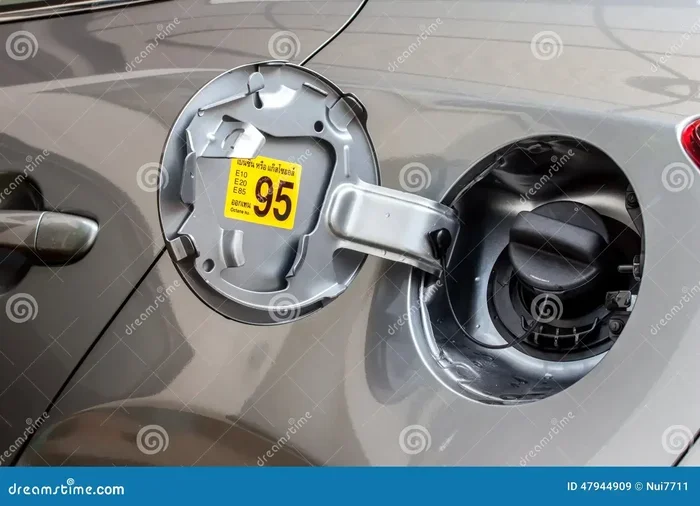
A car petrol tank cap is the cover that sits on top of your vehicle’s fuel tank. It seals the tank opening and prevents fuel from spilling or evaporating. Most caps screw on with a twist, and they create a tight seal against the fuel filler neck. This seal is essential for keeping your fuel system working properly.
But the cap does more than just cover the tank. It is part of a larger system called the EVAP system, which stands for Evaporative Emission Control. This system captures fuel vapors that would otherwise escape into the air. The cap helps maintain the right pressure inside the tank so that vapors are redirected to the charcoal canister instead of being released into the atmosphere.
Why Does the Seal Matter So Much?
The seal on your fuel cap is the most important part. If the seal is worn out or damaged, fuel vapors can leak out. This leads to several problems. You might notice a fuel smell around your car. You could lose fuel through evaporation, which wastes money. And your vehicle might fail an emissions test. A proper seal keeps everything contained and working as it should.
How Does a Petrol Tank Cap Work?
When you twist the cap on, it locks into place. The rubber gasket inside the cap presses against the fuel filler neck to create an airtight seal. Inside the tank, fuel naturally produces vapors. The cap allows a small amount of pressure to build up, which is then released through the EVAP system in a controlled way. This cycle keeps the fuel tank at the right pressure level.
Types of Car Petrol Tank Caps
Not all fuel caps are the same. Different vehicles use different types of caps based on their design and emission requirements. Let us look at the most common types you will come across.
Threaded Screw-On Caps
This is the most common type of car petrol tank cap. You simply twist it clockwise to tighten and counterclockwise to loosen. These caps use a rubber seal to create a tight fit. Most modern cars use this design because it is simple, reliable, and easy to replace.
Pressure-Release Caps
Some vehicles use a cap with a built-in pressure-release valve. This type of cap allows excess pressure to vent out in a controlled way. It prevents the tank from building up too much pressure, which could cause damage or leaks. These caps are common in older vehicles and some heavy-duty models.
Key-Locked Caps
High-end vehicles and some performance cars use a fuel cap that requires a key to open. This adds a layer of security and prevents fuel theft. These caps look similar to standard threaded caps but have a keyhole in the center. You need the matching key to unlock and remove the cap.
Universal vs. Vehicle-Specific Caps
When shopping for a replacement cap, you will see two main options. Universal caps fit a wide range of vehicles and are easy to find. Vehicle-specific caps are designed for a particular make and model. They often have the correct thread size and seal right out of the box. Always check your owner’s manual or the part number before buying.
| Cap Type | Best For | Security Level | Ease of Replacement |
|---|---|---|---|
| Threaded Screw-On | Most passenger vehicles | Standard | Very Easy |
| Pressure-Release | Older models | Standard | Easy |
| Key-Locked | Luxury and performance cars | High | Moderate |
| Universal | Emergency replacements | Standard | Very Easy |
| Vehicle-Specific | Exact fit and OEM quality | High | Easy |
Why Your Car Petrol Tank Cap Matters
You might wonder why such a small part deserves so much attention. The truth is, your petrol tank cap affects several important aspects of your vehicle. Ignoring it can lead to bigger problems down the road.
Fuel Economy
A loose or damaged cap can cause fuel to evaporate from your tank. This means you are literally burning money. Studies show that a faulty fuel cap can reduce your fuel efficiency by a small but noticeable amount. Over time, those small losses add up. Keeping your cap tight and in good condition helps you get the most out of every tank of petrol.
Emission Control
Fuel vapors contain harmful hydrocarbons that contribute to air pollution. Your car’s EVAP system captures these vapors and routes them back into the engine for combustion. If your cap is broken or missing, those vapors escape directly into the atmosphere. This not only harms the environment but can also cause your vehicle to fail an emissions inspection.
Check Engine Light
One of the most common reasons for a check engine light is a loose or faulty fuel cap. The car’s onboard diagnostics system monitors the pressure in the fuel tank. If it detects a leak, it triggers the warning light. Before you panic and take your car to the mechanic, try tightening the cap first. In many cases, that simple fix turns the light off within a few driving cycles.
Protection from Contaminants
Your petrol tank cap also acts as a barrier against dirt, dust, water, and other contaminants. If these particles get into the fuel system, they can cause serious damage to the fuel pump, injectors, and engine. A good cap keeps the fuel clean and free from debris.
Common Problems with Fuel Caps
Even though fuel caps are built to last, they can develop problems over time. Here are the most common issues drivers face with their car petrol tank cap.
Loose or Worn-Out Seal
The rubber gasket inside the cap wears out over time. When this happens, the seal is no longer tight. You might notice a fuel odor near the rear of the car, especially on hot days. A worn seal is one of the top reasons for a check engine light related to the fuel system.
Cracked or Damaged Cap
Plastic caps can crack from exposure to heat, fuel, and general wear. Metal caps can rust or corrode. A cracked cap cannot maintain proper pressure in the fuel tank. If you see any visible damage on your cap, it is time to replace it.
Cross-Threaded Cap
Sometimes, people force the cap on at an angle, which causes it to cross-thread. This damages both the cap and the fuel filler neck. A cross-threaded cap will not seal properly and may come loose while driving. Always align the cap straight before twisting it on.
Missing Cap
This sounds obvious, but it happens more often than you might think. Caps can pop off when filling up, especially if you overtighten them. Driving without a cap allows fuel vapors to escape and lets contaminants enter the tank. If you lose your cap, replace it as soon as possible.
Wrong Cap Size
Not all caps fit all cars. The thread size and seal diameter vary between manufacturers. Using the wrong cap can lead to poor sealing and EVAP system errors. Always check your vehicle’s specifications before buying a replacement.
Quick Tips
- Always tighten your cap until you hear three clicks. This ensures a proper seal.
- Do not overtighten the cap. This can damage the threads and the rubber seal.
- Check your cap regularly for cracks, wear, or damage.
- Keep a spare cap in your glove box in case you lose yours.
- Replace your cap every 3 to 5 years or at the first sign of wear.
How to Choose the Right Replacement Cap
If you need to replace your car petrol tank cap, picking the right one is important. Here is what you need to consider.
Check Your Vehicle Manual
The easiest way to find the right cap is to check your owner’s manual. It will list the correct part number and specifications. You can also look for a sticker inside the fuel door, which often shows the recommended cap type.
Match the Thread Size
Fuel caps come in different thread sizes. The most common sizes are 40mm and 55mm, but there are others. Measure the thread diameter of your current cap or the fuel filler neck to make sure you get the right fit.
Consider the Material
Most replacement caps are made from plastic or metal. Plastic caps are lightweight and resistant to corrosion. Metal caps are more durable and often look better, but they can rust over time. Choose a material that suits your climate and driving conditions.
Look for OEM or Quality Aftermarket
OEM (Original Equipment Manufacturer) caps are made by the same company that supplied the cap for your car. They offer the best fit and quality. Aftermarket caps from reputable brands are also a good choice. Avoid cheap, no-name caps, as they may not seal properly.
Check for EVAP Compatibility
Modern vehicles require caps that are compatible with the EVAP system. Look for caps labeled as EVAP-compliant or those that meet the specific emission standards for your region. This ensures your car passes inspections and runs clean.
Budget vs. Premium
A basic universal cap costs around $5 to $15. A vehicle-specific OEM cap can range from $15 to $40. Key-locked caps tend to be on the higher end. Investing in a quality cap is a small price to pay for the protection and fuel savings it provides.
How to Replace Your Car Petrol Tank Cap
Replacing your fuel cap is one of the simplest maintenance tasks you can do. You do not need any special tools or mechanical skills. Here is how to do it step by step.
Step-by-Step Replacement Guide
Follow these simple steps to swap out your old cap for a new one.
- Park your car on a flat surface and turn off the engine. Let the car cool down if you have just driven it.
- Open the fuel door and locate the current petrol tank cap.
- Twist the old cap counterclockwise to loosen it. Remove it carefully.
- Inspect the fuel filler neck for any dirt, debris, or damage. Wipe it clean with a dry cloth.
- Align the new cap with the filler neck. Make sure the threads match up straight.
- Twist the new cap clockwise until you hear three clicks. Do not overtighten.
- Close the fuel door and start the engine. Check the dashboard for any warning lights.
When to See a Mechanic
In most cases, replacing a fuel cap is a DIY job. However, if the check engine light stays on after installing a new cap, there may be a deeper issue. A mechanic can run a diagnostic scan to check the EVAP system for leaks or other problems. Also, if the fuel filler neck is damaged, you will need professional repair.
Expert Insights on Fuel Cap Maintenance
We spoke with a few automotive experts to get their take on fuel cap care. Here is what they had to say.
Regular Inspection Goes a Long Way
“Most drivers only think about their fuel cap when something goes wrong,” says a seasoned mechanic. “A quick visual inspection every few months can catch problems early. Look for cracks, check the rubber seal, and make sure the cap tightens properly.”
Do Not Ignore the Check Engine Light
Another expert adds that a check engine light should never be ignored, even if it might just be the fuel cap. “It is the cheapest and easiest thing to check first. Tighten the cap and see if the light goes off. If it does not, you need to dig deeper.”
Keep Your Cap Clean
Dirt and grime can build up around the cap and filler neck over time. A quick wipe-down during your regular car wash can prevent debris from getting into the fuel system. Clean contacts also help the cap seal better.
Key Takeaways
- A car petrol tank cap is more important than it looks. It seals the fuel system, controls emissions, and protects your fuel from contamination.
- Different vehicles need different types of caps. Know whether your car uses a threaded, pressure-release, or key-locked cap.
- A faulty cap can cause real problems. From reduced fuel economy to a check engine light, a bad cap affects more than you think.
- Replacement is simple and affordable. Most caps cost under $40 and can be swapped out in under a minute.
- Prevention is better than repair. Regular inspection and proper care of your fuel cap can save you time and money in the long run.
Your car petrol tank cap is one of those parts that you never think about until something goes wrong. But as we have seen, it is a small component with a big impact. It keeps your fuel safe, your emissions in check, and your engine running smoothly. Taking care of it is one of the easiest and most cost-effective things you can do for your vehicle.
Next time you fill up at the petrol station, take a moment to check your cap. Make sure it is tight, clean, and in good condition. If it looks worn or damaged, grab a replacement. Your car will thank you with better fuel economy, cleaner emissions, and fewer trips to the mechanic.
Stay proactive about your car’s maintenance. Small parts like the fuel cap might seem insignificant, but they keep the whole system working. Share this guide with a friend who might find it helpful, and keep your vehicle in top shape for miles to come.
Frequently Asked Questions
Can I drive with a loose petrol tank cap?
You can drive a short distance with a loose cap, but it is not recommended. A loose cap allows fuel vapors to escape, which reduces fuel economy and can trigger the check engine light. Tighten the cap as soon as you notice it is loose.
How much does it cost to replace a car petrol tank cap?
Most replacement caps cost between $5 and $40. OEM caps from the dealership tend to be on the higher end, while aftermarket and universal caps are more affordable. The installation cost is usually zero since you can do it yourself in seconds.
What happens if my fuel cap is missing?
Driving without a fuel cap allows fuel vapors to escape and lets dirt and moisture enter the tank. It can also trigger the check engine light. Replace the cap as soon as possible to avoid fuel loss and potential contamination of the fuel system.
How often should I replace my petrol tank cap?
There is no set schedule for replacing a fuel cap. Inspect it regularly for cracks, wear, or a weak seal. Most caps last for several years, but replacing one every 3 to 5 years is a good practice to ensure a proper seal and optimal performance.
Will a new fuel cap turn off the check engine light?
If the check engine light was triggered by a loose or faulty cap, tightening or replacing it may turn the light off. However, you may need to drive for several cycles before the light resets. If the light stays on, there could be another issue that needs professional diagnosis.
Are all fuel caps the same size?
No, fuel caps come in different thread sizes and seal diameters. Common sizes include 40mm and 55mm, but there are others. Always check your vehicle manual or the part number on your current cap before purchasing a replacement to ensure a proper fit.