Car Painting for Kids Fun Art Projects You Will Love
Car painting for kids is a wonderful way to spark creativity and build fine motor skills through hands-on art. This guide covers everything from basic supplies and easy techniques to advanced custom designs that young artists will absolutely love. Whether your child wants to paint a simple race car or design a custom masterpiece, you will find practical tips, project ideas, and safety advice to make the experience fun and memorable.
There is something magical about watching a child pick up a paintbrush and transform a plain car into a rolling work of art. Car painting for kids is more than just a fun afternoon activity. It is a doorway to imagination, self-expression, and hands-on learning that children genuinely remember.
If you have been looking for a creative project that keeps kids engaged and excited, kids car art projects might be exactly what you need. This guide walks you through everything from choosing the right supplies to completing stunning custom designs. You will find practical tips, easy step-by-step instructions, and plenty of inspiration to get started today.
Whether your child is a toddler just discovering colors or an older kid ready for advanced detailing, there is something here for every skill level. Let us dive into the wonderful world of painting toy cars and help your young artist create something truly special.
Key Takeaways
- Easy to Start: Car painting for kids requires minimal supplies and can begin with items you already have at home.
- Builds Creativity: Kids explore color mixing, design planning, and artistic expression through car art projects.
- Safe and Simple: With the right non-toxic paints and basic safety tips, even young children can enjoy painting cars confidently.
- Skill Building: These projects help develop fine motor skills, patience, and attention to detail in a playful way.
- Endless Ideas: From toy cars to model cars, the possibilities for creative car painting projects are virtually limitless.
- Great for All Ages: Toddlers, preschoolers, and older kids can all find age-appropriate car painting activities to enjoy.
- Perfect for Gifting: Hand-painted cars make thoughtful, personalized gifts for birthdays, holidays, and special occasions.
📑 Table of Contents
- Why Car Painting Is Perfect for Kids
- Getting Started: Supplies You Will Need
- Easy Car Painting Projects for Beginners
- Intermediate Projects: Adding Detail and Character
- Advanced Techniques for Young Artists
- Safety Tips for Car Painting with Kids
- Displaying and Preserving Finished Cars
- Common Mistakes to Avoid
- Expert Tips for Amazing Results
- Conclusion
Why Car Painting Is Perfect for Kids
Kids naturally love cars. The shiny surfaces, the bright colors, and the idea of making something move capture their attention like almost nothing else. When you combine that love with the freedom of painting, you get an activity that is both entertaining and deeply beneficial.
Car painting for kids offers a unique blend of creativity and structure. Unlike open-ended drawing, a car gives children a defined shape to work with. This can actually make the process less intimidating for kids who feel overwhelmed by a blank page. The car shape provides guidance while still leaving plenty of room for personal expression.
Benefits Beyond Art
When kids paint cars, they develop skills that go far beyond the art table. Here are some of the key benefits:
- Fine Motor Skills: Holding a brush, painting straight lines, and adding small details all strengthen hand-eye coordination.
- Color Theory: Kids learn about mixing colors, complementary shades, and color harmony through hands-on practice.
- Patience and Focus: Painting requires waiting for layers to dry and paying attention to small areas, which builds concentration.
- Confidence Building: Completing a custom car design for kids gives a real sense of accomplishment and pride.
- Planning Skills: Deciding on a design before painting teaches kids to think ahead and organize their ideas.
These benefits make car art activities for children one of the most rewarding crafts you can offer at home or in a classroom setting.
Getting Started: Supplies You Will Need
One of the best things about car painting for kids is that you do not need a lot of expensive equipment. In fact, many of the supplies you need are probably already in your house. Here is a simple list to get you going.
Basic Supplies for Beginners
- Cars to Paint: Toy cars, model cars, or even cardboard cutouts of cars work perfectly for painting toy cars.
- Acrylic Paint: Non-toxic acrylic paint is the go-to choice for most kid-friendly projects. It adheres well and dries quickly.
- Paintbrushes: A set of small brushes in different sizes helps kids add details and fill larger areas with ease.
- Paint Palette or Plate: A simple paper plate works great as a mixing palette for automotive paint for beginners.
- Cup of Water: For rinsing brushes between colors and keeping things clean.
- Drop Cloth or Newspaper: Protecting your work surface is essential for easy cleanup.
- Paper Towels or Rags: Handy for wiping brushes and cleaning up spills quickly.
Optional Supplies for Advanced Projects
As your child gains confidence, you might want to explore some additional tools that open up new creative possibilities:
- Spray Paint for Cars: Older kids can try spray paint cars under adult supervision for a smooth, professional finish.
- Paint Markers: Fine-tip markers are perfect for adding small details like stripes, racing stripes, or tiny decals.
- Clear Coat Spray: A protective clear coat helps seal the paint and gives the finished car a glossy, durable look.
- Stencils and Sticker Templates: These help kids create precise shapes and patterns without needing steady hands.
- Decals and Vinyl Stickers: Pre-made car decals add a professional touch to any car painting ideas project.
Starting simple is always the best approach. You can always add more supplies as your child’s skills and interest grow. The most important thing is to let the fun begin!
Easy Car Painting Projects for Beginners
Not every child is ready for a full custom design right away. Starting with simple projects builds confidence and teaches basic techniques. Here are some beginner-friendly ideas that work beautifully for car painting for kids.
Project 1: Solid Color Race Car
This is the perfect first project for any age group. Your child simply picks their favorite color and paints the entire car in one solid shade. It sounds basic, but it teaches important fundamentals like even coverage and smooth brush strokes.
How to do it:
- Clean the car surface with a damp cloth and let it dry completely.
- Squeeze a small amount of paint onto the palette.
- Use long, steady strokes to cover the car evenly.
- Let the first coat dry, then add a second coat if needed.
- Add a simple white or black stripe for extra flair.
Project 2: Rainbow Gradient Car
Kids absolutely love gradients. This project teaches color blending in a fun and visual way. Start with one color at the front of the car and gradually shift to another color at the back.
You can use any color combination your child dreams up. Some popular car painting ideas include blue-to-purple, red-to-orange, or even a full rainbow spectrum across the body. This project works especially well with model car painting because the smaller surface makes blending easier to manage.
Project 3: Polka Dot and Stripe Design
Using simple shapes like dots and stripes is a fantastic way to introduce patterns to young artists. You can use painter’s tape to create clean stripes or a sponge for perfect polka dots. These designs work on any type of car, from diecast car painting models to large plastic toy vehicles.
Intermediate Projects: Adding Detail and Character
Once your child has mastered the basics, it is time to level up. Intermediate projects introduce more detail and encourage kids to think like real car designers. These kids car art projects keep the activity fresh and exciting.
Designing a Custom Hot Rod
Hot rods are a classic subject for car painting for kids because they are bold, colorful, and full of character. Start by helping your child sketch a basic design on paper first. This planning step is crucial for custom car designs for kids because it prevents mistakes on the actual car.
Tips for a great hot rod design:
- Choose a bright base color like red, yellow, or metallic blue.
- Add a contrasting racing stripe down the center or along the sides.
- Paint small details like a hood scoop, exhaust pipes, or a spoiler.
- Use a white paint pen to add the car name or number on the doors.
- Finish with a clear coat for a shiny, professional look.
Creating a Monster Truck
Monster trucks are oversized and exciting, which makes them a natural fit for kids who love bold, dramatic designs. The key to a great monster truck is making it look tough and colorful at the same time.
Steps for a monster truck project:
- Paint the body in a dark color like black, dark green, or deep purple.
- Add large monster truck tires using brown or gray paint.
- Paint bright flames or lightning bolts along the sides.
- Use metallic silver or chrome paint for the bumper and grille.
- Add a fun name on the front using a paint marker.
Monster truck projects are perfect for kids who love big, dramatic designs. They also give children practice with more complex shapes and color combinations that build real artistic skills.
Race Car Driver Theme
Many kids dream of being race car drivers. You can bring that dream to life with a themed race car painting project. Use a number on the side, a driver name, and sponsor-style logos to create a realistic-looking race car.
This type of project encourages kids to research real race cars and learn about different racing teams. It is a wonderful way to connect art with real-world interests and build knowledge alongside creativity.
Advanced Techniques for Young Artists
For older kids or those who have already built their painting skills, advanced techniques open up a whole new world of creative possibilities. These methods bring car painting for kids to a professional level and give young artists a real sense of accomplishment.
Using Stencils for Precision
Stencils are a game-changer when it comes to creating clean, professional-looking designs. You can buy pre-made car stencils or make your own using cardstock and a craft knife. Stencils help kids achieve sharp lines and complex shapes that would be difficult to freehand.
Common stencil designs for kids include:
- Racing stripes and chevrons
- Stars, flames, and lightning bolts
- Geometric patterns and tribal designs
- Car brand logos and racing numbers
- Nature themes like leaves or waves
Dry Brushing for Texture
Dry brushing is a technique where you use very little paint on a nearly dry brush to create a textured, worn look. This works beautifully for giving cars a vintage or distressed appearance. Kids love the tactile feel of this technique and the unique results it produces.
To try dry brushing, dip just the tip of the brush in paint, then wipe most of it off on a paper towel before applying it to the car. The result is a subtle, textured finish that adds depth and dimension to any car painting ideas project.
Adding Decals and Vinyl Details
Once the base paint is dry, decals and vinyl stickers can take a car design to the next level. Kids can create their own decals using sticker paper and a printer, or they can use pre-made car decal design stickers. This step adds a professional finishing touch that makes the project feel complete.
Safety Tips for Car Painting with Kids
Safety should always come first when working with paint and young children. While car painting for kids is a wonderful activity, taking the right precautions ensures a safe and enjoyable experience for everyone.
Paint Safety Guidelines
- Always use non-toxic, child-safe paint that is clearly labeled as safe for kids.
- Choose water-based acrylic paints instead of oil-based options, which contain stronger fumes.
- Work in a well-ventilated area, especially when using spray paint or clear coat.
- Supervise younger children at all times during painting sessions.
- Wash hands thoroughly after painting and avoid touching the face with painted hands.
- Keep all paint supplies out of reach of very young children when not in use.
Protecting Your Workspace
Setting up a proper workspace makes cleanup much easier and keeps your home mess-free. Lay down newspaper or a plastic drop cloth over tables and floors. Have old shirts or aprons available to protect clothing. A few simple precautions go a long way toward keeping the experience positive and stress-free.
When you follow these safety guidelines, you can feel confident letting your child explore their creativity through car art activities for children. The goal is fun and learning, and safety makes both of those things possible.
Displaying and Preserving Finished Cars
Once the painting is complete and the paint has fully dried, your child will want to show off their masterpiece. Here are some ideas for displaying and preserving their work.
Display Ideas:
- Place finished cars on a shelf or windowsill where they catch the light.
- Create a dedicated display box or shadow box for a collection of painted cars.
- Use a clear acrylic stand to elevate the car and protect it from dust.
- Take photos of each design to create a memory album or digital gallery.
- Host a family art show where kids can present their painted cars to relatives.
Preservation Tips:
- Apply a clear coat sealant to protect the paint from chipping and fading.
- Store finished cars in a dry place away from direct sunlight.
- Handle painted cars gently to avoid scratching or chipping the design.
- For model cars, consider placing them in a display case to keep them dust-free.
Taking the time to properly display and preserve each piece teaches kids the value of their work and gives them pride in their finished automotive art for kids projects.
Common Mistakes to Avoid
Even with the best intentions, mistakes can happen during car painting for kids. Knowing what to avoid helps you and your child have a smoother, more enjoyable experience.
- Skipping the Base Coat: Painting directly on an unprepared surface leads to peeling and uneven color. Always start with a clean, primed surface.
- Using Too Much Paint: Thick layers take forever to dry and can drip or crack. Thin, even coats are always better.
- Rushing the Drying Process: Adding a second coat before the first is completely dry causes smudging and color mixing.
- Ignoring the Design Plan: Jumping straight to painting without a plan often leads to frustration. Sketch the design first.
- Using the Wrong Paint: Not all paints work well on all surfaces. Make sure you choose paint appropriate for the material of the car.
- Forgetting Ventilation: Even with non-toxic paints, good airflow is essential for a comfortable painting session.
Avoiding these common pitfalls keeps the experience positive and helps your child produce their best work in painting miniature cars and larger vehicles alike.
Expert Tips for Amazing Results
Experienced art teachers and parents who regularly do car painting for kids projects share these insider tips for getting the best results.
Start with Lighter Colors
Light colors are easier to cover than dark ones. If your child wants a light car with dark details, start with the light base and add dark details on top. This approach minimizes the number of coats needed and reduces frustration.
Use Painter’s Tape for Clean Lines
Painter’s tape is an inexpensive tool that creates perfectly straight lines and sharp edges. Apply the tape before painting, remove it while the paint is still slightly tacky, and you will get crisp, professional-looking results every time.
Let Kids Lead the Design
It can be tempting to guide the design too much, but the magic of car painting for kids comes from letting children express their own ideas. Offer suggestions, but let them make the final creative decisions. The results are often surprising and delightful.
Practice on Scrap First
Before painting the actual car, let your child practice techniques on a piece of cardboard or an old box. This builds confidence and helps them get comfortable with the paint and brushes before working on the final piece.
These expert tips come from years of experience helping kids create beautiful painted cars. They are simple to follow and make a real difference in the quality and enjoyment of each project.
Conclusion
Car painting for kids is one of the most rewarding and creative activities you can offer a child. It combines art, imagination, and hands-on learning in a way that keeps kids engaged and proud of their work. From simple solid-color race cars to detailed custom hot rods, every project builds skills and sparks joy.
The supplies are affordable, the techniques are easy to learn, and the results are always impressive. Whether you are looking for a rainy day activity, a birthday party idea, or a new way to encourage artistic expression, painted cars deliver on every level. Start with the basics, let your child’s creativity lead the way, and watch as plain cars transform into colorful masterpieces that they will treasure.
Grab some paint, gather the supplies, and begin your car painting for kids journey today. The best art projects are the ones that create memories, build confidence, and fill your home with color and laughter.
Frequently Asked Questions
What age is appropriate for car painting for kids?
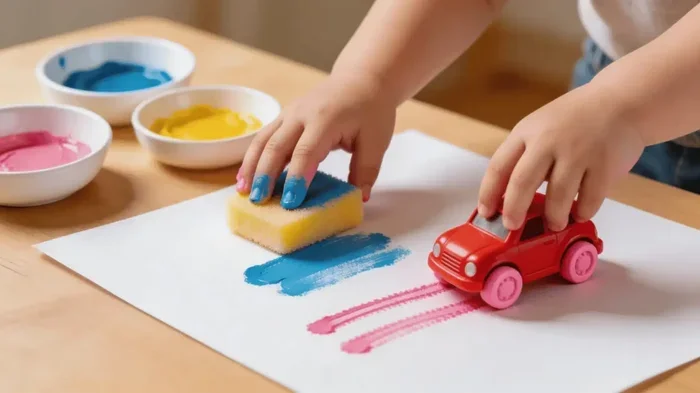
Children as young as three years old can enjoy simple car painting with adult supervision. Toddlers can do finger painting or sponge stamping, while older kids can handle brushes and more detailed designs. The key is choosing age-appropriate projects and non-toxic supplies for a safe and fun experience.
What type of paint is best for painting toy cars?
Non-toxic acrylic paint is the best choice for most toy car painting projects. It adheres well to plastic, metal, and wood surfaces, dries quickly, and comes in a wide range of colors. For spray painting, always choose a kids-safe formula and work in a well-ventilated area.
How do I seal the paint on a painted car?
Apply a clear coat sealant spray after the paint has fully dried. This protects the design from chipping, scratching, and fading. Look for a non-toxic clear coat that is safe for children’s projects and follow the application instructions carefully for the best results.
Can I use spray paint for kids car projects?
Yes, but spray paint should only be used by older children under direct adult supervision. Choose a non-toxic, low-odor spray paint and work outdoors or in a very well-ventilated space. Always wear a mask and protect surrounding surfaces with newspaper or a drop cloth.
What are some easy car painting ideas for beginners?
Great beginner ideas include solid color race cars, rainbow gradient cars, polka dot designs, and simple stripe patterns. These projects require minimal supplies and basic techniques, making them perfect for young artists who are just getting started with car painting for kids.
How can I display my child’s painted cars?
Painted cars look great on shelves, in display cases, or on acrylic stands. You can also create a shadow box for a collection or host a family art show. Taking photos of each design is a wonderful way to preserve the memories and track your child’s artistic progress over time.