Car Number Plate Cover And Why Every Driver Needs One
A car number plate cover protects your plates from weather, dirt, and theft while improving your vehicle’s appearance. It is a simple, affordable accessory that every driver should consider. This guide covers types, benefits, legal rules, and buying tips to help you choose the best option.
Key Takeaways
- Protects plates from damage: A car number plate cover shields against UV rays, rain, dirt, and road debris.
- Prevents theft: Secure number plate guard designs make it harder for thieves to steal your plates.
- Boosts curb appeal: A custom number plate cover adds style and a polished finish to any vehicle.
- Saves money long-term: Plate protection reduces the need for frequent replacements due to fading or cracking.
- Legal considerations matter: Rules vary by region, so always check local laws before installing a cover.
- Easy to install: Most covers mount in minutes with basic tools and no professional help needed.
- Multiple styles available: From chrome number plate covers to blackout plate covers, there is an option for every taste.
📑 Table of Contents
What Is a Car Number Plate Cover?
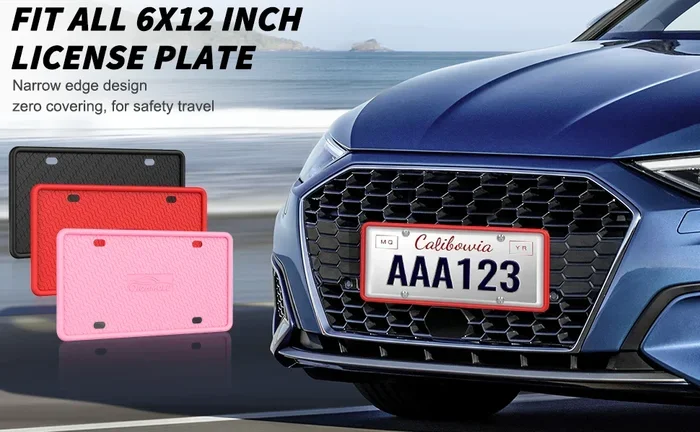
A car number plate cover is a protective shell or shield that fits over your vehicle’s license plates. It acts as a barrier between the plate and the outside environment. Think of it like a helmet for your plates. Instead of leaving them exposed to rain, sun, and road grime, the cover keeps them safe and clean.
These covers come in many shapes, sizes, and materials. Some are clear and barely visible. Others are tinted, chrome, or fully custom designed. The main goal is always the same: plate protection. Whether you live in a rainy city or a sunny desert, your plates face constant wear and tear.
A license plate cover is different from a plate frame. A frame holds the plate in place and adds decoration. A cover goes over the entire plate surface. Some products combine both functions. This guide focuses mainly on full covers, but we will touch on frames too.
How Does a Number Plate Cover Work?
Most covers snap, clip, or screw onto the existing plate mounting points. They form a snug fit that does not move while driving. The material blocks moisture, UV light, and physical impact. Good covers also allow easy access to the plate for cleaning or inspection. You simply lift or remove the cover when needed.
Quality covers use UV-resistant materials that do not yellow or crack over time. They are designed to last several years of daily use. The best car plate cover options also feature ventilation slots. These prevent moisture buildup underneath, which could cause fogging or rust.
Benefits of Using a Car Number Plate Cover
There are many reasons drivers choose to add a cover to their plates. Let us break down the biggest benefits you will enjoy.
1. Weather Protection
Rain, snow, hail, and extreme heat all damage license plates over time. A weatherproof plate cover keeps water from pooling on the plate surface. It blocks direct sunlight that causes fading and discoloration. In winter, it prevents ice and salt from sticking directly to the plate. This means your plates stay readable and clean for much longer.
Without a cover, plates can become brittle and crack after years of sun exposure. The paint or lettering can fade to the point of being unreadable. This is not just an eyesore. It can also lead to fines or failed inspections in many areas.
2. Dirt and Grime Resistance
Driving exposes your plates to mud, dust, bug splatter, and road tar. A dirt-resistant plate cover makes cleaning much easier. Most covers can be removed in seconds and rinsed off. The smooth surface of the cover prevents grime from bonding to the plate underneath.
Think about how often you wash your car. Without a cover, the plates are always the last thing to get clean. A cover saves you time and keeps your vehicle looking polished from every angle.
3. Theft Deterrent
License plate theft is a real problem in many cities. Thieves steal plates to sell them or use them on other vehicles. A number plate guard with secure fasteners makes this much harder. Specialized screws and locking mechanisms require unique tools to remove. This alone discourages most opportunistic thieves.
Some covers also include alarm sensors. If someone tries to tamper with the plate, the sensor triggers a loud alert. This added layer of security gives drivers real peace of mind.
4. Improved Curb Appeal
Let us be honest. Clean, protected plates look better than worn-out ones. A custom number plate cover adds a finishing touch to your vehicle’s overall look. You can choose from matte black, glossy chrome, tinted, or even branded designs. It is a small detail that makes a big difference in how your car presents itself.
Many car enthusiasts use chrome number plate covers to match other chrome accessories on the vehicle. Others prefer a subtle blackout plate cover for a stealthy, modern look. The options are nearly endless.
5. Extended Plate Lifespan
License plates are not cheap to replace. A car number plate cover can double or triple the life of your plates. By blocking the worst elements, the cover prevents the common causes of plate deterioration. You save money on replacements and avoid the hassle of re-registering plates.
Over a five-year period, the cost of a quality cover pays for itself many times over. It is one of the most cost-effective car accessories you can buy.
Types of Car Number Plate Covers Available
Not all covers are the same. Understanding the different types helps you choose the best one for your needs. Here is a closer look at the most popular options.
Clear Covers
Clear covers are the most popular choice. They are nearly invisible and let the original plate show through completely. They provide excellent plate protection without changing the look of your vehicle. These are ideal for drivers who want function without style changes.
Look for clear covers labeled as UV-resistant and scratch-proof. Cheap clear covers can yellow over time, which defeats the purpose. Always check reviews and material quality before buying.
Tinted or Colored Covers
Tinted covers add a subtle tint to the plate, usually in black, smoke, or dark gray. They give the vehicle a more aggressive or sporty appearance. These are popular among truck and SUV owners. However, you must ensure the tint does not obstruct the plate numbers and letters.
Some regions have strict rules about tinted plate covers. Always verify that your chosen color meets local visibility requirements.
Chrome and Metallic Covers
Chrome covers add a shiny, premium look to the front and rear of your car. They are a favorite among luxury car owners and custom car builders. A chrome number plate cover can make a vehicle stand out in a parking lot.
These covers are usually made from ABS plastic with a chrome plating finish. They are durable and resist corrosion well. The main downside is that they can attract attention from law enforcement in areas with strict cover regulations.
Custom and Branded Covers
Custom covers allow you to add logos, patterns, or text to your plate cover. Businesses often use branded covers for fleet vehicles. Car clubs and fan communities also love custom designs. You can order covers with your name, team logo, or any design you want.
These covers are usually more expensive but offer the highest level of personalization. They also make great gifts for car enthusiasts.
All-Weather Covers
An all-weather plate cover is designed to handle extreme conditions. These covers use heavy-duty materials that resist impact, temperature swings, and chemical exposure. They are ideal for off-road vehicles, trucks, and cars driven in harsh climates.
All-weather covers tend to be thicker and heavier than standard options. They may require reinforced mounting hardware. But the level of protection they offer is unmatched.
How to Choose the Right Number Plate Cover
With so many options on the market, picking the right cover can feel overwhelming. Here are the key factors to consider before you buy.
Check Your Local Laws
This is the most important step. Not all regions allow plate covers. Some states and countries have strict rules about covers that obscure the plate. Others ban tinted or colored covers entirely. A few places require covers to be completely transparent and non-reflective.
Before purchasing, check your local Department of Motor Vehicles website or contact your local authority. Using a cover that violates the law can result in fines or mandatory removal. Stay informed and stay legal.
Consider the Material
Covers are made from several materials, each with pros and cons.
- Polycarbonate: Extremely durable and impact-resistant. The best choice for most drivers.
- ABS Plastic: Lightweight and affordable. Good for clear and tinted covers.
- Aluminum: Premium look and excellent corrosion resistance. Usually found in chrome covers.
- Carbon Fiber: Stylish and strong. More expensive but very popular in custom builds.
Polycarbonate is the safest all-around choice. It handles temperature changes well and does not crack easily. For a license plate protector that lasts, polycarbonate is hard to beat.
Look for Proper Ventilation
A cover without ventilation can trap moisture against the plate. This leads to condensation, fogging, and even rust over time. Quality covers include small vents or perforations that allow air to circulate. This keeps the plate dry and clear even in humid conditions.
Check the Mounting System
How the cover attaches matters more than you might think. Screw-mounted covers are the most secure. They resist vibration and tampering. Clip-on covers are easier to install but may loosen over time. Choose a mounting system that matches how you use your vehicle.
If theft prevention is a priority, look for covers with locking screws or anti-tamper fasteners. These add a valuable layer of security.
Read Reviews and Compare Brands
Not every cover is created equal. Some brands use thin materials that crack in cold weather. Others use cheap adhesives that fail in the heat. Reading real customer reviews helps you avoid low-quality products. Look for covers with a warranty or guarantee. This shows the manufacturer stands behind their product.
Installation and Maintenance Tips
Installing a car number plate cover is straightforward. Most covers come with all the hardware you need. Here is a quick step-by-step guide.
- Remove the existing plate from the vehicle.
- Clean the plate surface thoroughly with mild soap and water.
- Attach the cover using the provided screws or clips.
- Re-mount the covered plate to the vehicle.
- Check that the cover is snug and does not obstruct any plate characters.
Maintenance is minimal. Every few months, remove the cover and clean both the cover and the plate underneath. Use a soft cloth and gentle cleaner. Avoid harsh chemicals that can damage the cover material. Inspect the fasteners periodically and tighten them if needed.
Quick Tips for Long-Lasting Results
- Clean your cover every two weeks during winter to remove salt buildup.
- Apply a UV protectant spray to clear covers for extra fading resistance.
- Check the cover’s tightness after long road trips.
- Store the cover indoors during extreme weather if possible.
- Replace worn fasteners immediately to maintain security.
Common Mistakes to Avoid
Many drivers make simple mistakes that reduce the effectiveness of their plate cover. First, buying the wrong size is the most common error. Always measure your plates before ordering. Second, ignoring local laws can lead to costly tickets. Third, choosing the cheapest option often means poor material quality and early failure. Finally, skipping regular cleaning allows dirt and moisture to build up under the cover.
Are Number Plate Covers Legal?
The legality of car number plate covers varies widely. In some places, any cover is perfectly fine. In others, even a clear cover can be illegal. Understanding the rules in your area is essential before you install one.
In the United States, laws differ from state to state. Some states allow clear covers as long as they do not reflect light or obstruct visibility. Others ban all covers regardless of material. In the European Union, rules also vary by country. Always check your specific region’s regulations.
If you are unsure, contact your local motor vehicle authority. They can tell you exactly what is permitted. When in doubt, choose a clear, non-reflective cover that does not alter the plate’s appearance. This is the safest option in most jurisdictions.
Expert Insight on Legal Compliance
According to automotive safety experts, the primary concern with plate covers is visibility. A cover should never obscure any part of the plate number or lettering. It should not create glare that makes the plate hard to read in low light. As long as your cover meets these basic criteria, it is likely legal in most areas. Still, always double-check your local rules to be completely safe.
Comparison: Top Car Number Plate Cover Types
Not sure which type of cover fits your needs best? Here is a quick comparison of the most popular options.
| Type | Material | Best For | Durability | Price Range |
|---|---|---|---|---|
| Clear Cover | Polycarbonate | Everyday protection | High | $10 – $25 |
| Tinted Cover | ABS Plastic | Style and subtle protection | Medium | $15 – $35 |
| Chrome Cover | ABS + Chrome Plating | Premium look and durability | High | $25 – $50 |
| Custom Cover | Polycarbonate / Carbon Fiber | Personalization and branding | Medium – High | $30 – $60 |
| All-Weather Cover | Heavy Polycarbonate | Extreme climates and off-road use | Very High | $20 – $45 |
This table gives you a general idea of what to expect. Prices vary by brand and retailer. Always prioritize quality over cost when it comes to plate protection. A well-made cover will outperform a cheap one in every category.
Final Thoughts
A car number plate cover is a small investment that delivers big returns. It protects your plates from the elements, prevents theft, and enhances the look of your vehicle. With so many styles and materials available, there is a perfect cover for every driver and every budget.
Before you buy, take a moment to check your local laws. Choose a material that suits your driving conditions. And install the cover properly for the best results. Once you experience the difference a quality cover makes, you will wonder why you did not get one sooner.
Your plates work hard every day to keep your vehicle legally on the road. Give them the plate protection they deserve. A car number plate cover is the easiest and most affordable way to do it.
Frequently Asked Questions
Is a car number plate cover worth the investment?
Yes, absolutely. A car number plate cover protects your plates from UV damage, dirt, and weathering. It also deters theft and extends the life of your plates. For a small cost, the benefits far outweigh the expense. Most drivers find it to be one of the best value car accessories available.
Can I drive with a number plate cover in all states?
No, laws vary by state and country. Some regions allow clear covers, while others ban all types. Always check your local motor vehicle regulations before installing a cover. Using an illegal cover can result in fines and mandatory removal.
How do I clean a car number plate cover?
Remove the cover from the plate and wash it with mild soap and warm water. Use a soft cloth to avoid scratching the surface. Avoid harsh chemicals or abrasive cleaners. Clean the cover every few weeks, especially during winter when salt buildup is common.
Do number plate covers affect license plate readability?
A high-quality cover should not affect readability at all. Look for covers made from clear, non-reflective materials. Ensure the cover does not obstruct any numbers or letters. If you can read the plate clearly with the cover on, it is a good choice.
What is the best material for a number plate guard?
Polycarbonate is widely considered the best material for a number plate guard. It is extremely durable, impact-resistant, and handles temperature changes well. It also stays clear over time without yellowing. For most drivers, a polycarbonate cover offers the best balance of protection and longevity.
Can I install a car number plate cover myself?
Yes, most covers are designed for easy DIY installation. They typically come with all necessary hardware and instructions. You will need basic tools like a screwdriver. The entire process usually takes less than ten minutes. No professional help is required.
=== CONCLUSION ===
A car number plate cover is one of the simplest upgrades that delivers real, tangible benefits. From plate protection against weather and dirt to theft prevention and enhanced style, the advantages are clear. Every driver, regardless of vehicle type or driving habits, can benefit from this affordable accessory.
Take the time to choose the right type, material, and style for your needs. Follow local laws, install the cover properly, and maintain it regularly. Your plates will look better, last longer, and stay secure. Invest in a car number plate cover today and enjoy the peace of mind that comes with knowing your plates are protected.