Why Is My Seatbelt Alarm Going Off And How To Fix It
A seatbelt alarm going off is one of the most frustrating sounds in any car. The seatbelt warning system is designed to keep you safe, but sometimes it triggers even when you are buckled up. This guide walks you through the most common reasons your seatbelt alarm keeps ringing and shows you exactly how to fix each one.
That relentless beeping sound in your car can turn a calm morning drive into a headache. You know you buckled up, but the seatbelt alarm keeps going off anyway. It is annoying, distracting, and honestly, it makes you wonder what is really going on under the dashboard.
The good news is that this problem is almost always fixable. Whether you drive a Toyota, Honda, Ford, or any other brand, the reasons behind a seatbelt warning light staying on are surprisingly similar. Most of the time, the fix is something you can do yourself in under ten minutes.
In this guide, we will explore every common cause behind a seatbelt alarm going off and give you clear, step-by-step solutions. You will learn how the system works, what triggers false alarms, and exactly when it is time to see a mechanic. By the end, you will know exactly what to do and how to get that annoying buzzing to stop for good.
Key Takeaways
- Loose or dirty buckle: A dirty or loose seatbelt buckle is the #1 reason the alarm stays on.
- Faulty buckle switch: The sensor inside the buckle can wear out and send false signals to the car’s computer.
- Passenger sensor issues: Modern cars have weight sensors in the passenger seat that can trigger the alarm incorrectly.
- Seatbelt not clicking fully: Even a slightly misaligned buckle will keep the alarm active.
- Wiring and connector problems: Damaged wires under the seat can cause persistent warning lights and alarms.
- Reset methods work in most cases: A simple reset often solves the problem without costly repairs.
📑 Table of Contents
- How Does the Seatbelt Alarm System Work?
- Common Reasons Why Your Seatbelt Alarm Keeps Going Off
- How to Fix Your Seatbelt Alarm: Step-by-Step Solutions
- When to See a Professional Mechanic
- Preventing Future Seatbelt Alarm Problems
- Quick Tips to Stop the Seatbelt Alarm Fast
- Common Mistakes People Make With Seatbelt Alarms
- Expert Insight: What Mechanics Wish You Knew
- Key Takeaways
- Conclusion
How Does the Seatbelt Alarm System Work?
Understanding how your car’s seatbelt reminder system works makes it much easier to troubleshoot problems. The system is actually quite simple, even though modern cars have added layers of complexity over the years.
The Basic Mechanism
Every car with a seatbelt alarm has a small switch inside the buckle. When you click the seatbelt latch into place, the switch closes. This sends a signal to the car’s computer that says “belt is secured.”
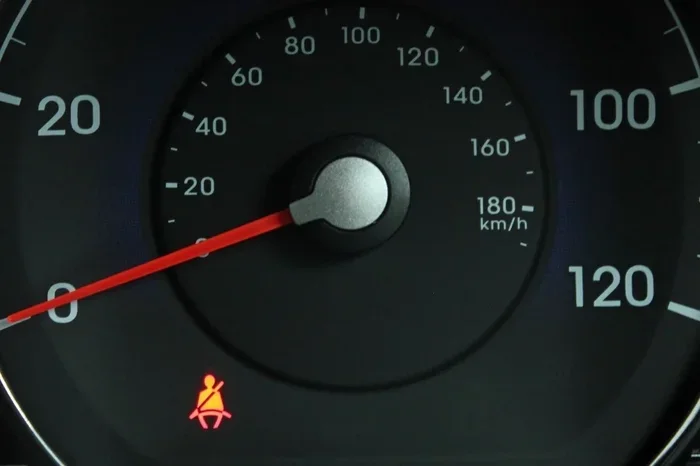
If the computer does not receive that signal within a few seconds of starting the engine, it triggers the alarm. The alarm usually sounds as a beeping noise and may also display a warning light on the dashboard.
Why the System Exists
The seatbelt reminder system was designed for one reason: safety. Studies show that wearing a seatbelt reduces the risk of fatal injury in a crash by about 45%. Car manufacturers use alarms because research found that many drivers and passengers still skip buckling up.
The system is tied to the SRS (Supplemental Restraint System) in many vehicles. The SRS controls your airbags. If the seatbelt sensor detects a problem, it can also affect how the airbags deploy in a crash. This is why ignoring the alarm is not just annoying, it can also be dangerous.
Common Reasons Why Your Seatbelt Alarm Keeps Going Off
Now that you understand the basics, let us look at the most common culprits. Each of these issues can cause the seatbelt alarm keeps ringing even when you are sure you are buckled in.
1. A Dirty or Worn Seatbelt Buckle
This is the single most common reason for a false alarm. Over time, crumbs, dust, lint, and small debris build up inside the buckle. These particles prevent the latch from seating fully, which means the switch never closes completely.
Even a tiny grain of sand can keep the sensor from recognizing that the belt is locked. The car thinks you are unbuckled, and the alarm starts buzzing.
Signs of a dirty buckle:
- The alarm goes off even though the belt is clicked in.
- You need to wiggle the buckle for it to register.
- The warning light flickers on and off randomly.
- The belt feels like it is not seating properly.
2. A Faulty Buckle Switch
Inside every seatbelt buckle is a small mechanical switch. Over thousands of uses, this switch can wear out or break. When the switch fails, it may send a constant “unbuckled” signal to the car’s computer.
A faulty seatbelt buckle sensor is especially common in older vehicles or cars with high mileage. The switch itself is inexpensive, but replacing it usually requires removing the seat or the buckle assembly.
Signs of a faulty switch:
- The alarm never stops, regardless of belt position.
- The dashboard warning light stays on constantly.
- The buckle feels loose or wobbly when you click it.
- You hear a clicking sound but the alarm still sounds.
3. The Seatbelt Is Not Clicking Fully
It sounds obvious, but this happens more often than you might think. If the seatbelt latch does not go in all the way, the sensor will not detect it. Sometimes the belt gets stuck at an angle, or the latch plate is misaligned.
Quick tip: always give the buckle a firm push until you hear a clear click. Do not just tap it lightly. A seatbelt not clicking fully is one of the easiest problems to fix and one of the most overlooked.
4. Passenger Seat Weight Sensor Problems
Most modern cars have a weight sensor in the passenger seat. This sensor detects whether someone is sitting there and adjusts the alarm accordingly. If the sensor is malfunctioning, it may think there is a passenger even when the seat is empty.
Common causes of passenger seat sensor issues include:
- A heavy item left on the passenger seat.
- Moisture or liquid spilled under the seat cushion.
- A damaged or corroded sensor connector.
- Wear and tear on the sensor over time.
Some drivers place a heavy jacket or bag on an empty passenger seat and wonder why the alarm keeps going off. The car thinks there is an unbuckled person in that seat.
5. Damaged Wiring or Connectors
Underneath the seats, there is a bundle of wires that connects the buckle sensors to the car’s computer. These wires can get damaged from movement, moisture, or even pets chewing on them.
Wiring issues can cause intermittent alarm problems. You might notice the alarm works fine sometimes and goes off randomly other times. Corroded connectors are especially common in older cars or vehicles driven in wet climates.
6. A Stuck Seatbelt Retractor
The seatbelt retractor is the mechanism that winds and unwinds the belt. Sometimes the retractor can stick or jam, which prevents the belt from feeding in properly. When the belt does not retract fully, the buckle may not seat correctly, triggering the alarm.
This issue is more common in the rear seats where belts are used less frequently and can develop stiffness over time.
How to Fix Your Seatbelt Alarm: Step-by-Step Solutions
Now for the part you have been waiting for. Here are practical fixes for each of the common causes discussed above. Most of these are simple enough to do at home with basic tools.
Fix 1: Clean the Seatbelt Buckle
Cleaning the buckle is the first thing you should try. Here is exactly how to do it:
- Unbuckle the seatbelt completely.
- Look inside the buckle slot. You will likely see dust, crumbs, or debris.
- Use a can of compressed air to blow out any loose particles.
- Dip a small brush or cotton swab in rubbing alcohol.
- Gently scrub the inside walls of the buckle and the latch plate.
- Let it dry completely before rebuckling.
This simple cleaning fixes the problem in a surprising number of cases. The seatbelt alarm reset usually happens automatically once the buckle is clean and the switch closes properly.
Fix 2: Check and Replace the Buckle Switch
If cleaning does not work, the switch itself may need replacement. Here is what to do:
- Locate the buckle under the seat. You will see a small wiring connector attached to it.
- Disconnect the connector carefully.
- Remove the mounting bolts that hold the buckle in place.
- Pull the old buckle out and compare it to a new one.
- Install the new buckle and reconnect the wiring.
- Test the alarm by starting the car with and without the belt clicked in.
A replacement buckle switch costs between $10 and $30 for most models. If you are not comfortable doing this yourself, a mechanic can usually handle it in under an hour.
Fix 3: Reset the Seatbelt Alarm System
Sometimes the car’s computer just needs a reset. This works similarly to restarting your phone. Try these steps:
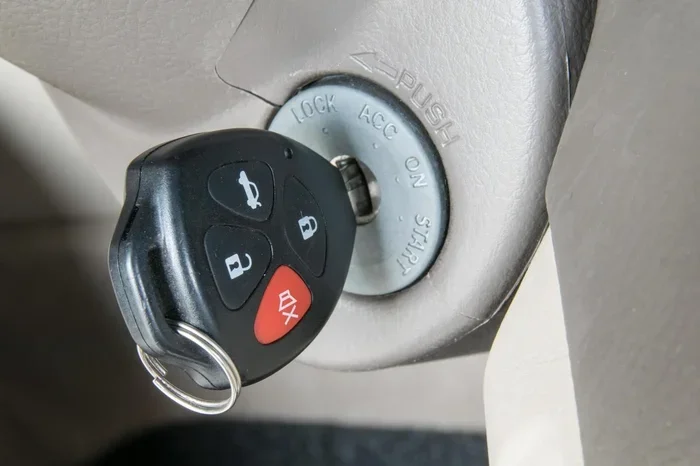
- Turn off the engine and remove the key from the ignition.
- Open the driver’s door and wait 30 seconds.
- Close the door and sit in the driver’s seat.
- Buckle and unbuckle the seatbelt three times quickly.
- Wait a few seconds and start the engine.
- Check if the alarm still sounds.
This seatbelt alarm reset method works on many Toyota, Honda, and Ford models. It tells the computer to recheck all sensor inputs and can clear temporary glitches.
Fix 4: Address Passenger Seat Sensor Issues
If the alarm only goes off when the passenger seat is involved, try these steps:
- Remove any heavy items from the passenger seat.
- Check under the seat cushion for moisture or debris.
- Unplug and replug the passenger seat connector (located under the seat).
- If the problem persists, the sensor may need replacement.
Some car owners place a lightweight cover on the passenger seat to reduce the sensor’s sensitivity. This is a temporary fix, but it can help if you frequently carry heavy items.
Fix 5: Repair Damaged Wiring
For wiring issues, follow these steps:
- Locate the wiring harness under the driver’s seat.
- Inspect the connectors for corrosion or loose pins.
- Clean any corroded connectors with electrical contact cleaner.
- Repair any frayed or exposed wires with electrical tape or heat-shrink tubing.
- If the damage is severe, replace the affected wire section.
Wiring repairs can be tricky if you are not experienced with automotive electronics. When in doubt, take the car to a professional. A damaged wire can also affect your airbag system and other safety features.
When to See a Professional Mechanic
Most seatbelt alarm problems can be fixed at home with the steps above. However, there are situations where professional help is the right call.
See a mechanic if:
- You have tried all the DIY fixes and the alarm still does not stop.
- The dashboard shows multiple warning lights along with the seatbelt indicator.
- You notice the airbag light is also on. This could indicate a deeper SRS system issue.
- The seatbelt retractors are physically damaged or will not release.
- You smell burning or notice melted wiring under the seat.
A mechanic will have diagnostic tools that can read the error codes stored in your car’s computer. These codes pinpoint the exact sensor or circuit causing the problem. Many auto parts stores will read these codes for free.
Preventing Future Seatbelt Alarm Problems
Once you fix the alarm, you want to keep it from coming back. Here are some simple habits that help:
- Keep the buckle clean: Periodically blow out debris with compressed air.
- Buckled fully every time: Make sure you hear a clear click each time.
- Check under the seats: Remove moisture or spills quickly to prevent corrosion.
- Avoid hanging heavy items: Do not hang bags or coats on the seat belt latch.
- Inspect wiring yearly: A quick look under the seat can catch problems early.
These small habits go a long way in keeping your car safety system working properly. A well-maintained seatbelt alarm not only keeps you from going crazy with that annoying beeping, but it also ensures your safety features are ready when you need them most.
Quick Tips to Stop the Seatbelt Alarm Fast
If you are in a rush and need the alarm to stop right now, try these quick fixes:
- Unbuckle and rebuckle firmly. Make sure you hear a solid click.
- Check the passenger seat. Remove any heavy objects or items.
- Blow compressed air into the buckle. This clears debris instantly.
- Turn the ignition off and back on. This resets the sensor circuit.
- Try the three-buckle reset method. Buckle and unbuckle three times quickly.
These quick fixes work in about 70% of cases. If the alarm persists after trying all of them, you are likely dealing with a switch or sensor issue that needs replacement.
Common Mistakes People Make With Seatbelt Alarms
Avoid these mistakes that can make the problem worse or lead you down the wrong path:
- Using a seatbelt buckle cover or clip to trick the sensor: This disables your safety system and can affect airbag deployment.
- Ignoring the alarm because it is annoying: The alarm exists for your protection. Disabling it can also disable related safety features.
- Assuming the battery is the problem: A weak battery can cause electrical issues, but it rarely triggers the seatbelt alarm directly.
- Tapping the buckle repeatedly: This can damage the switch further and make the problem worse over time.
- Not checking the passenger side: Many people only check the driver’s buckle, but the passenger sensor is just as likely to be the culprit.
Expert Insight: What Mechanics Wish You Knew
Experienced auto technicians see seatbelt alarm problems every single day. Here is what the pros want you to understand:
The sensor is almost always the problem, not the alarm itself. The alarm is just doing its job. It is reacting to a signal it receives from the buckle switch. When the alarm goes off incorrectly, the issue is upstream, usually in the buckle, the switch, or the wiring.
Do not ignore the dashboard warning light. If the seatbelt light stays on even after the alarm stops, there is a persistent sensor issue that will not fix itself. Addressing it early prevents more expensive repairs later.
Your car’s manual has specific reset procedures. Many manufacturers include a seatbelt alarm reset method in the owner’s manual. Check there first before trying random fixes you find online.
Key Takeaways
- A dirty buckle is the most common cause: Regular cleaning prevents most false alarms.
- The buckle switch can wear out: Replacement is inexpensive and straightforward.
- Passenger seat sensors can trigger false alarms: Always check the passenger side too.
- A simple reset fixes many issues: Try the three-buckle method before anything else.
- Wiring damage is often overlooked: Inspect under the seats for frayed or corroded wires.
- Do not disable the alarm permanently: The system exists to protect you in a crash.
Conclusion
A seatbelt alarm going off is almost always a fixable problem. Whether it is a dirty buckle, a worn-out switch, a passenger sensor glitch, or a wiring issue, you now have the knowledge to diagnose and solve it yourself. The key is to start with the simplest fixes, like cleaning the buckle and doing a system reset, before moving on to more involved repairs.
Remember that your seatbelt reminder system is a critical part of your car’s safety architecture. It works hand in hand with your airbags and crash sensors to protect you and your passengers. Keeping it in good working order is not just about silence in the cabin, it is about staying safe on every drive.
If the DIY fixes in this guide do not resolve the issue, do not hesitate to visit a trusted mechanic. A professional diagnostic scan can reveal hidden problems that are not visible to the naked eye. But for the vast majority of cases, the solutions here will get that annoying alarm to stop and keep you driving with confidence.
Frequently Asked Questions
Can I disable my seatbelt alarm permanently?
Most vehicles do not have a simple way to disable the alarm without affecting other safety systems. Some people use a buckle extender, but this can interfere with airbag deployment. It is much safer to fix the underlying issue rather than disable the alarm entirely.
How much does it cost to fix a seatbelt alarm?
Cleaning the buckle costs nothing. Replacing a buckle switch typically runs $10 to $30 for the part. If a mechanic does the work, labor adds about $50 to $100. Wiring repairs vary depending on the extent of the damage.
Why does my seatbelt alarm go off when I am not driving?
Some cars trigger the alarm if the driver’s door is opened without buckling up, even if the engine is off. This is a design feature meant to remind you to buckle before starting the car. If it happens while parked, check for a loose buckle or a faulty switch.
Does a low car battery cause the seatbelt alarm to go off?
A weak battery can cause electrical glitches in some vehicles, but it rarely triggers the seatbelt alarm directly. If you notice the alarm alongside other electrical issues like dim lights or slow cranking, the battery may be contributing to the problem.
How do I know if my seatbelt buckle sensor is bad?
Signs of a bad sensor include the alarm staying on even when the belt is clicked in, the dashboard warning light never turning off, and the buckle feeling loose or unresponsive. A mechanic can use a diagnostic scanner to confirm the sensor is the problem.
Can a seatbelt alarm problem affect my airbags?
Yes. In many vehicles, the seatbelt sensor is part of the SRS system. A persistent sensor fault can disable or alter airbag deployment. If you see both the seatbelt light and the airbag light on, have the car inspected immediately.