Why Early Hybrids Failed and What We Can Learn from Them
Early hybrid vehicles faced serious hurdles that kept them from reaching mainstream success. High costs, limited battery tech, and weak consumer demand all played a role in their struggles. However, the failures of early hybrids paved the way for the clean, efficient cars we drive today. Understanding why early hybrids failed helps us appreciate how far automotive innovation has come.
The story of why early hybrids failed is one of ambition, frustration, and hard-earned lessons. In the late 1990s and early 2000s, automakers poured millions into hybrid vehicle development. They believed the future of driving lay in combining gasoline engines with electric motors. But the market had other plans.
First-generation hybrid cars struggled to find their footing. They were expensive, confusing, and often underwhelming. Yet without those early stumbles, we would never have the efficient hybrid cars and electric vehicles that dominate today’s conversation about clean energy transportation. This article digs deep into the reasons behind those early failures and explores what we can still learn from them.
Whether you are a car enthusiast, a curious consumer, or someone considering your next vehicle purchase, understanding this history gives you valuable perspective. The rise and fall of early hybrids is not just an automotive story. It is a story about innovation, patience, and the messy process of bringing new technology to the masses.
Key Takeaways
- Early battery technology was a major roadblock: Heavy, expensive, and short-lived batteries made early hybrids impractical for everyday use.
- High sticker prices scared away buyers: The cost of hybrid components made these vehicles too expensive for most consumers.
- Limited fuel savings didn’t justify the premium: Early hybrids offered modest efficiency gains that didn’t offset their higher price tags.
- Consumer skepticism ran deep: Many drivers simply didn’t trust or understand hybrid technology in the late 1990s and early 2000s.
- Infrastructure gaps held back adoption: Charging stations and service networks were virtually nonexistent for early hybrid owners.
- Engineers learned critical lessons that shaped modern hybrids: Every failure contributed to the advanced plug-in hybrids and EVs we see today.
- Timing matters as much as technology: The market wasn’t ready for hybrids until battery costs dropped and consumer awareness grew.
📑 Table of Contents
The Rise and Fall of Early Hybrid Vehicles
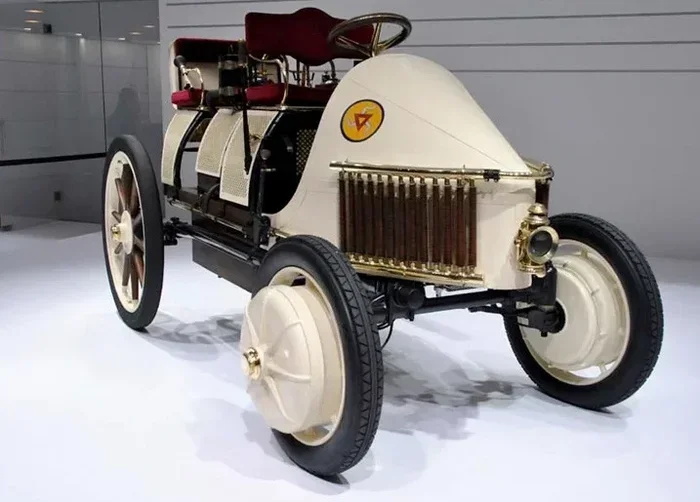
The idea of combining a gasoline engine with an electric motor is older than most people think. Engineers experimented with hybrid technology as far back as the late 1800s. But the modern push for hybrid vehicles really gained steam in the 1990s. Gas prices were climbing. Environmental concerns were growing. Automakers saw an opportunity to create something better.
Toyota launched the first mass-produced hybrid car in 1997 with the Prius in Japan. Honda followed shortly with its own hybrid powertrain efforts. These early models were groundbreaking. They showed the world that a car could use less fuel and produce fewer emissions. But the road from innovation to mainstream success was far bumpier than anyone expected.
The Promise of Hybrid Powertrains
The concept behind early hybrids sounded perfect on paper. A small gasoline engine handled highway cruising. An electric motor boosted acceleration and handled low-speed driving. Together, they promised better fuel efficiency and cleaner emissions. Regenerative braking captured energy normally lost during slowing down and stored it in the battery. It was clever engineering.
But here is where reality set in. The first-generation systems were crude by today’s standards. The batteries were heavy. The electric motor added complexity. And the overall package felt like a compromise rather than an improvement. Drivers got the worst of both worlds in many cases. They paid more for a car that did not feel much different from a conventional model.
The Timeline of Early Hybrid Efforts
Understanding the timeline helps explain why early hybrids failed to capture the market. Here is a quick look at the key players and their early attempts:
- Toyota Prius (1997): The first mass-produced hybrid. Launched only in Japan initially. Modest sales and limited global reach.
- Honda Insight (1999): A lightweight two-seater hybrid. Focused on fuel economy but lacked practicality for families.
- Honda Civic Hybrid (2003): A more practical hybrid option. Still struggled with high pricing and modest efficiency gains.
- Ford Escape Hybrid (2004): One of the first hybrid SUVs. Showed promise but remained expensive compared to gas-only versions.
- General Motors EV1 (1996-2003): A pure electric vehicle, not a hybrid. But its cancellation sent shockwaves through the industry and shaped future hybrid development.
Each of these vehicles contributed something valuable. But none of them achieved the sales volumes needed to prove the hybrid concept at scale. The early hybrid era was defined by small batches, niche appeal, and limited impact.
What Went Wrong with First-Generation Hybrids
The failures of early hybrids were not random. They resulted from a combination of technical, economic, and cultural factors. Understanding these specific problems helps explain why first-generation hybrid vehicles struggled so much.
Exorbitant Costs and Poor Value Proposition
The biggest barrier for early hybrid buyers was price. A hybrid vehicle cost thousands of dollars more than its gas-only counterpart. Toyota sold the first-gen Prius for a premium that many consumers simply were not willing to pay. The fuel savings over time did not come close to justifying the upfront cost.
Let us put this in perspective. In the early 2000s, a hybrid sedan might cost $3,000 to $5,000 more than a similar gas model. The annual fuel savings were often less than $500. At that rate, it would take a decade or more to break even. For most car buyers, that math simply did not work.
Hybrid sales remained low throughout the early 2000s for this exact reason. Consumers wanted value, and early hybrids did not deliver it. The premium felt like a luxury tax on a technology most people did not fully understand.
Limited Fuel Efficiency Gains
Here is a surprising fact. Many early hybrids offered only modest improvements in fuel efficiency over comparable gas vehicles. The Honda Insight achieved impressive mileage numbers, but it was a tiny two-seater with limited utility. The Toyota Prius was better, but its real-world mileage did not blow anyone away compared to efficient gas sedans.
Drivers expected a dramatic difference. They wanted to see big numbers at the pump. Instead, they saw incremental gains that barely justified the extra cost. This gap between expectation and reality created frustration and skepticism.
Early adopters loved their hybrids and embraced the technology. But the broader public remained unconvinced. The value proposition simply was not strong enough to drive mass adoption.
Complexity and Reliability Concerns
Hybrid vehicles are inherently more complex than conventional cars. They have two powertrains, sophisticated electronics, and advanced battery systems. In the early days, this complexity created real reliability concerns. Owners worried about expensive repairs and long-term durability.
The dual-powertrain setup meant more things could go wrong. The electric motor, the gasoline engine, the battery pack, the power control unit, and the regenerative braking system all needed maintenance. Dealerships were not always trained to service these vehicles properly. Parts were expensive and sometimes hard to find.
This complexity also made early hybrids heavier than their gas-only counterparts. The extra weight from the battery pack and electric motor offset some of the efficiency gains. It was a frustrating engineering trade-off that took years to resolve.
Lack of Public Understanding
In the late 1990s and early 2000s, most Americans had never seen a hybrid car on the road. The concept of a vehicle that switched between a gas engine and an electric motor was foreign to many people. This lack of understanding created hesitation and doubt.
People had questions they could not easily answer. How does the battery charge? Do you need to plug it in? Will the hybrid save me money? The marketing efforts from automakers did little to address these questions clearly. The result was a public that was curious but not convinced.
Consumer adoption of early hybrids was slow partly because people did not trust what they did not understand. The technology felt gimmicky rather than genuinely useful. This perception problem was just as damaging as any technical limitation.
Battery Technology and Range Limitations
The battery was the heart of every early hybrid vehicle. And in those early days, battery technology was a significant weakness. The limitations of battery technology shaped the entire hybrid experience and contributed heavily to the failures of the era.
Heavy and Bulky Battery Packs
Early hybrid batteries were large, heavy, and expensive. They typically used nickel-metal hydride (NiMH) chemistry, which was a step up from older lead-acid batteries but still far from ideal. These battery packs added significant weight to the vehicle. The extra weight reduced handling, acceleration, and overall efficiency.
A typical early hybrid battery pack weighed anywhere from 60 to 100 pounds. That is a lot of extra mass for a car that was supposed to be more efficient. The irony was not lost on engineers. The very component meant to improve efficiency was actually working against it in some ways.
Limited Battery Life and Degradation
Battery degradation was a real concern for early hybrid owners. The batteries in first-generation hybrids were not designed to last the lifetime of the vehicle. Over time, their capacity would diminish. This meant reduced fuel efficiency and eventually costly replacement.
Replacing a hybrid battery pack in the early 2000s could cost anywhere from $2,000 to $4,000. That was a terrifying prospect for owners who had already paid a premium for their hybrid vehicle. The fear of expensive battery replacement haunted the entire hybrid market segment.
Thankfully, battery technology has improved dramatically. Modern lithium-ion batteries are lighter, more durable, and far more affordable. But the memory of early battery problems lingered in the minds of consumers for years.
No Plug-In Capability
Most early hybrids were not plug-in vehicles. They relied entirely on regenerative braking and the gasoline engine to recharge the battery. This meant the electric-only range was extremely limited, often just a mile or two at low speeds.
Drivers wanted more electric-only driving. They wanted to feel like they were making a real difference. But early hybrids offered barely any pure electric mode. The gasoline engine kicked in almost constantly. This constant switching between power sources felt disjointed and inefficient.
The lack of plug-in capability was a major missed opportunity. Today, plug-in hybrids offer significant electric-only range and can be charged at home. But in the early hybrid era, this technology simply did not exist in a practical, affordable form.
Consumer Perception and Market Challenges
Technology alone does not sell cars. Consumer perception, market timing, and cultural factors all play huge roles. The early hybrid market faced several perceptual and structural challenges that held it back for years.
The “Green Gimmick” Stigma
Early hybrids carried a stigma that they were more about image than substance. Some drivers viewed hybrid owners as treehuggers or trend-followers rather than practical decision-makers. This perception discouraged many mainstream buyers from considering a hybrid vehicle.
The “green gimmick” label stuck for years. It created a social barrier that made hybrids feel exclusive rather than accessible. Automakers struggled to position hybrids as sensible, practical choices rather than lifestyle statements.
It took years of consistent marketing and real-world results to shake off this stigma. Today, hybrid vehicles are widely accepted and even sought after. But the early perception problem was real and damaging to early sales efforts.
Poor Infrastructure and Support Networks
In the early 2000s, there was virtually no infrastructure to support hybrid vehicle ownership. Charging stations were nonexistent for non-plug-in hybrids. Service networks were limited. Few mechanics understood hybrid systems. This lack of support made potential buyers nervous.
People want to know that help is available if something goes wrong. The early hybrid market offered little reassurance on this front. A hybrid owner in a rural area might be hundreds of miles from a dealership trained to work on their vehicle.
Today, the situation is completely different. Hybrid and electric vehicle service is widely available. Charging infrastructure has expanded dramatically. But the early infrastructure gap was a real barrier that contributed to why early hybrids failed to gain traction.
Gas Prices Were Too Low
Let us not forget the elephant in the room. In the early 2000s, gasoline prices were historically low. When gas costs just a dollar or two per gallon, the financial incentive to buy a more efficient vehicle shrinks dramatically.
The fuel savings from an early hybrid might save a driver $300 to $500 per year. But if gas costs $1.50 per gallon, those savings accumulate slowly. The payback period stretches out even further. Under those economic conditions, most consumers rationally chose the cheaper gas-only option.
It was not until gas prices spiked in the late 2000s that hybrid vehicles started to gain real momentum. The market timing was simply off for early hybrids. The economic conditions did not align with the technology’s strengths.
The Engineering Trade-Offs of Early Hybrid Powertrains
Engineering a hybrid vehicle is an exercise in compromises. Early automakers had to balance power, efficiency, weight, cost, and complexity. The trade-offs they made in the first generation created vehicles that were good in theory but flawed in practice.
The Small Engine Dilemma
Early hybrids typically used smaller gasoline engines than their conventional counterparts. The idea was to rely on the electric motor for extra power when needed. But this created a frustrating driving experience. On highways, the small engine struggled. Acceleration felt sluggish. The car felt underpowered compared to similar gas models.
Drivers expect responsiveness. When a hybrid vehicle feels slow or strained, it undermines confidence in the technology. The engineering team had to choose between efficiency and performance, and early designs leaned too heavily toward efficiency at the expense of driving pleasure.
Weight Distribution Challenges
The placement of heavy battery packs created weight distribution problems. Most early hybrids placed the battery pack in the rear of the vehicle. This shifted the center of gravity and affected handling. The car felt unbalanced, especially during cornering and emergency maneuvers.
Modern hybrid and electric vehicles have solved this problem through better packaging and battery placement. But in the early days, the weight penalty was a real compromise that affected the driving experience.
The Two-Powertrain Complexity Problem
Having two powertrains means double the potential failure points. The transmission in a hybrid is far more complex than in a conventional car. It needs to manage power flow between the engine, motor, and battery seamlessly.
Early hybrid technology in this area was rudimentary. The transitions between electric and gas power were often noticeable and sometimes jarring. Drivers felt the system hunting for the right power source instead of delivering smooth, uninterrupted performance.
Modern hybrids have largely solved these issues through advanced software and more powerful processors. The driving experience in today’s hybrids is seamless. But achieving that level of refinement took decades of trial and error.
Lessons Learned and the Road Ahead
The failures of early hybrids were not in vain. Every shortcoming taught engineers and automakers something valuable. These lessons directly shaped the hybrid and electric vehicles we see today. Understanding why early hybrids failed is essential to appreciating how far the industry has come.
Cost Reduction Through Scale
One of the biggest lessons was the importance of manufacturing scale. As more hybrid vehicles were produced, costs came down. Battery prices dropped dramatically over the past two decades. What cost thousands of dollars in the early 2000s costs a fraction of that today.
Toyota learned this lesson well. The Prius eventually became profitable as production volumes increased. The company invested in supply chain optimization and manufacturing efficiency. These efforts brought costs down to levels where the value proposition finally made sense for mainstream buyers.
Battery Innovation Changed Everything
The leap from nickel-metal hydride batteries to lithium-ion batteries was transformative. Lithium-ion packs are lighter, more energy-dense, and longer-lasting. They enabled plug-in hybrids with meaningful electric-only range. They made fully electric vehicles practical for daily use.
Without the early failures and the lessons they taught, this battery revolution might have taken even longer. The early hybrid era served as a massive real-world testing ground. Every battery failure, every degradation issue, and every performance limitation provided data that informed future development.
Consumer Education Matters
Automakers eventually realized that selling hybrid vehicles required educating consumers. The marketing shifted from abstract environmental benefits to concrete, relatable advantages. Fuel savings, tax incentives, and driving performance became the focus. This approach proved far more effective than the early green messaging.
Today, consumers understand hybrid technology better than ever. They know how it works, what it offers, and whether it fits their needs. This level of understanding was missing in the early days and contributed to the slow adoption of first-generation hybrids.
The Importance of Market Timing
Perhaps the most important lesson was about timing. The technology for early hybrids was ahead of the market. Consumers were not ready, infrastructure was not in place, and gas prices did not create enough urgency. The industry learned that bringing a new technology to market requires more than just a good product. It requires the right conditions.
Modern automakers apply this lesson carefully. They introduce new clean energy vehicles when the market is primed for them. They invest in charging infrastructure before pushing mass adoption. They time their launches to coincide with regulatory incentives and consumer interest.
Key Takeaways for Today’s Automotive Industry
The legacy of early hybrid failures lives on in every modern hybrid and electric vehicle. Here are the most important lessons that still guide automotive innovation today:
- Invest in battery technology relentlessly. It is the single most important factor in hybrid and EV success.
- Keep costs competitive with conventional alternatives. The value proposition must be clear from day one.
- Build infrastructure before expecting mass adoption. Charging networks and service capabilities are essential.
- Educate consumers with clear, practical messaging. Abstract benefits do not sell cars.
- Embrace iterative improvement. No technology is perfect on day one. Continuous refinement is the key.
- Time your market entry strategically. Being first is less important than being ready.
The journey from early hybrid failures to today’s advanced hybrid vehicles is a testament to persistence and learning from mistakes. Every engineer, every executive, and every early adopter who stuck with hybrid technology during its difficult early years deserves credit. Their struggles made the modern electric and hybrid revolution possible.
So the next time you see a hybrid car gliding silently down the road, remember the story behind it. That smooth, efficient vehicle exists because early hybrids failed. And from those failures, the automotive industry learned exactly what it needed to succeed.
Conclusion
Why early hybrids failed is a question with many answers. High costs, limited technology, poor market timing, and consumer skepticism all played a role. The first generation of hybrid vehicles was brave but flawed. They were too expensive, too complex, and too limited to appeal to the mainstream market.
But these failures were not the end of the story. They were the beginning of a learning process that transformed the entire automotive industry. Every problem early engineers encountered became a puzzle to solve. Every consumer objection became a design brief for the next generation. The result is the sophisticated, efficient, and affordable hybrid cars and electric vehicles we have today.
The story of early hybrid failures reminds us that innovation is never a straight line. It is messy, iterative, and full of setbacks. But with persistence, learning, and the right timing, even the most ambitious technological visions can become everyday reality. The early hybrids failed. But they paved the road for everything that followed.
Frequently Asked Questions
Why did early hybrid cars cost so much more than regular cars?
Early hybrid vehicles used expensive battery packs, dual powertrains, and specialized electronics that drove up manufacturing costs. The hybrid technology of the era was new and had not yet benefited from economies of scale, making the price premium difficult for most consumers to justify.
Were early hybrid vehicles actually more fuel efficient than gas cars?
The fuel efficiency gains were real but modest. Early hybrids typically achieved 10 to 20 percent better mileage than comparable gas models. For many drivers, these incremental savings did not offset the higher purchase price, which was a major factor in why early hybrids failed to attract mass market buyers.
Did early hybrids require plugging in to charge?
Most early hybrids did not have plug-in capability. They relied on regenerative braking and the gasoline engine to recharge the battery. This limited the electric-only range to just a few miles at low speeds, which disappointed drivers who wanted a more meaningful electric driving experience.
What battery type did early hybrids use?
Early hybrid vehicles primarily used nickel-metal hydride (NiMH) batteries. These batteries were heavier and less energy-dense than modern lithium-ion cells. The limitations of battery technology in the 1990s and early 2000s directly impacted the performance, weight, and cost of first-generation hybrids.
How long did it take for hybrids to become mainstream?
It took roughly 15 to 20 years for hybrid vehicles to move from niche products to mainstream options. The turning point came as battery costs dropped, fuel efficiency improved, and consumer awareness grew. Today, hybrid cars are one of the fastest-growing segments in the automotive market.
Can we apply lessons from early hybrid failures to today’s electric vehicles?
Absolutely. The early hybrid era taught the industry about the importance of cost management, infrastructure investment, consumer education, and market timing. These same principles are being applied to the electric vehicle revolution today to avoid repeating past mistakes and accelerate adoption.
=== KEY TAKEAWAYS ===
Key Takeaways
- Early battery technology was a major roadblock: Heavy, expensive, and short-lived batteries made early hybrids impractical for everyday use.
- High sticker prices scared away buyers: The cost of hybrid components made these vehicles too expensive for most consumers.
- Limited fuel savings didn’t justify the premium: Early hybrids offered modest efficiency gains that didn’t offset their higher price tags.
- Consumer skepticism ran deep: Many drivers simply didn’t trust or understand hybrid technology in the late 1990s and early 2000s.
- Infrastructure gaps held back adoption: Charging stations and service networks were virtually nonexistent for early hybrid owners.
- Engineers learned critical lessons that shaped modern hybrids: Every failure contributed to the advanced plug-in hybrids and EVs we see today.
- Timing matters as much as technology: The market wasn’t ready for hybrids until battery costs dropped and consumer awareness grew.