How the Bugatti Chiron Super Sport Accelerates So Fast
The Bugatti Chiron Super Sport is one of the fastest production cars ever built. Its quad-turbo W16 engine produces over 1,578 horsepower, launching it from 0 to 60 mph in under 2.3 seconds. This article breaks down the engineering behind its lightning-fast acceleration and what keeps it performing at peak levels.
The Bugatti Chiron Super Sport is not just a car. It is a statement. When you press the accelerator pedal, something extraordinary happens. The car launches forward with a force that pins you to your seat. It reaches 60 mph before you even finish reading this sentence.
But how does it actually do it? What is happening under the hood that makes the Bugatti Chiron Super Sport acceleration so mind-blowing? The answer lies in a combination of raw power, smart engineering, and precision manufacturing. Every single component works together to deliver one of the most incredible acceleration experiences in automotive history.
In this article, we will break it all down. You will learn about the engine, the aerodynamics, the transmission, the tires, and the maintenance that keeps this machine running at its best. Whether you are a car enthusiast or just curious about speed, this guide has something for you.
Key Takeaways
- Massive Power Output: The 8.0-liter quad-turbo W16 engine delivers 1,578 horsepower and 1,180 lb-ft of torque.
- Advanced Aerodynamics: Active aerodynamics and a long tail design create serious downforce at high speeds.
- Smart Transmission: The seven-speed dual-clutch gearbox shifts gears in milliseconds for seamless acceleration.
- All-Wheel Grip: The all-wheel-drive system and specially designed tires maximize traction during launch.
- Lightweight Construction: Carbon fiber and lightweight materials keep the curb weight manageable despite the huge power.
- Maintenance Matters: Regular upkeep of the engine, tires, and cooling system is essential to preserve acceleration performance.
📑 Table of Contents
- The Quad-Turbo W16 Engine: The Heart of Acceleration
- Aerodynamics: Cutting Through the Air
- The Transmission: Shifting Power to the Wheels
- All-Wheel Drive and Tire Grip
- Lightweight Construction and Power-to-Weight Ratio
- Cooling Systems: Managing the Heat
- Common Mistakes That Hurt Acceleration Performance
- Expert Insights on Bugatti Acceleration Technology
- Key Takeaways
- Conclusion
The Quad-Turbo W16 Engine: The Heart of Acceleration
Understanding the 8.0-Liter Powerplant
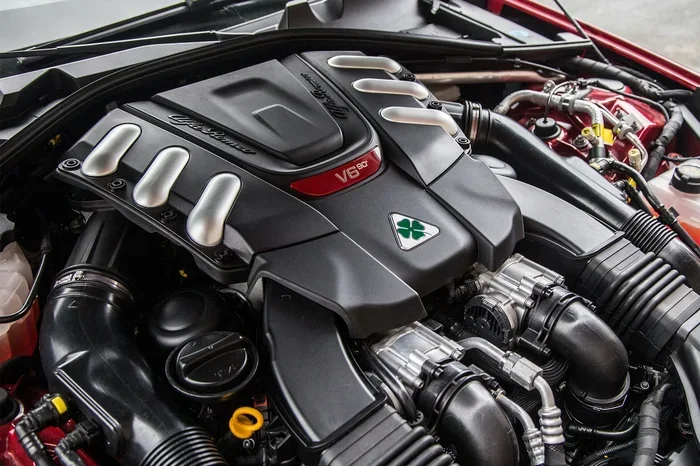
At the center of the Bugatti Chiron Super Sport sits an 8.0-liter quad-turbo W16 engine. This engine is not your typical power plant. It has 16 cylinders arranged in a W shape. Four turbochargers force massive amounts of air into the combustion chambers. The result is an astonishing 1,578 horsepower and 1,180 lb-ft of torque.
To put that in perspective, most family sedans produce around 200 to 300 horsepower. The Chiron Super Sport has more than five times that amount. This enormous power output is the primary reason the car can accelerate so aggressively. When you mash the pedal, all of that torque transfers directly to the wheels.
How Forced Induction Boosts Performance
The four turbochargers work together to provide forced induction. This means they compress air and push it into the engine at much higher pressure than natural breathing allows. More air means more fuel can be burned. More fuel burned means more power. The turbochargers spool up almost instantly, which is why the acceleration feels so immediate and violent.
Bugatti engineers spent years perfecting the turbo setup. They wanted to eliminate turbo lag. Turbo lag is the delay you feel in some turbocharged cars before the power kicks in. In the Chiron Super Sport, the power delivery is nearly seamless. You press the pedal, and the car surges forward without hesitation.
Engine Maintenance for Peak Acceleration
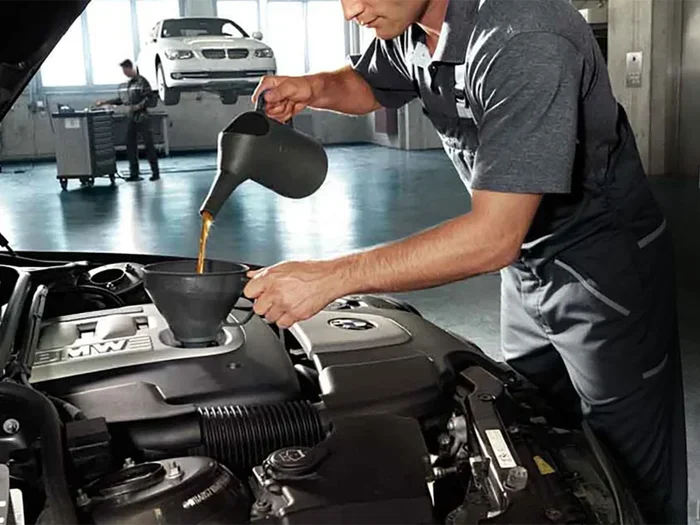
Keeping this engine in top shape is critical. Regular oil changes using high-quality synthetic oil are essential. The engine oil not only lubricates but also helps with cooling. At the extreme temperatures this engine produces, degraded oil can lead to performance loss.
Here are some quick maintenance tips for the engine:
- Change the engine oil every 10,000 miles or as recommended.
- Use only Bugatti-recommended synthetic oil with the correct viscosity.
- Inspect the turbocharger pipes and seals during every service visit.
- Monitor the coolant levels and flush the cooling system on schedule.
- Replace the air filters to ensure clean airflow to the engines.
Neglecting these simple steps can cause the engine to lose power over time. A well-maintained W16 engine will deliver the same explosive acceleration for years.
Aerodynamics: Cutting Through the Air
The Role of Downforce in Acceleration
Acceleration is not just about power. It is also about keeping the car planted. When a car goes fast, air resistance pushes against it. This is called drag. The Bugatti Chiron Super Sport uses advanced aerodynamics to reduce drag and increase downforce simultaneously.
Downforce is the force that pushes the car down onto the road. More downforce means more tire grip. More tire grip means the car can accelerate harder without spinning the wheels. The long-tail design of the Super Sport was specifically engineered to manage airflow over and around the car at extreme speeds.
Active Aerodynamic Features
The Chiron Super Sport features active aerodynamics. These are moving parts that adjust based on driving conditions. For example, the rear wing extends at high speeds to increase downforce. At lower speeds, it retracts to reduce drag. The front underbody also has channels that direct airflow efficiently.
These features work together to create a balance between straight-line speed and stability. When you are accelerating hard, you want the car to stay flat and planted. The active aero system ensures this happens automatically. You do not need to adjust anything manually.
Maintaining Aerodynamic Components
The aerodynamic parts on the Chiron Super Sport are made from lightweight materials like carbon fiber. Over time, these components can get damaged from road debris or minor impacts. Even small dents or cracks can disrupt airflow and reduce performance.
Here is how to keep the aero components in great shape:
- Inspect the front splitter and rear wing after every track day or long drive.
- Repair any cracks or chips in the carbon fiber immediately.
- Keep the underbody clean to ensure proper airflow through the diffuser.
- Have the active aero mechanisms checked during routine service.
Clean, undamaged aerodynamic surfaces make a real difference in how the car accelerates and how stable it feels at high speeds.
The Transmission: Shifting Power to the Wheels
Seven-Speed Dual-Clutch Gearbox
The Bugatti Chiron Super Sport uses a seven-speed dual-clutch automatic transmission. This type of gearbox is known for its incredibly fast shift times. Traditional automatic transmissions use a torque converter, which can cause a slight delay during gear changes. The dual-clutch system eliminates this problem almost entirely.
How does it work? Two clutches operate independently. One clutch handles odd gears, and the other handles even gears. When you are in third gear, the system is already pre-selecting fourth gear. When it is time to shift, the next gear is already engaged. The result is a shift that happens in just milliseconds.
During hard acceleration, these near-instant shifts mean there is almost no interruption in power delivery. The car does not pause or stumble between gears. It just keeps pulling harder and harder. This is a huge reason why the 0 to 60 mph time is so impressively short.
Launch Control for Maximum Starts
The Chiron Super Sport also features launch control. This is a system that optimizes the car for the fastest possible start from a standstill. When you activate launch control, the car manages the throttle, clutch, and gear selection automatically. It holds the engine at the perfect RPM and releases the clutch with precise timing.
Using launch control properly can shave tenths of a second off your acceleration times. However, it should be used sparingly. Frequent hard launches put extra stress on the clutch components and drivetrain. Save it for the track or special occasions.
Transmission Maintenance Tips
The dual-clutch gearbox is robust but it still needs care. Here is what you should do:
- Change the transmission fluid at the recommended intervals.
- Avoid riding the clutch during everyday driving.
- Let the gearbox warm up before pushing it hard in cold weather.
- Have the clutch packs inspected if you notice any hesitation during shifts.
Regular transmission maintenance ensures that the shifts remain crisp and the acceleration remains consistent over the life of the car.
All-Wheel Drive and Tire Grip
Why All-Wheel Drive Matters for Acceleration
With over 1,500 horsepower, a rear-wheel-drive car would simply spin its tires. The Bugatti Chiron Super Sport uses an all-wheel-drive system to put all that power to the ground effectively. The system sends power to all four wheels, which distributes the load and prevents excessive wheel spin.
During acceleration, the AWD system constantly monitors traction at each wheel. If one wheel starts to slip, power is redirected to the wheels with better grip. This happens in fractions of a second. The driver does not need to do anything. The system just works.
The Special Tires That Make It Possible
Even the best drivetrain is useless without good tires. The Chiron Super Sport uses specially developed Michelin Pilot Sport Cup 2 tires. These tires are designed for extreme performance. They have a unique tread pattern and rubber compound that provides maximum grip on both dry and wet surfaces.
At speeds above 200 mph, the tires face enormous centrifugal forces. They must maintain contact with the road surface while handling extreme heat. The tires on the Chiron Super Sport are reinforced to handle these conditions. They are also inflated with a special nitrogen mixture for more consistent pressure at high temperatures.
Tire Maintenance for Optimal Acceleration
Tires are the only part of the car that touches the road. Keeping them in excellent condition is critical for maintaining acceleration performance. Here are some tips:
- Check tire pressure before every drive. Use the manufacturer-recommended PSI.
- Rotate the tires regularly to ensure even wear.
- Replace tires when the tread depth drops below the safe limit.
- Store the car in a climate-controlled environment to prevent tire degradation.
- Have the wheels aligned and balanced at least once a year.
Worn or underinflated tires will rob the car of grip. This means slower acceleration and longer stopping distances. Simple tire maintenance goes a long way in preserving the Chiron Super Sport’s incredible performance.
Lightweight Construction and Power-to-Weight Ratio
Why Weight Matters for Speed
Acceleration is all about the relationship between power and weight. This is called the power-to-weight ratio. The more power you have for each pound of weight, the faster the car accelerates. The Bugatti Chiron Super Sport achieves an impressive power-to-weight ratio through a combination of massive power and lightweight materials.
The car’s body and chassis make extensive use of carbon fiber. Carbon fiber is incredibly strong yet much lighter than steel or aluminum. The interior also uses lightweight materials wherever possible. Even the wheels are designed to be as light as they can be while remaining strong enough for high-speed driving.
Keeping Weight Down Over Time
As the car ages, it can gain weight from wear parts, fluids, and accessories. Keeping the weight in check helps maintain acceleration performance. Here are some tips:
- Remove unnecessary items from the car. Every pound counts at this level.
- Use lightweight aftermarket parts when replacements are needed.
- Keep the fuel tank appropriately filled. A full tank adds weight, but running on empty is worse for the fuel pump.
- Choose lightweight interior accessories and avoid heavy upgrades.
These small efforts add up over time and help ensure the car stays as quick as the day you drove it off the lot.
Cooling Systems: Managing the Heat
Why the Engine Needs Serious Cooling
When an engine produces 1,578 horsepower, it generates an enormous amount of heat. The Bugatti Chiron Super Sport has a sophisticated cooling system to manage this heat. There are separate cooling circuits for the engine, the turbochargers, and the transmission. Each system is designed to keep its component at the optimal operating temperature.
Without proper cooling, the engine would overheat and lose power. In extreme cases, it could cause serious internal damage. The cooling system uses large radiators, high-capacity water pumps, and dedicated heat exchangers. All of these work together to keep temperatures in check even during sustained hard acceleration.
Cooling System Maintenance
Keeping the cooling system in top shape is essential for preserving acceleration performance. Here is what you should do:
- Flush and refill the coolant according to the maintenance schedule.
- Inspect all hoses and connections for leaks or cracks.
- Check the radiator for debris or damage that could block airflow.
- Make sure the cooling fans are working properly at all speeds.
- Monitor the temperature gauge during hard driving sessions.
A well-maintained cooling system ensures that the engine can deliver its full power output every time you step on the pedal. Overheating is the enemy of performance.
Common Mistakes That Hurt Acceleration Performance
Even the most powerful car can lose its edge if it is not cared for properly. Here are some common mistakes that owners make:
- Skipping Regular Oil Changes: Dirty oil increases friction and reduces engine efficiency. This directly impacts acceleration.
- Ignoring Tire Condition: Worn tires lose grip. You will feel the difference in launch performance immediately.
- Overloading the Car: Adding unnecessary weight reduces the power-to-weight ratio. Keep the car as light as possible.
- Neglecting Software Updates: Modern Bugattis receive firmware updates that can optimize engine tuning and shift points.
- Using Low-Quality Fuel: The Chiron Super Sport requires premium fuel. Lower octane fuel can cause detonation and reduce power output.
- Avoiding Professional Service: DIY maintenance might seem appealing, but these cars need specialized tools and expertise. Always use certified technicians.
Avoiding these mistakes will help keep your Chiron Super Sport accelerating at its absolute best for many years to come.
Expert Insights on Bugatti Acceleration Technology
According to automotive engineers who have worked on Bugatti projects, the secret to the Chiron Super Sport’s acceleration is not just one thing. It is the sum of many carefully engineered systems working in harmony. The engine, transmission, drivetrain, aerodynamics, and tires all need to be perfectly balanced.
One engineer described it this way: “You can have the most powerful engine in the world, but if you cannot get that power to the ground effectively, it does not matter.” This philosophy is at the core of every design decision Bugatti makes.
The company also invested heavily in testing. Every component was tested under extreme conditions before being approved for production. The result is a car that not only accelerates incredibly fast but does so reliably and safely.
For owners, this means that the car is built to be driven hard. The acceleration is not just a number on a spec sheet. It is an experience that the car was designed to deliver every single time you get behind the wheel.
Key Takeaways
- Massive Power Output: The 8.0-liter quad-turbo W16 engine delivers 1,578 horsepower and 1,180 lb-ft of torque.
- Advanced Aerodynamics: Active aerodynamics and a long tail design create serious downforce at high speeds.
- Smart Transmission: The seven-speed dual-clutch gearbox shifts gears in milliseconds for seamless acceleration.
- All-Wheel Grip: The all-wheel-drive system and specially designed tires maximize traction during launch.
- Lightweight Construction: Carbon fiber and lightweight materials keep the curb weight manageable despite the huge power.
- Maintenance Matters: Regular upkeep of the engine, tires, and cooling system is essential to preserve acceleration performance.
Conclusion
The Bugatti Chiron Super Sport represents the pinnacle of automotive engineering. Its acceleration is the result of decades of research, millions of dollars in development, and countless hours of testing. From the massive quad-turbo W16 engine to the advanced aerodynamics, from the lightning-fast dual-clutch transmission to the specially engineered tires, every system is designed with one goal in mind: going fast.
But owning a car like this comes with responsibility. Regular maintenance is not optional. It is essential. The oil changes, the tire rotations, the cooling system flushes, and the transmission services all play a role in keeping the car performing at its absolute best.
If you are fortunate enough to own or drive a Bugatti Chiron Super Sport, take care of it. The acceleration experience it provides is truly unlike anything else on the road. Follow the maintenance schedule, use quality parts and fluids, and respect the engineering marvel that is the Chiron Super Sport. It will reward you with blistering acceleration every time you turn the key.
The world of hypercars may be evolving, with electric vehicles pushing the boundaries of speed. But for now, the Bugatti Chiron Super Sport stands as a testament to what internal combustion engineering can achieve. Its acceleration is not just impressive. It is legendary.
Frequently Asked Questions
How fast does the Bugatti Chiron Super Sport go from 0 to 60 mph?
The Bugatti Chiron Super Sport accelerates from 0 to 60 mph in approximately 2.3 seconds. This incredible figure is thanks to the massive 1,578 horsepower output and the advanced all-wheel-drive system that puts all that power to the ground efficiently.
What makes the Bugatti Chiron Super Sport so good at accelerating?
Several factors work together. The quad-turbo W16 engine produces enormous horsepower and torque. The dual-clutch transmission shifts gears almost instantly. The all-wheel-drive system maximizes traction. The aerodynamic design reduces drag and increases downforce. All of these systems combine to deliver effortless, explosive acceleration.
How often should I service the engine for best acceleration performance?
Bugatti recommends an oil change every 10,000 miles using their specified synthetic oil. The coolant should be flushed according to the service schedule. Regular inspection of the turbochargers, air filters, and cooling system components is also important. Following the official maintenance schedule ensures the engine maintains its full power output.
Can I improve the acceleration of my Chiron Super Sport with aftermarket parts?
While some aftermarket parts may claim performance gains, modifying a Bugatti can void the warranty and potentially compromise reliability. The factory settings are already optimized by Bugatti engineers. The best way to maintain acceleration performance is through proper maintenance and using genuine Bugatti parts and fluids.
Does the cooling system really affect acceleration?
Yes, it does. An overheating engine will automatically reduce power output to protect itself. This is called thermal throttling. If the cooling system is not functioning properly, you may notice a loss of acceleration during hard driving. Keeping the cooling system in top shape ensures the engine can deliver its full power consistently.
Is the Bugatti Chiron Super Sport suitable for daily driving?
While it is a hypercar, the Chiron Super Sport is designed to be driven regularly. The all-wheel-drive system and advanced electronics make it more manageable in everyday conditions compared to many supercars. However, daily driving a car with this level of power requires patience, skill, and a commitment to keeping up with its maintenance schedule.