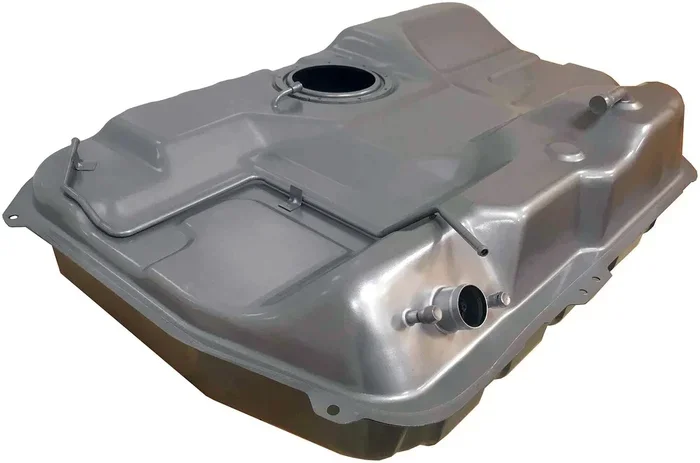
How Much Gas Does a Hyundai Elantra Hold on a Full Tank
The Hyundai Elantra typically holds between 12.4 and 14.2 gallons of fuel depending on the model year and trim. This means you can expect a driving range of roughly 400 to 550 miles on a full tank, making it one of the most efficient sedans for daily commuting and road trips alike.
If you own a Hyundai Elantra or are thinking about buying one, knowing your fuel tank capacity is essential. It affects your daily commute, your road trip planning, and even your monthly budget. So how much gas does a Hyundai Elantra hold on a full tank? The answer depends on a few things, including the model year, trim level, and whether you drive the gas or hybrid version.
In this guide, we break down everything you need to know about the Hyundai Elantra gas tank. We will look at tank sizes across different years, calculate your driving range, and share practical tips to get the most out of every gallon. Whether you are a new Elantra owner or just curious about fuel capacity, this article has you covered.
Key Takeaways
- Tank Size Varies: Most Hyundai Elantra models carry between 12.4 and 14.2 gallons of fuel.
- Impressive Range: A full tank can take you 400 to 550 miles depending on driving conditions.
- Fuel Economy Is Strong: The Elantra delivers between 30 and 43 MPG combined, making it very efficient.
- Cost to Fill Up Is Affordable: Depending on gas prices, filling the tank typically costs $40 to $65.
- Model Year Matters: Newer models tend to have slightly larger tanks and better fuel economy than older ones.
- Hybrid Option Exists: The Elantra Hybrid offers even better fuel efficiency for eco-conscious drivers.
📑 Table of Contents
- Understanding the Hyundai Elantra Fuel Tank
- Fuel Tank Capacity Across Different Model Years
- How Far Can a Hyundai Elantra Go on a Full Tank
- Factors That Affect Your Elantra Gas Mileage
- Tips to Maximize Fuel Efficiency in Your Hyundai Elantra
- How Much Does It Cost to Fill Up a Hyundai Elantra
- Elantra Hybrid: A Different Approach to Fuel Capacity
- Common Mistakes That Waste Gas in Your Elantra
- Expert Insights on Hyundai Elantra Fuel Economy
- Final Thoughts
Understanding the Hyundai Elantra Fuel Tank
The fuel tank capacity of a Hyundai Elantra is not a one-size-fits-all number. Over the years, Hyundai has made subtle changes to the tank size to improve design, weight distribution, and overall efficiency. The tank is where all the energy lives before it reaches the engine. A bigger tank means more fuel, which means fewer trips to the gas station.
Most modern Hyundai Elantra models come with a tank that holds somewhere between 12.4 and 14.2 gallons. This might not sound like a lot compared to larger SUVs, but for a compact sedan, it is more than enough for most drivers. The Elantra is designed for efficiency, not for hauling extra fuel weight around. This is something to keep in mind if you are comparing it to 000 Lbs Heavy for a Car in terms of overall vehicle weight and fuel load.
Why Tank Size Matters
Tank size directly affects your driving range. A larger tank means you can go farther between fill-ups. For people who drive long distances or live in areas where gas stations are far apart, this can be a big deal. On the other hand, a smaller tank keeps the car lighter, which can improve fuel economy and handling.
Hyundai has clearly balanced these trade-offs well in the Elantra. The result is a sedan that offers a solid driving range without sacrificing efficiency. Most drivers find that a full tank easily gets them through a full week of commuting without needing to stop for gas.
Fuel Tank Capacity Across Different Model Years
The Hyundai Elantra has been around since 1990, and the tank size has evolved over the decades. Let us break it down by generation so you know exactly what to expect.
Sixth Generation (2011-2020)
During the sixth generation, the Elantra typically held about 13.2 gallons of fuel. This was a sweet spot for the compact sedan class. Drivers could expect around 400 to 450 miles of range on a full tank, depending on driving habits and conditions.
Seventh Generation (2021-Present)
The newer Elantra models from 2021 onward come with slightly updated tank sizes. The standard gas Elantra holds approximately 12.4 gallons, while some trims push closer to 14.2 gallons. The smaller tank in the base model is a deliberate choice. Hyundai wanted to reduce overall vehicle weight and improve fuel economy. Even with a slightly smaller tank, the driving range remains very competitive.
For those wondering about the hybrid version, the Elantra Hybrid has its own tank specifications. The hybrid system uses less fuel overall, so the tank size is optimized for the electric motor assistance rather than raw fuel volume.
How Far Can a Hyundai Elantra Go on a Full Tank
This is the question most drivers really want answered. How many miles can you squeeze out of a full Hyundai Elantra gas tank? The answer depends on several factors, but let us start with some general numbers.
Using the combined MPG rating of around 33 to 35 for most recent models, a 13.2-gallon tank gives you roughly 435 to 460 miles of range. That is a solid number for a daily commuter or a weekend road trip. If you are driving the highway more than in the city, your range will be even better.
Some drivers have reported getting close to 500 miles on a tank when driving at steady highway speeds. This is where the Elantra really shines. The aerodynamic body design and efficient engine work together to stretch every drop of fuel.
City vs Highway Driving Range
Your driving environment plays a huge role in how far you can go. City driving with lots of stops and starts will use more fuel. Highway driving at steady speeds is much more efficient. Here is a quick comparison:
- City Driving: Expect around 30 to 33 MPG, giving you roughly 375 to 400 miles on a full tank.
- Highway Driving: Expect around 38 to 43 MPG, giving you roughly 480 to 550 miles on a full tank.
- Mixed Driving: Most real-world driving falls somewhere in between, around 33 to 37 MPG.
If you are someone who drives a lot of highway miles, the Elantra is a fantastic choice. The range is impressive, and you will find yourself stopping for gas less often. This is also relevant if you are comparing long-distance efficiency to other vehicles, including considerations around 000 Miles A Lot for a Diesel and how different fuel types stack up over distance.
Factors That Affect Your Elantra Gas Mileage
No two drivers get exactly the same fuel economy numbers. Several factors influence how many miles you get per gallon in your Elantra. Understanding these can help you make smarter driving decisions.
Driving Habits
How you drive matters a lot. Aggressive acceleration, hard braking, and speeding all burn fuel faster. Smooth, steady driving is the key to maximizing your miles per gallon. If you want to get the most out of every tank, ease off the accelerator and coast to stops when possible.
Vehicle Maintenance
A well-maintained Elantra runs more efficiently. Things like tire pressure, air filter condition, and engine tune-ups all play a role. Underinflated tires, for example, can reduce your fuel economy by 3 to 5 percent. That might not sound like much, but it adds up over time.
Weather and Climate
Cold weather can reduce your fuel efficiency. The engine takes longer to warm up, and heaters draw extra energy. In hot weather, using the air conditioning also increases fuel consumption. These are seasonal factors that every driver experiences, and they can shift your gas mileage by a noticeable margin.
Load and Cargo Weight
Carrying heavy loads or extra passengers increases fuel usage. The more weight your car carries, the more energy the engine needs to move it. This ties back to the concept of 000 Lbs Heavy for a Car because extra weight directly impacts how much fuel your vehicle burns.
Tips to Maximize Fuel Efficiency in Your Hyundai Elantra
Want to stretch your fuel range even further? Here are some practical, proven tips that real Elantra owners use to get the best gas mileage possible.
- Keep Your Tires Properly Inflated: Check tire pressure at least once a month. Properly inflated tires reduce rolling resistance and improve fuel economy.
- Remove Unnecessary Weight: Clean out your trunk and back seat. Extra items in the car add weight and reduce efficiency.
- Use Cruise Control on Highways: Maintaining a steady speed saves fuel compared to constantly adjusting your speed.
- Avoid Idling: Turn off the engine if you are parked for more than a minute. Idling burns fuel without moving you forward.
- Plan Your Routes: Avoid heavy traffic and stop-and-go roads when you can. Smooth roads mean better fuel economy.
- Use the Right Oil: Follow Hyundai’s recommended oil grade. The wrong oil can increase engine friction and reduce efficiency.
- Keep Up with Maintenance: Regular oil changes, air filter replacements, and spark plug checks keep the engine running at its best.
These small changes can add up to significant savings over time. Many Elantra owners report improving their MPG rating by 2 to 5 miles per gallon just by following these basic tips.
How Much Does It Cost to Fill Up a Hyundai Elantra
Knowing your tank size is only half the equation. The other half is understanding what it costs to fill it up. Fuel prices vary by region, but we can calculate a general estimate.
With a tank capacity of around 12.4 to 14.2 gallons, filling up at a national average gas price of about $3.50 per gallon would cost roughly $43 to $50. If gas prices spike to $4.50 or higher, the cost rises to $56 to $65 per fill-up.
For a monthly commuter driving about 1,000 miles, you would need roughly 28 to 33 gallons of fuel. At $3.50 per gallon, that is about $98 to $115 per month. Compared to larger vehicles, the Elantra keeps your fuel costs quite manageable.
If you want to track your fuel spending more precisely, consider using a fuel cost calculator app. These tools let you input your tank size, MPG, and local gas prices to get a personalized estimate of your monthly and annual fuel costs.
Is the Elantra Cheaper to Fuel Than Other Sedans?
In most cases, yes. The Elantra competes well with other compact sedans like the Honda Civic, Toyota Corolla, and Mazda3 in terms of fuel economy. Its combination of a reasonable tank size and strong MPG numbers makes it one of the more affordable sedans to run day to day. The Hyundai Elantra fuel costs are consistently below the average for the compact sedan segment.
Elantra Hybrid: A Different Approach to Fuel Capacity
The Elantra Hybrid takes a different approach to fuel management. Because it has both a gas engine and an electric motor, it does not need as much fuel to travel the same distance. The hybrid system recovers energy during braking and uses it to assist the engine, which significantly improves fuel efficiency.
The hybrid version typically offers around 53 MPG combined, which is a remarkable number for a sedan. Even though the tank size is similar to the gas version, the driving range is much greater because you use less fuel per mile. This makes the hybrid an excellent choice for drivers who want to minimize their trips to the gas station.
Which Version Is Right for You?
If your daily commute is short and you mostly drive in the city, the hybrid Elantra is a strong contender. If you prefer a simpler powertrain and want a lower upfront cost, the gas Elantra still delivers excellent fuel economy. Both versions share the same core advantage: a well-designed fuel tank capacity that supports efficient, worry-free driving.
Common Mistakes That Waste Gas in Your Elantra
Even the most efficient car can suffer from bad habits. Here are some common mistakes Elantra owners make that drain their fuel tank faster than necessary.
- Ignoring the Check Engine Light: A faulty sensor or misfire can significantly reduce fuel economy. Do not ignore warning lights.
- Using the Wrong Fuel Grade: The Elantra runs fine on regular unleaded. Using premium fuel will not improve performance or efficiency.
- Heavy Foot on the Gas: Flooring the accelerator wastes fuel. Gentle acceleration is one of the easiest ways to save gas.
- Neglecting Air Filters: A dirty air filter restricts airflow to the engine, making it work harder and burn more fuel.
- Skipping Oil Changes: Old, dirty oil increases engine friction, which reduces fuel efficiency over time.
Avoiding these mistakes can help you get the most out of every tank. Many drivers are surprised at how much they can improve their real-world gas mileage just by fixing these small issues.
Expert Insights on Hyundai Elantra Fuel Economy
Automotive experts consistently praise the Elantra for its balanced approach to fuel capacity and efficiency. According to the EPA, the latest Elantra models achieve a combined MPG rating that places them at the top of the compact sedan class. The combination of a lightweight platform, aerodynamic design, and efficient powertrain gives the Elantra a clear advantage in the fuel economy department.
Real-world testing by independent reviewers has confirmed that many owners exceed the EPA estimates under favorable driving conditions. Highway drivers in particular tend to see the best results. The Elantra’s gas gauge is also known for being reasonably accurate, so you can plan your fuel stops with confidence.
One thing experts recommend is tracking your fuel usage over time. Keep a simple log of fill-ups, miles driven, and gallons used. This gives you a personalized picture of your real-world fuel economy and helps you spot any changes early. If your MPG drops suddenly, it could signal a maintenance issue that needs attention.
Final Thoughts
So, how much gas does a Hyundai Elantra hold on a full tank? The answer is clear: between 12.4 and 14.2 gallons for most model years. This translates to a driving range of 400 to 550 miles, depending on your driving style and conditions. The Elantra is a smart, efficient choice for anyone who wants a reliable sedan without breaking the bank on fuel.
Whether you drive the gas model or the hybrid, understanding your fuel tank capacity and MPG rating helps you plan better, save money, and enjoy the drive more. Use the tips in this article to get the most out of your Elantra, and you will find that filling up is a quick and affordable part of car ownership.
The bottom line is simple: the Hyundai Elantra is built for efficiency. Its fuel tank is sized perfectly for its class, and the gas mileage speaks for itself. If you are looking for a sedan that goes far on less, the Elantra should be at the top of your list.
Frequently Asked Questions
What is the fuel tank capacity of a Hyundai Elantra?
Most Hyundai Elantra models hold between 12.4 and 14.2 gallons of fuel. The exact capacity depends on the model year and trim level. Newer base models tend to have slightly smaller tanks to improve fuel economy and reduce vehicle weight.
How many miles can a Hyundai Elantra go on a full tank?
On a full tank, a Hyundai Elantra can travel approximately 400 to 550 miles. Highway driving yields the best range, often exceeding 500 miles. City driving typically results in a range closer to 375 to 450 miles depending on traffic conditions.
Does the Hyundai Elantra Hybrid have a different tank size?
The Elantra Hybrid has a similar tank size to the gas version, usually around 12.4 gallons. However, because the hybrid system uses fuel more efficiently, the driving range is significantly greater. You can expect over 500 miles of range on a full tank with the hybrid model.
How often do I need to fill up my Hyundai Elantra?
For most drivers covering 1,000 to 1,200 miles per week, a fill-up every 7 to 10 days is typical. Your fill-up frequency depends on your daily mileage, driving habits, and local gas prices. Tracking your fuel usage helps you predict your personal fill-up schedule.
Is premium gas better for a Hyundai Elantra?
No, Hyundai recommends regular unleaded fuel for the Elantra. Using premium gas will not improve performance or fuel economy. Stick with the recommended fuel grade to save money at the pump without any downside.
What affects the Hyundai Elantra’s gas mileage the most?
Driving habits have the biggest impact on gas mileage. Aggressive acceleration, speeding, and frequent hard braking waste fuel. Vehicle maintenance, tire pressure, weather conditions, and cargo weight also play important roles in your overall fuel efficiency.