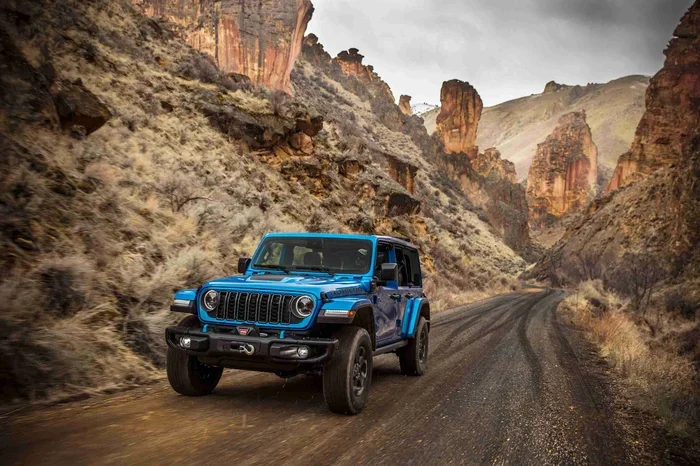
How Much Does a Jeep Rubicon Weigh and Why It Matters
The Jeep Rubicon weight typically ranges from 4,400 to 4,900 pounds depending on the model year and trim. Understanding your Rubicon’s weight helps you make smarter decisions about towing, payload, and off-road performance. This guide breaks down every weight specification you need to know.
So, you just bought a Jeep Rubicon or you are thinking about it. Great choice. But there is one question that keeps coming up: how much does a Jeep Rubicon weigh?
Weight matters more than most people think. It affects everything from fuel economy to off-road performance. Whether you are planning a weekend trail run or hauling gear for a camping trip, knowing your Rubicon’s weight is essential. In this guide, we will break down every weight spec you need to understand.
We will cover curb weight, payload capacity, towing limits, and how added accessories change the numbers. By the end, you will have a clear picture of what your Rubicon is working with. Let us dive in.
Key Takeaways
- Average Curb Weight: A Jeep Rubicon weighs between 4,400 and 4,900 pounds curb weight, depending on the year and trim level.
- Gross Vehicle Weight Rating (GVWR): The Rubicon has a GVWR of around 5,200 to 5,500 pounds, which includes the vehicle plus passengers and cargo.
- Payload Capacity: Most Rubicons can carry between 800 and 1,100 pounds of payload, including passengers and gear.
- Towing Capacity: The Rubicon can tow up to 3,500 to 4,500 pounds when properly equipped.
- Weight Impacts Performance: Heavier weight affects fuel economy, acceleration, braking, and off-road agility.
- Aftermarket Additions Add Up: Accessories like lift kits, armor, and larger tires can add 200 to 600 extra pounds.
📑 Table of Contents
- What Is the Jeep Rubicon Weight?
- Understanding Curb Weight vs. Gross Vehicle Weight Rating
- How Weight Affects Off-Road Performance
- Payload Capacity and Towing Limits
- Aftermarket Mods and Their Impact on Weight
- Comparing the Jeep Rubicon to Other Models
- Tips for Managing Your Jeep Rubicon Weight
- Common Mistakes People Make With Rubicon Weight
- Final Thoughts on Jeep Rubicon Weight
What Is the Jeep Rubicon Weight?
The Jeep Rubicon weight varies depending on the model year, engine type, and trim level. There is no single number that fits every Rubicon on the road. But here are the general ranges you should know.
For recent model years, the curb weight of a Jeep Rubicon typically falls between 4,400 and 4,900 pounds. Curb weight means the weight of the vehicle with a full tank of fuel but no passengers or cargo. This is the baseline number that manufacturers use for comparison.
If you are looking at a Rubicon with the 3.6-liter V6 engine, you are generally looking at the lighter end of the spectrum. The 2.0-liter turbocharged four-cylinder models tend to be a bit lighter. And if you have the diesel option, the numbers shift a little higher due to the heavier engine assembly.
Why Curb Weight Matters
Curb weight is the starting point for almost every other calculation. It tells you how much the vehicle weighs on its own. From there, you add passengers, gear, fuel, and any aftermarket parts. All of that adds up to your actual operating weight.
Think of curb weight like the empty backpack before you start packing for a hike. The heavier the empty pack, the less room you have for the good stuff. The same logic applies to your Rubicon. A heavier base weight means less capacity for everything else.
Understanding Curb Weight vs. Gross Vehicle Weight Rating
These two numbers are related but very different. Curb weight is the weight of the empty vehicle. Gross Vehicle Weight Rating (GVWR) is the maximum safe weight the vehicle can handle, including itself plus everything inside and attached to it.
For the Jeep Rubicon, the GVWR typically sits around 5,200 to 5,500 pounds. That means the difference between curb weight and GVWR gives you your total payload capacity. This number is critical for anyone who plans to haul gear, tow a trailer, or carry passengers regularly.
| Specification | Typical Range |
|---|---|
| Curb Weight | 4,400 – 4,900 lbs |
| GVWR | 5,200 – 5,500 lbs |
| Payload Capacity | 800 – 1,100 lbs |
| Towing Capacity | 3,500 – 4,500 lbs |
How to Find Your Exact Numbers
Every Jeep comes with a sticker on the driver’s side door jamb. This sticker lists the exact curb weight, GVWR, and tire pressure for your specific vehicle. If you ever doubt the numbers, this is your go-to source. The sticker is more accurate than any general guide because it reflects your exact build and options.
You can also check the owner’s manual. It will have a section dedicated to vehicle specifications. This is especially helpful if you are comparing a used Rubicon and want to verify the weight before making a purchase.
How Weight Affects Off-Road Performance
This is where things get interesting. The Jeep Rubicon weight directly impacts how the vehicle performs on the trail. More weight is not always better. It is about balance and understanding what your vehicle can handle.
A heavier Rubicon has more momentum, which can be helpful when climbing over rocks. But it also means more strain on the suspension, brakes, and drivetrain. On the flip side, a lighter Rubicon is more nimble and easier to maneuver through tight trails.
The Trade-Off Between Weight and Capability
The Rubicon is built for serious off-roading. It comes with locking differentials, disconnecting sway bars, and heavy-duty axles. All of these parts add weight. But they also add capability. You cannot have the extreme off-road performance of a Rubicon without the components that make it possible.
When you compare the Rubicon to a lighter Jeep Wrangler Sport, the difference is noticeable. The Rubicon is heavier because it is purpose-built for rock crawling and extreme terrain. That extra weight is the price of admission for serious trail capability.
Weight Distribution Matters
It is not just about total weight. Where the weight sits matters too. The Rubicon has a relatively balanced weight distribution between the front and rear axles. This helps with traction and stability on uneven terrain.
However, if you add a heavy roof rack or mount a winch on the front bumper, you shift the weight forward. This can affect steering feel and front tire wear. Always think about where the weight goes, not just how much weight you add.
Payload Capacity and Towing Limits
Now let us talk about what your Rubicon can actually carry. Payload capacity is the maximum weight of passengers, cargo, and accessories you can safely add to the vehicle. Towing capacity is how much weight you can pull behind you with a trailer.
For most Jeep Rubicons, the payload capacity falls between 800 and 1,100 pounds. That includes all passengers, gear, food, coolers, and anything else you bring along. If you have four people in the vehicle, that is already around 600 to 800 pounds right there.
Towing capacity for the Rubicon ranges from 3,500 to 4,500 pounds, depending on the drivetrain and equipment. With the proper towing package, you can pull a small boat, a travel trailer, or a pair of ATVs. But stay within the limits. Exceeding the towing capacity is dangerous and can damage your transmission and engine.
Why Exceeding Weight Limits Is Dangerous
Overloading your Rubicon is one of the worst things you can do. It affects braking distance, handling, and tire wear. In extreme cases, it can cause component failure. Nobody wants a blown axle in the middle of nowhere.
If you are regularly hauling heavy loads, consider a vehicle with a higher payload rating. The Rubicon is a capable machine, but it has limits. Respecting those limits keeps you safe and extends the life of your vehicle.
Fuel Economy and Weight
Heavier vehicles burn more fuel. It is a simple physics equation. The Rubicon is not a lightweight SUV, and its fuel economy reflects that. Expect around 15 to 22 miles per gallon depending on driving conditions and engine type.
If you are someone who drives long distances frequently, the weight will show up at the pump. Some owners compare their fuel costs and note that the Rubicon uses more fuel than lighter alternatives. If you are coming from a 000 miles a lot for a diesel perspective, the Rubicon’s fuel range per tank is something to plan around on long trips.
To improve fuel economy, keep your gear light. Remove roof racks when not in use. Maintain proper tire pressure. Small changes add up over time and can make a noticeable difference at the fuel gauge.
Aftermarket Mods and Their Impact on Weight
One of the best things about the Rubicon is how customizable it is. But every aftermarket part you add has a weight cost. Let us look at the common modifications and how they change the numbers.
A lift kit typically adds 50 to 150 pounds depending on the brand and type. Larger tires and wheels can add 50 to 100 pounds per set. Rock rails and skid plates add another 50 to 100 pounds. A winch can weigh 50 to 100 pounds on its own.
If you add all of these common mods, you could be looking at 300 to 600 extra pounds. That is significant. It reduces your payload capacity and can affect fuel economy. Before you start buying accessories, make a plan. Know what you need and what you can skip.
Smart Modding Without Overdoing It
Not every mod adds weight equally. Some upgrades actually save weight while improving performance. For example, swapping to lighter aftermarket wheels can reduce unsprung weight. This improves ride quality and off-road responsiveness.
Another area where weight matters is window protection. Adding heavy aftermarket window guards or full cage setups adds significant weight. A lighter alternative like a 20 percent window tint protects your interior from UV damage without adding bulk or weight. It is a simple swap that keeps your Rubicon lighter while still looking great.
When you are planning your build, think about function first. Ask yourself if each addition truly serves a purpose. If it does, the weight might be worth it. If it is just for looks, consider a lighter alternative.
Comparing the Jeep Rubicon to Other Models
How does the Rubicon stack up against other vehicles in its class? The Jeep Rubicon weight puts it in the mid-to-heavy range for compact SUVs. It is heavier than the standard Wrangler Sport but lighter than many full-size trucks and large SUVs.
If you are coming from a smaller crossover or sedan, the Rubicon might feel surprisingly heavy. This is normal. Off-road vehicles need more structural reinforcement, heavier suspension components, and stronger axles. All of that contributes to a higher base weight.
Some people compare the Rubicon to trucks like the Ford Bronco or the Toyota 4Runner. The Rubicon generally weighs in a similar range to these competitors. Each vehicle has its own strengths, and weight is just one factor in the overall capability picture.
Is the Rubicon Too Heavy for Your Needs?
If you primarily drive on pavement and rarely go off-road, the Rubicon’s weight might feel like a disadvantage. It is not as nimble as a lighter crossover. Fuel economy will be lower too.
But if you are serious about off-roading, the weight is a feature, not a bug. The heavy-duty components that make the Rubicon capable on the trail also add to the scale. It is a trade-off, and for most Rubicon owners, the capability is worth the extra weight.
Before purchasing, honestly assess your needs. If you rarely use the off-road features, a lighter Jeep Wrangler Sport or even a Jeep Compass might be a better fit. But if you want the best off-road package from Jeep, the Rubicon is hard to beat.
Tips for Managing Your Jeep Rubicon Weight
Once you understand your Rubicon’s weight, you can take steps to manage it effectively. Here are some practical tips that every Rubicon owner should consider.
- Audit your gear regularly. Remove items you do not need. Every pound counts when you are near the payload limit.
- Choose lightweight aftermarket parts. Look for carbon fiber or aluminum alternatives to steel components where possible.
- Keep your tire pressure correct. Underinflated tires add rolling resistance and reduce fuel efficiency.
- Plan your towing carefully. Stay well below the maximum towing capacity to allow a safety margin.
- Consider the weight of passengers. Four full-grown adults plus gear can push you close to the payload limit quickly.
- Upgrade suspension thoughtfully. A lift kit adds height and capability but also adds weight. Choose wisely based on your needs.
Managing weight is an ongoing process. As you add and remove accessories, your numbers will change. Check your payload and towing specs periodically to make sure you are staying within safe limits.
Common Mistakes People Make With Rubicon Weight
There are a few mistakes that Rubicon owners make all the time when it comes to weight management. Avoiding these will keep your vehicle running safely and efficiently.
- Ignoring the door jamb sticker. This is your vehicle’s specific weight data. Do not rely on general estimates.
- Overloading the roof rack. A heavy roof load raises the center of gravity and affects stability, especially at speed.
- Adding parts without calculating the weight. Every bolt-on adds up. Keep a running total of your modifications.
- Assuming towing capacity is unlimited. The Rubicon has clear limits. Exceeding them risks serious damage.
- Comparing weight to smaller vehicles unfairly. The Rubicon is a heavy-duty off-road machine. It should weigh more than a compact SUV.
These mistakes are easy to avoid with a little awareness. Take the time to understand your vehicle’s specs. It will save you money, time, and potentially dangerous situations on the road or trail.
Final Thoughts on Jeep Rubicon Weight
The Jeep Rubicon weight is a topic that deserves attention from every owner and potential buyer. It affects performance, safety, fuel economy, and capability. Understanding the numbers empowers you to make better decisions about how you use and modify your vehicle.
Whether you are a weekend trail warrior or a daily driver who occasionally hits the dirt, knowing your Rubicon’s weight helps you stay within safe limits and get the most out of your investment. The Rubicon is a capable, well-built machine. Respecting its weight specifications is part of being a responsible owner.
Take the time to check your vehicle’s door jamb sticker. Know your curb weight, payload capacity, and towing limits. Plan your mods thoughtfully. And remember that every pound you add has an impact. Your Rubicon is built to handle serious challenges. Keeping it within its designed weight limits ensures it will keep performing at its best for years to come.
Now that you understand the weight specs, you are better equipped to enjoy your Rubicon safely and confidently. Hit the trail, haul your gear, and tow with peace of mind. That is what owning a Rubicon is all about.
Frequently Asked Questions
How much does a 2024 Jeep Rubicon weigh?
The 2024 Jeep Rubicon has a curb weight of approximately 4,400 to 4,900 pounds depending on the engine and trim. The exact weight varies based on options and configurations. Check your specific vehicle’s door jamb sticker for the precise number.
What is the payload capacity of a Jeep Rubicon?
Most Jeep Rubicons have a payload capacity between 800 and 1,100 pounds. This includes all passengers, cargo, and accessories. Always refer to your vehicle’s door jamb sticker for the exact payload rating for your specific build.
Can a Jeep Rubicon tow a travel trailer?
Yes, the Jeep Rubicon can tow between 3,500 and 4,500 pounds when properly equipped. This is enough for a small travel trailer or a pair of ATVs. Make sure you stay within the rated towing limit for safe and reliable operation.
Does adding a lift kit change the Rubicon’s weight significantly?
A lift kit typically adds 50 to 150 pounds to the vehicle. While this is not a massive change, it does affect payload capacity and fuel economy slightly. Always factor in the weight of all aftermarket parts when calculating your total vehicle weight.
Is the Jeep Rubicon heavier than the standard Wrangler?
Yes, the Rubicon is heavier than the standard Wrangler Sport or Sahara trims. The Rubicon comes with heavier-duty off-road components like locking differentials and heavy-duty axles. These parts add weight but also significantly improve off-road capability.
How does vehicle weight affect off-road performance?
Heavier vehicles have more momentum, which helps when climbing over obstacles. However, more weight also means more strain on suspension and brakes. A balanced weight distribution is key to maintaining good handling and traction on the trail.
=== CONCLUSION ===
The Jeep Rubicon weight is a fundamental specification that every owner should understand. From curb weight to payload capacity, these numbers shape how you use your vehicle on and off the road. The Rubicon is a capable machine built for serious off-roading, and its weight reflects that purpose-built engineering.
By staying informed about your Rubicon’s weight specs, you can make smarter decisions about modifications, gear, and towing. Respect the limits, plan ahead, and enjoy the incredible capability this iconic SUV has to offer. Your Rubicon is ready for anything. Make sure you are too by knowing exactly what it is carrying.