How Long Do Subaru WRX Models Last and What to Expect
Quick Summary
The Subaru WRX is built to last, with many models easily surpassing 200,000 miles when properly maintained. Regular oil changes, timely repairs, and smart driving habits play a huge role in determining your Subaru WRX lifespan. In this guide, we break down what you can expect from your WRX and how to keep it running strong for years to come.
The Subaru WRX is not just another car on the road. It is a machine with a reputation for durability, performance, and a driving experience that keeps owners coming back for more. But one question comes up again and again in forums and garage conversations: how long do these vehicles actually last?
The answer is not as simple as a single number. A Subaru WRX lifespan depends on how you drive, how well you maintain it, and which generation you own. Some dedicated owners report pushing their WRX past 300,000 miles without a major engine rebuild. Others experience significant issues by the 100,000-mile mark. The difference almost always comes down to care and attention.
This guide covers everything you need to know about Subaru WRX longevity. We will walk through what determines how long a WRX lasts, which model years are the most reliable, common problems to watch for, and practical tips to keep your car running strong. Whether you own a 2004 WRX or a brand-new 2024 model, you will find useful information here.
Key Takeaways
- WRX engines can last 250,000+ miles with proper care and regular maintenance.
- Timing chains and turbo components are key areas to monitor as the vehicle ages.
- Sticking to the maintenance schedule is the single best way to extend your WRX’s life.
- Model year matters — newer generations have fewer known reliability issues.
- Driving habits affect longevity — avoid aggressive launches and let the engine warm up properly.
- Ownership costs are moderate — parts are available and mechanics familiar with the WRX are common.
📑 Table of Contents
What Determines a Subaru WRX Lifespan
Every car has a theoretical maximum lifespan, but very few vehicles reach it. The Subaru WRX reliability over time depends on a mix of mechanical design, owner habits, and maintenance discipline. Let us break down the biggest factors that shape how long your WRX will last.
Engine Design and Build Quality
The Subaru boxer engine is one of the most unique designs in the automotive world. The flat-four layout lowers the center of gravity and provides excellent balance. This design has been around for decades, and Subaru has continuously refined it. The WRX engine in particular is built with forged internals in many generations, giving it a strong foundation for high mileage.
However, the turbocharged version of the engine adds complexity. The turbo, intercooler, and wastegate all have their own lifespan expectations. When these components are well maintained, the engine can easily reach 200,000 to 300,000 miles. The key is understanding that the turbo is both the WRX’s greatest strength and its most vulnerable component.
Maintenance Habits
This is the single biggest variable in how long your WRX will last. A WRX that gets regular oil changes and timely repairs will far outlast one that is neglected. The WRX maintenance schedule is not overly complicated, but it does require consistency and discipline.
For example, oil changes are absolutely critical. The turbocharged engine runs hotter than a naturally aspirated one, and dirty oil accelerates wear significantly. Using quality synthetic oil and sticking to the recommended intervals can dramatically reduce engine wear. Many WRX owners swear by 5,000-mile oil change intervals, especially if they drive in stop-and-go traffic or tow occasionally. Using a trusted brand like Mobil 1 synthetic oil is a popular choice among WRX owners for its heat resistance and protection.
Driving Style and Daily Habits
How you drive your WRX directly impacts how long it lasts. Aggressive driving — hard launches, redlining the engine, and towing beyond capacity — puts extra stress on every component. If you love the performance of the WRX, that is perfectly fine, but you need to understand the trade-offs that come with it.
On the other hand, using cruise control on highways can actually help reduce wear. It keeps your speed steady and reduces the constant acceleration and braking that taxes the engine and transmission. Just remember that setting cruise control while driving is safe on open roads but should be avoided in heavy traffic or wet conditions. Smooth, steady driving is the WRX’s best friend when it comes to longevity.
Environmental Factors
Where you live and drive matters more than most people realize. Cars driven in cold climates face more stress on engine components during warm-up periods. Vehicles in coastal areas deal with salt corrosion. Cars in hot climates see more thermal stress on turbo and cooling systems. All of these factors influence the WRX engine longevity over time.
If you live in a harsh environment, consider extra precautions. More frequent oil changes, regular washes to remove salt, and attention to coolant levels can all help counteract environmental wear. These small efforts add up to significant mileage gains over the life of the car.
Subaru WRX Model Years and Generations
The WRX has gone through several distinct generations since its debut in the early 2000s. Each generation has its own strengths and weaknesses when it comes to reliability and longevity. Understanding these differences helps you make smarter buying and maintenance decisions.
First Generation (2002-2007)
The first-gen WRX, based on the Impreza platform, is now a well-loved classic. These cars are simple, robust, and relatively easy to work on. The EJ20 and EJ25 engines in these models have proven themselves over millions of miles worldwide. Many first-gen WRX owners report 250,000 to 300,000 miles with basic maintenance and care.
The downside is age-related wear. Rubber bushings, old wiring harnesses, and corroded connectors become issues as the car passes the 15-year mark. Parts availability is still good for these models, but some components need to be sourced from specialty suppliers. If you are considering a first-gen WRX, look for one with a documented maintenance history and a clean undercarriage.
Second Generation (2008-2014)
The second generation brought improvements in build quality and electronics. The FA20DIT engine in the later years of this generation (2011+) replaced the older EJ series and offered better fuel efficiency and improved reliability. This generation is widely considered a sweet spot for WRX ownership.
Common issues in this generation include oil consumption in the FA20 engine and occasional transmission solenoid failures. Both are manageable if caught early. Regular checks of your fluid levels and prompt attention to any warning lights can prevent bigger problems down the road. The second generation also benefits from improved cooling systems compared to the first gen.
Third Generation (2015-2021)
The third-gen WRX introduced the CVT transmission, which was controversial among enthusiasts. While the CVT offers smooth acceleration and better fuel economy, it has a different lifespan than a traditional automatic or manual transmission. Many owners report CVT issues around 80,000 to 100,000 miles if the fluid is not changed regularly.
The 2015-2016 models had some early teething issues with the CVT, but Subaru made significant improvements in later model years. The 2017 and newer WRX models are generally more reliable in the transmission department. If you are shopping for a third-gen WRX, prioritize models from 2017 or later for the best long-term reliability.
Fourth Generation (2022-Present)
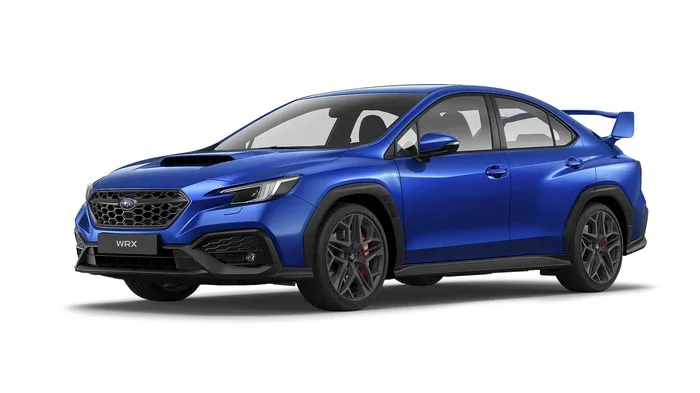
The newest WRX returns to a manual transmission and features the updated FA20 engine with improved cooling and stronger internals. Early reports are very positive, and Subaru has addressed many of the issues seen in the third generation. Since these models are still relatively new, long-term data is limited. However, the build quality and engineering improvements suggest these cars will easily reach 200,000 miles and beyond.
The fourth generation also benefits from the latest safety features, improved infotainment systems, and better fuel efficiency. For buyers looking at a new WRX, this generation represents the best combination of performance, reliability, and modern technology the brand has ever offered.
Common Subaru WRX Problems to Watch For
Every car has its weak points, and the WRX is no exception. Knowing what to look for helps you catch problems early before they turn into expensive repairs. Here are the most common issues that affect WRX longevity.
Timing Chain and Tensioner Issues
The WRX timing chain is one of the most discussed components in Subaru reliability circles. In some model years, the timing chain can stretch prematurely, leading to rattling noises on cold starts and potential engine damage if left unaddressed. The good news is that timing chains in newer WRX models have been improved significantly, and many can last well past 200,000 miles without issues.
If you own an older WRX, pay close attention to any rattling noise when you first start the engine. This is often the first sign of timing chain stretch. For more detailed information on how long timing components can last across different vehicles, check out our guide on timing chain longevity and replacement intervals.
Turbo and Boost-Related Failures
The turbocharger is what makes the WRX special, but it is also a component that can fail over time. Turbo wastegate rattle, oil leaks from the turbo seals, and boost leaks are common issues that WRX owners face. Most turbos on WRX engines last 150,000 to 200,000 miles before needing replacement, but this varies widely based on driving conditions and maintenance.
Watch for signs of turbo failure like excessive smoke, loss of power, or unusual whining noises. Addressing turbo issues early can prevent damage to the engine itself. Regular oil changes and allowing the engine to cool down before shutting off after hard driving can extend turbo life significantly.
Head Gasket Concerns
Older Subaru models, including early WRX generations, had a reputation for head gasket failures. This was more common in the EJ engine family that powered earlier WRX models. The head gasket seals the combustion chamber and prevents coolant and oil from mixing. When it fails, the results can be devastating for the engine.
The FA engine family used in newer WRX models has largely addressed this issue through improved design and materials. If you own a first or second-gen WRX, keep an eye on your coolant levels and watch for any white smoke from the exhaust. These are early warning signs that should never be ignored.
Suspension and Body Wear
The WRX is a performance car, and that means the suspension takes a beating from both the road and spirited driving. Control arm bushings, strut mounts, and wheel bearings wear out faster than in a standard sedan. If you frequently drive on rough roads or participate in track events, these components may need attention by the 80,000 to 100,000-mile mark.
Also, consider adding mud flaps to protect your car from road debris, rocks, and salt spray. Many WRX owners wonder if they really need them. Our article on whether you need mud flaps explains why they are a smart investment for any daily driver, especially one used in all-weather conditions.
Maintenance Tips to Extend Your WRX Life
Want your WRX to hit 300,000 miles? It is absolutely possible with the right care and attention. Here are the most important maintenance steps every WRX owner should follow.
Stick to the Maintenance Schedule
The owner manual has a detailed maintenance schedule for a reason. Follow it to the letter. Do not skip oil changes, transmission fluid swaps, or coolant flushes just because the car seems fine. Prevention is always cheaper and easier than repair, and it is the foundation of long-term WRX reliability.
Keep a log of every service, whether you do it yourself or visit a shop. This record-keeping helps you track patterns and catch issues before they become serious. It also adds significant value if you ever decide to sell the vehicle.
Use Quality Fluids and Filters
Not all oil, coolant, or transmission fluid is created equal. The WRX engine runs hot and under boost, so it needs high-quality synthetic oil that can handle the heat and pressure. Change your oil filter every time you change the oil, and use a genuine Subaru or high-quality aftermarket filter.
Use Subaru-approved coolant to avoid corrosion in the cooling system. The WRX’s flat-four engine has a unique cooling layout that can be sensitive to the wrong type of coolant. Spending a few extra dollars on the right fluids pays off enormously over the life of the car.
Address Small Issues Immediately
That little rattle you ignore today could become a $2,000 repair next year. The WRX is a complex machine with many interconnected systems. When something feels off, get it checked by a qualified mechanic. Early detection saves money and prevents cascading failures that can take out multiple components at once.
Keep an ear out for unusual sounds, pay attention to dashboard warning lights, and trust your instincts. You know your car better than anyone. If something does not sound or feel right, investigate it promptly.
Keep It Clean, Inside and Out
Corrosion is a silent killer of car longevity. Wash your WRX regularly, especially in winter when road salt is on the roads. Pay extra attention to the undercarriage and wheel wells where salt and debris accumulate. Clean the interior too — moisture buildup can lead to mold and electrical issues over time.
A clean car is also a car that gets inspected more carefully. When you wash your WRX regularly, you naturally notice new dents, scratches, fluid leaks, and other issues that might otherwise go unnoticed for weeks.
Warm Up the Engine Before Hard Driving
Modern WRX engines do not need a long warm-up period, but letting the oil circulate for 30 to 60 seconds before driving hard is a smart habit. Cold oil does not lubricate as effectively, and the turbocharger needs proper oil flow to survive high-speed operation.
Once the oil temperature reaches normal operating range, the engine is ready for spirited driving. This simple habit — waiting just a minute before pushing the car hard — can add years to your WRX’s engine life.
WRX Ownership Costs Over Time
Understanding what it costs to own a WRX long-term helps you plan and budget properly. Let us look at the numbers so you know what to expect.
Routine Maintenance Costs
Basic maintenance on a WRX is comparable to other compact performance sedans in its class. Oil changes run about $50 to $80 if you do it yourself or visit a shop. Brake pads and rotors typically need replacement every 30,000 to 50,000 miles, depending on your driving style. Timing belt or chain replacement (where applicable) runs $500 to $1,500 depending on the model year and labor rates in your area.
Tire replacement is another ongoing cost, especially if you drive the WRX hard. Performance tires wear faster than standard all-season tires, and replacing a set can run $400 to $800 depending on the brand and size.
Major Repair Costs
Major repairs on a WRX can be expensive but are not unique to the brand. A turbo replacement might cost $1,500 to $3,000 depending on whether you choose a new or rebuilt unit. A timing chain job could run $1,200 to $2,500. A head gasket repair on older models can reach $2,000 or more. The good news is that these repairs are not frequent if you stay on top of routine maintenance.
One advantage of the WRX is the massive aftermarket support. Many of these repairs can be done at independent shops for less than dealer rates. And because the WRX has been around for over two decades, there is no shortage of experienced mechanics who know these cars inside and out.
Insurance and WRX Depreciation
WRX insurance rates tend to be moderate, especially if you keep the car garaged and maintain a clean driving record. Rates vary by location, age, and driving history, but the WRX is generally not the most expensive car to insure in its class.
WRX depreciation is actually slower than many people expect. The WRX holds its value reasonably well, especially in the performance car segment where reliability and enthusiast demand keep prices stable. A well-maintained 10-year-old WRX can still fetch a solid resale price, making it a smart long-term investment.
So, How Long Do Subaru WRX Models Really Last?
The honest answer is that a Subaru WRX can last anywhere from 150,000 miles to well over 300,000 miles, depending on how it is treated. The average WRX owner who follows a regular maintenance schedule and drives responsibly can expect their car to reach 200,000 to 250,000 miles without needing a major engine or transmission rebuild.
The Subaru WRX lifespan is heavily influenced by your commitment to care. Change the oil on time, listen to the car when it makes unusual noises, and address small problems before they grow into big ones. The WRX is a car that rewards attention and punishes neglect — this is true across every generation and model year.
If you are considering buying a used WRX, focus on model years with fewer known reliability issues, get a thorough pre-purchase inspection, and request full maintenance records. These steps will give you the best chance of finding a WRX that will keep running reliably for many years to come. The WRX has a proven track record of longevity, and with the right owner, it will keep going long after the warranty expires.
Ultimately, the Subaru WRX reliability record speaks for itself. Thousands of owners have put six-figure mileages on their WRX and still enjoy the driving experience that made them fall in love with the car in the first place. The boxer engine, the all-wheel-drive system, and the turbocharged performance all work together to create a vehicle that is as capable at 200,000 miles as it was on day one — as long as you take care of it.
So how long do Subaru WRX models last? The answer is up to you. With the right care and attention, your WRX can be a long-term companion on the road that delivers performance and reliability for decades. Start today by reviewing your maintenance schedule, checking your fluid levels, and listening to what your car tells you. A little effort now pays off enormously in the long run.
Frequently Asked Questions
What is the average lifespan of a Subaru WRX?
With proper maintenance, most Subaru WRX models last between 200,000 and 300,000 miles. Some well-cared-for examples have even surpassed 300,000 miles without a major engine rebuild. The key factors are regular oil changes, timely repairs, and sensible driving habits that reduce stress on the engine and transmission.
At what mileage do WRX engines typically need a rebuild?
WRX engines generally do not need a full rebuild until well past 200,000 miles. However, individual components like the turbo, timing chain, and head gaskets may need attention between 100,000 and 150,000 miles depending on the model year and driving conditions. Staying on top of maintenance is the best way to push that rebuild date further into the future.
Is the Subaru WRX a reliable daily driver?
Yes, the WRX makes an excellent daily driver for those who appreciate performance and all-wheel drive. Newer model years have addressed many of the reliability concerns from earlier generations. Staying on top of the maintenance schedule and addressing small issues promptly is the best way to ensure daily reliability.
How often should I change the oil in my WRX?
Subaru recommends oil changes every 6,000 to 7,500 miles for normal driving conditions. If you drive in severe conditions — such as frequent short trips, extreme temperatures, or heavy traffic — you should shorten the interval to every 5,000 miles. Using high-quality synthetic oil helps protect the turbocharged engine from heat and wear.
Are older WRX models worth buying for long-term ownership?
Older WRX models can be great value for long-term ownership, especially if you find one with a full service history. First and second-generation WRX models are simpler mechanically, which makes repairs easier and less expensive. Just be prepared to address age-related wear on rubber components, bushings, and electrical systems that naturally degrade over time.
What is the most common WRX problem that affects longevity?
The most common issue that impacts WRX longevity is neglecting oil changes. The turbocharged engine runs hotter than a naturally aspirated one, and dirty or low oil accelerates wear significantly. Other common issues include timing chain stretch in older models and CVT transmission fluid neglect in newer generations.
=== CONCLUSION ===
The Subaru WRX is a car built to endure. With a strong engine design, a loyal owner community, and proven track records spanning multiple generations, the WRX has earned its reputation as a performance car that can go the distance. It is not just about speed and handling — it is about building a relationship with a machine that rewards your care and attention.
How long do Subaru WRX models last? The answer is in your hands. Regular maintenance, smart driving habits, and attention to warning signs will help your WRX reach — and possibly exceed — 300,000 miles. The boxer engine, the all-wheel-drive system, and the turbocharged performance all work together to create a vehicle that stays capable and fun for years to come.
Treat your WRX well, and it will reward you with decades of exhilarating driving and reliable transportation. Start today by reviewing your maintenance schedule, checking your fluid levels, and listening to what your car tells you. Your WRX is ready to go the distance — make sure you are ready to keep it running strong for every mile ahead.