How Haval Handles Rough Roads With Total Confidence
Haval SUVs are built to tackle rough roads with impressive suspension systems, strong chassis designs, and advanced all-wheel-drive technology. Whether you drive a Haval H9, Haval Big Dog, or Haval Jolion, these vehicles deliver solid off-road performance at an affordable price. In this guide, we break down exactly how Haval handles rough roads and why drivers trust these SUVs for rugged terrain.
Haval has become one of the most talked-about names in the SUV world. These vehicles are not just stylish and affordable. They are also built to handle rough roads with real confidence. If you have ever driven on gravel paths, muddy trails, or bumpy back roads, you know how important your vehicle’s setup really is. Haval handles rough roads better than many drivers expect from a mid-range SUV brand.
The secret lies in smart engineering. Haval uses strong chassis designs, advanced suspension systems, and powerful drivetrain options to make sure every ride stays controlled. Whether you are commuting on a rough highway or heading off the beaten path, Haval SUVs are ready. In this article, we will show you exactly how Haval tackles tough terrain and why it earns the trust of off-road lovers around the world.
We will look at the technology under the hood, compare different Haval models, and share practical tips for keeping your vehicle in top shape. By the end, you will understand why Haval off-road performance punches well above its price tag. Let us dive in.
Key Takeaways
- Haval SUVs use advanced suspension systems that absorb bumps and keep your ride smooth on rough roads.
- All-wheel drive and traction control give Haval vehicles excellent grip on gravel, mud, and uneven surfaces.
- Body-on-frame construction in models like the Haval H9 provides serious durability for off-road adventures.
- Ground clearance and approach angles help Haval SUVs clear obstacles without scraping the undercarriage.
- Regular maintenance like checking shock absorbers and off-road tires keeps your Haval performing at its best.
- Haval offers great value for off-road capability compared to more expensive brands.
- Owner reviews confirm that Haval handles rough roads with surprising confidence and reliability.
📑 Table of Contents
- What Makes Haval SUVs Built for Rough Roads
- Suspension and Chassis Technology
- Haval Models That Excel on Rough Roads
- Off-Road Features That Set Haval Apart
- Maintenance Tips for Rough Road Performance
- Common Mistakes Drivers Make on Rough Roads
- Expert Insights on Haval Off-Road Capability
- Real-World Performance: What Owners Say
- Comparison: Haval vs. Other Off-Road SUVs
- Final Thoughts: Why Haval Earns Your Trust on Rough Roads
What Makes Haval SUVs Built for Rough Roads
Haval is a brand under Great Wall Motors, one of the largest SUV makers in China. They have spent years studying what drivers need when the pavement ends. The result is a lineup of vehicles that combine comfort with real rugged capability. Haval handles rough roads because every part of the vehicle is designed with tough terrain in mind.
You do not need to spend a fortune on a luxury off-road brand. Haval brings solid off-road capability into an affordable package. From the Haval H9 to the Haval Big Dog and the Haval Jolion, each model has features that make rough road driving safer and more enjoyable.
The Role of Vehicle Design in Off-Road Performance
Every vehicle that handles rough roads well starts with its basic design. Haval focuses on a few key areas that directly affect how a SUV performs on uneven ground. These include the frame type, the height of the vehicle, and the shape of the body. Together, these elements determine how well a car can climb hills, cross rocks, and absorb impacts.
Most Haval off-road models use a body-on-frame construction. This means the body sits on a separate, strong steel frame. It is the same design used by serious off-road trucks. This frame adds strength and rigidity. It also helps the vehicle stay stable when you hit bumps at speed. The frame distributes weight evenly, which improves traction on loose surfaces like sand or gravel.
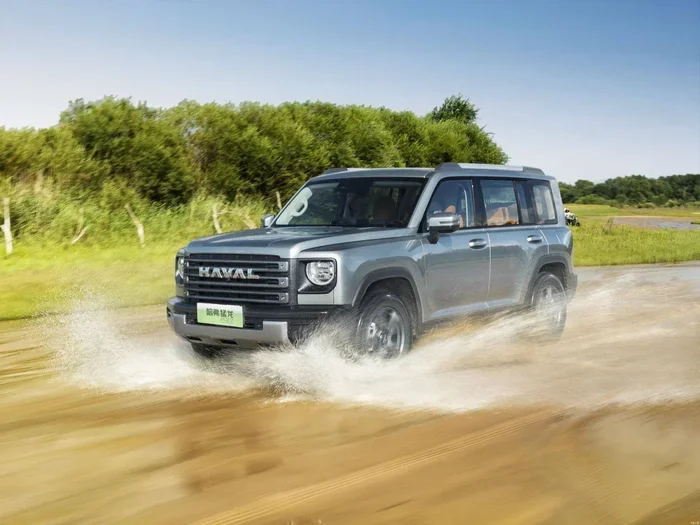
Another important factor is ground clearance. Haval SUVs typically offer generous ground clearance, which means the lowest part of the vehicle stays well above the ground. This prevents the undercarriage from scraping rocks or debris. Higher ground clearance also helps when crossing deep puddles or muddy sections on a trail.
Suspension and Chassis Technology
The suspension system is the heart of how any vehicle handles rough roads. It connects the wheels to the body and absorbs impacts from bumps, holes, and uneven surfaces. Haval uses sophisticated suspension setups that keep the tires planted on the ground, even when the road gets rough.
How Haval Suspension Systems Work
Most Haval SUVs use double-wishbone or multi-link suspension in the front. In the rear, they often use a multi-link setup as well. These designs allow each wheel to move independently. When one wheel hits a bump, the others stay steady. This keeps the vehicle balanced and the ride smooth.
Haval also uses heavy-duty shock absorbers. These shocks are tuned specifically for off-road driving. They soak up large impacts without bouncing the vehicle around. The result is a ride that feels controlled, even on very rough terrain. You will notice less body roll when turning and less pitching when braking.
Some Haval models also include electronic stability control and hill descent control. These systems work with the suspension to keep you safe. Hill descent control automatically applies the brakes to each wheel when you are going downhill on steep, rough ground. This lets you focus on steering instead of pumping the brakes.
Shock Absorbers and Their Importance
Shock absorbers do more than just cushion bumps. They control the movement of the suspension springs. Without good shocks, a vehicle would bounce uncontrollably after hitting a rough patch. Haval uses quality shock absorbers that are built to handle repeated impacts on tough terrain.
Over time, shocks can wear out. This is especially true if you frequently drive on rough roads. Worn shocks lead to a bouncy ride, longer stopping distances, and poor tire wear. Keeping your shocks in good condition is one of the best ways to maintain your Haval’s off-road performance.
Chassis Strength and Durability
The chassis is the skeleton of your vehicle. A strong chassis means the vehicle can handle heavy loads and rough impacts without bending or cracking. Haval builds its off-road models with high-strength steel frames that resist deformation. This is critical when you are navigating rocky trails or carrying heavy equipment.
The chassis also supports the vehicle’s approach angle, departure angle, and breakover angle. These angles determine how steep a hill or obstacle your vehicle can climb without scraping the front, rear, or middle of the car. Haval models like the Haval H9 offer impressive angles that make navigating steep trails much easier.
Haval Models That Excel on Rough Roads
Not every Haval SUV is built the same way for off-road use. Some models are designed more for city driving, while others are true off-road warriors. Let us look at the Haval models that handle rough roads the best.
Haval H9
The Haval H9 is the brand’s flagship SUV. It is a large, powerful vehicle built for serious off-road adventures. The H9 uses a body-on-frame design with a robust steel chassis. It offers four-wheel drive with a low-range transfer case, which gives you more torque at low speeds. This is essential for climbing steep hills or crawling over rocks.
The H9 also features locking differentials, which send equal power to both wheels on an axle. If one wheel loses traction on a slippery surface, the other wheel keeps pulling. This is a game-changer on muddy trails or icy roads. The Haval H9 is one of the most capable off-road SUVs in its price range.
Haval Big Dog
The Haval Big Dog is a more compact SUV that still packs a serious off-road punch. It is named after a loyal, tough dog, and it lives up to that name. The Big Dog offers a rugged exterior design with raised suspension and all-terrain tires. It comes in both two-wheel drive and four-wheel drive versions.
For drivers who want a fun, affordable off-road SUV, the Haval Big Dog is a great choice. It handles dirt roads, forest trails, and gravel paths with ease. The interior is comfortable, and the tech features are modern. It is a well-rounded vehicle that does not sacrifice comfort for capability.
Haval Jolion and Haval H6
The Haval Jolion and Haval H6 are more focused on daily driving, but they still offer decent rough road ability. These models use unibody construction, which is lighter and more fuel-efficient than body-on-frame. They come with front-wheel drive or all-wheel drive options. The Jolion and H6 handle light off-road conditions like gravel roads and wet surfaces very well.
They are not built for extreme rock crawling. But for drivers who face occasional rough roads on their daily commute, these models provide more than enough capability. They also offer excellent fuel economy and modern safety features, making them great all-around SUVs.
Off-Road Features That Set Haval Apart
What makes Haval stand out from other brands in the rough road category? It is the combination of features that work together to give you confidence. Here are some of the key off-road features you will find on Haval SUVs.
All-Wheel Drive Systems
Most Haval off-road models come with intelligent all-wheel drive. This system constantly monitors traction and sends power to the wheels that need it most. If the front wheels start slipping on a muddy road, the system sends more power to the rear wheels. This happens almost instantly, keeping you moving forward.
Some Haval models also offer torque vectoring. This means the system can send different amounts of power to the left and right wheels on the same axle. This helps you turn smoothly on slippery surfaces and keeps the vehicle tracking straight on rough terrain.
Off-Road Tires and Traction
Tires are the only part of your vehicle that touches the road. On rough terrain, the right tires make all the difference. Haval off-road models often come equipped with all-terrain tires. These tires have deeper tread patterns and stronger sidewalls than regular street tires.
All-terrain tires grip better on mud, sand, and gravel. They also handle sharp rocks better, reducing the risk of punctures. If you plan to do serious off-roading, you may want to upgrade to more aggressive off-road tires. These have even deeper treads and tougher construction for extreme terrain.
Skid Plates and Underbody Protection
When you drive on rough roads, your undercarriage takes a beating. Rocks, stumps, and debris can damage the oil pan, transmission, and fuel tank. Haval addresses this with steel skid plates that cover the most vulnerable parts of the underbody. These plates take the impact so your important components do not have to.
Skid plates are especially important on the Haval H9 and Haval Big Dog. They give you peace of mind when crawling over rocks or driving through rocky streams. Without skid plates, a single sharp rock could cause expensive damage.
Hill Climbing and Descent Control
Haval SUVs come with hill climb assist and hill descent control. Hill climb assist prevents your vehicle from rolling backward when you start climbing a steep hill. It holds the brakes for a moment after you release the brake pedal and press the gas. This is incredibly helpful on steep, loose trails.
Hill descent control does the opposite. It automatically applies the brakes to each wheel when you are going downhill on rough ground. You can set a slow, controlled speed without touching the brake pedal. This lets you focus on steering around obstacles while the system handles the speed.
Maintenance Tips for Rough Road Performance
Owning a Haval SUV that handles rough roads also means taking care of it properly. Regular maintenance keeps your vehicle performing at its best on tough terrain. Here are some essential tips.
Check Your Suspension Regularly
Your suspension takes the most abuse on rough roads. Inspect your shock absorbers and suspension bushings regularly. Look for leaks, cracks, or excessive play. If your Haval bounces more than usual after hitting a bump, your shocks may need replacing. Fresh shocks make a huge difference in ride quality and control.
Keep Your Tires in Good Shape
Check your tire pressure before every off-road trip. Lower pressure increases the tire’s contact patch, giving you better grip on soft surfaces like sand or mud. But do not go too low, or you risk damaging the tires or rims. A good rule is to reduce pressure by about 20% for off-road driving and reinflate when you return to pavement.
Also check your tire tread depth regularly. Worn tires lose grip on rough surfaces much faster. Replace tires when the tread gets too low. This is one of the simplest and most important maintenance tasks for any off-road vehicle.
Inspect Skid Plates and Underbody
After a rough off-road trip, inspect your skid plates for damage. Dents and scrapes are normal, but deep gouges or cracks need attention. Also look underneath your vehicle for any fluid leaks. Rough roads can shake loose oil pans, transmission pans, and other components. Catching a small leak early can save you from a big repair bill.
Change Fluids More Frequently
If you frequently drive on rough roads, consider changing your engine oil, transmission fluid, and differential fluid more often than the standard schedule. Dirt and debris from off-road driving can contaminate fluids faster. Fresh fluids keep your drivetrain running smoothly and extend the life of your components.
Common Mistakes Drivers Make on Rough Roads
Even with a great vehicle like a Haval, mistakes can happen. Here are some common errors to avoid when driving on rough terrain.
- Speeding over bumps. Always slow down before hitting a rough patch, not during it. Speeding over bumps can damage your suspension and lose control.
- Ignoring tire pressure. Driving on rough roads with incorrect tire pressure reduces traction and increases the risk of damage.
- Not using low-range gearing. If your Haval has a transfer case with low range, use it on steep or slippery terrain. It gives you more control and less strain on the engine.
- Overloading the vehicle. Too much weight affects handling, braking, and suspension performance. Keep your load within the manufacturer’s limits.
- Forgetting to check for obstacles. Always look ahead for rocks, holes, and other hazards. Reacting too late can cause damage or loss of control.
Expert Insights on Haval Off-Road Capability
Automotive experts have praised Haval for offering strong off-road capability at a competitive price. Many reviewers note that Haval SUVs handle rough roads with surprising confidence. The combination of solid build quality, smart technology, and affordable pricing makes Haval a compelling choice for off-road enthusiasts.
Experts also highlight the value proposition. A Haval H9 or Haval Big Dog offers many of the same off-road features as vehicles that cost thousands of dollars more. The suspension tuning, all-wheel-drive systems, and durability of these SUVs have impressed even seasoned off-road drivers.
One thing experts consistently recommend is to take your Haval to an off-road driving course if you are new to rough terrain. Learning proper techniques will help you get the most out of your vehicle and keep you safe on the trail.
Real-World Performance: What Owners Say
Owner reviews paint a clear picture of how Haval handles rough roads in real life. Many Haval owners report taking their SUVs on forest trails, mountain roads, and desert tracks with excellent results. The vehicles handle gravel, mud, and rocky sections with confidence.
Owners frequently praise the comfort of the ride, even on rough terrain. The suspension absorbs impacts well, and the cabins remain quiet and comfortable. This is a big advantage over some competitors that transmit every bump directly into the cabin.
Durability is another common theme in owner reviews. Many Haval owners have logged thousands of miles on rough roads without major mechanical issues. This speaks to the build quality and engineering behind these vehicles.
Comparison: Haval vs. Other Off-Road SUVs
How does Haval stack up against other popular off-road SUV brands? Here is a quick comparison.
- Price: Haval SUVs are generally more affordable than brands like Jeep, Land Rover, or Toyota for comparable off-road capability.
- Features: Haval offers modern tech features like touchscreen infotainment, 360-degree cameras, and driver-assist systems that some older off-road brands lack.
- Durability: Haval uses strong materials and proven engineering. While it may not have the decades of off-road heritage that Jeep or Toyota have, the build quality is very solid.
- Fuel Economy: Haval models tend to offer better fuel economy than many traditional off-road SUVs, thanks to efficient engines and lighter construction.
- Off-Road Performance: For the price, Haval holds its own against much more expensive competitors. Models like the H9 and Big Dog can handle serious terrain.
The bottom line is that Haval offers excellent value for drivers who want off-road capability without the premium price tag. Haval handles rough roads with a level of confidence that rivals vehicles costing twice as much.
Final Thoughts: Why Haval Earns Your Trust on Rough Roads
Driving on rough roads does not have to be stressful. With a Haval SUV, you get a vehicle that is designed, engineered, and tested to handle tough terrain. From the strong chassis and advanced suspension to the intelligent all-wheel-drive systems and protective features, every detail works together to give you confidence.
Whether you choose the rugged Haval H9, the versatile Haval Big Dog, or the more practical Haval Jolion and Haval H6, you are getting a vehicle that takes rough roads in stride. Regular maintenance and smart driving habits will keep your Haval performing at its best for years to come.
The next time you plan a trip on a rough road or a weekend off-road adventure, trust your Haval to deliver. Haval handles rough roads with total confidence, and now you know exactly why.
FAQ Section
Can a Haval SUV handle extreme off-road conditions?
Yes, models like the Haval H9 and Haval Big Dog are built for serious off-road use. They feature body-on-frame construction, locking differentials, and high ground clearance. These vehicles can handle rocky trails, deep mud, and steep hills with confidence.
How often should I maintain my Haval for rough road driving?
If you frequently drive on rough roads, check your suspension, tires, and fluids every 5,000 to 7,500 miles. More frequent inspections help catch wear early. This keeps your Haval performing safely and reliably on tough terrain.
Is the Haval H9 good for off-road beginners?
The Haval H9 is a great choice for beginners who want a capable off-road SUV. It has modern features like hill descent control and electronic stability control that help you stay safe. However, taking an off-road driving course is always a good idea before tackling extreme trails.
What type of tires are best for Haval off-road driving?
All-terrain tires are a great starting point for most Haval models. They offer good grip on both pavement and rough terrain. For extreme off-roading, consider upgrading to dedicated off-road tires with deeper treads and stronger sidewalls.
Does the Haval Jolion handle rough roads well?
The Haval Jolion handles light to moderate rough roads well. It is not designed for extreme off-roading like the Haval H9. But for gravel roads, forest trails, and wet surfaces, the Jolion provides solid capability and comfort.
Are Haval SUVs more affordable than other off-road brands?
Yes, Haval SUVs offer excellent value. You get strong off-road capability at a lower price than many competitors. Brands like Jeep and Land Rover charge significantly more for similar features. Haval gives you more bang for your buck.