How Big Is the Gas Tank on a Toyota Camry Revealed
The Toyota Camry gas tank holds between 15.8 and 16.0 gallons depending on the model year and trim level. This fuel capacity gives the Camry a driving range of roughly 450 to 550 miles per tank. Understanding your Camry fuel capacity helps you plan road trips, estimate costs, and choose the right trim for your needs.
The Toyota Camry has been one of the most popular sedans on the road for decades. People love it for its reliability, comfort, and solid fuel economy. But one question comes up again and again: how big is the gas tank on a Toyota Camry?
Whether you are buying a used Camry, planning a road trip, or just curious about your daily driver, knowing the fuel tank size matters. It affects how far you can drive between fill-ups, how much fuel you carry, and even how the car handles on the road. In this guide, we will walk you through everything you need to know about the Toyota Camry gas tank. We will cover tank sizes by model year, compare trims, and share practical tips to get the most out of every gallon.
The Camry fuel capacity has stayed fairly consistent over the years. Most modern Camry models hold around 15.8 to 16.0 gallons. But there are some interesting differences depending on the engine type, trim level, and model year. Let us dive into the details so you have all the answers at your fingertips.
Key Takeaways
- Standard Tank Size: Most Toyota Camry models come with a 15.8 to 16.0 gallon gas tank.
- Driving Range: A full tank can take you 450 to 550 miles depending on driving habits and fuel economy.
- Trim Matters: Different trims and engine types may slightly affect fuel tank specifications.
- Hybrid vs. Gas: The hybrid Camry uses a smaller gas tank since it blends electric and gasoline power.
- Fuel Economy: The Camry averages 28 to 32 MPG, making it one of the most efficient midsize sedans.
- Easy to Find: Tank size is listed in the owner manual and on the manufacturer website.
- Planning Tip: Knowing your tank size helps you budget for fuel and plan long drives confidently.
📑 Table of Contents
- Toyota Camry Gas Tank Size by Model Year
- Camry Fuel Capacity by Trim Level
- How Fuel Capacity Affects Driving Range
- Comparing Camry Tank Size to Other Sedans
- Tips for Maximizing Fuel Efficiency in Your Camry
- Common Mistakes People Make with Their Camry’s Gas Tank
- The Toyota Camry as a Daily Driver: Size, Capacity, and Practicality
- Final Thoughts on the Toyota Camry Gas Tank
Toyota Camry Gas Tank Size by Model Year
The gas tank on a Toyota Camry has not changed dramatically over the past two decades. Toyota kept the design simple and reliable. That means the Camry fuel tank size stays within a narrow range across most generations. Here is a closer look at what you can expect.
Gas Tank Size by Generation
Toyota has produced several generations of the Camry since the 1980s. Each generation brought small updates, but the fuel tank remained close to the same capacity. Here is a general breakdown:
- 2012 to 2017 (6th Generation): The gas tank holds 15.8 gallons. This was one of the most popular generations because of its balance of comfort and fuel economy.
- 2018 to 2024 (7th Generation): The tank size stayed at 15.8 gallons for most trims. The 2018 Camry got a complete redesign and improved aerodynamics, which helped boost fuel economy.
- 2024 and Newer (8th Generation): The latest Camry continues with a 15.8 to 16.0 gallon tank. Toyota made minor adjustments to improve efficiency and range.
Older models from the 2000s and early 2010s also used a 15.8-gallon tank. Toyota kept things consistent, and that is a good thing. It means parts are easy to find, and drivers can expect similar performance across model years.
How Model Year Affects Tank Specifications
You might wonder why the tank size matters so much by model year. Well, a few things play a role. First, emissions standards changed over the years. Toyota had to fine-tune the fuel system to meet new regulations. Second, aerodynamics improved in newer models. A sleeker design means less drag, which means better fuel economy even with the same tank size. Third, engine technology evolved. Newer engines extract more energy from each drop of fuel.
If you are shopping for a used Camry, checking the model year helps you understand the fuel system. Older models may have slightly different fuel pump designs, but the tank capacity remains nearly identical. You can also check a car’s history to learn more about the specific vehicle’s maintenance and fuel system health.
Camry Fuel Capacity by Trim Level
The Toyota Camry comes in several trim levels. Each trim offers different features, engines, and comfort options. But does the trim level change the gas tank size? The short answer is no. Most trims share the same 15.8-gallon tank. However, there are some nuances worth exploring.
LE, SE, XLE, and TRD Trims
The base LE trim, the sporty SE, the luxury XLE, and the performance-oriented TRD all use the same fuel tank. Toyota kept the tank uniform across the lineup. This makes manufacturing simpler and keeps the car balanced.
Here is what stays the same and what changes across trims:
- Tank Size: 15.8 gallons across all trims
- Engine Type: 2.5L 4-cylinder (base), 3.5L V6 (optional on some trims), or hybrid powertrain
- Fuel Economy: Varies by engine and trim, ranging from 28 to 32 MPG combined
- Driving Range: Approximately 450 to 500 miles per full tank
Hybrid Camry Fuel Tank
The hybrid Camry is a different story in some ways. It uses a smaller gas tank because it supplements gasoline power with electric energy. The hybrid Camry tank size is around 11.3 gallons. That is significantly less than the gas-only version. But here is the trade-off: the hybrid system is so efficient that you still get excellent range. The hybrid Camry can travel about 600 miles on a full tank thanks to its combined electric and gasoline power.
This is a great example of how fuel tank capacity does not tell the whole story. The hybrid system changes the equation entirely. If you are considering a hybrid Camry, do not be surprised by the smaller tank. The fuel economy more than makes up for it.
How Fuel Capacity Affects Driving Range
Now let us talk about what really matters to most drivers: how far can you go on a full tank? The Camry driving range depends on two main factors: tank size and fuel economy. With a 15.8-gallon tank and an average of 30 MPG, you can expect to drive about 474 miles before needing to refuel.
Calculating Your Personal Range
Calculating your range is simple. Just multiply your tank size by your average MPG. Here is the formula:
- Tank Size (gallons) x MPG = Driving Range (miles)
For example, if your Camry gets 30 MPG and has a 15.8-gallon tank, your range is 474 miles. If you drive more aggressively and average 26 MPG, your range drops to about 411 miles. The math is straightforward, and it helps you plan trips with confidence.
Factors That Affect Fuel Economy
Several factors influence how many miles you get per gallon. Understanding these can help you maximize your range:
- Driving Speed: Highway driving at steady speeds yields better fuel economy than stop-and-go city driving.
- Tire Pressure: Underinflated tires create drag and reduce MPG. Check your tire pressure monthly.
- Air Conditioning Use: Running the AC puts extra load on the engine, which uses more fuel.
- Payload Weight: Carrying heavy items in the trunk reduces efficiency.
- Aggressive Driving: Rapid acceleration and hard braking waste fuel.
- Engine Condition: A well-maintained engine runs more efficiently and uses less fuel.
These factors apply to all Camry models. But the good news is that the Camry is already one of the most efficient sedans in its class. Even with less-than-perfect driving habits, you will still get solid range.
Comparing Camry Tank Size to Other Sedans
How does the Toyota Camry gas tank stack up against the competition? Let us compare it to a few popular midsize sedans. This gives you a clearer picture of where the Camry stands.
Camry vs. Honda Accord
The Honda Accord holds about 14.8 to 15.6 gallons depending on the model year. The Camry’s 15.8-gallon tank gives it a slight edge in total range. Both cars offer similar fuel economy, around 30 MPG combined. So the Camry wins on raw capacity, but the difference is small.
Camry vs. Honda Civic
The Honda Civic is a compact sedan, not a midsize one. Its tank is smaller, usually around 12.4 gallons. But the Civic is lighter and more aerodynamic, so it often matches or beats the Camry in fuel economy. The trade-off is a shorter total driving range per fill-up.
Camry vs. Nissan Altima
The Nissan Altima uses a 16.2-gallon tank, which is slightly larger than the Camry’s. However, the Altima’s fuel economy is slightly lower, so the real-world range difference is minimal. Both are excellent choices in the midsize sedan category.
When you compare these numbers, the Camry sits right in the sweet spot. Its tank is large enough for great range but not so big that it adds unnecessary weight. Toyota struck a balance that has worked well for years.
Tips for Maximizing Fuel Efficiency in Your Camry
Knowing your Toyota Camry gas tank size is only half the battle. The other half is getting the most out of every gallon. Here are some practical tips that actually work.
Drive Smarter, Not Harder
Smooth driving is the single biggest factor in fuel economy. Accelerate gently, maintain steady speeds, and coast to stops when safe. These small changes add up to significant savings over time.
Keep Up with Maintenance
A well-maintained Camry runs efficiently. Here are key maintenance items that affect fuel economy:
- Replace air filters regularly
- Use the recommended grade of motor oil
- Keep spark plugs in good condition
- Align wheels properly
- Fix engine warning lights promptly
Skipping maintenance might save a few dollars short-term, but it costs you more in fuel over the long run. Stay on top of your service schedule.
Plan Your Trips Wisely
Combining errands into one trip saves fuel. Cold starts use more gas, so warming up the engine once and doing multiple stops is more efficient than several short trips. Also, try to avoid peak traffic hours when possible. Idling in traffic burns fuel without moving you forward.
Understand Your Car’s Systems
Modern Camrys come with features that help optimize fuel use. The Eco mode adjusts throttle response and AC output to improve efficiency. If your Camry has cruise control, use it on highway drives to maintain a steady speed. These small features make a real difference over thousands of miles.
Some Camry models also feature forward collision avoidance assist and other driver-assist technologies. While these do not directly save fuel, they contribute to safer driving habits, which indirectly support better fuel economy. If you are interested in learning more about safety features, you can read about how to turn on forward collision avoidance assist on your Camry.
Common Mistakes People Make with Their Camry’s Gas Tank
Even loyal Camry owners sometimes make mistakes that affect their fuel tank and overall car performance. Let us look at some common errors and how to avoid them.
Running the Tank Too Low
Some drivers wait until the gas light comes on before filling up. This is a bad habit. Running on low fuel can strain the fuel pump. The fuel pump relies on gasoline to stay cool. When the tank is nearly empty, the pump can overheat and wear out faster. Try to keep your tank at least a quarter full at all times.
Overfilling the Tank
It is tempting to keep pumping after the nozzle clicks off. But overfilling can flood the charcoal canister, which is part of the emissions system. This can trigger warning lights and lead to expensive repairs. Stop when the nozzle clicks. That is the tank full.
Ignoring Fuel Quality
Toyota recommends regular unleaded gasoline for most Camry models. Using lower-quality fuel or the wrong octane can cause engine knocking and reduced performance. Stick with the recommended fuel grade to keep your engine running smoothly.
Neglecting the Fuel Cap
A loose or damaged fuel cap can trigger the check engine light and reduce fuel efficiency. The cap seals the fuel system and prevents vapor leaks. Make sure it clicks securely after every fill-up. This is a tiny detail that makes a big difference.
The Toyota Camry as a Daily Driver: Size, Capacity, and Practicality
The Camry is more than just a gas tank. It is a complete package designed for daily driving, commuting, and road trips. Let us put the fuel tank into perspective by looking at the bigger picture of what makes the Camry such a practical car.
As a midsize sedan, the Camry offers a comfortable interior, spacious trunk, and smooth ride. The sedan size is just right for most families. It is not too big to park easily, but large enough to carry passengers and cargo comfortably. If you are curious about how the Camry’s dimensions compare to other vehicles, check out our guide on how big a sedan is in feet for a detailed comparison.
The Camry also holds its value well over time. If you are thinking about buying or selling a used Camry, understanding its actual cash value is important. Finding your car’s actual cash value helps you make smart decisions at every stage of ownership.
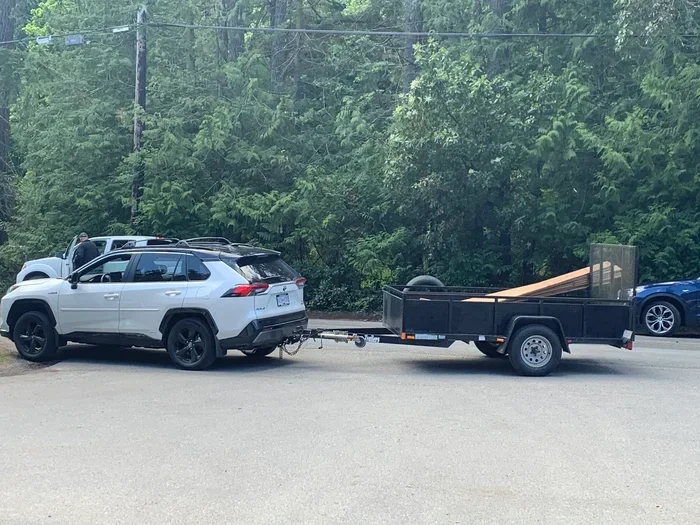
For those who use their Camry for light towing or hauling, it is worth noting the vehicle’s towing capacity. The Camry is not a truck, but it can handle light loads. Always stay within safe towing limits to protect your engine and transmission. If you want to learn more about towing safety, read our article on how close to max towing capacity is safe.
The Camry’s fuel system is designed for longevity. With proper care, the gas tank and fuel components can last the life of the vehicle. Toyota engineered the Camry with durability in mind, and the fuel system is no exception. Whether you drive a 2010 model or a brand-new 2024 Camry, you can trust that the gas tank will serve you reliably for years to come.
Final Thoughts on the Toyota Camry Gas Tank
The Toyota Camry gas tank is a perfect example of smart, practical engineering. At 15.8 to 16.0 gallons, it provides excellent range without adding unnecessary weight. Whether you drive the base LE or the sporty TRD, the fuel capacity remains consistent and reliable.
The hybrid Camry takes a different approach with a smaller tank and electric assist, but the result is even better fuel economy and range. Toyota gave drivers options, and both paths deliver strong value.
Understanding your Camry’s fuel tank helps you drive smarter, plan better, and save money. From calculating your driving range to avoiding common tank mistakes, the knowledge you gained in this guide puts you ahead. Keep your tank at least a quarter full, use the recommended fuel, and stay on top of maintenance. Your Camry will reward you with years of dependable service.
The Camry remains one of the best sedans on the market, and its fuel system is a big reason why. Whether you are a first-time Camry owner or a longtime fan, knowing your gas tank size is a simple step toward better car ownership. Drive safe, fuel smart, and enjoy every mile in your Toyota Camry.
Frequently Asked Questions
What is the gas tank size on a Toyota Camry?
Most Toyota Camry models have a gas tank that holds 15.8 to 16.0 gallons. The hybrid Camry uses a smaller tank of about 11.3 gallons because it combines gasoline power with electric energy.
How far can a Toyota Camry go on a full tank?
With a 15.8-gallon tank and average fuel economy of 30 MPG, the Camry can travel approximately 474 miles on a full tank. Actual range depends on driving habits, road conditions, and maintenance.
Does the Camry trim level affect gas tank size?
No. All gas-only Camry trims share the same 15.8-gallon fuel tank regardless of trim level. The hybrid Camry is the exception with its smaller 11.3-gallon tank.
Can I upgrade my Camry’s gas tank to a larger one?
It is technically possible but not recommended. Modifying the fuel system can void warranties, trigger error codes, and create safety issues. The stock tank size is designed for optimal balance and performance.
Why does my Camry’s fuel gauge read differently at different temperatures?
Fuel expands in heat and contracts in cold. This can cause slight variations in your fuel gauge reading. It is normal and not a cause for concern. The tank capacity remains the same regardless of temperature.
How often should I fill up my Camry’s gas tank?
This depends on your driving habits and daily commute. Most Camry owners fill up every 400 to 500 miles, which is roughly every one to two weeks for average drivers. Keeping your tank at least a quarter full helps protect the fuel pump.